
British Shorthair Temperament for Seniors: The Ultimate Guide

British Shorthairs are generally calm and adaptable, making them good companions for seniors. They’re not overly demanding, enjoy gentle interaction, and are relatively low-maintenance in terms of grooming and exercise. However, individual personalities vary, so consider a cat’s specific needs and energy levels before bringing one home.
Thinking about adding a furry friend to your life? As we get older, the idea of a calm, loving companion becomes even more appealing. Many seniors find joy and comfort in having a cat, and the British Shorthair is often mentioned as a great choice. But is this really true? Are British Shorthairs a good fit for a quieter, more relaxed lifestyle?
Choosing the right cat breed is an important decision, and it’s especially crucial to consider the needs of both you and the cat. In this guide, we’ll explore the wonderful world of British Shorthairs and see why their temperament might make them the purr-fect companion for seniors. We’ll look at their personality traits, care requirements, and how to ensure a happy, harmonious home for both of you.
Understanding the British Shorthair Temperament

The British Shorthair is known for its easygoing and affectionate nature. They’re often described as independent but also enjoy spending time with their humans. Understanding their temperament is key to determining if they’re a good fit for your lifestyle.
Key Temperament Traits
Let’s dive into the specific traits that make the British Shorthair such a beloved breed:
- Calm and Relaxed: British Shorthairs are generally known for their calm and relaxed demeanor. They aren’t usually overly active or demanding, making them ideal companions for a quieter home.
- Affectionate but Independent: They enjoy being around their owners and will often follow you from room to room, but they’re also content to entertain themselves. They aren’t typically “lap cats” but will happily sit beside you on the couch.
- Gentle and Tolerant: British Shorthairs are known for their gentle nature, which makes them good companions for people of all ages. They’re typically tolerant of handling, making grooming and vet visits easier.
- Playful but Not Overly Energetic: While they enjoy playtime, British Shorthairs aren’t usually bouncing off the walls. A few short play sessions each day are usually enough to keep them happy and stimulated.
- Adaptable: They adapt well to different living situations, whether it’s an apartment or a house. As long as they have a comfortable place to sleep and plenty of love, they’ll thrive.
Comparing British Shorthairs to Other Breeds
To better understand the British Shorthair’s temperament, let’s compare them to a few other popular cat breeds:
| Breed | Energy Level | Affection Level | Grooming Needs | Typical Temperament |
|---|---|---|---|---|
| British Shorthair | Low to Moderate | Moderate | Moderate | Calm, independent, affectionate |
| Siamese | High | High | Low | Vocal, demanding, intelligent |
| Persian | Low | Moderate | High | Docile, gentle, quiet |
| Maine Coon | Moderate | High | Moderate | Friendly, playful, adaptable |
As you can see, British Shorthairs fall in the middle ground in terms of energy and affection, making them a balanced choice for many seniors.
Why British Shorthairs Can Be Great Companions for Seniors

Now that we’ve explored their temperament, let’s look at the specific reasons why British Shorthairs can be such wonderful companions for seniors.
Reduced Activity Needs
One of the biggest advantages of British Shorthairs is their moderate activity level. They don’t require constant playtime or outdoor adventures, which can be a great relief for seniors with limited mobility or energy. A short play session with a wand toy or a puzzle feeder is usually enough to keep them happy and entertained. According to the RSPCA, providing mental stimulation is just as important as physical exercise for cats, and British Shorthairs are intelligent enough to enjoy puzzle toys.
Lower Grooming Requirements
While British Shorthairs do have a thick coat, their grooming needs are relatively low. A weekly brushing is usually sufficient to remove loose fur and prevent mats. This is much easier to manage compared to breeds like Persians, which require daily grooming. Regular grooming also helps strengthen the bond between you and your cat.
Calm and Soothing Presence
The calm and gentle nature of British Shorthairs can be incredibly soothing for seniors. Their presence can help reduce stress and anxiety, providing a sense of comfort and companionship. Studies have shown that pet ownership can have numerous health benefits, including lower blood pressure and improved cardiovascular health.
Companionship Without Overdependence
British Shorthairs offer the perfect balance of companionship and independence. They enjoy being around their owners but aren’t overly clingy or demanding. This is ideal for seniors who want a loving companion but also value their independence.
Relatively Quiet Breed
Unlike some cat breeds that are known for being very vocal, British Shorthairs are relatively quiet. They’ll meow when they need something, but they’re not usually excessive talkers. This can be a significant advantage for seniors who are sensitive to noise.
Potential Challenges and Considerations
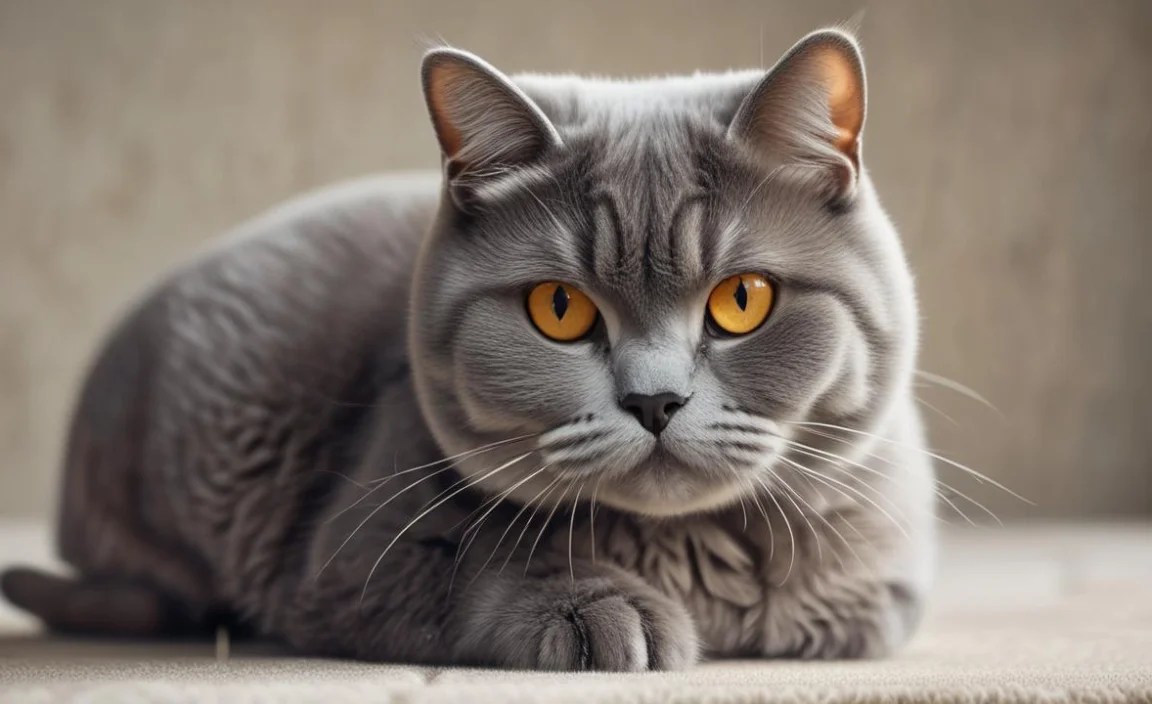
While British Shorthairs are generally a great fit for seniors, it’s important to be aware of potential challenges and considerations.
Potential Health Issues
Like all breeds, British Shorthairs are prone to certain health issues. These can include:
- Hypertrophic Cardiomyopathy (HCM): A common heart condition in cats. Regular vet checkups can help detect and manage this condition.
- Polycystic Kidney Disease (PKD): A genetic disease that causes cysts to form on the kidneys. Responsible breeders screen for this condition.
- Obesity: British Shorthairs can be prone to weight gain, so it’s important to monitor their food intake and provide regular exercise.
It’s crucial to choose a reputable breeder who screens for these health issues. Regular vet checkups are also essential for maintaining your cat’s health and well-being. The Cornell Feline Health Center offers valuable resources on feline health and disease prevention.
Arthritis and Joint Problems
As British Shorthairs age, they may develop arthritis or other joint problems. This can make it difficult for them to jump or climb, so it’s important to provide them with easy access to their favorite spots. Ramps or steps can help them reach the couch or bed. Your vet can also recommend pain management options.
Grooming Assistance
While their grooming needs are relatively low, some seniors may find it difficult to brush their cat regularly. If this is the case, consider hiring a professional groomer or asking a family member or friend for help.
Financial Considerations
Owning a cat comes with financial responsibilities, including food, litter, vet care, and other supplies. It’s important to factor these costs into your budget before bringing a British Shorthair home. Pet insurance can help offset unexpected vet bills.
Tips for a Happy Home

To ensure a happy and harmonious home for both you and your British Shorthair, here are some helpful tips:
- Provide a Comfortable Environment: Make sure your cat has a comfortable bed, scratching post, and plenty of toys.
- Establish a Routine: Cats thrive on routine, so try to feed and play with your cat at the same time each day.
- Offer Mental Stimulation: Puzzle feeders, interactive toys, and short play sessions can help keep your cat mentally stimulated.
- Provide Easy Access: If your cat has difficulty jumping, provide ramps or steps to help them reach their favorite spots.
- Monitor Their Health: Schedule regular vet checkups and be aware of any changes in your cat’s behavior or appetite.
- Provide Fresh Water: Always have fresh, clean water available for your cat.
- Use Cat-Friendly Cleaning Products: Some cleaning products can be harmful to cats, so choose cat-friendly options.
Adopting vs. Buying

When considering a British Shorthair, you have the option of adopting from a rescue organization or buying from a breeder. Both options have their pros and cons.
Adopting a British Shorthair
Pros:
- You’re giving a home to a cat in need.
- Adoption fees are typically lower than breeder prices.
- The cat’s personality is usually already known.
Cons:
- It may be difficult to find a purebred British Shorthair in a shelter.
- The cat’s health history may not be fully known.
Buying a British Shorthair from a Breeder
Pros:
- You can be sure of the cat’s breed and pedigree.
- Reputable breeders screen for genetic health issues.
- You can raise the kitten from a young age.
Cons:
- Breeders typically charge higher prices than adoption fees.
- It’s important to research the breeder to ensure they’re responsible and ethical.
No matter which option you choose, be sure to do your research and find a cat that’s a good fit for your lifestyle and personality. The The International Cat Association (TICA) is a great resource for finding reputable breeders.
Preparing Your Home
Before bringing your British Shorthair home, it’s important to prepare your home to ensure their safety and comfort.
Creating a Safe Space
- Remove Hazards: Remove any toxic plants, cleaning supplies, or medications that your cat could access.
- Secure Windows and Balconies: Make sure windows and balconies are securely screened to prevent falls.
- Provide a Hiding Place: Cats feel more secure when they have a place to retreat to, such as a cardboard box or a covered bed.
- Cat-Proof Electrical Cords: Cats may chew on electrical cords, so cover them with cord protectors.
Setting Up Essential Supplies
- Food and Water Bowls: Choose bowls that are easy to clean and won’t tip over.
- Litter Box: Provide a litter box in a quiet, accessible location.
- Scratching Post: Cats need to scratch to maintain their claws and mark their territory, so provide a sturdy scratching post.
- Toys: Choose a variety of toys to keep your cat entertained, such as wand toys, balls, and puzzle feeders.
- Bed: Provide a comfortable bed in a warm, draft-free location.
Senior-Specific Considerations
If you’re a senior, there are some additional considerations to keep in mind when caring for a British Shorthair.
Mobility Issues
If you have mobility issues, make sure your cat’s essential supplies are easily accessible. Place food and water bowls on the floor and provide a litter box with a low entry point. Ramps or steps can help your cat reach their favorite spots.
Vision and Hearing Impairments
If you have vision or hearing impairments, be extra cautious when interacting with your cat. Avoid startling them and speak to them in a calm, reassuring voice. Use visual cues, such as hand gestures, to communicate with them.
Emergency Planning
It’s important to have a plan in place in case of an emergency. Keep a list of emergency contacts, including your veterinarian and a trusted friend or family member. Prepare a pet emergency kit with essential supplies, such as food, water, and medications.
FAQ: British Shorthairs and Seniors
Here are some frequently asked questions about British Shorthairs and their suitability for seniors:
- Are British Shorthairs high-maintenance cats?
- No, British Shorthairs are relatively low-maintenance. They don’t require a lot of exercise and their grooming needs are moderate.
- Do British Shorthairs like to cuddle?
- While they enjoy being near their owners, British Shorthairs aren’t typically “lap cats.” They prefer to sit beside you rather than on your lap.
- Are British Shorthairs good with other pets?
- Yes, British Shorthairs are generally good with other pets, especially if they’re raised together from a young age.
- How much does a British Shorthair cost?
- The cost of a British Shorthair can vary depending on the breeder, but you can expect to pay anywhere from $1,500 to $3,000.
- What is the average lifespan of a British Shorthair?
- The average lifespan of a British Shorthair is 12 to 15 years.
- Do British Shorthairs shed a lot?
- Yes, British Shorthairs do shed, especially during the spring and fall. Regular brushing can help minimize shedding.
- Are British Shorthairs prone to any health problems?
- Yes, British Shorthairs are prone to certain health issues, such as hypertrophic cardiomyopathy (HCM) and polycystic kidney disease (PKD). Regular vet checkups can help detect and manage these conditions.
Conclusion
The British Shorthair’s calm and adaptable nature often makes them wonderful companions for seniors. Their moderate energy levels, relatively low grooming needs, and affectionate personalities can bring joy and comfort to a quieter lifestyle. While there are potential health concerns to be aware of, responsible breeding and regular vet care can help ensure a long and happy life together.
Remember, every cat is an individual, and it’s essential to consider a cat’s specific needs and personality before bringing them home. By carefully considering your lifestyle and providing a loving and supportive environment, you and your British Shorthair can enjoy many years of companionship and purr-fect harmony.


