
British Shorthair Reaction to Children Playing: Cute?

Quick Summary: British Shorthairs are known for their calm and gentle nature, but their reaction to children playing depends on the cat’s individual personality and how the children behave. Some British Shorthairs tolerate or even enjoy gentle play, while others may become stressed or fearful if the play is too rough or noisy. Supervise interactions, teach children to be gentle, and always provide your cat with a safe escape route.
Bringing a British Shorthair into a home with children can be a wonderful experience for everyone. These cats are often described as patient and laid-back, but it’s important to remember that every cat is an individual. You might be wondering how your British Shorthair will react when the kids are running around, playing games, or just being kids. Will they join in the fun, or will they hide under the bed?
Understanding how to create a harmonious environment where both your children and your British Shorthair can thrive is key. In this guide, we’ll explore the typical reactions of British Shorthairs to children’s play, how to manage interactions, and what to do if your cat is showing signs of stress. Let’s ensure a happy home for everyone!
Understanding the British Shorthair Temperament

Before diving into specific scenarios, let’s take a closer look at the typical temperament of a British Shorthair. Knowing what to expect can help you better understand and manage their reactions to children playing.
Key Traits of the British Shorthair
British Shorthairs are generally known for their:
- Calm Demeanor: They are often described as relaxed and easy-going cats.
- Independent Nature: While affectionate, they aren’t overly demanding of attention.
- Tolerance: They can often tolerate a certain amount of handling, making them potentially good companions for children.
- Playfulness: They enjoy playing, but usually in a more relaxed and less frantic way than some other breeds.
Individual Differences Matter
It’s important to remember that these are general traits. Every cat has its own unique personality. Some British Shorthairs may be more outgoing and playful, while others may be more reserved and prefer quiet environments. Consider your cat’s individual personality when assessing how they might react to children playing.
Factors Influencing a Cat’s Reaction
Several factors can influence how a British Shorthair reacts to children’s play, including:
- Early Socialization: Cats that were exposed to children early in life are more likely to be comfortable around them.
- Past Experiences: Negative experiences with children can lead to fear or aggression.
- The Child’s Behavior: Gentle, respectful children are more likely to be accepted by a cat than those who are rough or loud.
- The Cat’s Personality: Some cats are simply more tolerant and adaptable than others.
Typical Reactions of British Shorthairs to Children Playing

Now that we understand the breed’s temperament and the factors that can influence their reactions, let’s look at some common ways British Shorthairs respond to children playing.
Positive Reactions
Some British Shorthairs may exhibit positive reactions to children playing, such as:
- Engagement: Watching the children play from a safe distance.
- Gentle Interaction: Participating in calm play, such as batting at a toy the child is holding.
- Proximity: Choosing to be in the same room as the children, even if not directly interacting.
- Relaxation: Appearing calm and relaxed despite the activity around them.
Neutral Reactions
Many British Shorthairs display neutral reactions, which may include:
- Indifference: Ignoring the children and continuing with their own activities.
- Observation: Quietly observing the children without engaging or showing signs of distress.
- Avoidance: Moving to a quieter area of the house but not appearing stressed or fearful.
Negative Reactions
Negative reactions are a sign that your cat is uncomfortable or stressed. These reactions may include:
- Hiding: Retreating to a safe place, such as under a bed or in a closet.
- Fear: Showing signs of fear, such as flattened ears, dilated pupils, or a tucked tail.
- Aggression: Hissing, swatting, or biting if they feel threatened.
- Vocalization: Excessive meowing or growling.
It’s important to recognize these signs of stress and take steps to address them. Ignoring these signals can lead to increased anxiety and potential behavioral problems.
Creating a Positive Environment
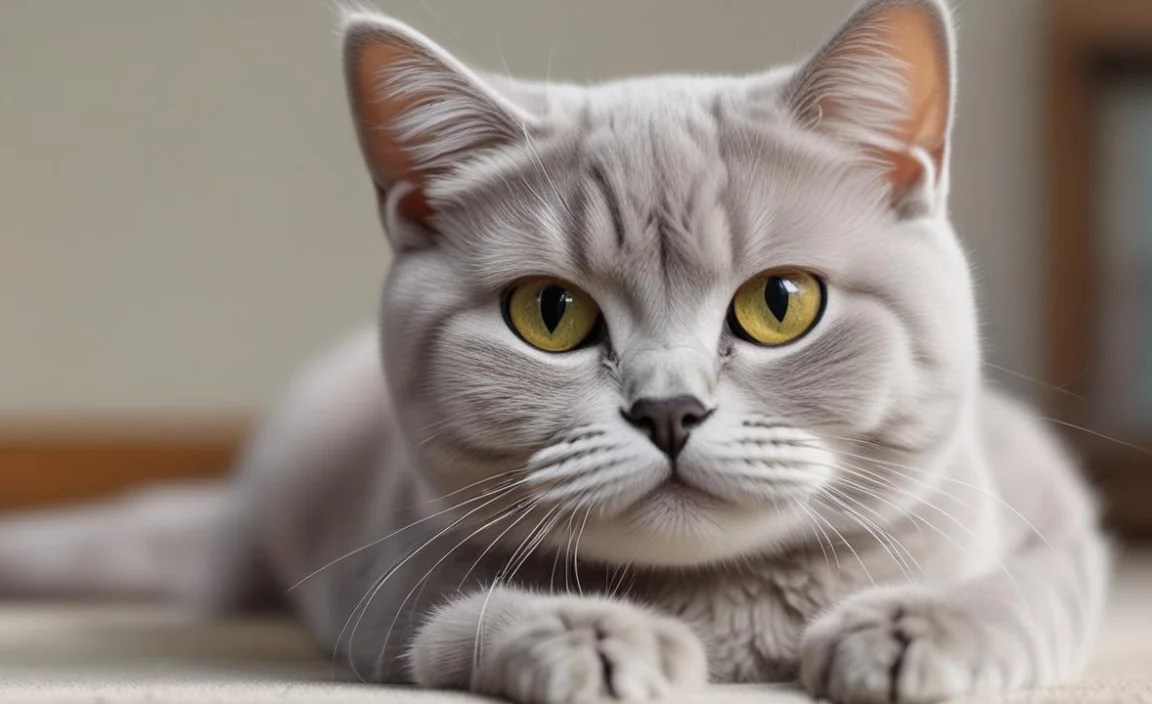
The key to a harmonious home is creating a positive environment where both your children and your British Shorthair can coexist peacefully. Here are some strategies to help achieve this.
Educate Your Children
Teaching your children how to interact with the cat is essential. Start by explaining the following rules:
- Be Gentle: No pulling tails, ears, or fur.
- Respect Boundaries: Do not chase or corner the cat.
- Quiet Voices: Avoid loud noises and shouting around the cat.
- Supervise Interactions: Always supervise young children when they are with the cat.
Make it clear to your children that the cat is a member of the family and should be treated with respect and kindness. You might even consider creating a set of “Cat Rules” together as a family, so everyone is on the same page.
Provide Safe Spaces for Your Cat
Your British Shorthair needs a safe place to retreat when they feel overwhelmed. This could be:
- A Quiet Room: A spare bedroom or office where they can relax undisturbed.
- A High Perch: A cat tree or shelf where they can observe from a safe distance.
- A Cozy Bed: A comfortable bed in a quiet corner.
Make sure the children know that these spaces are off-limits and that the cat should not be disturbed when they are in their safe zone.
Supervise Interactions
Always supervise interactions between your children and your British Shorthair, especially when the children are very young. This will allow you to intervene if the play becomes too rough or if the cat starts to show signs of stress.
Use Positive Reinforcement
Encourage positive interactions by rewarding gentle behavior. For example, if a child pets the cat gently, offer praise and a small treat (for the child!). Similarly, reward the cat for remaining calm and relaxed around the children. This helps to create positive associations and encourages good behavior.
Managing Playtime Effectively
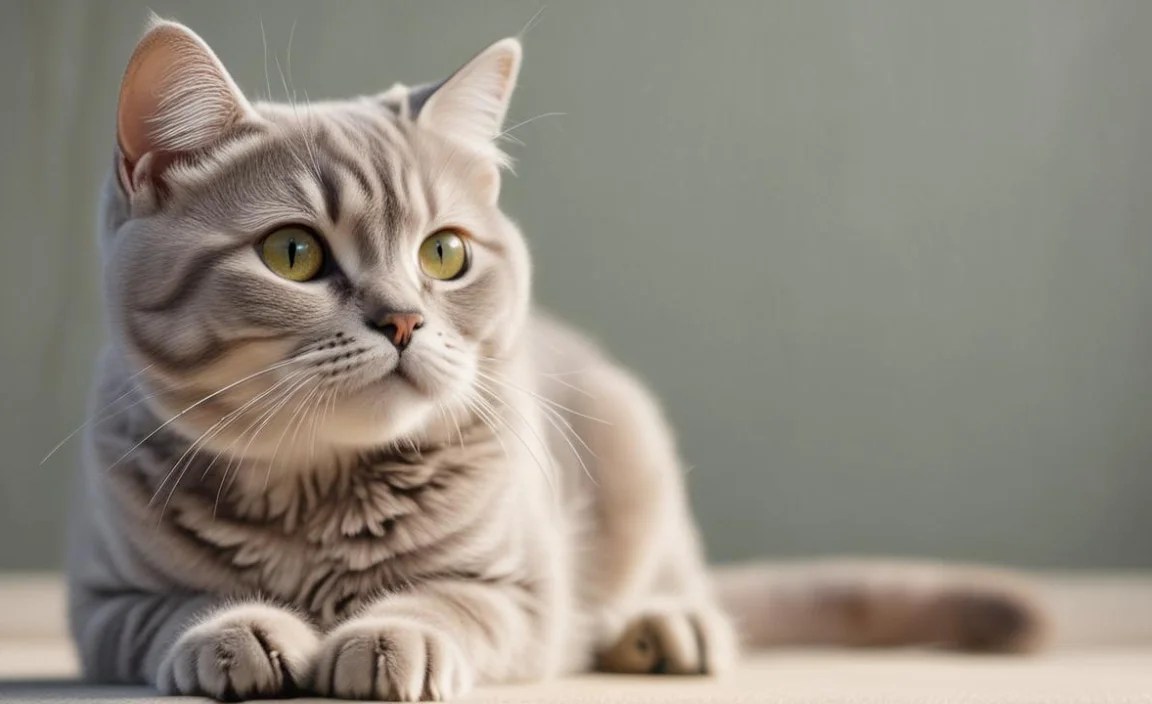
Playtime is an important part of a cat’s life, but it needs to be managed carefully when children are involved. Here are some tips for making playtime enjoyable and safe for everyone.
Controlled Play Sessions
Schedule specific playtime sessions where you can supervise the interaction between your children and your British Shorthair. Use toys that encourage gentle play, such as:
- Wand Toys: These allow the child to play with the cat from a safe distance.
- Soft Toys: Small, plush toys that the cat can bat and chase.
- Laser Pointers: Use these sparingly and always end the session by letting the cat “catch” a physical toy.
Avoid Rough Play
Discourage rough play, such as chasing, grabbing, or pulling. These types of interactions can be frightening for the cat and can lead to defensive behavior.
Teach Children to Recognize Cat Signals
Help your children learn to recognize the signs that the cat is enjoying the play and the signs that they are becoming stressed. This will allow them to adjust their behavior accordingly.
| Signal | Meaning | Action |
|---|---|---|
| Purring, relaxed posture, slow blinking | The cat is happy and relaxed. | Continue with gentle play. |
| Ears flattened, tail twitching, dilated pupils | The cat is becoming stressed or agitated. | Stop the play and give the cat space. |
| Hissing, swatting, biting | The cat feels threatened and is defending itself. | Immediately separate the child and the cat. |
Respect the Cat’s Limits
If the cat starts to show signs of stress, end the playtime session immediately. Don’t force the cat to interact if they are not comfortable. Respecting their limits will help to build trust and prevent negative associations.
Addressing Potential Problems
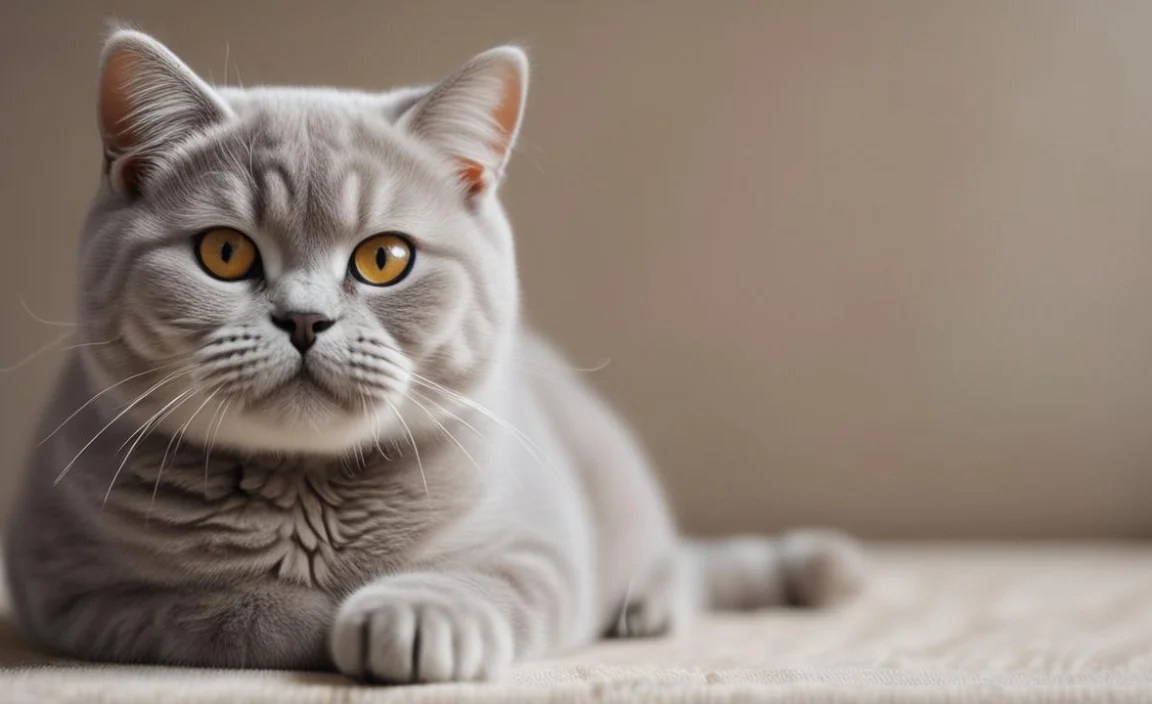
Even with the best planning, problems can sometimes arise. Here’s how to address some common issues.
Fearful Behavior
If your British Shorthair is showing signs of fear around children, take the following steps:
- Provide a Safe Retreat: Ensure the cat has access to a quiet, safe place where they can escape the noise and activity.
- Reduce Exposure: Gradually acclimate the cat to the children’s presence. Start by allowing them to be in the same room but not interact directly.
- Use Calming Aids: Consider using calming aids such as pheromone diffusers (like Feliway) or calming treats.
- Consult a Veterinarian: If the fear is severe or persistent, consult a veterinarian or a certified animal behaviorist.
Aggressive Behavior
Aggression is a serious issue that needs to be addressed immediately. If your British Shorthair is hissing, swatting, or biting, take the following steps:
- Separate the Cat and Children: Immediately separate the cat and children to prevent further incidents.
- Identify the Trigger: Try to determine what is triggering the aggression. Is it a specific type of play, a particular child, or a certain time of day?
- Consult a Professional: Seek the advice of a veterinarian or a certified animal behaviorist. Aggression can be a sign of underlying medical issues or behavioral problems that need professional treatment.
Jealousy
Sometimes, a cat may exhibit jealousy if they feel they are not getting enough attention. To address this:
- Ensure Adequate Attention: Make sure you are still giving your British Shorthair plenty of love and attention, even with the children around.
- Individual Playtime: Schedule individual playtime with the cat, away from the children.
- Positive Reinforcement: Reward the cat for calm and friendly behavior around the children.
The Importance of Early Socialization
Early socialization plays a crucial role in how well a British Shorthair adapts to living with children. Here’s why it’s so important and what you can do to help.
What is Socialization?
Socialization is the process of exposing a kitten to a variety of people, animals, and environments during their critical socialization period (typically between 2 and 16 weeks of age). This helps them to develop into well-adjusted and confident adults.
Benefits of Early Socialization
Early socialization can help your British Shorthair:
- Become More Tolerant: They are more likely to be tolerant of children and other animals.
- Develop Confidence: They are less likely to be fearful or anxious in new situations.
- Form Positive Associations: They are more likely to form positive associations with people and animals.
How to Socialize Your Kitten
If you have a British Shorthair kitten, here are some tips for socializing them with children:
- Controlled Exposure: Introduce the kitten to children in a controlled and supervised environment.
- Positive Interactions: Encourage gentle petting and play.
- Safe Retreat: Ensure the kitten has a safe place to retreat if they feel overwhelmed.
- Positive Reinforcement: Reward the kitten for calm and friendly behavior around children.
Remember, socialization is an ongoing process. Continue to expose your British Shorthair to positive experiences with children throughout their life.
Senior Cats and Children
As cats age, their tolerance levels may change. Here’s what to consider when you have senior British Shorthairs and children in the same home.
Understanding the Needs of Senior Cats
Senior cats often have different needs and sensitivities compared to younger cats. They may be:
- Less Tolerant: They may have a lower tolerance for noise and activity.
- More Sensitive: They may be more sensitive to being touched or handled.
- Slower to React: They may be slower to react to sudden movements or noises.
Adjusting Interactions
When you have senior cats and children, it’s important to adjust the interactions accordingly:
- Quieter Environment: Provide a quieter environment for the senior cat to relax.
- Gentle Handling: Teach children to be extra gentle when handling the senior cat.
- Respect Boundaries: Respect the cat’s boundaries and allow them to retreat when they need to.
Regular Health Checks
Regular veterinary check-ups are essential for senior cats. Health problems can sometimes cause changes in behavior, so it’s important to rule out any underlying medical issues. The Cornell Feline Health Center is a great resource for understanding senior cat health.
When to Seek Professional Help
While many issues can be resolved with simple adjustments and strategies, there are times when it’s necessary to seek professional help. Consider consulting a veterinarian or a certified animal behaviorist if:
- Aggression: Your British Shorthair is showing aggressive behavior towards children or other family members.
- Severe Anxiety: Your cat is exhibiting signs of severe anxiety, such as constant hiding, excessive vocalization, or destructive behavior.
- Sudden Changes in Behavior: Your cat’s behavior changes suddenly and significantly.
- You’ve Tried Everything: You’ve tried various strategies and are still struggling to create a harmonious environment.
A professional can help you identify the underlying causes of the problem and develop a tailored treatment plan.
Frequently Asked Questions
Here are some frequently asked questions about British Shorthairs and their reactions to children playing:
Are British Shorthairs good with children?
British Shorthairs are generally known for their calm and patient nature, which can make them good companions for children. However, it’s essential to supervise interactions and teach children to be gentle and respectful.
What if my British Shorthair hides from my children?
If your British Shorthair hides from your children, it’s a sign that they are feeling stressed or overwhelmed. Provide them with a safe and quiet space to retreat to, and gradually acclimate them to the children’s presence.
How can I teach my children to be gentle with our cat?
Teach your children to be gentle by explaining the importance of respecting the cat’s boundaries. Supervise interactions, and reward gentle behavior with praise and positive reinforcement.
Is it okay to let my children play rough with our British Shorthair?
No, it’s not okay to let children play rough with a British Shorthair. Rough play can be frightening for the cat and can lead to defensive behavior. Encourage gentle play with appropriate toys.
What are the signs that my cat is stressed around my children?
Signs of stress in cats include flattened ears, dilated pupils, a tucked tail, hissing, swatting, and hiding. If you notice these signs, separate the cat and children and provide the cat with a safe space to retreat to.
Can pheromone diffusers help my cat feel more comfortable around my children?
Yes, pheromone diffusers like Feliway can help to create a calming environment and reduce stress in cats. These diffusers release synthetic pheromones that mimic the natural pheromones produced by cats, which can help them feel more secure and relaxed.
What should I do if my British Shorthair bites my child?
If your British Shorthair bites your child, clean the wound thoroughly with soap and water and seek medical attention. Consult a veterinarian or a certified animal behaviorist to address the underlying cause of the biting behavior.
Conclusion
Understanding your British Shorthair’s reaction to children playing is crucial for creating a harmonious home environment. By educating your children, providing safe spaces for your cat, and managing playtime effectively, you can help ensure that everyone coexists peacefully and happily. Remember that every cat is an individual, and their reactions may vary. Be patient, observant, and always prioritize the well-being of both your children and your furry friend. With a little effort and understanding, you can create a loving and joyful home for everyone.


