
How Loyal Are British Shorthairs? Secret Revealed!

British Shorthairs are known for being moderately loyal cats. They form strong bonds with their families but are also independent. They enjoy affection but aren’t overly demanding, preferring to be near you rather than constantly in your lap. This makes them great companions for people who want a loving but not clingy cat.
Are you wondering if a British Shorthair is the right cat for you? Many people are drawn to their beautiful looks and calm personality. But it’s important to know about their loyalty and how they bond with their owners. Will they follow you around the house? Will they miss you when you’re gone? Understanding their behavior can help you decide if this breed fits your lifestyle.
In this article, I’ll explain how British Shorthairs show loyalty, what affects their bond with you, and how to build a strong relationship with your furry friend. Let’s explore the loyal nature of these wonderful cats!
Understanding British Shorthair Loyalty

British Shorthairs have a special way of showing they care. They might not be as clingy as some other breeds, but they form deep, lasting bonds with their families. Here’s what you need to know about their unique loyalty:
Independent But Affectionate
British Shorthairs are known for being independent cats. They don’t always need to be in your lap, but they love being close to you. They might sit next to you on the couch or follow you from room to room. This shows they enjoy your company without being overly demanding.
Subtle Signs of Loyalty
These cats show their loyalty in quiet ways. A gentle headbutt, a slow blink, or a soft purr are all signs that your British Shorthair loves and trusts you. They might also bring you their favorite toy or simply enjoy being in the same room as you.
Not Overly Clingy
If you want a cat that’s always by your side, a British Shorthair might not be the best choice. They don’t usually suffer from separation anxiety and are okay with being left alone for a while. This makes them great for people who work or have busy lives.
Factors Influencing Loyalty in British Shorthairs

Several things can affect how loyal your British Shorthair becomes. From their early experiences to how you treat them, here’s what influences their bond with you:
Early Socialization
How a kitten is raised can make a big difference. Kittens that are handled and played with from a young age tend to be more friendly and trusting. According to the RSPCA, early socialization helps kittens grow into well-adjusted adults.
Consistent Care
Providing regular care, like feeding, grooming, and vet checkups, helps build trust. When your cat knows you’re there to take care of them, they feel more secure and loved. Consistent care shows them you’re a reliable part of their life.
Positive Interactions
Positive experiences, like playtime and gentle petting, strengthen your bond. Avoid scolding or punishing your cat, as this can create fear and distance. The Cornell Feline Health Center emphasizes that positive reinforcement is the best way to build a strong relationship with your cat.
Respecting Boundaries
British Shorthairs value their independence. Respecting their space and not forcing affection is important. Let them come to you for attention. This shows them you respect their needs and makes them more likely to trust you.
How to Strengthen Your Bond

Building a strong bond with your British Shorthair involves understanding their needs and showing them love in ways they understand. Here’s how to deepen your relationship:
Spend Quality Time
Even if they’re independent, British Shorthairs enjoy spending time with you. Set aside time each day to play, groom, or simply sit near your cat. This helps them feel connected to you.
Play Interactive Games
Engage your cat with toys they love, like feather wands or laser pointers. Interactive play is a great way to bond and provide exercise. It also helps satisfy their hunting instincts.
Gentle Grooming
Regular grooming not only keeps their coat healthy but also provides a chance for bonding. Most British Shorthairs enjoy being brushed, especially if you start when they’re young. Use a soft brush and be gentle.
Create a Safe Environment
Make sure your home is a safe and comfortable place for your cat. Provide them with a cozy bed, scratching posts, and plenty of toys. A secure environment helps them feel relaxed and happy.
Communicate with Your Cat
Pay attention to your cat’s body language. Learn to recognize when they want attention and when they want to be left alone. Responding to their cues helps build trust and understanding.
Comparing Loyalty: British Shorthairs vs. Other Breeds

Every cat breed has its own unique personality. Here’s how British Shorthairs compare to other popular breeds in terms of loyalty:
| Breed | Loyalty Level | Description |
|---|---|---|
| British Shorthair | Moderate | Independent but affectionate; enjoys company without being clingy. |
| Siamese | High | Very attached to their owners; known for being vocal and demanding attention. |
| Maine Coon | High | Friendly and sociable; often called “gentle giants” due to their affectionate nature. |
| Ragdoll | High | Extremely docile and loving; known for going limp when held, hence the name “Ragdoll.” |
| Persian | Moderate | Calm and gentle; enjoys affection but can also be independent. |
Siamese
Siamese cats are known for being extremely loyal and attached to their owners. They often follow their favorite person around the house and can become distressed when left alone. If you want a cat that’s always by your side, a Siamese might be a good choice.
Maine Coon
Maine Coons are friendly and sociable cats that form strong bonds with their families. They’re often called “gentle giants” because of their affectionate nature. They enjoy playing with children and other pets, making them great family cats.
Ragdoll
Ragdolls are known for being docile and loving cats. They get their name from their tendency to go limp when held. They’re very affectionate and enjoy being cuddled, making them great companions for people who want a lap cat.
Persian
Persian cats are calm and gentle, enjoying affection but also valuing their independence. They’re not as demanding as some other breeds but still form strong bonds with their owners. They enjoy a quiet environment and regular grooming.
Managing Expectations
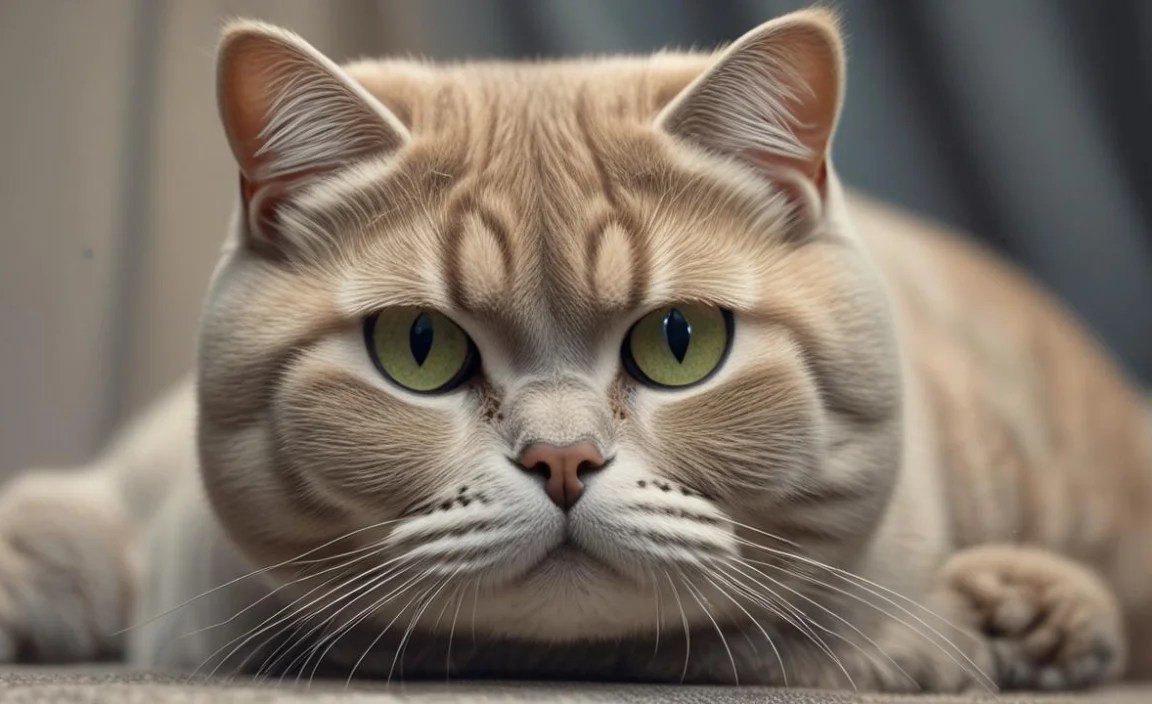
It’s important to have realistic expectations when it comes to your British Shorthair’s loyalty. Understanding their personality can help you build a happy and fulfilling relationship.
They’re Not Dogs
Cats and dogs show affection in different ways. Don’t expect your British Shorthair to greet you at the door or follow commands like a dog. They have their own unique way of showing they care.
Respect Their Independence
British Shorthairs need their space. Don’t force them to cuddle if they don’t want to. Let them come to you for attention. This helps them feel secure and in control.
Be Patient
Building a strong bond takes time. Be patient and consistent in your interactions with your cat. Over time, they’ll learn to trust and love you.
Common Misconceptions
There are a few common myths about British Shorthairs and their loyalty. Let’s clear up some misunderstandings:
Myth: They Don’t Like Attention
While they’re not as demanding as some breeds, British Shorthairs do enjoy attention. They just prefer it on their own terms. They might not always want to be picked up, but they appreciate a gentle scratch behind the ears or a quiet moment by your side.
Myth: They’re Aloof and Unfriendly
British Shorthairs are often described as reserved, but this doesn’t mean they’re unfriendly. They simply take their time to warm up to new people. Once they trust you, they’re affectionate and loving companions.
Myth: They Don’t Need Companionship
While they’re independent, British Shorthairs still benefit from companionship. They can get lonely if left alone for long periods. Providing them with toys, scratching posts, and regular interaction can help keep them happy and stimulated. According to Purina, cats need both physical and mental stimulation to thrive.
The Senior British Shorthair
As your British Shorthair gets older, their needs and behaviors may change. Here’s what to expect as they age:
Changes in Affection
Some senior cats become more affectionate as they age, seeking out more cuddles and attention. Others may become more withdrawn. Pay attention to your cat’s cues and adjust your interactions accordingly.
Health Considerations
Senior cats are more prone to health issues, such as arthritis and kidney disease. These conditions can affect their behavior and mobility. Regular vet checkups are essential to keep them comfortable and healthy.
Adjusting Their Environment
Make sure your senior cat has easy access to food, water, and the litter box. Provide them with a soft, comfortable bed in a quiet location. Consider adding ramps or steps to help them reach their favorite spots.
Practical Tips for a Happy British Shorthair
Here are some practical tips to ensure your British Shorthair lives a happy and fulfilling life:
- Provide a balanced diet: Feed your cat high-quality food that meets their nutritional needs.
- Regular vet checkups: Schedule annual vet visits to catch any health issues early.
- Grooming: Brush your cat regularly to keep their coat healthy and prevent mats.
- Mental stimulation: Provide toys, scratching posts, and interactive play to keep them entertained.
- Safe environment: Make sure your home is free of hazards and provides a comfortable space for your cat.
British Shorthair Loyalty: A Recap
Let’s recap the key points about British Shorthair loyalty:
- Moderate Loyalty: They form strong bonds but are also independent.
- Subtle Affection: They show love in quiet ways, like purring and headbutting.
- Consistent Care: Regular care and positive interactions strengthen your bond.
- Respect Boundaries: Give them space and let them come to you for attention.
- Patient Approach: Building a strong relationship takes time and patience.
By understanding their unique personality and providing them with love and care, you can enjoy a long and happy relationship with your British Shorthair.
FAQ About British Shorthair Loyalty
Are British Shorthairs affectionate cats?
Yes, British Shorthairs are affectionate but in their own way. They are not overly clingy but enjoy being near their owners. They show affection through purring, slow blinks, and gentle headbutts.
Do British Shorthairs get attached to their owners?
Yes, they do get attached. They form strong bonds with their families and enjoy spending time with them, even if they are not always in your lap.
Are British Shorthairs good lap cats?
Not always. Some British Shorthairs enjoy sitting on laps, but many prefer to sit next to you or nearby. They value their independence and may not always want to be held.
How do I know if my British Shorthair loves me?
Your British Shorthair shows love by being near you, purring, slow blinking, and gentle headbutts. They may also bring you toys or simply enjoy being in the same room as you.
Can British Shorthairs be left alone?
Yes, they can be left alone for reasonable periods. They are independent cats and don’t typically suffer from separation anxiety. However, they still need companionship and attention, so don’t leave them alone for too long.
Do British Shorthairs get jealous?
While cats don’t experience jealousy in the same way as humans, they can feel insecure or stressed if they perceive a threat to their resources or attention. Ensure your British Shorthair feels secure and loved, especially when introducing new pets or people.
How can I make my British Shorthair more affectionate?
To make your British Shorthair more affectionate, provide consistent care, positive interactions, and respect their boundaries. Spend quality time with them, play interactive games, and offer gentle grooming. Over time, they will become more comfortable and affectionate with you.
Conclusion
British Shorthairs offer a unique kind of loyalty. They might not be as demanding as some breeds, but their quiet affection and steady companionship make them wonderful pets. By understanding their independent nature and providing them with consistent care and love, you can build a strong, lasting bond. Remember to respect their boundaries, offer plenty of playtime, and create a safe, comfortable home. With patience and understanding, your British Shorthair will show you just how much they care in their own special way. Enjoy the journey of getting to know your feline friend, and cherish the subtle signs of love they share with you every day.


