
Emotional Intelligence in British Shorthairs: Secret Powers?

Quick Summary:
British Shorthairs are known for their calm and affectionate nature, but do they understand our feelings? Yes, to some extent! While they may not grasp emotions as deeply as humans, they can definitely pick up on cues like your tone of voice and body language. They use these cues to adapt their behavior and interact with you in a way that shows they care. Learning to understand your British Shorthair’s subtle signals will deepen your bond and create a happier home for both of you.
Have you ever felt like your British Shorthair knew exactly when you were feeling down? These fluffy companions have a knack for providing comfort, and it’s more than just coincidence. While they might not understand the complexities of human emotions, they are surprisingly perceptive animals. Understanding how your British Shorthair perceives and responds to emotions can greatly improve your relationship.
This article will guide you through the fascinating world of emotional intelligence in British Shorthairs. We’ll explore how they perceive emotions, the signals they use to communicate, and how you can strengthen your bond through understanding. Get ready to unlock a deeper connection with your feline friend!
Understanding Emotional Intelligence in Cats

Emotional intelligence (EQ) refers to the ability to understand, use, and manage emotions – both our own and those of others. While we often associate EQ with humans, animals, including cats, exhibit forms of emotional awareness.
What Does Emotional Intelligence Look Like in British Shorthairs?
In British Shorthairs, emotional intelligence manifests in several ways:
- Recognizing Human Emotions: They can distinguish between happy, sad, or angry tones of voice and body language.
- Responding to Emotions: They might offer comfort when you’re sad or become playful when you’re happy.
- Expressing Their Own Emotions: They communicate their feelings through vocalizations, body posture, and facial expressions.
- Social Awareness: They can understand social cues from other cats and even humans.
Decoding Your British Shorthair’s Emotional Signals

British Shorthairs communicate in subtle ways. Learning to recognize these signals will help you understand their emotional state and respond appropriately.
Body Language: The Silent Language of Cats
A cat’s posture, tail movements, and ear position can reveal a lot about their feelings.
- Relaxed: A relaxed cat will have a loose posture, a gently swaying tail, and forward-facing ears.
- Anxious or Scared: An anxious cat might crouch low to the ground, tuck their tail between their legs, and flatten their ears.
- Playful: A playful cat will have a bouncy gait, an upright tail with a slight curve, and dilated pupils.
- Aggressive: An aggressive cat might arch their back, puff up their fur, and twitch their tail.
Vocalizations: More Than Just Meows
British Shorthairs use a variety of vocalizations to communicate their needs and feelings.
- Purring: Often indicates contentment, but can also be a sign of self-soothing when stressed.
- Meowing: Used to get your attention or express a need, such as hunger or wanting to play.
- Hissing: A clear sign of fear or aggression.
- Growling: A warning to back off.
- Chirping or Trilling: Often used when hunting or watching birds, expressing excitement and focus.
Facial Expressions: Subtle Clues to Their Mood
While not as expressive as human faces, cats use subtle facial cues to communicate.
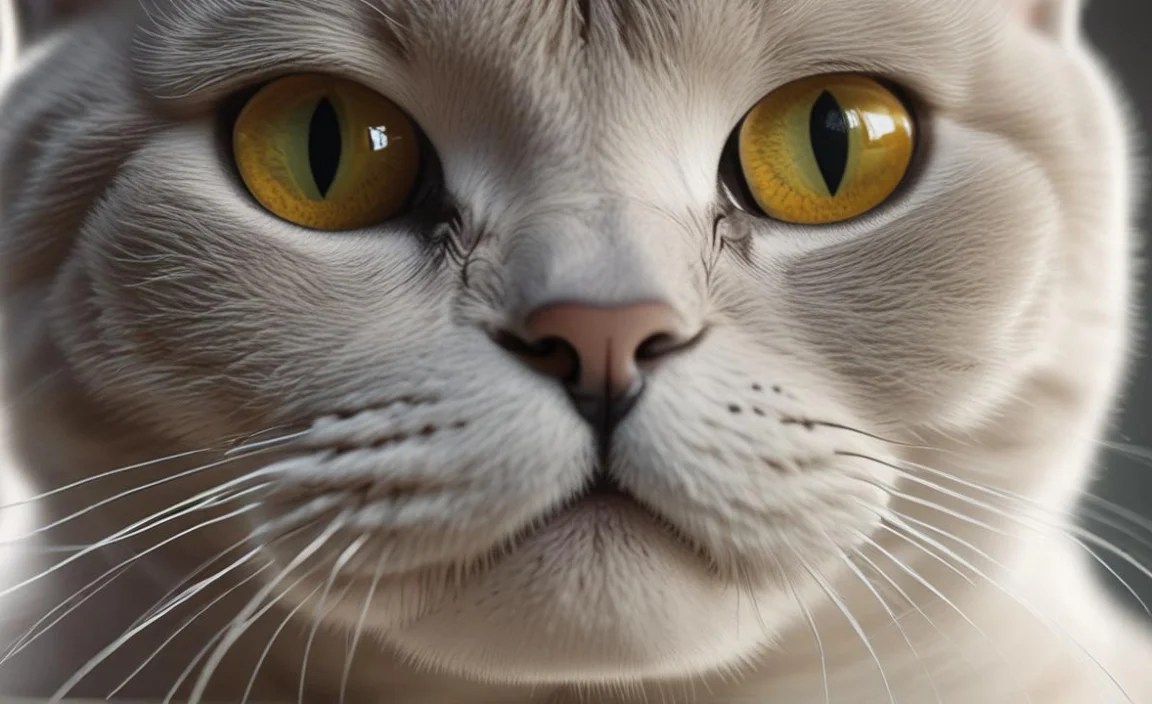
- Eyes: Slow blinks indicate trust and affection. Wide eyes can signal fear or surprise. Constricted pupils might suggest aggression.
- Ears: Forward-facing ears show alertness and interest. Flattened ears indicate fear or aggression.
- Whiskers: Relaxed whiskers point forward or slightly to the side. Tense whiskers are pulled back against the face.
How British Shorthairs Perceive Human Emotions

While cats don’t experience emotions in the same way humans do, they are adept at reading our emotional cues.
Sensitivity to Tone of Voice
British Shorthairs are very sensitive to the tone of your voice. A happy, gentle tone will make them feel safe and secure. A harsh or angry tone can cause them to become anxious or fearful.
Reading Body Language
They also pick up on your body language. A relaxed posture and gentle movements will reassure them. Tense muscles, rapid movements, or crossed arms can make them feel uneasy. Studies have shown that cats respond to human gestures and facial expressions, suggesting they are capable of understanding human emotional states to some extent [Source: Purina].
Responding to Emotional States
Many owners report that their British Shorthairs seem to know when they’re feeling down. They might offer extra cuddles, purr more loudly, or simply stay close by to provide comfort. This empathetic behavior suggests that they are capable of recognizing and responding to human emotions.
Building a Stronger Bond Through Emotional Understanding

By understanding your British Shorthair’s emotional signals and how they perceive your emotions, you can strengthen your bond and create a more harmonious relationship.
Creating a Safe and Secure Environment
A stable and predictable environment is crucial for a cat’s emotional well-being. Provide a safe space where they can retreat when they feel overwhelmed or anxious. This could be a cozy bed, a high perch, or a quiet room.
Responding to Their Needs
Pay attention to your cat’s signals and respond to their needs promptly. If they’re meowing at the food bowl, it’s likely they’re hungry. If they’re hiding, they might be scared or stressed. Addressing their needs will help them feel secure and loved.
Using Positive Reinforcement
Positive reinforcement is a powerful tool for building a strong bond with your British Shorthair. Reward them with treats, praise, or affection when they exhibit desired behaviors. This will help them associate you with positive experiences and strengthen your relationship.
Avoiding Punishment
Punishment can damage your relationship with your cat and create fear and anxiety. Instead of punishing them for unwanted behaviors, try to redirect their attention or remove the stimulus that’s causing the behavior. For example, if your cat is scratching the furniture, provide them with a scratching post and reward them when they use it.
Practical Tips for Enhancing Emotional Connection
Here are some practical tips to help you better connect with your British Shorthair on an emotional level:
- Spend Quality Time Together: Dedicate time each day to play, cuddle, or simply sit with your cat.
- Learn Their Preferences: Pay attention to what your cat enjoys and incorporate those activities into your routine. Do they love being brushed? Do they prefer interactive toys?
- Talk to Your Cat: Even though they may not understand every word, talking to your cat in a gentle, soothing voice can be very comforting.
- Observe Their Behavior: Pay close attention to their body language, vocalizations, and facial expressions to gain a better understanding of their emotional state.
- Be Patient: Building a strong emotional connection takes time and patience. Don’t get discouraged if you don’t see results immediately.
Common Misconceptions About Cat Emotions
It’s important to dispel some common misconceptions about cat emotions to better understand your British Shorthair.
Myth: Cats are Aloof and Uncaring
Reality: While cats may not be as overtly affectionate as dogs, they are capable of forming strong bonds with their owners. They show affection in subtle ways, such as rubbing against your legs, purring, or bringing you “gifts.”
Myth: Cats Don’t Experience Emotions Like Humans
Reality: Cats experience a range of emotions, including joy, fear, sadness, and anger. However, their emotional experiences may be different from ours. They might not experience complex emotions like guilt or shame.
Myth: Cats Only Care About Food
Reality: While food is certainly important to cats, they also crave companionship, play, and affection. They enjoy spending time with their owners and can become lonely or depressed if left alone for long periods.
Addressing Behavioral Issues Related to Emotions
Sometimes, emotional distress can manifest as behavioral problems in British Shorthairs. Understanding the root cause of these issues is crucial for addressing them effectively.
Common Behavioral Issues
- Aggression: Can be caused by fear, pain, or territoriality.
- Destructive Behavior: Often a sign of boredom or anxiety.
- Inappropriate Elimination: Can be caused by stress, medical issues, or litter box aversion.
- Excessive Vocalization: May indicate a medical problem, anxiety, or attention-seeking behavior.
Seeking Professional Help
If you’re struggling to address behavioral issues on your own, don’t hesitate to seek professional help. A veterinarian or certified cat behaviorist can help you identify the underlying cause of the problem and develop a treatment plan. Resources like the RSPCA can provide guidance and support.
The Role of Breed in Emotional Expression
While individual personalities vary, certain breeds are known for specific emotional traits. British Shorthairs, in particular, are often described as calm, gentle, and affectionate.
British Shorthairs: Gentle Giants
British Shorthairs are known for their laid-back and easygoing personalities. They are typically very affectionate with their owners and enjoy spending time with them. They are also known for being good with children and other pets, making them an ideal family companion.
Comparing to Other Breeds
Compared to more active and vocal breeds, British Shorthairs tend to be quieter and more reserved in their emotional expressions. However, this doesn’t mean they are less emotional. They simply express their feelings in a more subtle way. For example, a Siamese might vocalize loudly when they’re happy, while a British Shorthair might simply purr contentedly on your lap.
Creating an Emotionally Supportive Home
Your home environment plays a crucial role in your British Shorthair’s emotional well-being. Here’s how to create a supportive and enriching space for your feline friend:
Enrichment Activities
- Interactive Toys: Provide toys that stimulate their hunting instincts, such as puzzle feeders, feather wands, or laser pointers.
- Scratching Posts: Offer a variety of scratching surfaces to satisfy their natural scratching behavior and prevent them from scratching furniture.
- Climbing Structures: Cats enjoy climbing and exploring vertical spaces. Provide cat trees or shelves to allow them to climb and observe their surroundings.
- Window Perches: Cats love watching the world go by. Provide a comfortable window perch where they can bask in the sun and observe birds and other wildlife.
Stress Reduction Techniques
- Feliway Diffusers: Feliway is a synthetic pheromone that mimics the natural pheromones produced by cats. It can help reduce stress and anxiety in cats, particularly in multi-cat households or during times of change.
- Calming Music: Some cats find calming music to be very soothing. There are even specially designed playlists for cats available on streaming services.
- Consistent Routine: Cats thrive on routine. Try to feed them, play with them, and clean their litter box at the same time each day.
Emotional Intelligence Through the Lifespan
A British Shorthair’s emotional needs and expressions will evolve as they age. Understanding these changes will help you provide the best possible care throughout their life.
Kittens
Kittens are highly impressionable and learn a lot about emotions from their mother and littermates. Socialization during kittenhood is crucial for developing their emotional intelligence and helping them become well-adjusted adults. Expose them to a variety of people, places, and experiences in a safe and positive way.
Adult Cats
Adult cats have established emotional patterns and preferences. They are more independent but still crave companionship and affection. Continue to provide them with enrichment activities and respond to their emotional needs.
Senior Cats
Senior cats may experience cognitive decline and changes in their emotional responses. They may become more anxious, confused, or withdrawn. Be patient and understanding, and provide them with extra comfort and support. Regular vet checkups are essential to address any underlying medical conditions that may be contributing to their emotional state.
Recognizing Signs of Emotional Distress
It’s important to be able to recognize the signs of emotional distress in your British Shorthair so you can take steps to help them.
- Hiding: A cat who is suddenly hiding more than usual may be feeling scared, anxious, or unwell.
- Loss of Appetite: Stress or anxiety can cause a cat to lose their appetite.
- Changes in Litter Box Habits: Inappropriate urination or defecation can be a sign of stress or a medical problem.
- Excessive Grooming: Over-grooming can be a coping mechanism for stress or anxiety.
- Increased Vocalization: Excessive meowing or crying can indicate distress.
Table: Emotional Cues and Their Meanings
| Cue | Possible Meaning | Action to Take |
|---|---|---|
| Flattened Ears | Fear, Aggression | Remove the source of stress, provide a safe space |
| Slow Blink | Affection, Trust | Blink slowly back to show affection |
| Hissing | Fear, Warning | Give the cat space, identify and remove the threat |
| Purring | Contentment, Sometimes Self-Soothing | Continue providing comfort and security |
| Tail Twitching | Excitement, Irritation | Observe other cues to determine the specific emotion |
| Hiding | Fear, Sickness | Provide a quiet space, consult a vet if it persists |
FAQ About Emotional Intelligence in British Shorthairs
Do British Shorthairs feel emotions like humans?
While they don’t experience emotions in the same complex way we do, British Shorthairs definitely feel emotions such as happiness, sadness, fear, and anger. They express these emotions through their body language and behavior.
How can I tell if my British Shorthair is happy?
A happy British Shorthair will often purr, knead their paws, rub against you, and have relaxed body language. They may also play and interact with you more.
What are the signs of stress in British Shorthairs?
Signs of stress include hiding, loss of appetite, changes in litter box habits, excessive grooming, and increased vocalization. If you notice these signs, try to identify and remove the source of stress.
Can my British Shorthair sense my emotions?
Yes, British Shorthairs are very perceptive and can pick up on your emotions through your tone of voice, body language, and facial expressions. They may respond by offering comfort or becoming withdrawn.
How can I help my British Shorthair feel more secure?
Provide a safe and predictable environment, respond to their needs promptly, use positive reinforcement, and avoid punishment. Spend quality time with them and create a strong bond based on trust and affection.
Is it normal for my British Shorthair to be aloof sometimes?
Yes, British Shorthairs are known for being independent and may not always be overly affectionate. However, they still crave companionship and affection, and it’s important to respect their boundaries while providing them with the love and attention they need.
Should I be worried if my British Shorthair suddenly becomes aggressive?
Sudden aggression can be a sign of a medical problem or underlying emotional distress. Consult a veterinarian to rule out any medical causes and seek help from a certified cat behaviorist to address any behavioral issues.
Conclusion
Understanding the emotional intelligence of your British Shorthair is key to building a loving and fulfilling relationship. By learning to recognize their signals, responding to their needs, and creating a supportive environment, you can strengthen your bond and enjoy many happy years together. Remember that every cat is an individual, and it takes time and patience to truly understand their unique personality and emotional expression. Embrace the journey, and you’ll be rewarded with the unconditional love and companionship of your British Shorthair friend.


