
British Shorthair Playful Energy in Adulthood: Secret?

Quick Summary: Yes, British Shorthairs retain playful energy as adults! While they’re known for their calm demeanor, regular play is crucial for their physical and mental well-being. Adult British Shorthairs enjoy interactive games, puzzle toys, and short bursts of activity. Understanding their individual preferences and providing consistent playtime will keep your British Shorthair happy and healthy throughout their adult years.
Is your British Shorthair growing up, and you’re wondering if the playful kitten days are over? Many people think British Shorthairs become couch potatoes as adults, but that’s not entirely true! While they aren’t as hyperactive as some breeds, they still need and enjoy playtime. It’s all about understanding how their energy levels and play styles change as they mature. Don’t worry; keeping your adult British Shorthair entertained and active is easier than you think. Let’s explore how to nurture their playful side.
Understanding Playful Energy in Adult British Shorthairs

British Shorthairs are known for their laid-back and affectionate personalities. However, it’s a misconception that they completely lose their playful energy as they mature. While they might not be bouncing off the walls like kittens, adult British Shorthairs still benefit greatly from regular play. The key is to understand how their playfulness evolves and what types of activities they enjoy most.
Why Play is Important for Adult Cats
Play isn’t just fun; it’s essential for your cat’s well-being. According to the RSPCA, regular play helps cats stay physically fit, mentally stimulated, and emotionally balanced. Here’s a closer look at the benefits:
- Physical Health: Play helps maintain a healthy weight and muscle tone, reducing the risk of obesity-related health problems.
- Mental Stimulation: Interactive play keeps their minds sharp and prevents boredom, which can lead to destructive behaviors.
- Emotional Well-being: Play provides an outlet for natural hunting instincts, reducing stress and anxiety.
- Bonding: Playtime strengthens the bond between you and your cat, fostering a loving and trusting relationship.
Recognizing Playful Behavior in Your Adult British Shorthair
Adult British Shorthairs show their playful energy in different ways than kittens. Here are some common signs to watch for:
- Chasing Toys: Even if they don’t pounce as high, they still enjoy chasing toys like feather wands or laser pointers.
- batting at objects: You might see them batting at dangling toys or small objects on the floor.
- Hunting Behavior: Stalking, pouncing, and “capturing” toys are all signs of their natural hunting instincts at play.
- Zoomies: Short bursts of energy, often called “zoomies,” can occur, usually followed by a nap.
- Playful Vocalizations: Some cats make chirping or meowing sounds during play.
Creating a Playful Environment
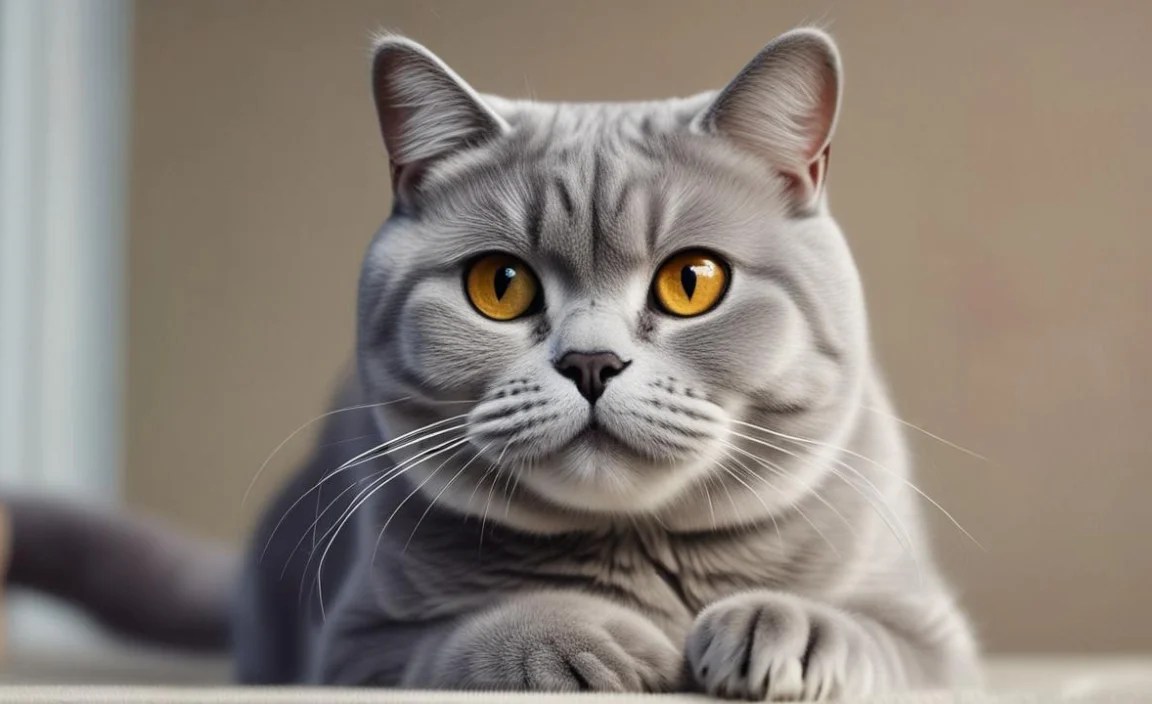
To encourage your British Shorthair’s playful side, you need to create an environment that stimulates their curiosity and provides opportunities for activity. Here’s how:
Providing the Right Toys
Not all toys are created equal. It’s important to choose toys that cater to your cat’s individual preferences. Rotate toys regularly to keep things interesting. According to the Cornell Feline Health Center, variety is key to keeping cats engaged.
- Interactive Toys: Feather wands, laser pointers (use with caution, avoid shining in their eyes), and fishing pole toys are great for interactive play.
- Puzzle Toys: These toys challenge your cat to solve a puzzle to get a treat, providing mental stimulation.
- Self-Play Toys: Toys like balls with bells, toy mice, and kickeroo toys allow your cat to play independently.
- Catnip Toys: Many cats enjoy catnip, which can make playtime more exciting.
Designing a Cat-Friendly Space
Your home should be a stimulating and safe environment for your cat. Consider adding these features:
- Climbing Structures: Cat trees, shelves, and window perches allow your cat to climb and explore, satisfying their natural instincts.
- Scratching Posts: Provide vertical and horizontal scratching surfaces to encourage healthy scratching behavior.
- Hiding Places: Cats feel secure when they have places to hide, such as cardboard boxes, cat caves, or tunnels.
- Window Views: Cats love to watch the outside world, so make sure they have access to windows with comfortable perches.
Rotating Toys and Activities
Cats can get bored easily, so it’s important to keep their environment fresh and exciting. Rotate toys regularly, introducing new ones and putting old ones away for a while. This will help maintain their interest and prevent boredom.
Interactive Play Sessions: A Step-by-Step Guide
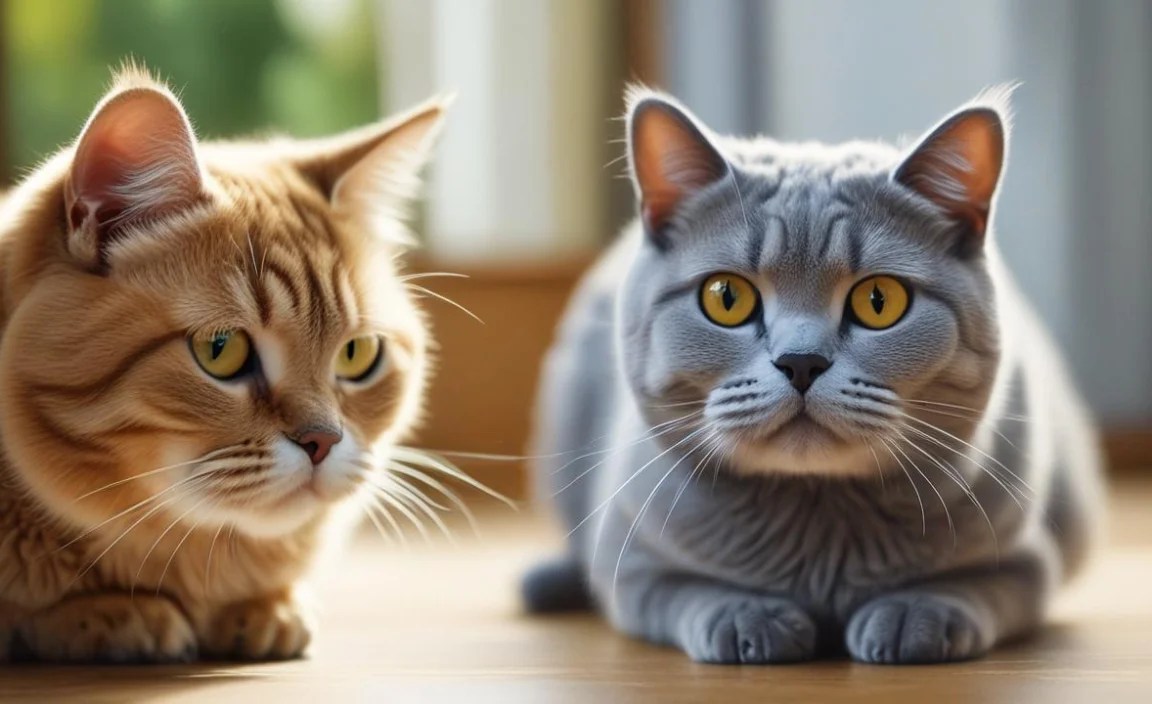
Interactive play sessions are crucial for keeping your adult British Shorthair engaged and happy. Here’s a step-by-step guide to make the most of playtime:
Step 1: Choose the Right Time
Observe your cat’s behavior to determine when they are most receptive to play. Many cats are more active in the morning and evening. Avoid trying to play when your cat is sleeping or eating.
Step 2: Select a Toy
Choose a toy that your cat enjoys. If you’re not sure, try a few different toys and see which one sparks their interest. Feather wands and laser pointers are often popular choices.
Step 3: Start Slowly
Begin with gentle movements to pique your cat’s interest. Tease the toy around them, mimicking the movements of prey. Let them stalk and pounce occasionally to satisfy their hunting instincts.
Step 4: Vary the Play Style
Keep the play session engaging by varying the speed and intensity. Sometimes move the toy quickly to encourage chasing, and other times move it slowly to simulate stalking. Change directions and levels to keep them guessing.
Step 5: Let Them “Catch” the Prey
It’s important to let your cat “catch” the toy at the end of the play session. This allows them to experience the satisfaction of a successful hunt. After they catch the toy, give them praise and affection.
Step 6: End on a Positive Note
Conclude the play session before your cat loses interest. This will leave them wanting more and make them more likely to participate in future play sessions. Put the toy away after the session to keep it special.
Sample Play Session Schedule
Here’s a sample schedule for incorporating play into your British Shorthair’s daily routine:
| Time | Activity | Duration |
|---|---|---|
| Morning (7:00 AM) | Interactive Play with Feather Wand | 10-15 minutes |
| Afternoon (3:00 PM) | Puzzle Toy with Treats | 30 minutes |
| Evening (8:00 PM) | Laser Pointer Chase | 10-15 minutes |
Addressing Common Challenges
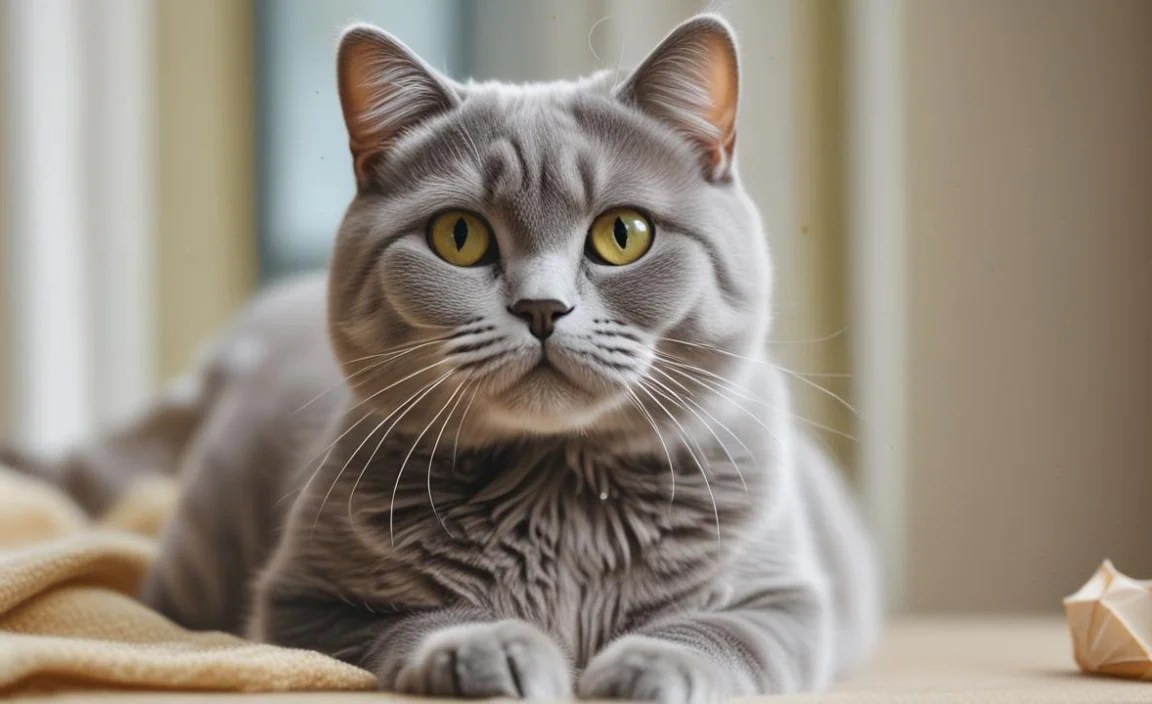
Sometimes, encouraging your adult British Shorthair to play can be challenging. Here are some common issues and how to address them:
Lack of Interest
If your cat seems uninterested in playing, try different toys and play styles. It may take some experimentation to find what they enjoy. You can also try playing at different times of the day or when they are more alert. Catnip toys can also help to spark interest.
Physical Limitations
Older cats may have physical limitations that make it difficult to play. Adjust the play style to accommodate their needs. Use gentle movements and avoid activities that could strain their joints. Shorter, more frequent play sessions may be more manageable.
Fear or Anxiety
If your cat is fearful or anxious, they may be hesitant to play. Create a safe and comfortable environment and introduce play gradually. Start with quiet, gentle activities and avoid sudden movements or loud noises. Patience and reassurance are key.
Signs of Overstimulation
Cats can become overstimulated during play, leading to biting or scratching. Watch for signs of overstimulation, such as dilated pupils, twitching tail, or flattened ears. If you notice these signs, stop the play session immediately and give your cat space.
The Role of Diet and Exercise

A healthy diet and regular exercise are essential for maintaining your British Shorthair’s playful energy. Here’s how to ensure they get the nutrition and activity they need:
Choosing the Right Food
Feed your cat a high-quality diet that is appropriate for their age and activity level. Look for foods that are rich in protein and low in carbohydrates. Consult with your veterinarian to determine the best diet for your cat’s individual needs. According to Purina, a balanced diet is crucial for overall health and energy levels.
Maintaining a Healthy Weight
Obesity can reduce your cat’s energy levels and make it difficult for them to play. Monitor their weight and adjust their food intake as needed. Regular play sessions can also help them maintain a healthy weight. If you’re concerned about your cat’s weight, talk to your veterinarian.
Encouraging Physical Activity
In addition to interactive play, encourage your cat to be active throughout the day. Provide climbing structures, scratching posts, and plenty of toys to keep them entertained. You can also try hiding treats around the house to encourage them to explore and hunt.
Long-Term Benefits of Play
Making play a regular part of your British Shorthair’s life has numerous long-term benefits. Here are some of the key advantages:
- Improved Physical Health: Regular play helps maintain a healthy weight, muscle tone, and cardiovascular health.
- Enhanced Mental Well-being: Play keeps their minds sharp and prevents boredom, reducing the risk of cognitive decline.
- Stronger Bond: Playtime strengthens the bond between you and your cat, fostering a loving and trusting relationship.
- Reduced Behavioral Problems: Play provides an outlet for natural instincts, reducing the likelihood of destructive behaviors.
- Increased Longevity: A healthy and happy cat is more likely to live a long and fulfilling life.
British Shorthair Play: Dos and Don’ts
Here’s a quick reference table summarizing the best practices for encouraging play in your British Shorthair:
| Do | Don’t |
|---|---|
| Offer a variety of toys. | Force your cat to play if they’re not interested. |
| Rotate toys regularly to keep them interesting. | Use toys that could be dangerous (e.g., small parts that could be swallowed). |
| Play at different times of the day. | Overstimulate your cat. |
| Let your cat “catch” the prey. | Shine laser pointers directly into their eyes. |
| End play sessions on a positive note. | Punish your cat for biting or scratching during play. |
FAQ About British Shorthair Playfulness
Here are some frequently asked questions about keeping your British Shorthair playful in adulthood:
- Do British Shorthairs like to play?
- Yes, British Shorthairs enjoy playing, although they might not be as energetic as some other breeds. They benefit from regular play sessions to stay physically and mentally stimulated.
- What kind of toys do British Shorthairs like?
- British Shorthairs often enjoy interactive toys like feather wands, puzzle toys that dispense treats, and self-play toys such as toy mice or balls with bells.
- How much playtime does a British Shorthair need?
- Aim for at least 15-30 minutes of interactive play each day, divided into shorter sessions. Adjust based on your cat’s individual energy levels and preferences.
- How do I know if my British Shorthair is overstimulated?
- Signs of overstimulation include dilated pupils, a twitching tail, flattened ears, and sudden biting or scratching. If you see these signs, stop the play session immediately.
- Can older British Shorthairs still play?
- Yes, older British Shorthairs can still play, but you may need to adjust the play style to accommodate any physical limitations. Gentle movements and shorter play sessions are often best.
- Why isn’t my British Shorthair interested in playing?
- There could be several reasons, including boredom with the same toys, lack of energy, or underlying health issues. Try rotating toys, playing at different times of the day, and consulting with your veterinarian if you’re concerned.
- How can I encourage my British Shorthair to be more active?
- Provide climbing structures, scratching posts, and plenty of toys to encourage activity. You can also try hiding treats around the house to stimulate their hunting instincts.
Conclusion
Keeping your adult British Shorthair playful is all about understanding their individual needs and preferences. By providing a stimulating environment, engaging in regular interactive play sessions, and ensuring a healthy diet and lifestyle, you can help your British Shorthair stay happy, healthy, and playful throughout their adult years. Remember, even though they are known for their calm demeanor, they still crave interaction and stimulation. A little effort goes a long way in enriching their lives and strengthening the bond you share. So, grab a feather wand, try a new puzzle toy, and enjoy the playful side of your beloved British Shorthair!


