
British Shorthair Hunting Instincts: The Ultimate Guide

Quick Summary: Yes, British Shorthairs have hunting instincts! Though known for their relaxed nature, they retain the innate drive to stalk, chase, and pounce. Providing appropriate outlets like interactive toys, puzzle feeders, and scratching posts can help satisfy these instincts and keep your indoor British Shorthair happy and engaged. Understanding and managing these behaviors is key to a harmonious home life.
Thinking about bringing a British Shorthair into your home? Or maybe you already have one of these lovely cats lounging on your sofa. While they’re famous for their easygoing personalities, it’s important to remember that beneath that fluffy exterior lies a natural hunter! Many owners are surprised to see their seemingly calm British Shorthair suddenly spring into action, chasing after a dust bunny or batting at a stray fly. Understanding these hunting instincts can help you provide the best environment for your feline friend. We’ll explore how to recognize, manage, and even encourage these behaviors in a way that’s safe and fun for everyone involved. Ready to learn more? Let’s get started!
Understanding British Shorthair Hunting Instincts

British Shorthairs, like all cats, possess inherent hunting instincts passed down from their wild ancestors. Even though they’ve been domesticated for centuries, these instincts remain a core part of their behavior. Recognizing these instincts is the first step in providing a fulfilling life for your British Shorthair.
The Origins of the Hunting Instinct
Cats evolved as solitary hunters, relying on their keen senses and agility to catch prey. This solitary lifestyle shaped their brains and behaviors, hardwiring them to stalk, chase, and capture. While a well-fed domestic cat doesn’t need to hunt for survival, the urge remains strong. According to the RSPCA, providing outlets for these natural behaviors is crucial for a cat’s well-being.
Signs Your British Shorthair is Hunting
Here are some common signs that your British Shorthair is engaging in hunting behavior:
- Stalking: Crouching low to the ground and moving slowly towards a target.
- Chasing: Running after moving objects, such as toys or insects.
- Pouncing: Leaping suddenly onto a target with their front paws.
- Batting: Using their paws to hit or play with objects.
- Bringing “presents”: Although less common in indoor cats, they might bring you toys as if they were prey.
- Increased Activity at Dawn and Dusk: Cats are often more active during these crepuscular hours, aligning with the natural activity patterns of their prey.
Why Hunting Instincts Matter for Indoor Cats
For indoor British Shorthairs, these instincts can manifest in different ways. If not properly channeled, they might lead to unwanted behaviors, such as:
- Aggression: Redirected aggression towards owners or other pets.
- Destructive Behavior: Scratching furniture or knocking things over.
- Anxiety and Boredom: Leading to excessive grooming or vocalization.
Providing appropriate outlets for these instincts is essential for their physical and mental well-being. As the Cornell Feline Health Center notes, enrichment activities are key to a happy and healthy indoor cat.
Providing Safe and Engaging Outlets
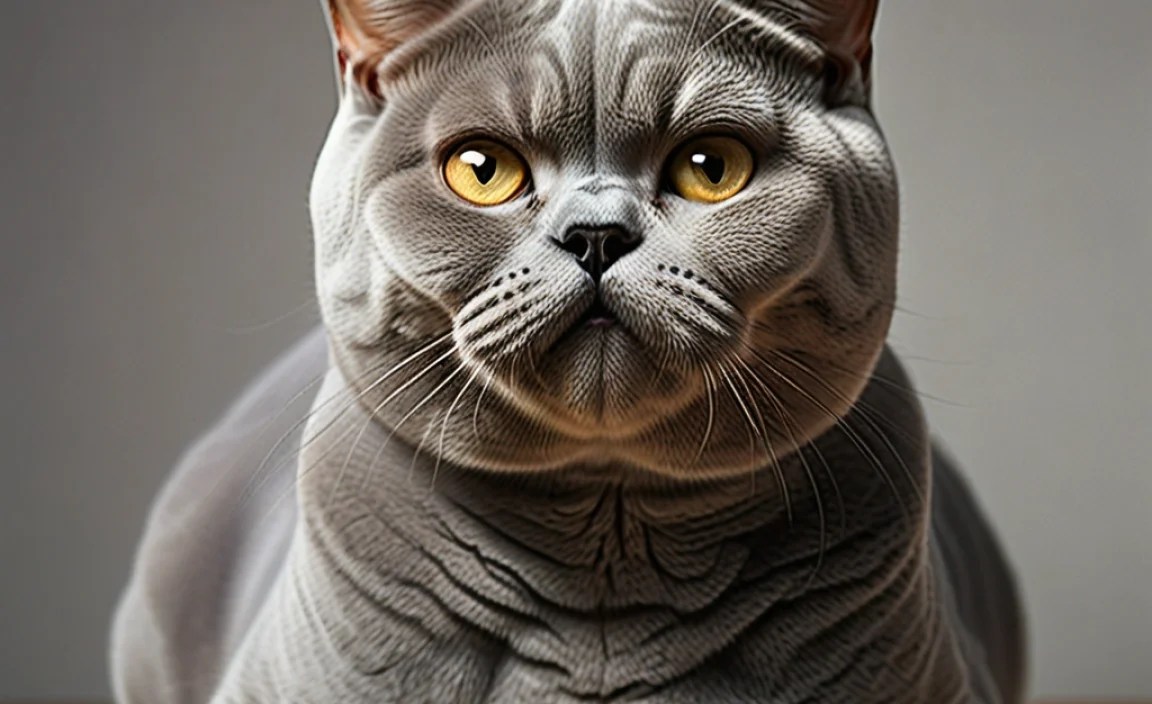
Now that you understand the importance of hunting instincts, let’s explore how to provide safe and engaging outlets for your British Shorthair.
Interactive Play
Interactive play is one of the best ways to satisfy your cat’s hunting instincts. Here are some tips:
- Use Wand Toys: These toys mimic the movement of prey and allow you to control the “hunt.”
- Vary the Movement: Move the toy in unpredictable ways to keep your cat engaged. Simulate the erratic movements of real prey, like a bird or mouse.
- End with a “Catch”: Allow your cat to catch and “kill” the toy at the end of the play session. This provides a sense of accomplishment.
- Play Regularly: Aim for at least 15-20 minutes of interactive play each day. Break it up into shorter sessions if needed.
Puzzle Feeders
Puzzle feeders are another excellent way to engage your cat’s hunting instincts. These feeders require your cat to work for their food, mimicking the effort required to catch prey in the wild. Purina highlights the benefits of puzzle feeders in stimulating a cat’s mind and preventing boredom.
Here’s how to use puzzle feeders effectively:
- Start Simple: Choose a simple puzzle feeder to begin with, and gradually increase the difficulty as your cat gets the hang of it.
- Use Dry Food: Puzzle feeders are best used with dry food, as wet food can be messy.
- Monitor Your Cat: Make sure your cat is able to access the food in the puzzle feeder. If they become frustrated, try a different feeder.
- Clean Regularly: Clean the puzzle feeder regularly to prevent bacteria buildup.
Creating a Hunting Environment
You can also create a hunting environment in your home to encourage your cat’s natural behaviors.
- Provide Climbing Structures: Cat trees and shelves allow your cat to climb and survey their territory, mimicking the vantage points they would use in the wild.
- Offer Scratching Posts: Scratching is a natural behavior that helps cats maintain their claws and mark their territory. Provide a variety of scratching posts to satisfy this need.
- Rotate Toys: Keep your cat interested by rotating their toys regularly. This prevents boredom and encourages them to explore.
- Window Perches: Allow your cat to watch the outside world from a safe perch. This provides mental stimulation and satisfies their curiosity.
The Importance of Playtime
Regular playtime is not just about satisfying hunting instincts; it’s also crucial for your cat’s overall well-being. Playtime helps to:
- Reduce Stress: Engaging in play can help reduce stress and anxiety in cats.
- Prevent Boredom: Playtime provides mental stimulation and prevents boredom, which can lead to destructive behaviors.
- Strengthen the Bond: Playing with your cat strengthens the bond between you and your feline friend.
- Maintain Physical Health: Regular play helps your cat stay active and maintain a healthy weight.
Managing Unwanted Hunting Behaviors

Sometimes, even with the best efforts, your British Shorthair might exhibit unwanted hunting behaviors. Here’s how to manage them:
Redirecting Aggression
If your cat is displaying aggression towards you or other pets, it’s important to redirect their attention to a more appropriate target. Here’s how:
- Interrupt the Behavior: Use a loud noise or a spray of water to interrupt the aggressive behavior.
- Offer a Toy: Immediately offer your cat a toy to redirect their attention.
- Avoid Punishment: Never punish your cat for aggressive behavior, as this can make the problem worse.
- Consult a Professional: If the aggression is severe or persistent, consult a veterinarian or a certified cat behaviorist.
Dealing with Nighttime Activity
If your British Shorthair is more active at night, try these strategies:
- Increase Daytime Activity: Provide more opportunities for play and exercise during the day.
- Feed a Late-Night Meal: A small meal before bedtime can help your cat feel full and sleepy.
- Provide a Comfortable Sleeping Area: Make sure your cat has a comfortable and safe place to sleep.
- Ignore Nighttime Demands: Avoid responding to your cat’s demands for attention at night. This will discourage them from bothering you.
Protecting Wildlife
If your British Shorthair has access to the outdoors, it’s important to take steps to protect local wildlife. The International Cat Association (TICA) recommends the following:
- Keep Your Cat Indoors: The safest way to protect wildlife is to keep your cat indoors.
- Use a Catio: A catio is an enclosed outdoor space that allows your cat to enjoy the outdoors without harming wildlife.
- Bell on Collar: A bell on your cat’s collar can warn wildlife of their presence.
- Supervise Outdoor Time: If you allow your cat outdoors, supervise them closely to prevent them from hunting.
British Shorthair Hunting Instincts: A Breed-Specific Perspective

While all cats have hunting instincts, how they manifest can vary slightly between breeds. Here’s a look at the British Shorthair’s unique approach:
British Shorthairs: The Patient Hunters
British Shorthairs are often described as more laid-back compared to some other high-energy breeds. However, this doesn’t mean their hunting instincts are absent; rather, they tend to be more deliberate and patient hunters.
- Observational Skills: They are excellent observers, often watching their “prey” (toys, insects) for extended periods before making a move.
- Strategic Pouncing: Their pounces are usually well-calculated, demonstrating a strategic approach to hunting.
- Lower Endurance: Compared to more active breeds, British Shorthairs might have shorter bursts of intense play followed by longer periods of rest.
Adapting Play to Their Style
Given their patient and strategic nature, here’s how you can tailor play sessions to better suit your British Shorthair’s hunting style:
- Slow, Deliberate Movements: When using wand toys, mimic the slow, cautious movements of prey to pique their interest.
- Hide-and-Seek: Incorporate elements of hide-and-seek into playtime, allowing them to stalk and discover their “prey.”
- Short, Frequent Sessions: Opt for shorter, more frequent play sessions to match their endurance levels.
Table: Comparing Hunting Behaviors Across Breeds
Here’s a table comparing hunting behaviors across different cat breeds, including the British Shorthair:
| Breed | Hunting Style | Energy Level | Preferred Play |
|---|---|---|---|
| British Shorthair | Patient, strategic | Moderate | Wand toys, puzzle feeders |
| Bengal | High-energy, persistent | High | Chasing, climbing |
| Siamese | Vocal, interactive | High | Fetch, interactive games |
| Maine Coon | Gentle, adaptable | Moderate | Chasing, batting |
Practical Tips for British Shorthair Owners

Here are some practical tips specifically tailored for British Shorthair owners to manage and encourage healthy hunting behaviors:
Creating the Ideal Indoor Environment
- Vertical Space: British Shorthairs appreciate having vertical space to survey their surroundings. Invest in cat trees or shelves.
- Safe Hiding Spots: Provide secure spots where they can retreat and observe, satisfying their need for stealth.
- Window Views: Ensure they have access to windows with interesting views, such as birds or squirrels, to keep them mentally stimulated.
Toy Recommendations
- Wand Toys: Feather wands, string toys, and laser pointers are excellent for simulating prey movements.
- Puzzle Toys: Interactive feeders that dispense treats or food when manipulated keep them mentally engaged.
- Small Plush Toys: Soft toys that resemble prey animals can satisfy their need to “capture” and “kill.”
Feeding Strategies
- Scheduled Feeding Times: Regular feeding times can help regulate their hunting instincts and prevent them from feeling the need to hunt for food.
- Portion Control: Overfeeding can lead to obesity, which can reduce their activity levels. Control their portions to maintain a healthy weight.
- Hidden Treats: Occasionally hide treats around the house to encourage them to “hunt” for their food.
Table: Managing Hunting Behaviors in British Shorthairs
Here’s a table summarizing how to manage hunting behaviors in British Shorthairs:
| Behavior | Management Strategy | Benefits |
|---|---|---|
| Stalking | Provide interactive toys | Satisfies hunting instincts |
| Chasing | Use wand toys, laser pointers | Encourages physical activity |
| Pouncing | Offer soft toys to “capture” | Provides a sense of accomplishment |
| Nighttime Activity | Increase daytime play, late-night meal | Reduces nighttime restlessness |
Addressing Common Concerns
Here are some common concerns British Shorthair owners have about their cats’ hunting behaviors:
“My cat isn’t interested in toys.”
Some British Shorthairs may seem uninterested in toys initially. Here’s how to pique their interest:
- Try Different Toys: Experiment with different types of toys to find what your cat enjoys.
- Make it Exciting: Move the toy in a way that mimics real prey.
- Use Catnip: Catnip can make toys more appealing to some cats.
- Be Patient: It may take time for your cat to show interest in toys.
“My cat is scratching the furniture.”
Scratching is a natural behavior, but it can be destructive if not directed appropriately. Here’s how to prevent furniture scratching:
- Provide Scratching Posts: Offer a variety of scratching posts in different materials and orientations.
- Place Posts Strategically: Place scratching posts near areas where your cat likes to scratch.
- Make Posts Appealing: Use catnip or toys to make the scratching posts more appealing.
- Trim Nails Regularly: Trimming your cat’s nails can help reduce the damage caused by scratching.
“My cat is bringing me ‘gifts’.”
While less common in indoor cats, some British Shorthairs may bring you toys as if they were prey. This is a sign of affection and a natural hunting behavior.
- Accept the Gift: Thank your cat for the gift, even if it’s not something you want.
- Provide Alternatives: Offer your cat a variety of toys to “hunt” instead.


