
Avoiding Overfeeding in Multi-Cat Homes: Easy Tips!

Have you ever seen a chubby cat? Some cats get too much food. It is hard to feed many cats. You want them all to be healthy. Avoiding overfeeding in multi-cat homes can be tricky. This article will help you feed your cats the right amount.
Key Takeaways
- Avoiding overfeeding in multi-cat homes keeps all your cats healthy.
- Use separate bowls to stop cats from stealing each other’s food.
- Automatic feeders help control how much each cat eats every day.
- Talk to your vet about the best food and amount for each cat.
- Weigh your cats often to check if they are gaining too much weight.
Understanding Cat Feeding Behavior

Cats are unique. They have different eating habits. Some cats eat all their food at once. Others like to nibble throughout the day. In a home with many cats, this can be a problem. One cat might eat all the food. Another cat might not get enough. Some cats might steal food from others. This can lead to overfeeding some cats. It also leads to underfeeding others. You need to watch your cats closely. See how they eat. Make sure each cat gets the right amount of food. Avoiding overfeeding in multi-cat homes starts with understanding how your cats behave around food. It also involves knowing their individual needs. Each cat is different.
- Some cats eat quickly.
- Other cats eat slowly.
- Some cats guard their food.
- Other cats are not interested in food.
- Some cats like wet food.
- Other cats prefer dry food.
Knowing your cats’ behavior is very important. It helps you create a good feeding plan. A good plan can help with avoiding overfeeding in multi-cat homes. For example, if one cat eats very fast, you can feed that cat separately. This stops them from eating too much. If one cat is shy, you can make sure they have a safe place to eat. This helps them get enough food. You might need to try different feeding methods. See what works best for your cats. It takes time and patience. But it is worth it. Your cats will be healthier and happier.
Fun Fact or Stat: Did you know that over 50% of cats are overweight or obese? This can lead to health problems like diabetes and arthritis.
Why Do Cats Overeat?
Have you ever wondered why some cats overeat? Sometimes, it’s not just about being hungry. Cats might overeat because they are bored. If they don’t have enough to do, they might eat for fun. Cats also overeat if they feel stressed. A new pet or a change in the house can make them anxious. This anxiety can lead to more eating. Some cats simply like the taste of food. They will eat even when they are not hungry. Free feeding, where food is always available, can also lead to overeating. Cats might eat out of habit, not because they need the food. Avoiding overfeeding in multi-cat homes means understanding these reasons and making changes to help your cats.
How Does Stress Affect Eating?
Imagine you’re feeling worried about a test. You might eat more snacks than usual. Cats do the same thing! Stress can really change a cat’s eating habits. When cats feel stressed, their bodies release hormones. These hormones can make them feel hungrier. A busy or noisy home can stress cats. Not enough playtime can also cause stress. Moving to a new house is another big stressor. If you see your cat eating more and they seem stressed, try to help them relax. Give them a quiet place to rest. Play with them more often. This can help reduce their stress and stop them from overeating.
Is Free Feeding a Good Idea?
Imagine a candy bowl that is always full. You might eat more candy than you need. Free feeding is like that for cats. It means leaving food out all the time. Cats can eat whenever they want. This can seem easy, but it often leads to problems. Cats can easily overeat when food is always available. This is especially true in a multi-cat home. Some cats might guard the food bowl. Others might eat out of boredom. Scheduled feeding is often a better idea. You give your cats food at specific times. This helps you control how much they eat. It also lets you see if any cat is not eating well.
Creating Individual Feeding Plans

Every cat is different. They have different needs. Some cats are big. Some cats are small. Some cats are active. Some cats are lazy. All these things affect how much food they need. A kitten needs more food than an older cat. An active cat needs more food than a cat that sleeps all day. You need to think about each cat. Create a special feeding plan for them. This plan should include the right type of food. It should also include the right amount of food. Talk to your vet. They can help you make a plan that is perfect for each of your cats. Avoiding overfeeding in multi-cat homes is easier with individual plans.
- Consider each cat’s age.
- Think about their activity level.
- Check their weight regularly.
- Choose food that meets their needs.
- Talk to your vet for advice.
- Adjust the plan as needed.
Making individual feeding plans might seem hard. But it is worth the effort. It can help your cats stay healthy. It also helps prevent health problems. When you know how much each cat should eat, you can watch them more closely. You can see if they are eating too much or too little. If you notice a change, you can talk to your vet. They can help you figure out what is going on. Remember, avoiding overfeeding in multi-cat homes is about paying attention to each cat’s unique needs.
Fun Fact or Stat: Cats need different amounts of calories based on their age and activity. Kittens need about 250 calories per day, while older cats may only need 200.
What Should a Feeding Plan Include?
Imagine you are planning a trip. You need to think about where to go, what to pack, and how to get there. A feeding plan is like that too! It needs to include a few important things. First, you need to choose the right food. Look for food that is high in protein and low in fillers. Next, decide how much food each cat needs. Your vet can help you with this. Then, set a feeding schedule. Feed your cats at the same times each day. Finally, keep track of their weight. This will help you see if the plan is working.
How Often Should I Feed My Cats?
Have you ever wondered how many times a day you should eat? Cats need a schedule too! Most adult cats do well with two meals a day. Kittens need to eat more often, usually three or four times a day. It is important to feed your cats at the same times each day. This helps them feel secure. It also makes it easier to control how much they eat. If you work long hours, you can use an automatic feeder. This will give your cats their meals on time, even when you are not home.
How to Choose the Right Cat Food
Choosing the right cat food can feel like a puzzle. There are so many options! Look for food that lists meat as the first ingredient. This means it has a lot of protein. Avoid foods with a lot of fillers, like corn or wheat. These are not good for cats. Wet food can be a good choice. It helps cats stay hydrated. Dry food is easier to store. You can also mix wet and dry food. Talk to your vet about the best food for your cats. They can help you choose a food that meets their specific needs.
Using Separate Feeding Stations
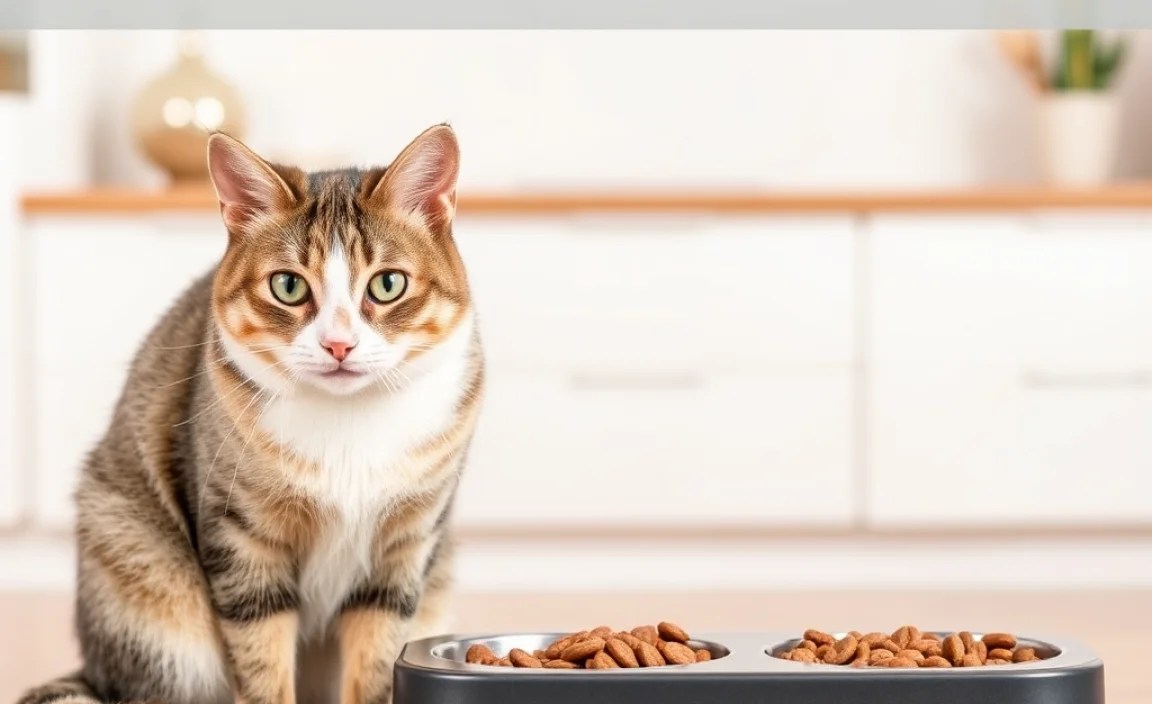
Imagine trying to eat dinner at a table with lots of people grabbing for your food. It would be hard to enjoy your meal! Cats feel the same way. When you have many cats, they might compete for food. Some cats might steal food from others. This can lead to overfeeding some cats and underfeeding others. Separate feeding stations can help. Give each cat their own bowl. Put the bowls in different places. This lets each cat eat in peace. It also helps you see how much each cat is eating. You can make sure everyone is getting the right amount of food.
- Give each cat a separate bowl.
- Put bowls in different locations.
- Use elevated feeders for some cats.
- Monitor how much each cat eats.
- Clean the bowls regularly.
- Make sure each cat feels safe.
Using separate feeding stations is a simple way to help with avoiding overfeeding in multi-cat homes. It creates a calmer mealtime. Cats feel less stressed when they don’t have to compete for food. This can also help with digestion. Cats are less likely to eat too fast when they are relaxed. Separate feeding stations also make it easier to monitor your cats’ health. You can quickly see if a cat is not eating well. This can be a sign of a health problem.
Fun Fact or Stat: Elevated feeders can help cats with arthritis or other joint problems eat more comfortably.
Why Are Separate Stations Important?
Think about having your own special place to do your homework. It helps you focus! Separate feeding stations do the same for cats. They give each cat a safe and quiet place to eat. This is very important in a home with many cats. Without separate stations, some cats might get bullied. They might not get enough food. Others might eat too much because they are worried about someone stealing their food. Separate stations help prevent these problems. They ensure that each cat gets the right amount of food in a peaceful setting.
How to Set Up Feeding Stations
Setting up feeding stations is like creating little restaurants for your cats! You need to think about location and comfort. Choose quiet spots where your cats feel safe. Some cats might like eating on a high shelf. Others might prefer a corner on the floor. Use bowls that are easy for your cats to eat from. Keep the stations clean. Make sure each cat knows which station is theirs. You can even put their names on the bowls! This helps them feel secure and prevents confusion.
What If Cats Still Steal Food?
Sometimes, even with separate stations, cats might still try to steal food. It’s like when you try to sneak a cookie from the cookie jar! If this happens, you might need to get creative. Try using microchip feeders. These feeders only open for the cat with the matching microchip. You can also try feeding your cats in separate rooms. Close the door while they eat. This prevents them from bothering each other. Be patient and consistent. It might take time for your cats to learn the new rules.
Using Automatic Feeders
Imagine a robot that gives your cats food at the right times. That’s what an automatic feeder does! These feeders can be very helpful. They help with avoiding overfeeding in multi-cat homes. You can set them to release food at specific times. This means each cat gets their food on schedule. You can also control how much food each cat gets. Some automatic feeders use microchips. They only open for the cat with the right chip. This stops other cats from stealing food. Automatic feeders can make feeding time easier and more accurate.
| Feeder Type | Pros | Cons | Best For |
|---|---|---|---|
| Timed Feeders | Simple to use, affordable | Cats can sometimes break into them | Cats that don’t overeat |
| Microchip Feeders | Only opens for specific cat, prevents food stealing | More expensive | Homes with food stealing cats |
| Portion Control Feeders | Controls amount of food, prevents overeating | Needs regular refilling | Cats that need strict diets |
| Wet Food Feeders | Keeps wet food fresh | Needs ice packs | Cats that prefer wet food |
Automatic feeders are a great tool for avoiding overfeeding in multi-cat homes. They take the guesswork out of feeding. You don’t have to worry about being home at the right time. You also don’t have to worry about measuring food. The feeder does it for you. This can be very helpful if you have a busy schedule. It also ensures that your cats get the right amount of food, even when you are not there. Just remember to choose a feeder that is right for your cats.
Fun Fact or Stat: Automatic feeders can help you monitor your cat’s eating habits. Some models connect to apps on your phone.
How Do Automatic Feeders Work?
Have you ever used a vending machine? You put in money, and it gives you a snack. Automatic feeders are similar! You fill the feeder with food. Then, you set the timer. The feeder releases the food at the time you set. Some feeders have multiple compartments. Each compartment opens at a different time. This lets you give your cat several small meals throughout the day. Microchip feeders are even smarter. They read your cat’s microchip. If it’s the right cat, the feeder opens. This is a great way to stop food stealing.
Choosing the Right Automatic Feeder
Choosing an automatic feeder is like picking the right toy. You want one that is safe and fun! Think about how many cats you have. Some feeders are designed for multiple cats. Consider the type of food you feed. Some feeders work better with dry food. Others can handle wet food. Look for a feeder that is easy to clean. You also want one that is reliable. Read reviews before you buy. This will help you find a feeder that works well.
Troubleshooting Feeder Problems
Sometimes, automatic feeders can have problems. It’s like when your computer freezes! The feeder might not release food. The timer might be wrong. Your cat might be scared of the feeder. First, check the batteries. Make sure they are fresh. Next, check the timer settings. Make sure they are correct. If your cat is scared, try putting the feeder near their food bowl. Let them get used to it. Be patient. It might take time for your cat to trust the feeder.
Monitoring Weight and Body Condition

Imagine you are tracking your height as you grow. You want to make sure you are growing at a healthy rate. It is important to monitor your cat’s weight. You also need to check their body condition. This helps with avoiding overfeeding in multi-cat homes. Weigh your cats regularly. Feel their ribs. You should be able to feel them easily. If you can’t, your cat might be overweight. Look at your cat from above. They should have a slight hourglass shape. If they don’t, they might need to lose weight. Talk to your vet. They can help you decide if your cat is at a healthy weight.
- Weigh your cats monthly.
- Feel their ribs.
- Look at their body shape.
- Use a body condition score chart.
- Talk to your vet about their weight.
- Adjust food as needed.
Monitoring weight and body condition is a key part of avoiding overfeeding in multi-cat homes. It helps you catch problems early. If you notice your cat is gaining weight, you can make changes to their diet. You can also increase their activity level. This can help them lose weight. If you catch weight gain early, it is easier to fix. If you wait too long, it can lead to health problems. Regular monitoring helps you keep your cats healthy and happy.
Fun Fact or Stat: A healthy cat should have a body condition score of 4 or 5 out of 9.
How to Weigh Your Cat
Weighing your cat might seem tricky. It’s not like weighing yourself! You can use a regular bathroom scale. First, weigh yourself. Then, hold your cat and weigh yourself again. Subtract your weight from the total weight. The difference is your cat’s weight. You can also use a pet scale. These scales are designed for animals. They are easier to use. Make sure to weigh your cat at the same time each month. This will give you the most accurate results.
Understanding Body Condition Score
Have you ever heard of a body condition score? It’s like a report card for your cat’s weight! It helps you see if your cat is too thin, too heavy, or just right. A healthy cat should have a score of 4 or 5 out of 9. If your cat is a 1, they are very thin. You can see their ribs, spine, and hip bones easily. If your cat is a 9, they are very heavy. You can’t feel their ribs at all. Ask your vet to show you how to use the body condition score chart.
When to Adjust Food Portions
Imagine you are baking a cake. You might need to adjust the recipe based on how it looks. You need to do the same with your cat’s food. If your cat is gaining weight, reduce their food. If they are losing weight, increase their food. Make small changes. Weigh them again in a few weeks. See if the changes are working. Talk to your vet before making big changes. They can help you create a plan that is safe and effective.
Dealing with Food Obsession
Some cats are always hungry. They act like they never get enough food. This can be a problem in a multi-cat home. These cats might try to steal food from others. They might beg for food all the time. This can lead to overfeeding. You need to deal with this food obsession. There are ways to help. Try feeding smaller meals more often. Use puzzle feeders. These make cats work for their food. This can help them feel fuller for longer. Make sure they have plenty of playtime. This can distract them from food.
- Feed smaller meals more often.
- Use puzzle feeders.
- Provide plenty of playtime.
- Ignore begging behavior.
- Talk to your vet about medical issues.
- Create a calm feeding environment.
Dealing with food obsession can be challenging. But it is important for avoiding overfeeding in multi-cat homes. It helps you keep all your cats at a healthy weight. It also makes mealtime more peaceful. If you are struggling, talk to your vet. They can help you figure out why your cat is so obsessed with food. They can also give you advice on how to manage it. Remember to be patient. It might take time for your cat to change their behavior.
Fun Fact or Stat: Puzzle feeders can increase a cat’s mental stimulation and reduce boredom-related eating.
Why Are Some Cats So Hungry?
Have you ever felt like you could eat a whole pizza? Some cats feel that way all the time! There are several reasons why cats might be so hungry. Sometimes, it’s a medical problem. Diabetes or hyperthyroidism can make cats feel very hungry. Other times, it’s behavioral. Cats might be bored or stressed. They might eat to cope with these feelings. Some cats simply have a higher metabolism. They burn calories faster than other cats. It is important to figure out why your cat is so hungry.
Using Puzzle Feeders to Slow Eating
Imagine you have to solve a riddle to get a treat. It would take you longer to eat it! Puzzle feeders do the same for cats. They make cats work for their food. The food is hidden inside the puzzle. The cat has to figure out how to get it out. This slows down their eating. It also keeps them entertained. There are many different types of puzzle feeders. Try a few different ones to see which one your cat likes best.
Ignoring Begging Behavior
It can be hard to ignore a cat that is begging for food. It’s like ignoring a friend who is asking for help! But giving in to begging only makes the problem worse. Your cat learns that begging works. They will do it more often. The best thing to do is ignore the begging. Don’t give them food. Don’t even look at them. Eventually, they will learn that begging doesn’t work. Then, they will stop doing it.
Seeking Veterinary Advice
Imagine you are building a house. You would ask an architect for help. They are experts in building. Your vet is an expert in cat health. They can help you with avoiding overfeeding in multi-cat homes. Talk to your vet about your cats’ diets. Ask them how much each cat should eat. Tell them about any weight changes you have noticed. They can help you rule out medical problems. They can also give you advice on how to manage your cats’ weight. They may suggest different food types or feeding strategies.
- Talk to your vet about each cat’s diet.
- Ask about ideal weight for each cat.
- Discuss any weight changes.
- Rule out medical problems.
- Get advice on feeding strategies.
- Follow your vet’s recommendations.
Seeking veterinary advice is a crucial step in avoiding overfeeding in multi-cat homes. Your vet knows your cats’ health history. They can give you personalized advice. They can also help you identify any underlying health issues that might be affecting your cats’ weight. Don’t be afraid to ask questions. Your vet is there to help you keep your cats healthy and happy. Remember to schedule regular checkups for your cats. This will help you catch problems early.
Fun Fact or Stat: Regular vet checkups can help catch early signs of diabetes or hyperthyroidism, which can affect a cat’s weight.
When to See a Vet
Have you ever wondered when you should see a doctor? You should see a vet if you notice any changes in your cat’s eating habits. If they are eating more or less than usual, it could be a sign of a problem. If they are losing or gaining weight, it’s also a good idea to see a vet. Other signs to watch for include vomiting, diarrhea, and changes in energy level. Don’t wait until the problem gets worse. Early treatment is always better.
What to Expect at the Vet
Going to the vet can be a little scary. But it’s important for your cat’s health! The vet will start by asking you questions about your cat’s diet and behavior. They will then do a physical exam. They will check your cat’s weight, temperature, and heart rate. They might also take blood samples. These tests can help them rule out medical problems. The vet will then give you advice on how to care for your cat.
Following Vet Recommendations
Your vet is like a coach for your cat’s health. They give you advice on how to keep your cat healthy. It’s important to follow their recommendations. This might mean changing your cat’s diet. It might mean giving them medication. It might mean increasing their activity level. If you are not sure about something, ask your vet for clarification. They are there to help you.
Summary
Avoiding overfeeding in multi-cat homes requires attention and planning. Cats have unique eating habits. They need individual care. Understand each cat’s needs. Create separate feeding plans. Use separate feeding stations. This stops food stealing. Automatic feeders help control portions. Monitor weight and body condition regularly. Watch for signs of food obsession. Seek advice from your vet. They can help with diet and health. Following these steps leads to healthier cats. It also creates a happier home.
Conclusion
It takes work to feed many cats. Each cat needs the right amount of food. Using the tips in this article can help. You can create a good feeding plan. You can use tools like automatic feeders. You can monitor your cats’ weight. You can talk to your vet. All of this helps with avoiding overfeeding in multi-cat homes. Your cats will be healthier and happier.
Frequently Asked Questions
Question No 1: How can I tell if my cat is overweight?
Answer: You can tell if your cat is overweight by feeling their ribs. You should be able to feel them easily. If you can’t, your cat might be overweight. Look at your cat from above. They should have a slight hourglass shape. If they don’t, they might need to lose weight. Another way to check is by using a body condition score chart. Your vet can help you learn how to use it. Avoiding overfeeding in multi-cat homes starts with knowing if your cat is at a healthy weight.
Question No 2: What are the risks of overfeeding my cats?
Answer: Overfeeding can lead to many health problems for cats. Overweight cats are more likely to develop diabetes. They are also more likely to have arthritis. Extra weight can also strain their heart and lungs. This can shorten their lifespan. Keeping your cat at a healthy weight is important. It helps them live a longer and healthier life. That’s why avoiding overfeeding in multi-cat homes is so important.
Question No 3: How do I stop one cat from eating another cat’s food?
Answer: Stopping one cat from eating another cat’s food can be tricky. Use separate feeding stations. Give each cat their own bowl in a different location. You can also use automatic feeders. Some feeders only open for the cat with the right microchip. This stops other cats from stealing food. Make sure each cat feels safe while eating. This can help reduce food stealing. Being consistent with these methods is key to avoiding overfeeding in multi-cat homes.
Question No 4: Is it okay to leave food out all day for my cats?
Answer: Leaving food out all day, called free feeding, can lead to overeating. Cats might eat out of boredom, not because they are hungry. This is especially true in multi-cat homes. Some cats might guard the food bowl. Others might eat too much. Scheduled feeding is often a better idea. Give your cats food at specific times. This helps you control how much they eat. It also lets you see if any cat is not eating well.
Question No 5: What kind of food is best for my cats?
Answer: The best food for your cats is high in protein and low in fillers. Look for food that lists meat as the first ingredient. Avoid foods with a lot of corn or wheat. Wet food can be a good choice. It helps cats stay hydrated. Dry food is easier to store. You can also mix wet and dry food. Talk to your vet about the best food for your cats. They can help you choose a food that meets their specific needs. Remember, avoiding overfeeding in multi-cat homes also means choosing healthy foods.
Question No 6: How can I encourage my cats to be more active?
Answer: Encouraging your cats to be more active can help them burn calories. This can help with weight management. Provide plenty of toys. Play with your cats every day. Use a laser pointer or a feather wand. Create climbing opportunities. Cat trees and shelves can help. Rotate toys regularly. This keeps your cats interested. A more active lifestyle is essential for avoiding overfeeding in multi-cat homes and keeping your cats healthy.


