
Senior Cat Homemade Food Recipes: Easy & Healthy

Making homemade food for your senior cat can be a loving way to ensure they get the nutrients they need, especially if they have specific health issues or fussy appetites. Always consult your vet first to tailor recipes to your cat’s individual needs and health conditions. Focus on high-quality protein, easily digestible ingredients, and appropriate supplementation to support their overall health and well-being.
As our beloved British Shorthairs enter their golden years, their dietary needs often change. Just like us, senior cats can develop health issues that require a more tailored diet. Perhaps your feline friend has become a bit picky about their food, or maybe you’re looking for ways to support their kidney function or manage their weight. It’s a common concern for many of us who want to provide the best care possible for our aging companions.
The good news is that with a little knowledge and guidance from your veterinarian, you can create delicious and nutritious homemade meals that cater specifically to your senior cat’s needs. This article will walk you through the essential steps and considerations for crafting safe and balanced homemade recipes, ensuring your British Shorthair thrives in their senior years. Let’s explore how to make mealtime a joy for your aging feline friend!
Why Consider Homemade Food for Your Senior Cat?

There are several compelling reasons to consider preparing homemade food for your senior British Shorthair. As cats age, their nutritional needs evolve, and they may benefit from a diet that addresses specific health concerns. Here’s why homemade food can be a great option:
- Control over Ingredients: You know exactly what your cat is eating, avoiding potential allergens, artificial additives, and low-quality fillers often found in commercial cat food.
- Customization for Health Issues: Homemade diets can be tailored to manage conditions like kidney disease, diabetes, or food sensitivities, in consultation with your vet.
- Improved Palatability: Senior cats may lose their appetite or become picky eaters. Fresh, homemade food can be more appealing and encourage them to eat.
- Better Digestion: High-quality, easily digestible ingredients can be gentler on your senior cat’s digestive system, reducing the risk of digestive upset.
- Bonding Experience: Preparing meals for your cat can be a rewarding way to strengthen your bond.
Essential Nutrients for Senior Cats

Before diving into recipes, it’s crucial to understand the key nutrients that support the health of senior cats. According to the Purina, senior cats need:
- High-Quality Protein: Essential for maintaining muscle mass, supporting organ function, and boosting the immune system. Choose lean sources like chicken, turkey, fish, or lean beef.
- Moderate Fat: Provides energy and supports healthy skin and coat. Opt for healthy fats like those found in fish oil or flaxseed oil.
- Easily Digestible Carbohydrates: Provides energy and fiber. Cooked rice, sweet potatoes, and oats are good choices in moderation.
- Vitamins and Minerals: Crucial for overall health. Supplementation may be necessary to ensure your cat is getting adequate amounts of vitamins A, B, D, E, and essential minerals like calcium, phosphorus, and taurine.
- Moisture: Senior cats are prone to dehydration, which can exacerbate kidney issues. Homemade food with added water or broth can help increase their fluid intake.
Important Note: Never start a homemade diet without consulting your veterinarian or a board-certified veterinary nutritionist. They can assess your cat’s individual needs and help you create a balanced and safe recipe.
Safety First: Guidelines for Homemade Cat Food

Safety is paramount when preparing homemade food for your cat. Follow these guidelines to minimize the risk of foodborne illness and nutritional deficiencies:
- Consult Your Vet: This is the most critical step. Your vet can help you create a recipe that meets your cat’s specific needs and address any underlying health conditions.
- Use High-Quality Ingredients: Choose fresh, human-grade ingredients. Avoid anything spoiled or past its expiration date.
- Cook Food Thoroughly: Cook all meats, poultry, and fish to a safe internal temperature to kill harmful bacteria.
- Avoid Toxic Foods: Never include onions, garlic, chocolate, grapes, raisins, alcohol, or raw dough in your cat’s food, as these are toxic to cats.
- Practice Good Hygiene: Wash your hands thoroughly before and after preparing your cat’s food. Use clean utensils and cutting boards.
- Proper Storage: Store homemade cat food in the refrigerator for up to 2-3 days or freeze it in individual portions for longer storage.
- Supplementation: Follow your vet’s recommendations for vitamin and mineral supplementation to ensure your cat’s diet is nutritionally complete.
Getting Started: Basic Equipment and Ingredients
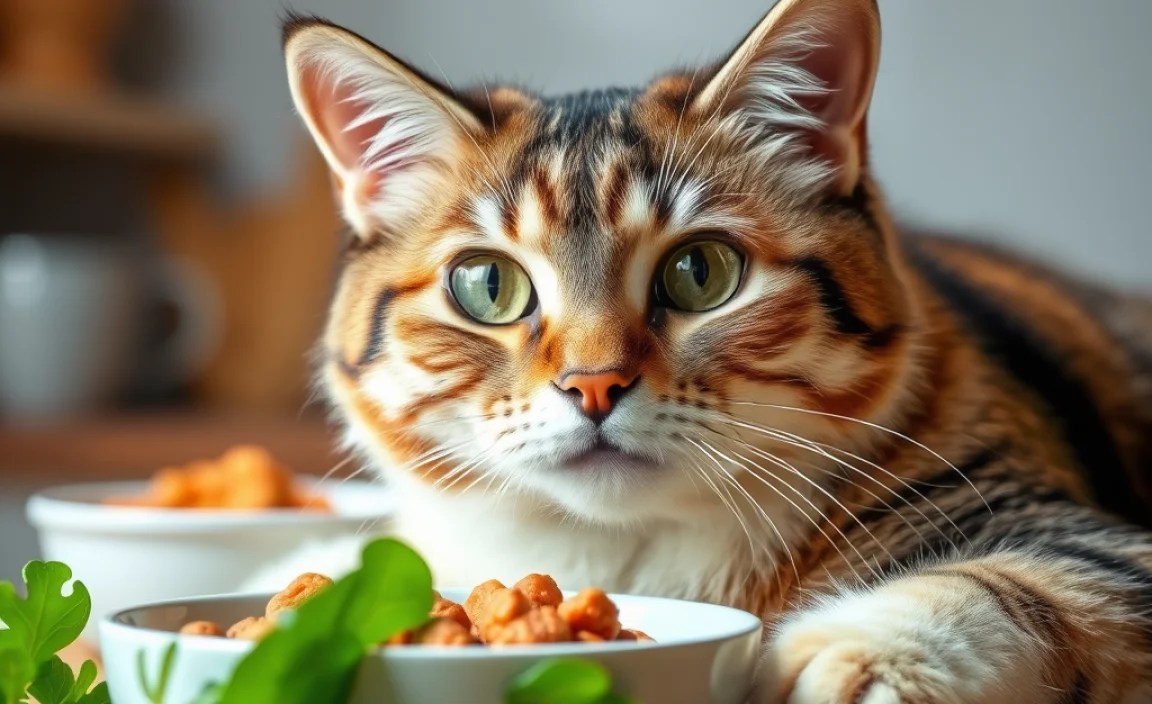
To begin making homemade cat food, you’ll need some basic equipment and ingredients:
Equipment:
- Cutting Board: Use a dedicated cutting board for preparing your cat’s food to avoid cross-contamination.
- Knives: A good set of knives for chopping and dicing ingredients.
- Pots and Pans: For cooking meats, vegetables, and grains.
- Food Processor or Blender: To puree ingredients for easier digestion.
- Measuring Cups and Spoons: For accurate portioning.
- Storage Containers: To store food in the refrigerator or freezer.
Basic Ingredients:
- Protein Sources: Chicken, turkey, fish (salmon, cod, tuna), lean beef.
- Carbohydrate Sources: Cooked white rice, brown rice, sweet potato, oats.
- Vegetables: Cooked carrots, peas, green beans (in moderation).
- Healthy Fats: Fish oil, flaxseed oil.
- Supplements: Taurine, vitamin and mineral supplements (as recommended by your vet).
- Water or Broth: To add moisture and flavor.
Senior Cat Homemade Food Recipes

Here are a few sample recipes to get you started. Remember, these are just examples, and you should always consult your veterinarian to tailor the recipes to your cat’s specific needs.
Recipe 1: Chicken and Rice Delight
This recipe is easy to digest and provides a good balance of protein and carbohydrates.
Ingredients:
- 4 oz Cooked Chicken Breast (boneless, skinless)
- 1/2 cup Cooked White Rice
- 1/4 cup Cooked Carrots (diced)
- 1 tbsp Fish Oil
- 1/4 cup Water or Low-Sodium Chicken Broth
- Taurine Supplement (as directed by your vet)
- Vitamin and Mineral Supplement (as directed by your vet)
Instructions:
- Shred or dice the cooked chicken breast into small pieces.
- Combine the chicken, rice, carrots, fish oil, water or broth, and supplements in a bowl.
- Mix well to ensure all ingredients are evenly distributed.
- Serve immediately or store in the refrigerator for up to 2 days.
Recipe 2: Fish and Sweet Potato Medley
This recipe is rich in omega-3 fatty acids and antioxidants, which can benefit your senior cat’s skin, coat, and immune system.
Ingredients:
- 4 oz Cooked Salmon or Cod (boneless, skinless)
- 1/2 cup Cooked Sweet Potato (mashed)
- 1/4 cup Cooked Green Beans (diced)
- 1 tbsp Flaxseed Oil
- 1/4 cup Water or Low-Sodium Fish Broth
- Taurine Supplement (as directed by your vet)
- Vitamin and Mineral Supplement (as directed by your vet)
Instructions:
- Flake the cooked salmon or cod into small pieces.
- Combine the fish, sweet potato, green beans, flaxseed oil, water or broth, and supplements in a bowl.
- Mix well to ensure all ingredients are evenly distributed.
- Serve immediately or store in the refrigerator for up to 2 days.
Recipe 3: Turkey and Oat Bowl
This recipe provides a gentle source of protein and fiber, making it suitable for cats with sensitive stomachs.
Ingredients:
- 4 oz Cooked Ground Turkey (lean)
- 1/2 cup Cooked Oats
- 1/4 cup Cooked Peas
- 1 tbsp Fish Oil
- 1/4 cup Water or Low-Sodium Turkey Broth
- Taurine Supplement (as directed by your vet)
- Vitamin and Mineral Supplement (as directed by your vet)
Instructions:
- Crumble the cooked ground turkey into small pieces.
- Combine the turkey, oats, peas, fish oil, water or broth, and supplements in a bowl.
- Mix well to ensure all ingredients are evenly distributed.
- Serve immediately or store in the refrigerator for up to 2 days.
Transitioning Your Cat to Homemade Food
It’s essential to transition your cat to homemade food gradually to avoid digestive upset. Here’s a suggested approach:
- Start Slowly: Begin by mixing a small amount of the homemade food (about 10-20%) with your cat’s regular food.
- Gradually Increase: Over the next 7-10 days, gradually increase the amount of homemade food while decreasing the amount of commercial food.
- Monitor Your Cat’s Response: Watch for any signs of digestive upset, such as vomiting, diarrhea, or loss of appetite. If you notice any issues, slow down the transition or consult your veterinarian.
- Be Patient: Some cats may take longer to adjust to a new diet than others. Be patient and persistent, and offer encouragement.
Addressing Common Concerns
Here are some common concerns that cat owners have when considering homemade food:
- Time Commitment: Preparing homemade food requires time and effort. Consider batch cooking and freezing meals to save time.
- Nutritional Balance: Ensuring your cat’s diet is nutritionally complete can be challenging. Work closely with your vet to formulate a balanced recipe and choose appropriate supplements.
- Cost: High-quality ingredients and supplements can be expensive. Compare the cost of homemade food to commercial diets, factoring in the potential health benefits.
- Picky Eaters: Some cats are naturally picky eaters. Try different recipes and flavors to find something your cat enjoys. Warming the food slightly can also enhance its aroma and appeal.
Supplementation: What Your Senior Cat Might Need
Even with the best homemade recipes, supplementation is often necessary to ensure your senior cat receives all the nutrients they need. Here are some common supplements that may be recommended by your veterinarian:
| Supplement | Benefits | Considerations |
|---|---|---|
| Taurine | Essential for heart health, vision, and reproduction. Cats cannot produce enough taurine on their own, so supplementation is crucial. | Always use a reputable brand and follow your vet’s dosage recommendations. |
| Omega-3 Fatty Acids | Support healthy skin and coat, reduce inflammation, and benefit cognitive function. | Choose a fish oil or flaxseed oil supplement specifically formulated for pets. |
| Vitamin and Mineral Supplement | Ensures your cat receives adequate amounts of all essential vitamins and minerals. | Select a supplement that is specifically designed for cats and meets AAFCO standards. |
| Probiotics | Promote healthy gut bacteria, improve digestion, and boost the immune system. | Choose a probiotic supplement that contains strains beneficial for cats, such as Bifidobacterium and Lactobacillus. |
| Joint Supplements (Glucosamine and Chondroitin) | Support joint health, reduce inflammation, and alleviate arthritis symptoms. | These supplements can be particularly beneficial for senior cats with mobility issues. |
Monitoring Your Senior Cat’s Health
Regular veterinary checkups are crucial for monitoring your senior cat’s health and adjusting their diet as needed. Be sure to discuss any concerns you have with your veterinarian and follow their recommendations.
Here are some signs that your senior cat’s diet may need to be adjusted:
- Weight Loss or Gain
- Changes in Appetite
- Digestive Upset (vomiting, diarrhea, constipation)
- Lethargy or Weakness
- Changes in Water Intake or Urination
- Dull Coat or Skin Problems
FAQ: Homemade Food for Senior Cats
1. Is homemade food better for my senior cat than commercial food?
Homemade food can be beneficial because you control the ingredients and can tailor it to your cat’s specific health needs. However, it requires careful planning and veterinary guidance to ensure it’s nutritionally complete.
2. Can I use human food to make homemade cat food?
Yes, you can use human-grade ingredients, but you need to ensure they are safe and appropriate for cats. Avoid toxic foods like onions, garlic, and chocolate. Cook all meats thoroughly and avoid adding salt or spices.
3. How often should I feed my senior cat homemade food?
Feed your senior cat homemade food according to their individual needs and your veterinarian’s recommendations. Generally, twice a day is a good starting point, but portion sizes may vary depending on your cat’s weight, activity level, and health condition.
4. How do I know if my cat is getting enough nutrients from homemade food?
The best way to ensure your cat is getting enough nutrients is to work closely with your veterinarian or a board-certified veterinary nutritionist. They can help you formulate a balanced recipe and recommend appropriate supplements.
5. What if my cat refuses to eat homemade food?
Some cats are picky eaters. Try different recipes and flavors to find something your cat enjoys. Warming the food slightly can also enhance its aroma and appeal. Be patient and persistent, and gradually introduce the new food.
6. How long can I store homemade cat food?
Store homemade cat food in the refrigerator for up to 2-3 days or freeze it in individual portions for longer storage. Be sure to label and date all containers.
7. Are there any risks associated with homemade cat food?
Yes, the main risks are nutritional imbalances and foodborne illness. To minimize these risks, always consult your veterinarian, use high-quality ingredients, cook food thoroughly, and practice good hygiene.
Conclusion
Crafting homemade meals for your senior British Shorthair can be a deeply rewarding experience. By working closely with your veterinarian, understanding your cat’s unique needs, and following safe food preparation practices, you can create delicious and nutritious meals that support their health and well-being in their golden years. Remember, every cat is different, so be patient, observant, and willing to adjust your approach as needed. With a little love and care, you can ensure your senior feline friend enjoys a happy, healthy, and flavorful life!


