
British Shorthair Cat Happy Home Tips: Ultimate Guide

British Shorthair Cat Happy Home Tips: Quick Summary
Creating a happy home for your British Shorthair involves understanding their unique needs. Provide a safe, comfortable environment with scratching posts, interactive toys, and regular playtime. Offer high-quality food and fresh water, and ensure they have a clean litter box. Regular grooming and vet checkups are essential. With love, patience, and the right care, your British Shorthair will thrive!
Introduction
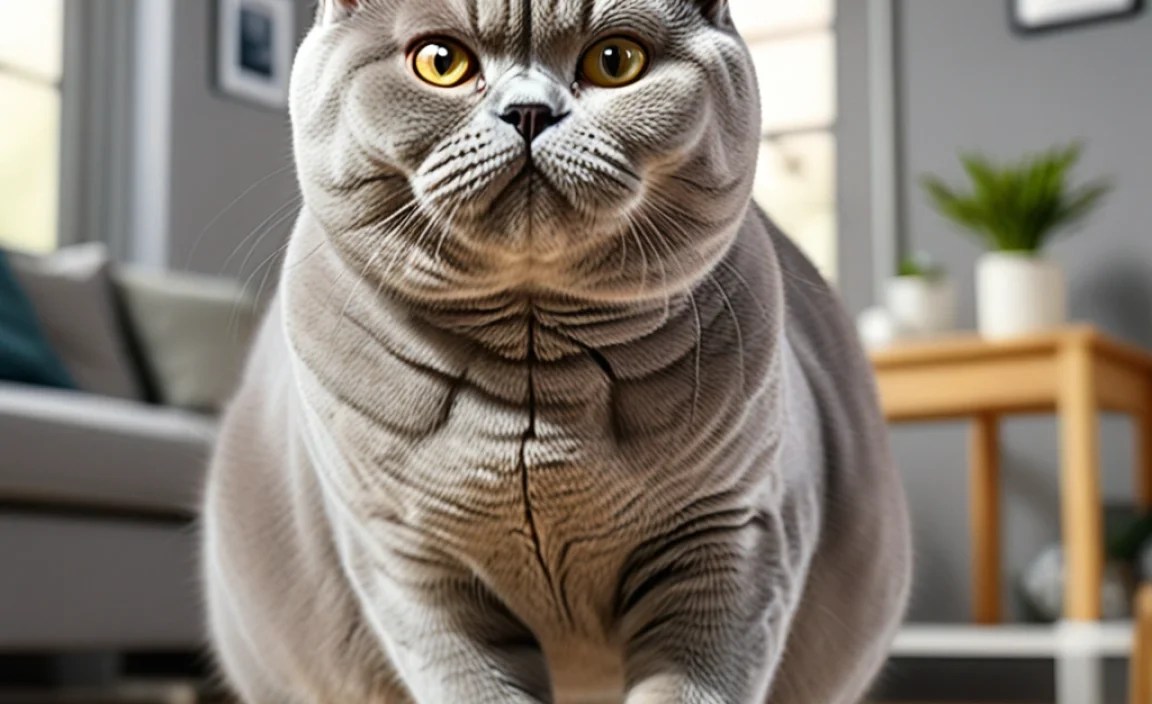
Bringing a British Shorthair into your home is like welcoming a fluffy, four-legged family member. These cats are known for their calm and affectionate nature, making them wonderful companions. But like any pet, they need specific care to truly thrive. Are you unsure where to start? It’s completely normal to feel a little overwhelmed.
Many new owners find it challenging to create the perfect environment for their British Shorthairs. From understanding their grooming needs to providing the right toys, there’s a lot to learn. Don’t worry! This guide breaks down everything you need to know, step by step. Soon, you’ll be a pro at keeping your British Shorthair happy and healthy. Let’s get started on this exciting journey!
Creating a Safe and Comfortable Environment
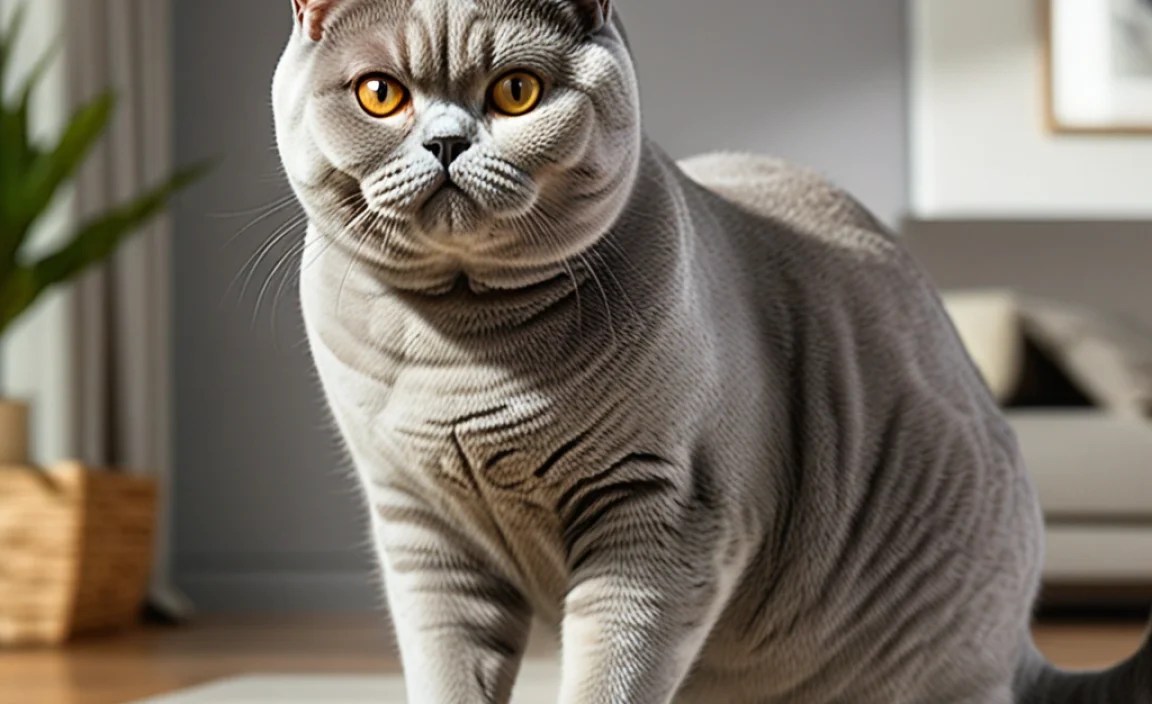
British Shorthairs are creatures of comfort. They love a secure and predictable environment. Here’s how to make your home their purr-fect sanctuary:
Provide a Safe Space
Every cat needs a place to retreat when they feel overwhelmed or scared. This could be a cozy bed, a quiet room, or even a cardboard box. Make sure it’s easily accessible and away from loud noises or heavy foot traffic. According to the RSPCA, providing a safe haven can significantly reduce stress in cats.
Cat-Proof Your Home
Just like you would for a toddler, take steps to cat-proof your home. Secure loose wires, remove toxic plants (like lilies, which are extremely dangerous to cats, according to the ASPCA), and store cleaning supplies out of reach. British Shorthairs are curious and may explore anything within their reach.
Temperature Control
British Shorthairs have thick fur, so they can get overheated easily. Keep your home at a comfortable temperature, especially during the summer months. Provide cool spots like tile floors or shaded areas where they can relax.
Essential Supplies for a Happy British Shorthair

Having the right supplies on hand will make caring for your British Shorthair much easier. Here’s a checklist of must-haves:
- Food and Water Bowls: Choose ceramic or stainless steel bowls, as they are easy to clean and hygienic.
- High-Quality Cat Food: Select a food formulated for British Shorthairs or one that is high in protein and low in fillers.
- Litter Box and Litter: Provide a large, clean litter box and experiment with different types of litter to find one your cat prefers.
- Scratching Post: Essential for maintaining their claws and preventing them from scratching furniture.
- Toys: A variety of toys, including interactive toys, feather wands, and puzzle toys, to keep them entertained.
- Grooming Supplies: A good quality brush and nail clippers.
- Cat Carrier: For vet visits and travel.
- Bedding: A comfortable bed or blanket in a quiet area.
Nutrition: Feeding Your British Shorthair

Proper nutrition is vital for the health and well-being of your British Shorthair. Here’s what you need to know:
Choose High-Quality Food
Look for cat food that lists meat as the primary ingredient. Avoid foods with excessive fillers like corn, wheat, or soy. High-quality food provides the necessary nutrients for a healthy coat, strong muscles, and overall vitality. According to the Cornell Feline Health Center, a balanced diet is crucial for preventing health problems.
Wet vs. Dry Food
Both wet and dry food have their benefits. Dry food is convenient and helps keep their teeth clean. Wet food provides hydration and can be more appealing to some cats. A combination of both can be a good option. Consult with your vet to determine the best diet for your cat.
Portion Control
British Shorthairs are prone to weight gain, so it’s important to control their portions. Follow the feeding guidelines on the food packaging and adjust as needed based on your cat’s activity level and weight. Regular weigh-ins can help you monitor their progress.
Fresh Water
Always provide fresh, clean water. Some cats prefer running water, so a cat fountain can be a good investment. Make sure the water bowl is easily accessible and cleaned daily.
Grooming: Keeping Your British Shorthair Looking Their Best
British Shorthairs have a dense coat that requires regular grooming to prevent mats and tangles. Here’s a grooming routine to follow:
Brushing
Brush your British Shorthair several times a week to remove loose hair and prevent mats. A stainless steel comb or a slicker brush works well. Regular brushing also helps reduce shedding and keeps their coat shiny.
Nail Trimming
Trim your cat’s nails every few weeks to prevent them from becoming too long and sharp. Use cat-specific nail clippers and be careful not to cut the quick (the pink part of the nail containing blood vessels and nerves). If you’re unsure, ask your vet or a groomer to show you how.
Bathing
British Shorthairs don’t need frequent baths unless they get particularly dirty. Over-bathing can strip their coat of natural oils. When you do bathe them, use a cat-specific shampoo and rinse thoroughly.
Ear Cleaning
Check your cat’s ears regularly for dirt and wax buildup. Clean them with a cat-specific ear cleaner and cotton balls. Avoid using cotton swabs, as they can push debris further into the ear canal. If you notice excessive wax, redness, or discharge, consult your vet.
Exercise and Playtime: Keeping Your British Shorthair Active
British Shorthairs are not as active as some other breeds, but they still need regular exercise and playtime to stay healthy and happy. Here are some ways to keep them entertained:
Interactive Toys
Invest in interactive toys like feather wands, laser pointers, and puzzle toys. These toys encourage your cat to chase, pounce, and use their natural hunting instincts. Supervise playtime to ensure they don’t ingest any small parts.
Scratching Posts
Provide multiple scratching posts in different locations around your home. Scratching is a natural behavior that helps cats maintain their claws and stretch their muscles. Place the posts near their favorite spots or areas where they tend to scratch.
Climbing Structures
Cats love to climb, so consider adding a cat tree or shelves to your home. These structures provide vertical space and allow your cat to explore and observe their surroundings from a higher vantage point.
Play Sessions
Schedule regular play sessions with your cat. Even 10-15 minutes of active play each day can make a big difference in their physical and mental well-being. Use toys to engage their hunting instincts and provide plenty of opportunities to chase, pounce, and capture.
Understanding British Shorthair Behavior
Understanding your British Shorthair’s behavior is key to building a strong bond and addressing any potential issues. Here are some common behaviors to be aware of:
Affectionate but Independent
British Shorthairs are known for being affectionate but also independent. They enjoy spending time with their owners but are also content to entertain themselves. Respect their need for personal space and don’t force affection.
Vocalization
British Shorthairs are not typically very vocal cats. They may meow to greet you, ask for food, or express discomfort, but they are generally quiet. Pay attention to their vocalizations and body language to understand what they’re trying to communicate.
Scratching
Scratching is a natural behavior for cats. They scratch to maintain their claws, mark their territory, and stretch their muscles. Provide plenty of scratching posts and redirect them to the posts when they scratch furniture.
Sleeping Habits
Cats sleep a lot, and British Shorthairs are no exception. They may sleep up to 16 hours a day, often in short naps throughout the day and night. Provide comfortable sleeping spots and avoid disturbing them when they’re resting.
Health Considerations for British Shorthairs
While British Shorthairs are generally healthy cats, they are prone to certain health issues. Here’s what you need to know to keep your cat in top shape:
Regular Vet Checkups
Schedule regular vet checkups to catch any potential health problems early. Annual checkups are recommended for adult cats, and more frequent visits may be necessary for kittens and senior cats.
Hypertrophic Cardiomyopathy (HCM)
HCM is a common heart condition in cats, including British Shorthairs. It causes thickening of the heart muscle, which can lead to heart failure. Genetic testing and regular echocardiograms can help detect HCM early.
Polycystic Kidney Disease (PKD)
PKD is a genetic disease that causes cysts to form on the kidneys. These cysts can eventually lead to kidney failure. Genetic testing can identify cats at risk for PKD.
Obesity
British Shorthairs are prone to weight gain, so it’s important to monitor their weight and adjust their diet and exercise accordingly. Obesity can lead to a variety of health problems, including diabetes, arthritis, and heart disease.
Dental Disease
Dental disease is common in cats, and British Shorthairs are no exception. Brush their teeth regularly and provide dental chews to help keep their teeth clean. Regular dental cleanings by your vet are also important.
British Shorthair Temperament and Socialization
British Shorthairs are known for their gentle and adaptable nature. Early socialization helps them become well-adjusted and confident cats. Here’s how to socialize your British Shorthair:
Early Exposure
Expose your kitten to a variety of sights, sounds, and experiences from a young age. This includes introducing them to different people, animals, and environments. Positive experiences during kittenhood can help them become more confident and less fearful as adults.
Gentle Handling
Handle your kitten gently and frequently. This helps them become comfortable with being touched and handled. Start with short, positive interactions and gradually increase the duration as they become more comfortable.
Positive Reinforcement
Use positive reinforcement to reward good behavior. This includes giving them treats, praise, or petting when they exhibit desired behaviors. Avoid punishment, as it can create fear and anxiety.
Socialization with Other Pets
If you have other pets, introduce them gradually and under supervision. Start by allowing them to sniff each other through a closed door, then gradually introduce them face-to-face. Make sure each pet has their own space and resources to avoid competition.
Common Mistakes to Avoid
Even with the best intentions, new British Shorthair owners can make mistakes. Here are some common pitfalls to avoid:
- Overfeeding: British Shorthairs are prone to weight gain, so it’s important to control their portions.
- Neglecting Grooming: Their dense coat requires regular brushing to prevent mats and tangles.
- Ignoring Dental Health: Regular dental care is essential to prevent dental disease.
- Lack of Playtime: They still need regular exercise and playtime to stay healthy and happy.
- Skipping Vet Visits: Regular checkups are crucial for early detection of health problems.
British Shorthair Care: A Quick Guide
Here is a table summarizing British Shorthair care:
| Area | Recommendation |
|---|---|
| Nutrition | High-quality food, portion control, fresh water |
| Grooming | Regular brushing, nail trimming, occasional bathing |
| Exercise | Interactive toys, scratching posts, climbing structures |
| Health | Regular vet checkups, dental care, weight management |
| Environment | Safe space, cat-proofed home, comfortable temperature |
Frequently Asked Questions (FAQ)
Here are some frequently asked questions about caring for British Shorthair cats:
Q: How often should I groom my British Shorthair?
A: Brush your British Shorthair several times a week to prevent mats and tangles. During shedding season, you may need to brush them daily.
Q: What type of food is best for my British Shorthair?
A: Choose a high-quality cat food that lists meat as the primary ingredient. Avoid foods with excessive fillers like corn, wheat, or soy.
Q: How much exercise does my British Shorthair need?
A: Aim for at least 15-20 minutes of active play each day. Provide interactive toys, scratching posts, and climbing structures to keep them entertained.
Q: How often should I take my British Shorthair to the vet?
A: Schedule annual checkups for adult cats, and more frequent visits for kittens and senior cats. Consult your vet for specific recommendations.
Q: Are British Shorthairs good with children?
A: Yes, British Shorthairs are generally good with children. They are known for their gentle and patient nature. However, always supervise interactions between cats and young children to ensure both are safe and comfortable.
Q: How do I know if my British Shorthair is overweight?
A: You should be able to feel their ribs easily without pressing hard. If you can’t feel their ribs, or if they have a noticeable belly sag, they may be overweight. Consult your vet for guidance on weight management.
Q: What are some common health issues in British Shorthairs?
A: British Shorthairs are prone to hypertrophic cardiomyopathy (HCM), polycystic kidney disease (PKD), obesity, and dental disease. Regular vet checkups can help detect these problems early.
Conclusion
Creating a happy home for your British Shorthair is a rewarding experience. By providing a safe and comfortable environment, proper nutrition, regular grooming, and plenty of playtime, you can ensure your feline friend lives a long, healthy, and fulfilling life. Remember, every cat is unique, so pay attention to your British Shorthair’s individual needs and preferences. With patience, love, and the right care, you and your British Shorthair will enjoy many happy years together. Embrace the journey, and enjoy the companionship of this wonderful breed!


