
Choosing the Right Cat Food for Weight Loss: Simple Guide

Have you noticed your cat getting a little round? Do you worry about their health? Choosing the right cat food for weight loss can be tricky. But it is important for your cat’s well-being. A healthy weight helps them live a longer, happier life. Let’s learn how to pick the best food!
Cats need our help to stay fit. We control what they eat. So, we must make good choices. This guide will give you simple tips. You will learn how to read labels. You will also learn how to help your cat slim down safely.
What if your cat could choose their own food? They might pick treats all day! But we know that isn’t healthy. We need to find food that tastes good and helps them lose weight. It’s all about balance and making smart decisions.
Key Takeaways
- Choosing the right cat food for weight loss involves looking for high protein and low carbs.
- Always talk to your vet before changing your cat’s diet. They can offer the best advice.
- Measure your cat’s food carefully to control how much they eat each day.
- Wet food can be better than dry food because it has fewer calories and more moisture.
- Slow and steady weight loss is safer than trying to make your cat lose weight quickly.
Understanding Your Cat’s Weight Needs
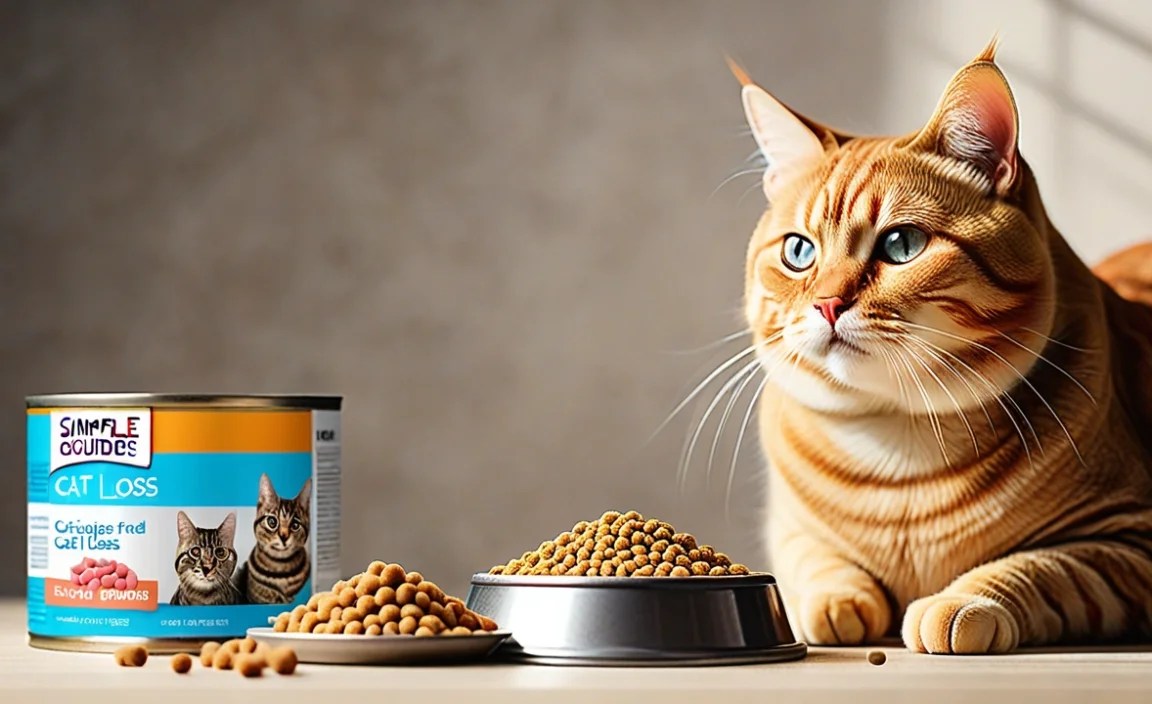
Just like people, cats can be different sizes. Some cats are naturally bigger. Others are smaller. But if your cat is carrying extra weight, it can cause problems. Overweight cats are more likely to get sick. They might have trouble breathing or moving around. They can even get diabetes. It is a serious disease. Knowing if your cat needs to lose weight is the first step. You can check their body. Can you feel their ribs easily? Can you see a clear waistline when you look at them from above? If not, they might need to slim down. Your vet can help you decide if your cat needs to lose weight. They can also help you figure out how much weight they need to lose. This is a key part of choosing the right cat food for weight loss.
- Feel your cat’s ribs. You should be able to feel them easily.
- Look at your cat from above. They should have a visible waistline.
- Watch how your cat moves. Do they seem tired or have trouble jumping?
- Talk to your vet about your cat’s weight. Get their professional opinion.
- Remember that every cat is different. What’s healthy for one cat might not be healthy for another.
Once you know your cat needs to lose weight, you can start making changes. Don’t rush into things. A slow and steady approach is best. This will help your cat lose weight safely. It will also help them keep the weight off. Start by talking to your vet about choosing the right cat food for weight loss. They can recommend a specific food or give you guidelines to follow. Remember, you are doing this to help your cat live a longer, healthier life. It might take time and effort, but it is worth it.
Fun Fact or Stat: Did you know that over 50% of cats are overweight or obese? That means that many cats could benefit from losing weight!
How to Tell if Your Cat Is Overweight?
Is your cat looking a little fluffy? It can be hard to tell if your cat is overweight. They might just seem cuddly! But extra weight can be bad for their health. One way to check is to feel their ribs. You should be able to feel them easily with just a little pressure. If you have to push hard to feel their ribs, they might be overweight. Also, look at your cat from above. Do they have a clear waistline? If they look like a sausage, they probably need to lose weight. Your vet can give you the best advice. They can check your cat and tell you for sure if they need to slim down. Choosing the right cat food for weight loss starts with knowing if your cat needs it!
Why Is My Cat Gaining Weight?
Have you ever wondered why some cats gain weight easily? There are many reasons. Sometimes, it is because they are eating too much. We might be giving them too many treats or too much food at mealtime. Some cats also become less active as they get older. They might sleep more and play less. This means they don’t burn as many calories. Certain health problems can also cause weight gain. If you are worried about your cat’s weight, talk to your vet. They can check for any health issues. They can also help you figure out how to adjust your cat’s diet. Choosing the right cat food for weight loss is about understanding why your cat gained weight in the first place.
What Are the Risks of Being Overweight?
Being overweight can cause many problems for cats. It can make it harder for them to move around. They might have trouble jumping or playing. Overweight cats are also more likely to get sick. They can develop diabetes, which is a serious disease. They can also have problems with their joints. This can make it painful for them to walk. Overweight cats might also have trouble breathing. This is because the extra weight puts pressure on their lungs. Helping your cat lose weight can improve their health and quality of life. Choosing the right cat food for weight loss can help prevent these problems. It can help your cat live a longer, happier life.
Reading Cat Food Labels for Weight Loss

Reading cat food labels can be confusing. There are so many numbers and words! But learning how to read labels is important. It will help you make the best choice for your cat. When choosing the right cat food for weight loss, look for a few key things. First, check the protein content. Protein helps cats feel full. It also helps them build muscle. Look for foods with a high percentage of protein. Next, check the fat content. Fat provides energy, but too much can lead to weight gain. Look for foods with a moderate amount of fat. Finally, check the carbohydrate content. Carbohydrates are often used as fillers in cat food. They can contribute to weight gain. Look for foods with low carbohydrates.
- Check the protein content. Aim for higher protein levels.
- Look at the fat content. Choose foods with moderate fat.
- Examine the carbohydrate content. Go for low-carb options.
- Read the ingredient list. Real meat should be one of the first ingredients.
- Pay attention to the calorie count per serving.
- Compare different brands and products.
Don’t just look at the numbers on the label. Also, read the ingredient list. The ingredients are listed in order of weight. This means that the first ingredient is the most abundant. Look for foods where real meat is one of the first ingredients. Avoid foods that are full of fillers like corn or wheat. Remember that choosing the right cat food for weight loss is not just about the numbers. It’s also about the quality of the ingredients. By taking the time to read labels carefully, you can make a better choice for your cat. You can help them lose weight and stay healthy.
Fun Fact or Stat: Cat food labels are required to list the guaranteed analysis, which includes the minimum percentages of crude protein and crude fat, and the maximum percentages of crude fiber and moisture.
What Does “Crude Protein” Mean?
Have you ever seen “crude protein” on a cat food label and wondered what it means? It’s not as strange as it sounds! Crude protein is just a way of measuring the total amount of protein in the food. It includes all the different types of protein. Protein is very important for cats. It helps them build and repair their muscles. It also gives them energy. When choosing the right cat food for weight loss, you want to look for foods with a high percentage of crude protein. This will help your cat feel full and satisfied. It will also help them maintain their muscle mass while they lose weight.
Why Are Carbohydrates Important to Consider?
Carbohydrates are a source of energy for cats. But they are not as important as protein and fat. Many cat foods contain a lot of carbohydrates. These carbohydrates often come from fillers like corn or wheat. These fillers don’t provide much nutrition. They can also contribute to weight gain. When choosing the right cat food for weight loss, it’s important to consider the carbohydrate content. Look for foods that are low in carbohydrates. This will help your cat lose weight without feeling hungry. It will also help them stay healthy.
How Do I Compare Different Cat Food Labels?
Comparing cat food labels can be tricky. Different brands use different serving sizes. This can make it hard to compare the nutritional content. One way to compare labels is to look at the guaranteed analysis. This lists the percentages of protein, fat, and carbohydrates. You can also look at the calorie content per serving. This will help you compare the energy content of different foods. When choosing the right cat food for weight loss, it’s important to compare several different brands. This will help you find the best option for your cat.
Wet vs. Dry Food for Weight Loss

Wet food and dry food are both popular choices for cats. But which one is better for weight loss? Wet food can be a good option. It usually has fewer calories than dry food. It also has a higher water content. This can help your cat feel full. Dry food is convenient. It can be left out all day. But it is often higher in calories and carbohydrates. This can make it harder for your cat to lose weight. When choosing the right cat food for weight loss, consider both wet and dry options. You might even try feeding your cat a combination of both.
- Wet food is typically lower in calories.
- Wet food has higher moisture content.
- Dry food is more convenient to serve.
- Dry food can be higher in carbohydrates.
- Mixing wet and dry food can offer benefits.
- Consider your cat’s preferences.
Ultimately, the best choice depends on your cat’s individual needs. Some cats prefer wet food. Others prefer dry food. You might need to experiment to see what works best. Talk to your vet for advice. They can help you choose the right type of food. They can also help you determine how much to feed your cat. Remember that choosing the right cat food for weight loss is just one part of the equation. You also need to make sure your cat is getting enough exercise. A healthy diet and plenty of play will help your cat lose weight and stay healthy.
Fun Fact or Stat: Wet cat food typically contains around 70-80% water, while dry cat food contains only about 10%.
What Are the Benefits of Wet Food?
Wet food has several benefits for cats. One of the biggest benefits is its high moisture content. Cats often don’t drink enough water. Wet food can help them stay hydrated. This is especially important for cats with kidney problems. Wet food is also typically lower in calories than dry food. This can make it easier to control your cat’s weight. When choosing the right cat food for weight loss, wet food can be a good option. It can help your cat feel full and satisfied without adding extra calories.
What Are the Benefits of Dry Food?
Dry food also has its benefits. It is convenient to store and serve. You can leave it out all day without it spoiling. This can be helpful if you are not home during the day. Dry food can also help keep your cat’s teeth clean. The crunchy texture can help remove plaque and tartar. However, dry food is often higher in calories and carbohydrates than wet food. When choosing the right cat food for weight loss, you need to be careful with portion sizes when feeding dry food.
Can I Mix Wet and Dry Food?
Mixing wet and dry food can be a good way to get the benefits of both. You can feed your cat wet food in the morning and dry food in the evening. This will help them stay hydrated and control their calorie intake. Mixing wet and dry food can also make mealtime more interesting for your cat. They might enjoy the variety of textures and flavors. When choosing the right cat food for weight loss, mixing wet and dry food can be a good strategy. Just be sure to adjust the portion sizes accordingly.
Portion Control and Feeding Schedules
Choosing the right cat food for weight loss is only half the battle. You also need to control how much your cat eats. Portion control is very important. It means measuring your cat’s food carefully. Don’t just fill up their bowl. Use a measuring cup to give them the right amount. Feeding schedules are also helpful. Instead of leaving food out all day, feed your cat at specific times. This will help them learn when to expect food. It will also prevent them from overeating. Talk to your vet about the right portion size and feeding schedule for your cat.
- Measure your cat’s food carefully.
- Use a measuring cup to control portions.
- Feed your cat at specific times each day.
- Avoid leaving food out all day long.
- Split your cat’s daily food into multiple small meals.
- Be consistent with your feeding schedule.
It can be tempting to give your cat extra food. They might look at you with those big, pleading eyes. But resist the urge! Sticking to the right portion size is important. It will help your cat lose weight and stay healthy. If you are having trouble with portion control, try using an automatic feeder. These feeders dispense a specific amount of food at set times. This can help you stay on track. Remember, choosing the right cat food for weight loss and controlling portions go hand in hand. Together, they can help your cat reach a healthy weight.
Fun Fact or Stat: Cats fed measured meals are less likely to be overweight than those allowed to eat freely.
How Much Should I Feed My Cat?
Figuring out how much to feed your cat can be tricky. The amount of food they need depends on several factors. These factors include their weight, age, and activity level. A good starting point is to follow the feeding guidelines on the cat food label. However, these guidelines are just estimates. You might need to adjust the amount based on your cat’s individual needs. Talk to your vet for advice. They can help you determine the right portion size for your cat. Choosing the right cat food for weight loss and feeding the correct amount will help your cat slim down.
Why Is a Feeding Schedule Important?
A feeding schedule can help your cat lose weight. It can also prevent them from overeating. When food is always available, cats tend to graze throughout the day. This can lead to weight gain. By feeding your cat at specific times, you can control how much they eat. A feeding schedule can also help your cat feel more secure. They will know when to expect food. This can reduce anxiety and begging. Choosing the right cat food for weight loss and following a consistent feeding schedule will help your cat stay healthy.
What If My Cat Begs for More Food?
It can be tough when your cat begs for more food. Those big eyes can be hard to resist! But giving in to their begging can undo all your hard work. If your cat begs for food, try distracting them with a toy. You can also give them attention and playtime. Sometimes, cats beg for food because they are bored or lonely. If you are worried about your cat’s begging, talk to your vet. They can rule out any underlying health problems. Choosing the right cat food for weight loss and ignoring the begging will help your cat reach their ideal weight.
The Role of Exercise in Weight Loss
Choosing the right cat food for weight loss is important, but it’s not the only thing that matters. Exercise also plays a big role. Just like people, cats need to be active to stay healthy. Exercise helps them burn calories. It also helps them build muscle. A more active cat is more likely to lose weight. There are many ways to encourage your cat to exercise. You can play with them using toys. You can also create an environment that encourages them to move around.
- Play with your cat using toys like wands and lasers.
- Create a stimulating environment with climbing trees and perches.
- Encourage your cat to chase toys.
- Use puzzle feeders to make them work for their food.
- Take your cat for walks on a leash (if they are comfortable).
- Make sure your cat has plenty of space to move around.
Even a little bit of exercise can make a difference. Start slowly and gradually increase the amount of activity. Pay attention to your cat’s body language. If they seem tired or uncomfortable, stop and let them rest. Remember, the goal is to make exercise fun. Choosing the right cat food for weight loss and adding exercise to your cat’s routine will help them reach a healthy weight. It will also improve their overall well-being.
Fun Fact or Stat: Just 15 minutes of playtime a day can significantly improve your cat’s physical and mental health.
What Are Some Fun Ways to Exercise My Cat?
There are many fun ways to exercise your cat. One popular option is to use a laser pointer. Cats love to chase the little red dot. Just be careful not to shine the laser in their eyes. Another fun option is to use a wand toy with feathers or ribbons. Cats enjoy batting and chasing these toys. You can also try puzzle feeders. These feeders make your cat work for their food. This can be a fun and engaging way to exercise their mind and body. Choosing the right cat food for weight loss and playing with your cat will make them feel great!
How Can I Create an Active Environment for My Cat?
Creating an active environment for your cat is important. This means providing them with opportunities to climb, jump, and explore. You can set up a cat tree or climbing shelves. These will give your cat a place to climb and survey their surroundings. You can also leave out toys for them to play with. Rotate the toys regularly to keep them interested. Make sure your cat has plenty of space to move around. Choosing the right cat food for weight loss and making their environment exciting will keep your cat happy and fit.
How Do I Know If My Cat Is Getting Enough Exercise?
It can be hard to tell if your cat is getting enough exercise. Look for signs of activity. Are they playing with their toys? Are they climbing and jumping? Are they exploring their environment? If your cat seems lazy or inactive, they might need more exercise. Try increasing the amount of playtime you have with them. You can also try adding new toys or activities to their routine. Choosing the right cat food for weight loss and seeing your cat play means they are getting good exercise.
Working with Your Veterinarian
Your veterinarian is your best resource for choosing the right cat food for weight loss. They can assess your cat’s overall health. They can also help you determine the best diet and exercise plan. Don’t try to put your cat on a diet without talking to your vet first. They can rule out any underlying health problems that might be contributing to weight gain. They can also give you personalized advice based on your cat’s individual needs. Your vet can also monitor your cat’s progress and make adjustments to the plan as needed.
| Food Type | Protein | Fat | Carbs |
|---|---|---|---|
| Weight Loss Dry Food | High | Moderate | Low |
| Maintenance Dry Food | Moderate | Moderate | Moderate |
| Weight Loss Wet Food | High | Low | Very Low |
| Maintenance Wet Food | Moderate | Moderate | Low |
- Schedule regular checkups with your veterinarian.
- Discuss your cat’s weight and health concerns.
- Ask for recommendations on the best food.
- Follow your vet’s advice on portion sizes.
- Monitor your cat’s progress and report any changes.
- Don’t make drastic changes to your cat’s diet without consulting your vet.
Remember that weight loss is a process. It takes time and patience. Don’t get discouraged if you don’t see results right away. Just keep following your vet’s advice. Be consistent with the diet and exercise plan. Celebrate small victories along the way. Choosing the right cat food for weight loss and working with your vet will help your cat achieve a healthy weight. It will also improve their quality of life.
Fun Fact or Stat: Regular veterinary checkups can help detect health problems early, making them easier to treat and manage.
Why Is It Important to Consult My Veterinarian?
Consulting your veterinarian is very important. They can assess your cat’s overall health. They can also rule out any underlying health problems. Some health problems can cause weight gain. Others can make it difficult for your cat to lose weight. Your vet can also help you determine the best diet and exercise plan. They can give you personalized advice based on your cat’s individual needs. Choosing the right cat food for weight loss and talking to your vet will ensure your cat stays healthy.
What Questions Should I Ask My Veterinarian?
When you talk to your vet, ask questions about your cat’s weight. Ask what their ideal weight should be. Ask about the best food for weight loss. Ask about portion sizes and feeding schedules. Ask about exercise recommendations. The more information you have, the better equipped you will be to help your cat lose weight. Choosing the right cat food for weight loss and asking your vet questions will make sure you’re well-informed.
How Often Should I Visit My Veterinarian?
How often you should visit your vet depends on your cat’s age and health. Young, healthy cats typically need to see the vet once a year. Older cats or cats with health problems might need to see the vet more often. Talk to your vet about the best schedule for your cat. Regular checkups can help detect health problems early. This can make them easier to treat. Choosing the right cat food for weight loss and regular vet visits will keep your cat in great shape.
Transitioning Your Cat to a New Food
Changing your cat’s food can be tricky. Cats can be picky eaters. They don’t always like new things. It’s important to transition them to a new food slowly. This will help prevent digestive problems. Start by mixing a small amount of the new food with their old food. Gradually increase the amount of new food over several days. Watch your cat for any signs of digestive upset. If they have diarrhea or vomiting, slow down the transition. Choosing the right cat food for weight loss and making a smooth transition will keep your cat happy.
- Introduce new food gradually over 7-10 days.
- Mix a small amount of new food with the old food.
- Slowly increase the amount of new food each day.
- Watch for signs of digestive upset.
- If your cat refuses to eat, don’t force it.
- Be patient and persistent.
Some cats are more resistant to change than others. If your cat is refusing to eat the new food, try mixing it with something they really like. You can also try warming the food slightly. This can make it more appealing. If you are still having trouble, talk to your vet. They can give you additional tips. Remember, choosing the right cat food for weight loss is just the first step. You also need to make sure your cat will actually eat it. A gradual transition will help ensure success.
Fun Fact or Stat: A gradual food transition can help prevent digestive upset in up to 80% of cats.
Why Is a Gradual Transition Important?
A gradual transition is important for several reasons. It gives your cat’s digestive system time to adjust to the new food. This can help prevent diarrhea and vomiting. It also gives your cat time to get used to the taste and texture of the new food. This can make them more likely to accept it. Choosing the right cat food for weight loss and transitioning slowly is the best way to avoid problems.
What If My Cat Refuses to Eat the New Food?
If your cat refuses to eat the new food, don’t panic. Try mixing it with something they really like. You can also try warming the food slightly. If they still refuse to eat it, try a different brand or flavor. Some cats are just picky eaters. It might take some trial and error to find a food they like. Choosing the right cat food for weight loss and finding a food your cat enjoys will make mealtime easier.
How Long Should the Transition Period Last?
The transition period should last about 7-10 days. This gives your cat’s digestive system enough time to adjust to the new food. Start by mixing a small amount of the new food with their old food. Gradually increase the amount of new food each day. Watch your cat for any signs of digestive upset. If they have diarrhea or vomiting, slow down the transition. Choosing the right cat food for weight loss and being patient during the transition will help your cat adjust.
Summary
Choosing the right cat food for weight loss involves several steps. First, you need to determine if your cat is overweight. You can do this by feeling their ribs and looking at their waistline. Next, you need to talk to your vet. They can help you rule out any underlying health problems. They can also help you determine the best diet and exercise plan. When choosing a food, look for options that are high in protein and low in carbohydrates. Wet food can be a good option because it is typically lower in calories and higher in moisture.
Portion control is also important. Measure your cat’s food carefully and feed them at specific times each day. Don’t leave food out all day long. Exercise is also important. Play with your cat using toys and create an environment that encourages them to move around. Transition your cat to the new food slowly to prevent digestive problems. By following these tips, you can help your cat lose weight and stay healthy.
Conclusion
Helping your cat lose weight can be a rewarding experience. It can improve their health and quality of life. It takes time and patience, but it is worth it. Remember to talk to your vet before making any changes to your cat’s diet or exercise routine. Be consistent with the plan and celebrate small victories along the way. Choosing the right cat food for weight loss combined with exercise and veterinary guidance will help your feline friend live a longer, healthier, and happier life.
Frequently Asked Questions
Question No 1: How do I know if my cat is overweight?
Answer: You can tell if your cat is overweight by feeling their ribs. You should be able to feel them easily with just a little pressure. If you have to push hard to feel their ribs, they might be overweight. You can also look at your cat from above. They should have a clear waistline. If they look like a sausage, they probably need to lose weight. Your vet can also help you assess your cat’s weight. They can give you a professional opinion. Choosing the right cat food for weight loss is important if your vet says your cat is overweight.
Question No 2: What kind of food is best for weight loss?
Answer: The best kind of food for weight loss is high in protein and low in carbohydrates. Protein helps cats feel full. It also helps them build muscle. Carbohydrates can contribute to weight gain. Wet food can be a good option because it is typically lower in calories and higher in moisture. Look for foods that are specifically formulated for weight loss. These foods are designed to help cats lose weight safely and effectively. Remember, choosing the right cat food for weight loss is about finding a balance of nutrients that supports weight loss.
Question No 3: How much should I feed my cat?
Answer: How much you should feed your cat depends on their weight, age, and activity level. A good starting point is to follow the feeding guidelines on the cat food label. However, these guidelines are just estimates. You might need to adjust the amount based on your cat’s individual needs. Talk to your vet for advice. They can help you determine the right portion size for your cat. Using a measuring cup will help you control portions. Choosing the right cat food for weight loss and feeding the correct amount will help your cat slim down.
Question No 4: How often should I feed my cat?
Answer: It’s best to feed your cat at specific times each day. This will help them learn when to expect food. It will also prevent them from overeating. Instead of leaving food out all day, feed your cat two or three small meals. This can help them feel more satisfied and prevent them from begging for food. A consistent feeding schedule can also help regulate their metabolism. Choosing the right cat food for weight loss and following a consistent feeding schedule is key.
Question No 5: How can I encourage my cat to exercise?
Answer: There are many ways to encourage your cat to exercise. You can play with them using toys like wands and lasers. You can also create an environment that encourages them to move around. Set up a cat tree or climbing shelves. Leave out toys for them to play with. Make sure your cat has plenty of space to move around. Even a little bit of exercise can make a difference. Choosing the right cat food for weight loss and exercising your cat will make them healthier.
Question No 6: What if my cat is a picky eater?
Answer: If your cat is a picky eater, it can be challenging to get them to eat new food. Try mixing a small amount of the new food with their old food. Gradually increase the amount of new food over several days. You can also try warming the food slightly. This can make it more appealing. If you are still having trouble, talk to your vet. They can give you additional tips. Remember, choosing the right cat food for weight loss sometimes means trying different brands and flavors until you find one your cat likes.


