
Cat Wellness Diet Tips: The Easy Guide

Cats are great pets. They are soft and playful. Do you want your cat to be healthy? Good food is key. What are some {Cat wellness diet tips}? Let’s find out how to feed your cat right!
A good diet helps cats live long lives. It also makes them happy. Keep reading for great tips.
Key Takeaways
- Following simple {Cat wellness diet tips} will improve your cat’s health.
- Choose high-quality cat food with real meat as the main ingredient.
- Always provide your cat with fresh, clean water to stay hydrated.
- Avoid giving your cat too many treats or human food.
- Talk to your vet about the best diet for your cat’s specific needs.
Understanding Basic Cat Nutrition Needs
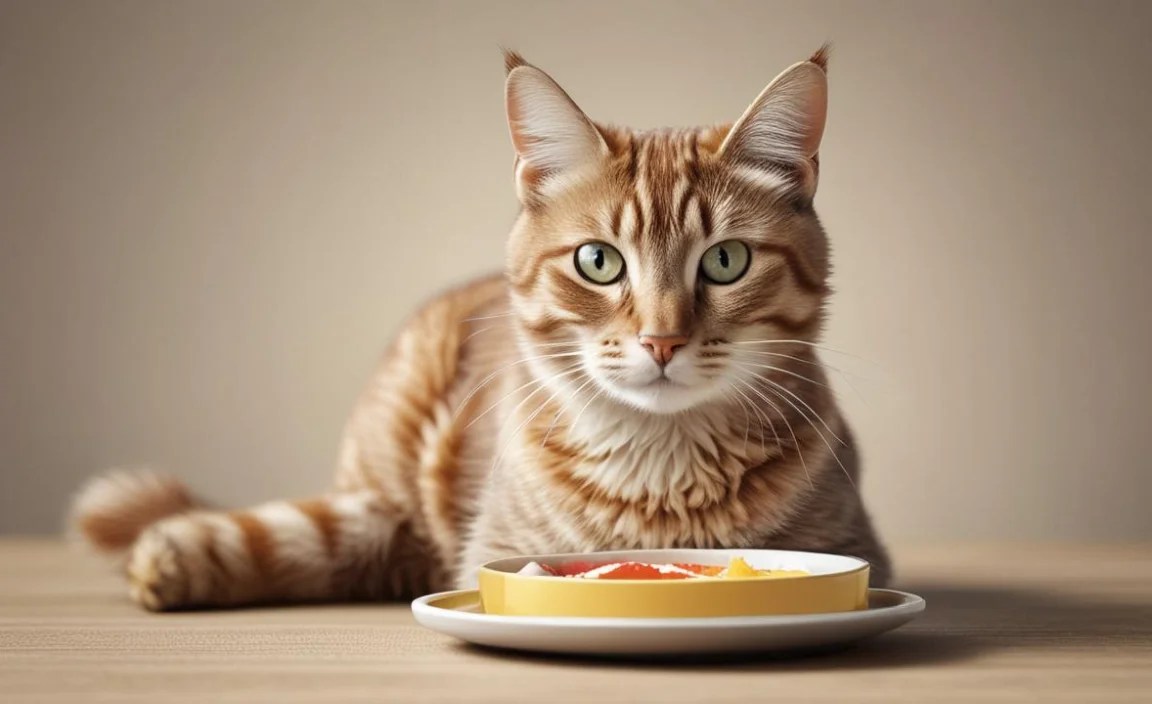
Cats need the right food to grow and stay healthy. Cats are carnivores. This means they need meat. Look for cat food with real meat listed first. Chicken, turkey, or fish are good choices. These provide the protein cats need. Protein helps build strong muscles. It also gives them energy to play. Make sure the food has the right vitamins and minerals. These nutrients keep them healthy. Some foods have too many fillers. Fillers are things like corn or wheat. These are not good for cats. They can cause allergies or stomach problems. Always read the label carefully. Choose food that is good for your cat.
- Cats need meat for protein.
- Choose food with real meat first.
- Avoid foods with too many fillers.
- Vitamins and minerals are important.
- Read the food label carefully.
Water is also very important for cats. Cats can easily get dehydrated. Dehydration is when their body doesn’t have enough water. Always keep a bowl of fresh water available. Clean the bowl every day. Some cats like to drink from a fountain. A fountain can encourage them to drink more. Wet food can also help. Wet food has more water than dry food. If your cat doesn’t drink much, try wet food. Watching your cat’s food and water intake is one of the most important {Cat wellness diet tips}.
Why is Protein Important for Cats?
Imagine building a house. What do you need? You need strong materials like wood and bricks. Protein is like the wood and bricks for a cat’s body. It helps them build and repair muscles. Protein also helps with their skin and fur. Without enough protein, cats can become weak. They might lose muscle. Their fur might look dull. So, it’s really important to give your cat food that is high in protein. Think of it as giving them the best building blocks for a healthy body. Do you want your cat to be strong and healthy? Make sure they get enough protein!
What are Fillers in Cat Food?
Have you ever eaten a snack that didn’t really fill you up? That’s kind of like fillers in cat food. Fillers are ingredients like corn, wheat, and soy. They don’t give cats much nutrition. Some cats can even be allergic to them. Imagine your cat’s tummy getting upset after every meal. That’s no fun! Good cat food has less filler and more of the good stuff, like meat. Less filler means more room for the important nutrients that keep your cat healthy and happy. Always check the ingredients list to make sure you’re giving your cat the best.
How Does Water Help Cats?
Imagine running a race on a hot day. You get really thirsty, right? Water helps cats in the same way. It keeps their bodies working well. Water helps them digest food. It helps them get rid of waste. Without enough water, cats can get sick. They can even get serious problems like kidney disease. So, water is super important. Make sure your cat always has fresh, clean water to drink. It’s like giving them a refreshing drink after a long day of playing. Keeping your cat hydrated is a simple way to keep them healthy.
Fun Fact or Stat: A cat’s tongue has tiny barbs that help them groom themselves and drink water!
Choosing the Right Type of Cat Food

There are many types of cat food. It can be hard to choose the best one. Dry food is popular. It is easy to store and can help clean teeth. Wet food has more moisture. This can be good for cats that don’t drink much water. There are also special diets for cats with health problems. Some cats need food for sensitive stomachs. Others need food for weight management. Look at the ingredients list. Choose food with real meat as the first ingredient. Avoid foods with lots of fillers. Talk to your vet. They can help you choose the right food for your cat. Following these {Cat wellness diet tips} will help you make the best choice for your feline friend.
- Dry food is easy to store.
- Wet food has more moisture.
- Special diets are for health problems.
- Read the ingredients list.
- Talk to your vet.
Consider your cat’s age and activity level. Kittens need different food than adult cats. Senior cats have different needs too. Kittens need food that helps them grow. Adult cats need food to maintain their weight. Senior cats may need food that is easier to digest. Active cats need more calories. Less active cats need fewer calories. Choose food that matches your cat’s needs. Always read the feeding guidelines on the package. These guidelines will help you know how much to feed your cat.
| Cat Stage | Dietary Needs | Food Type |
|---|---|---|
| Kitten (0-1 year) | High protein, high fat | Kitten-specific formula |
| Adult (1-7 years) | Balanced protein, moderate fat | Adult maintenance formula |
| Senior (7+ years) | Lower calories, easily digestible | Senior formula |
| Active Cat | Higher calories, higher protein | Active lifestyle formula |
Dry Food vs. Wet Food: Which is Better?
Imagine you have a choice between crunchy crackers and a juicy apple. Both are good, but they offer different things. Dry food is like the crunchy crackers. It’s easy to store and can help keep your cat’s teeth clean. Wet food is like the juicy apple. It has more water, which is great for cats who don’t drink enough. Some cats prefer one over the other. The best choice depends on your cat’s needs and preferences. Talk to your vet to figure out what’s best. Maybe a mix of both is the perfect solution!
How Do Special Diets Help?
Sometimes, cats have special needs, just like people. Imagine you have a tummy ache and need to eat bland food. Special diets are like that for cats. They can help with things like allergies, sensitive stomachs, or weight problems. These diets are made with specific ingredients. They can help your cat feel better. If your vet suggests a special diet, it’s important to follow their advice. It’s like giving your cat medicine in the form of food. It can make a big difference in their health and happiness.
Why is Age Important When Choosing Food?
Think about how babies need different food than grown-ups. The same is true for cats! Kittens need food that helps them grow big and strong. Adult cats need food to keep them healthy and active. Senior cats need food that’s easy to digest. Choosing the right food for your cat’s age is like giving them the right tools for the job. It helps them stay healthy and happy at every stage of their life. So, pay attention to your cat’s age when picking out their food!
Fun Fact or Stat: Cats can taste sour, bitter, and salty, but they can’t taste sweet!
Reading Cat Food Labels Correctly

Reading cat food labels can be confusing. The label tells you what is in the food. Look for the ingredient list. Ingredients are listed in order of weight. The first ingredient is the most abundant. Make sure the first ingredient is meat. Check the protein content. Cats need high protein. Look for the words “complete and balanced.” This means the food has all the nutrients your cat needs. Avoid foods with artificial colors or flavors. These are not good for your cat. Be aware of any ingredients your cat is allergic to. Learning to read labels is one of the most useful {Cat wellness diet tips}.
- Check the ingredient list.
- Look for meat as the first ingredient.
- Check the protein content.
- Look for “complete and balanced.”
- Avoid artificial colors and flavors.
Pay attention to the guaranteed analysis. This tells you the percentage of protein, fat, and fiber. Protein should be high. Fat should be moderate. Fiber helps with digestion. Also, look for the expiration date. Do not feed your cat food that is past its expiration date. Store cat food properly. Keep it in a cool, dry place. This helps keep it fresh. A good diet is important for your cat’s health.
What Does “Complete and Balanced” Mean?
Imagine you’re building a puzzle. You need all the pieces to complete the picture. “Complete and balanced” on a cat food label means the food has all the nutrients your cat needs to stay healthy. It’s like a puzzle with all the pieces included! This means it has the right amount of protein, fat, vitamins, and minerals. You don’t need to add anything else to their diet. It’s a simple way to make sure your cat is getting everything they need. Look for this phrase on the label to ensure your cat gets a well-rounded diet.
Why are Artificial Ingredients Bad?
Think of artificial ingredients like fake toys. They might look fun, but they’re not as good as the real thing. Artificial colors and flavors don’t add any nutrition to your cat’s food. Some cats can even be sensitive to them. They can cause allergies or stomach problems. It’s better to choose foods with natural ingredients. These are healthier and safer for your cat. Real ingredients mean real nutrition, which is what your cat needs to thrive.
How to Store Cat Food Properly?
Imagine you’re saving your favorite cookies for later. You wouldn’t leave them out in the sun, right? You’d want to keep them fresh. The same goes for cat food. Store it in a cool, dry place. This helps keep it from going bad. You can also use an airtight container. This keeps out moisture and bugs. Always check the expiration date before feeding your cat. Storing food properly keeps it fresh and safe for your furry friend.
Fun Fact or Stat: The ingredient list on a cat food label is like a recipe, showing you everything that’s inside!
Setting a Regular Feeding Schedule

Cats like routine. A regular feeding schedule helps them feel secure. Feed your cat at the same time each day. This helps regulate their appetite. It also helps prevent overeating. Most adult cats do well with two meals a day. Kittens need to eat more often. They need more food to grow. Divide your cat’s daily food into smaller meals. This helps them digest it better. Avoid leaving food out all day. This can lead to overeating and weight gain. Set a schedule and stick to it. These {Cat wellness diet tips} can prevent health problems.
- Feed your cat at the same time each day.
- Most adult cats need two meals a day.
- Kittens need to eat more often.
- Divide food into smaller meals.
- Avoid leaving food out all day.
Use a measuring cup to portion out your cat’s food. This helps you control how much they eat. Follow the feeding guidelines on the food package. Adjust the amount based on your cat’s weight and activity level. If your cat is gaining weight, reduce their food. If they are losing weight, increase their food. Monitor your cat’s body condition. You should be able to feel their ribs. They should have a visible waist. A healthy weight is important for your cat’s health.
Why is a Feeding Schedule Important?
Think about how you feel when you know when your next meal is. It makes you feel calm and prepared, right? Cats are the same way. A feeding schedule helps them feel secure. They know when to expect food. This can reduce anxiety and prevent overeating. It’s like giving your cat a sense of order and control in their day. A regular feeding schedule is a simple way to make your cat feel happy and safe.
How to Measure Food Portions Accurately?
Imagine you’re baking a cake. You need to measure the ingredients carefully to make it taste good. The same is true for feeding your cat. Use a measuring cup to portion out their food. This helps you control how much they eat. Follow the feeding guidelines on the food package. Don’t just guess! Accurate portions help your cat maintain a healthy weight. It’s like giving them the right amount of fuel for their body.
How to Adjust Portions Based on Activity Level?
Think about how athletes need more food than people who don’t exercise much. The same is true for cats. Active cats need more calories to burn. Less active cats need fewer calories. If your cat is always running and playing, they need more food. If they mostly sleep, they need less. Adjusting portions based on activity level is like giving your cat the right amount of energy for their day. It helps them stay healthy and happy.
Fun Fact or Stat: Cats have about 244 bones in their body, and a good diet helps keep them strong!
Avoiding Harmful Foods for Cats

Some foods are dangerous for cats. Never give your cat chocolate. Chocolate is toxic to cats. It can cause serious health problems. Avoid giving your cat onions and garlic. These can damage their red blood cells. Do not give your cat grapes or raisins. These can cause kidney failure. Milk is not good for adult cats. Many cats are lactose intolerant. This means they cannot digest milk properly. Keep these foods away from your cat. Knowing which foods to avoid is a key part of {Cat wellness diet tips}.
- Never give cats chocolate.
- Avoid onions and garlic.
- Do not give grapes or raisins.
- Milk is not good for adult cats.
- Keep these foods away from cats.
Bones can also be dangerous. They can splinter and cause choking. Raw meat and fish can contain bacteria. These can make your cat sick. Avoid giving your cat alcohol. Alcohol is toxic to cats. Caffeine is also dangerous. Keep coffee and tea away from your cat. Make sure your cat cannot access these harmful foods. A safe diet is important for their health.
Why is Chocolate Bad for Cats?
Imagine eating something that makes you feel really sick. That’s what chocolate does to cats. Chocolate contains a chemical called theobromine. Cats can’t process it very well. It can cause vomiting, diarrhea, and even more serious problems. It’s like giving your cat poison. So, it’s super important to keep chocolate away from your furry friend. Even a small amount can be harmful.
Why are Onions and Garlic Harmful?
Think about how onions and garlic can sometimes make your eyes water. They have strong chemicals that can irritate your body. For cats, these chemicals can damage their red blood cells. This can lead to anemia, a serious health problem. It’s like making their blood weak. So, it’s best to avoid giving your cat onions and garlic. Even in small amounts, they can be harmful.
What Happens When Cats Eat Grapes or Raisins?
Imagine eating something that suddenly makes your kidneys stop working. That’s what grapes and raisins can do to cats. Scientists aren’t exactly sure why, but these fruits can cause kidney failure in cats. This is a very serious condition. It’s like shutting down a vital organ. So, it’s important to keep grapes and raisins away from your cat. It’s better to be safe than sorry.
Fun Fact or Stat: A cat’s sense of smell is much stronger than a human’s, so they can easily detect tempting but harmful foods!
Treats and Supplements: Moderation is Key
Treats can be a fun way to bond with your cat. But too many treats are not healthy. Treats should only be a small part of their diet. Choose healthy treats. Look for treats with real meat. Avoid treats with artificial colors or flavors. Do not give your cat human food as treats. Many human foods are not good for cats. Supplements are not always necessary. A complete and balanced diet should provide all the nutrients your cat needs. Talk to your vet before giving your cat supplements. Moderation is important for treats and supplements. This is one of the most important {Cat wellness diet tips}.
- Treats should be a small part of their diet.
- Choose healthy treats with real meat.
- Avoid treats with artificial colors or flavors.
- Do not give human food as treats.
- Talk to your vet before giving supplements.
Use treats for training or rewards. Do not give treats just because your cat begs. This can lead to weight gain. Measure treats carefully. Do not overfeed. Some cats need supplements. If your cat has a health problem, your vet may recommend supplements. Follow your vet’s instructions carefully. Too many supplements can be harmful.
How to Choose Healthy Treats?
Think about choosing a healthy snack for yourself. You’d probably pick something with good ingredients, right? The same goes for cat treats. Look for treats with real meat as the main ingredient. Avoid treats with lots of fillers or artificial ingredients. Healthy treats are like a little boost of goodness for your cat. They can be a fun and rewarding way to show your cat you care.
Why is Human Food Bad for Cats?
Imagine eating food that’s made for a different animal. It might not have the right nutrients for you, right? Human food is made for humans, not cats. It often has too much salt, sugar, or fat. Some human foods are even toxic to cats. It’s like giving your cat something that could make them sick. So, it’s best to stick to cat food and healthy cat treats.
When are Supplements Necessary?
Think about taking vitamins when you’re not feeling well. Supplements are like that for cats. They can help with specific health problems. For example, a cat with joint pain might need a supplement for their joints. But most healthy cats don’t need supplements. A good diet should provide all the nutrients they need. Always talk to your vet before giving your cat any supplements. It’s like getting a doctor’s advice before taking medicine.
Fun Fact or Stat: Some cat treats are specially designed to help clean their teeth!
Monitoring Your Cat’s Weight and Body Condition
Monitoring your cat’s weight is important. A healthy weight helps them live longer. Weigh your cat regularly. You can use a bathroom scale. Hold your cat and weigh yourself. Then weigh yourself without your cat. Subtract the two numbers. This tells you your cat’s weight. You should also check your cat’s body condition. You should be able to feel their ribs easily. They should have a visible waist. If you cannot feel their ribs, they may be overweight. If their ribs are too visible, they may be underweight. Adjust their food as needed. Staying on top of your cat’s weight is one of the most important {Cat wellness diet tips}.
- Weigh your cat regularly.
- Check their body condition.
- You should be able to feel their ribs.
- They should have a visible waist.
- Adjust their food as needed.
Talk to your vet if you have concerns. They can help you determine your cat’s ideal weight. They can also recommend a diet plan. Regular checkups are important. Your vet can monitor your cat’s health. They can also catch any problems early. A healthy weight and body condition are important for your cat’s well-being.
How Often Should You Weigh Your Cat?
Think about how often you check your own weight. You probably don’t do it every day, but you check it regularly, right? The same goes for your cat. Weigh them every few weeks. This helps you keep track of any changes. If you notice a sudden weight gain or loss, talk to your vet. Regular weigh-ins are like a health check for your cat.
How to Tell if Your Cat is Overweight?
Imagine trying to find your ribs under a thick layer of padding. That’s kind of like what it’s like to feel the ribs of an overweight cat. You shouldn’t have to press hard to feel their ribs. They should have a visible waist when you look at them from above. If your cat is round and you can’t feel their ribs, they’re probably overweight. It’s like carrying extra baggage that’s weighing them down.
What to Do if Your Cat is Underweight?
Think about how you look when you haven’t been eating enough. You might look thin and weak, right? If your cat’s ribs are very visible and they look skinny, they might be underweight. It’s like they’re not getting enough fuel for their body. Talk to your vet to find out why they’re underweight and how to help them gain weight.
Fun Fact or Stat: A healthy cat can jump up to six times their height!
Summary
Feeding your cat the right food is very important. Cats need a diet that is high in protein. They also need the right vitamins and minerals. Choose cat food with real meat as the first ingredient. Avoid foods with too many fillers or artificial ingredients. Always provide fresh, clean water. Feed your cat on a regular schedule. Avoid giving them harmful foods like chocolate, onions, and garlic. Treats should be given in moderation. Talk to your vet about the best diet for your cat. Following these {Cat wellness diet tips} will help your cat live a long and healthy life.
Conclusion
Taking care of your cat’s diet is a big part of keeping them healthy. By choosing the right food, setting a feeding schedule, and avoiding harmful foods, you can help your cat thrive. Remember to monitor their weight and body condition. If you have any concerns, talk to your vet. Small changes in diet can make a big difference. Remember, good {Cat wellness diet tips} can lead to a happier, healthier cat.
Frequently Asked Questions
Question No 1: How often should I feed my cat?
Answer: Most adult cats do well with two meals a day. Kittens need to eat more often, usually three to four times a day. Divide their daily food into smaller meals. This helps them digest it better. A regular feeding schedule helps regulate their appetite. It also prevents overeating. Always follow the feeding guidelines on the food package. Adjust the amount based on your cat’s weight and activity level.
Question No 2: What are some signs that my cat is not getting the right nutrition?
Answer: There are several signs that your cat may not be getting the right nutrition. These include a dull coat, weight loss or gain, lack of energy, digestive issues, and skin problems. If you notice any of these signs, talk to your vet. They can help you determine if your cat’s diet is the problem. They can also recommend a better diet plan. Following good {Cat wellness diet tips} is essential for preventing these issues.
Question No 3: Is it okay to give my cat milk?
Answer: Many adult cats are lactose intolerant. This means they cannot digest milk properly. Giving them milk can cause digestive issues like diarrhea. It is best to avoid giving your cat milk. Always provide fresh, clean water instead. Water is essential for their health. It helps them stay hydrated. If you want to give them a treat, choose a healthy cat treat instead of milk. Remember, {Cat wellness diet tips} often include avoiding milk.
Question No 4: What should I do if my cat is a picky eater?
Answer: Some cats are naturally picky eaters. If your cat is not eating, try different types of cat food. Wet food may be more appealing than dry food. Warm up the food slightly. This can make it more appealing. Make sure the food is fresh. Do not leave food out for too long. If your cat is still not eating, talk to your vet. There may be a medical reason why they are not eating.
Question No 5: Can I give my cat table scraps?
Answer: It is best to avoid giving your cat table scraps. Many human foods are not good for cats. They can contain ingredients that are toxic to cats. Also, table scraps can be high in calories. This can lead to weight gain. Stick to cat food and healthy cat treats. This will help your cat stay healthy. Learning which foods to avoid is one of the most useful {Cat wellness diet tips} to remember.
Question No 6: How can I help my cat lose weight?
Answer: If your cat is overweight, there are several things you can do. First, talk to your vet. They can help you determine a healthy weight for your cat. They can also recommend a diet plan. Measure your cat’s food carefully. Reduce the amount you are feeding them. Choose a cat food that is lower in calories. Encourage your cat to exercise. Play with them regularly. Following these {Cat wellness diet tips} will help your cat lose weight safely.


