
Cat Breeds That Prefer to Stay Low: Find Yours!

Have you ever seen a cat slinking close to the floor? Some cats love to be near the ground. These cats feel safe and secure down low. It’s interesting to learn about cat breeds that prefer to stay low to the ground. They have different reasons for their behavior. Some breeds are built for it!
Why do some cats stick to the ground? It could be their personality. Maybe they are just more cautious. Perhaps they feel more in control when they are low. Let’s explore the world of low-riding kitties. We will discover what makes them unique.
Key Takeaways
- Certain cat breeds that prefer to stay low to the ground feel safer there.
- The Munchkin cat’s short legs make it naturally closer to the floor.
- Some breeds are simply more cautious and prefer lower vantage points.
- A cat’s personality and past experiences can influence its height preference.
- Regular playtime and a safe home can help cats feel secure at any level.
Cat Breeds That Like Staying Low

Some cats just like to keep their paws on the ground. It’s their way of feeling safe and secure. They might not be big climbers or jumpers. Instead, they enjoy exploring the world from a lower level. This can be due to their breed or just their personality. It is fun to see how different cats have different preferences. Some cats love high places, while others prefer the ground. Knowing your cat’s preferences can help you make them happy. Understanding cat breeds that prefer to stay low to the ground helps owners provide the best environment.
- Munchkin cats have very short legs.
- Scottish Folds can be less inclined to jump.
- Persian cats are often more relaxed on the ground.
- British Shorthairs tend to be less active climbers.
- Ragdolls are known for their docile, floor-loving nature.
Some cats are just not big fans of heights. They might feel unsteady or nervous up high. These cats prefer to stay on the ground where they feel more in control. It is like some people prefer to drive while others prefer to fly. Cats have their preferences too! Watching a cat explore its world from the ground can be really cute. They sniff around and investigate every little thing. Owners should respect their cat’s preferences and provide a safe, ground-level environment. Cat breeds that prefer to stay low to the ground are often content with simple toys and soft beds at floor level.
Fun Fact or Stat: Munchkin cats have legs that are about 3 inches shorter than average cats!
Why Do Some Cats Avoid Heights?
Have you ever wondered why some cats don’t like climbing? It could be because they had a bad experience. Maybe they fell once and got scared. Or perhaps they just don’t have the same coordination as other cats. Some cats might have health issues that make it hard to jump. Whatever the reason, it is important to respect their limits. Don’t force them to climb if they don’t want to. Make sure they have safe ways to get around on the ground.
Cats are individuals, just like people. Some are daredevils, while others are more cautious. A cat’s early experiences can shape its preferences. A kitten who falls from a high place might become afraid of heights. On the other hand, a cat that grows up in a safe, ground-level home might never develop a desire to climb. It is all about what makes them feel comfortable. Some cat breeds that prefer to stay low to the ground may have a genetic predisposition towards lower activity levels. We must observe and understand our cat’s unique personality.
How to Encourage Ground-Level Play

Do you want to play with your cat on the ground? Try using toys that roll or bounce. A laser pointer can be fun too, as long as you end on a physical toy. Keep the play sessions short and sweet. You don’t want to tire your cat out too much. Make sure your cat has plenty of toys to play with on its own. This will keep them entertained and happy.
Creating a stimulating environment at ground level is key. Use puzzle feeders to engage your cat’s mind. These feeders require cats to work for their food, which can be mentally stimulating. Scatter toys around the floor to encourage exploration. Cardboard boxes and tunnels can also provide hours of entertainment. Remember to rotate toys regularly to keep things interesting. This helps prevent boredom and keeps your cat active. For cat breeds that prefer to stay low to the ground, a well-designed ground-level play area can be perfect. The goal is to create a space where your cat feels safe, happy, and entertained.
The Importance of a Safe Environment
Is your cat’s home safe and secure? Make sure there are no dangers on the floor. Keep electrical cords out of reach. Store cleaning supplies in a safe place. Remove any small objects that your cat could swallow. A safe home is a happy home. If your cat feels safe, it will be more likely to relax and enjoy its time on the ground.
A safe environment is crucial for any cat, especially those that prefer to stay low. Ensure that the floors are free of sharp objects or anything that could be harmful if ingested. Provide soft bedding in multiple locations so your cat always has a comfortable place to rest. Regular cleaning helps to maintain a healthy environment. Make sure to use cat-friendly cleaning products that won’t irritate your cat’s skin or respiratory system. Remember, a safe and clean home contributes to your cat’s overall well-being. For cat breeds that prefer to stay low to the ground, it is especially important to create a safe and comfortable ground-level space. This will help them feel secure and content in their home.
Understanding Munchkin Cat Behavior
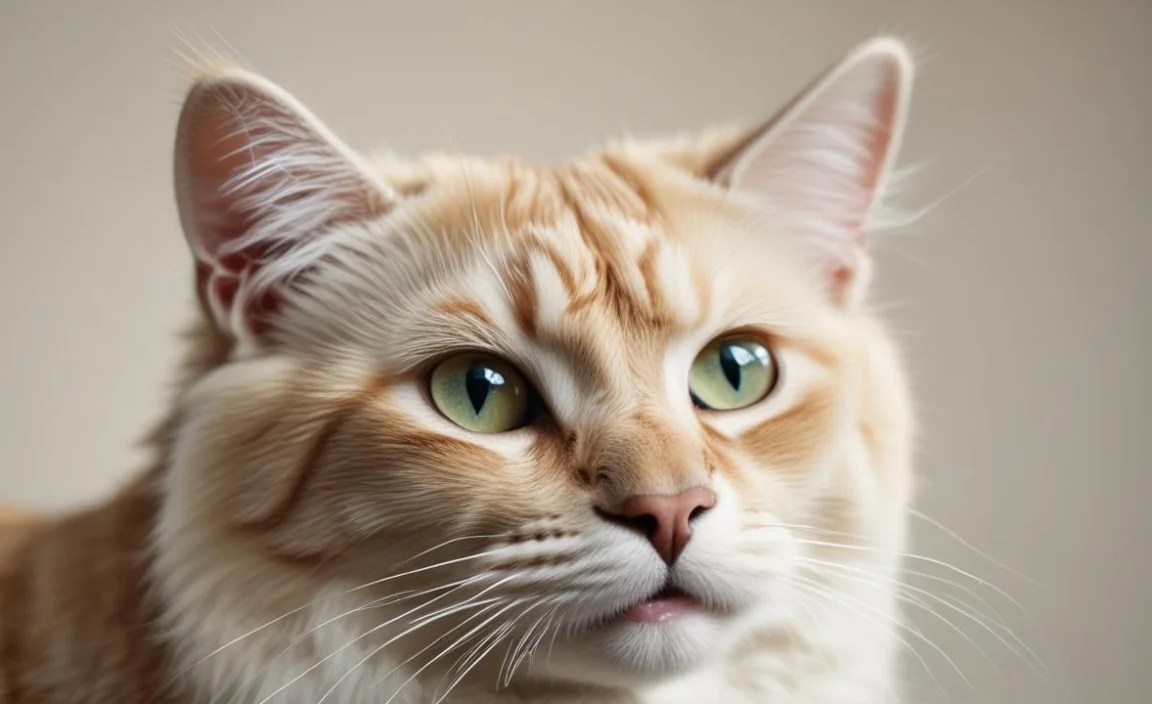
Munchkin cats are known for their short legs. This is because of a genetic mutation. Their short legs don’t stop them from being playful. They can still run, jump, and play like other cats. They just do it closer to the ground. Because of their build, cat breeds that prefer to stay low to the ground like the Munchkin are unique. Munchkin cats are very cute and have a big personality. People love them for their playful and affectionate nature.
- Munchkin cats have short legs due to genetics.
- They are still playful and active.
- They move in a ferret-like way.
- They enjoy playing with toys on the ground.
- Their short legs don’t slow them down.
- They can adapt to different environments.
Munchkin cats are often described as “magpies.” This is because they like to collect shiny objects. They will stash their treasures in a secret spot. They are very curious and love to explore. Their short legs don’t hold them back. They find their own way to get around. They are also very social cats. They love to play with other cats and people. Owning cat breeds that prefer to stay low to the ground, such as a Munchkin, can be a fun and rewarding experience.
Fun Fact or Stat: The first Munchkin cat was discovered in Louisiana in the 1980s!
What Makes Munchkin Cats Unique?
Have you ever seen a cat with legs as short as a Munchkin’s? Their short legs make them look very different from other cats. This unique feature is caused by a genetic mutation. This mutation affects the growth of their long bones. It results in shorter legs but does not affect their overall health. They can still run, jump, and play. They just do it closer to the ground.
Munchkin cats are truly unique in their appearance and movement. Their short legs give them a distinctive waddling gait, often compared to a ferret. Despite their short stature, they are surprisingly agile and quick. They have adapted to their unique body structure. They are able to navigate their environment with ease. This adaptation showcases their resilience and adaptability. Cat breeds that prefer to stay low to the ground, like Munchkins, demonstrate how genetic variations can lead to unique physical traits. These traits do not necessarily hinder their ability to thrive. Their playful and affectionate nature makes them a popular choice for cat lovers.
Caring for a Munchkin Cat
Do Munchkin cats need special care? Yes, they do. It is important to keep them at a healthy weight. Extra weight can put stress on their joints. Make sure they have a soft bed to sleep on. This will help protect their short legs. Regular vet checkups are also important. This will help catch any health problems early.
Caring for a Munchkin cat requires attention to their specific needs. Due to their short legs, they may have difficulty reaching high places. Provide them with ramps or steps to help them access furniture. It’s important to monitor their weight to prevent joint problems. A balanced diet and regular exercise are crucial. Grooming is also essential to prevent matting, especially for long-haired Munchkins. With proper care, Munchkin cats can live long and happy lives. Remember, understanding the unique needs of cat breeds that prefer to stay low to the ground, like the Munchkin, is key to providing the best possible care.
Potential Health Concerns
Are Munchkin cats prone to any health problems? Some people worry about their short legs. They think it might cause joint problems. However, not all Munchkin cats have health issues. It is important to buy a Munchkin cat from a reputable breeder. A good breeder will screen their cats for genetic problems. Regular vet checkups can also help catch any problems early.
While Munchkin cats are generally healthy, they can be prone to certain health issues. One concern is lordosis, a condition where the spine dips downward. This can put pressure on the heart and lungs. Another potential issue is osteoarthritis, a degenerative joint disease. Regular vet checkups are essential for early detection and management of these conditions. A healthy diet and appropriate exercise can also help prevent these problems. It is important to be aware of the potential health concerns of cat breeds that prefer to stay low to the ground, such as Munchkins. Owners can then take proactive steps to ensure their cat’s well-being.
Breed Traits in Scottish Fold Cats

Scottish Fold cats are known for their folded ears. This is another genetic mutation. Their ears fold forward and down. This gives them a very unique look. Some Scottish Folds also prefer to stay low to the ground. They might not jump as high as other cats. This could be because of their ears or their overall build. But, cat breeds that prefer to stay low to the ground such as the Scottish Fold are adorable. Scottish Fold cats are very popular because of their sweet face and gentle personality.
- Scottish Folds have folded ears.
- This is due to a genetic mutation.
- Some prefer to stay low.
- They are known for their sweet nature.
- They are gentle and affectionate.
- They enjoy playing with toys.
Scottish Fold cats are often described as “owl-like.” This is because of their round face and folded ears. They are very intelligent cats. They can learn tricks and commands. They also love to play games. They are very social cats. They enjoy spending time with their families. Owning cat breeds that prefer to stay low to the ground, like a Scottish Fold, can bring a lot of joy to a home.
Fun Fact or Stat: Not all Scottish Fold kittens are born with folded ears. The ears start to fold at around 21 days old!
The Genetics of Folded Ears
Have you ever wondered how Scottish Folds get their folded ears? It is all because of a gene. This gene affects the cartilage in their ears. The cartilage becomes weak and folds over. Not all Scottish Folds have folded ears. Some have straight ears. But even the ones with straight ears can pass on the gene to their kittens.
The folded ears of Scottish Fold cats are a result of a dominant gene mutation. This gene affects the cartilage throughout their body, not just in their ears. Kittens born with the gene will start to show the folded ear trait around 21 days of age. However, not all kittens with the gene will develop folded ears. Some may have straight ears. Breeding two Scottish Folds with folded ears is discouraged. It can lead to severe health problems. Responsible breeders only breed Scottish Folds with straight-eared cats. This helps minimize the risk of health issues. Understanding the genetics of cat breeds that prefer to stay low to the ground, such as the Scottish Fold, is crucial for responsible breeding practices.
Potential Health Problems in Scottish Folds
Are Scottish Folds prone to any health problems? Yes, they are. The same gene that causes their folded ears can also cause other problems. It can lead to arthritis and joint pain. This can make it hard for them to move around. It is important to buy a Scottish Fold from a reputable breeder. A good breeder will screen their cats for genetic problems. Regular vet checkups can also help catch any problems early.
Scottish Fold cats are predisposed to certain health problems due to the gene that causes their folded ears. The most common issue is osteochondrodysplasia, a degenerative joint disease. This condition can cause pain and stiffness in the joints. It can affect their ability to walk, jump, and play. Regular vet checkups are essential for early detection and management of this condition. Pain medication and physical therapy can help improve their quality of life. It is important to be aware of the potential health risks of cat breeds that prefer to stay low to the ground, such as the Scottish Fold. Responsible owners can then take steps to minimize the risk of health issues and provide the best possible care.
Caring for Scottish Fold’s Ears
Do Scottish Fold cats need special ear care? Yes, they do. Their folded ears can trap dirt and wax. This can lead to ear infections. It is important to clean their ears regularly. Use a gentle ear cleaner recommended by your vet. Be careful not to push the cleaner too far into the ear canal. If you notice any redness, swelling, or discharge, take your cat to the vet.
Caring for a Scottish Fold’s ears requires gentle and regular cleaning. Their folded ears can trap dirt and debris. This creates a moist environment that is prone to infections. Use a soft, damp cloth to gently wipe the outer ear. Avoid using cotton swabs, as they can push debris further into the ear canal. If you notice any signs of infection, such as redness, swelling, or discharge, consult your veterinarian immediately. Regular ear cleaning can help prevent infections and keep your Scottish Fold’s ears healthy. Remember, proper ear care is an important part of caring for cat breeds that prefer to stay low to the ground, like the Scottish Fold.
Persian Cats and Their Grounded Nature

Persian cats are known for their long, fluffy fur. They are also known for their calm and gentle nature. Persian cats often prefer to stay on the ground. They might not be as active as other cats. They enjoy lounging around and being petted. Because of their calm nature, cat breeds that prefer to stay low to the ground such as the Persian are good for apartments. Persian cats are very beautiful and make great companions.
- Persian cats have long, fluffy fur.
- They are known for their calm nature.
- They often prefer to stay on the ground.
- They enjoy lounging around.
- They are very beautiful cats.
- They make great companions.
Persian cats are often described as “regal.” This is because of their long fur and dignified demeanor. They are very affectionate cats. They love to be petted and cuddled. They also enjoy playing with toys. They are very social cats. They enjoy spending time with their families. Owning cat breeds that prefer to stay low to the ground, like a Persian, can be a very rewarding experience.
Fun Fact or Stat: Persian cats have been around since the 1600s and originated in Persia (modern-day Iran)!
Why Persian Cats Are Less Active
Have you ever noticed how Persian cats are less active than other breeds? There are a few reasons for this. First, their long fur can make it hard for them to move around. Second, they have a brachycephalic (flat) face. This can make it harder for them to breathe. Third, they are just naturally more laid-back. They prefer to relax and be pampered.
Persian cats are known for their calm and docile nature, which contributes to their lower activity levels. Their thick, luxurious fur can be cumbersome, making it more challenging for them to move around with agility. Additionally, their brachycephalic (flat-faced) features can lead to breathing difficulties, especially during strenuous activities. These factors, combined with their inherent preference for relaxation, result in Persian cats being less inclined to jump and climb. For cat breeds that prefer to stay low to the ground, such as the Persian, a comfortable and safe environment is paramount. Owners should provide soft bedding and plenty of opportunities for gentle play and affection.
Grooming a Persian Cat
Do Persian cats need a lot of grooming? Yes, they do. Their long fur can easily become matted and tangled. It is important to brush them every day. You should also bathe them regularly. Use a shampoo and conditioner made for cats. If you don’t have time to groom your Persian cat yourself, you can take them to a professional groomer.
Grooming a Persian cat is a significant commitment due to their long, dense fur. Daily brushing is essential to prevent matting and tangles. Use a wide-toothed comb and a slicker brush to gently remove loose hair and debris. Regular bathing, every few weeks, is also necessary to keep their fur clean and healthy. Always use a shampoo and conditioner specifically formulated for cats. Drying their fur thoroughly after a bath is crucial to prevent skin problems. Some owners opt to have their Persian cats professionally groomed to maintain their coat. Proper grooming is vital for the well-being of cat breeds that prefer to stay low to the ground, like the Persian. It helps prevent discomfort and health issues.
Addressing Breathing Issues
Do Persian cats have breathing problems? Yes, they can. Their brachycephalic (flat) face can make it harder for them to breathe. This is because their nasal passages are shorter and narrower. It is important to keep them cool in hot weather. Avoid strenuous exercise. If you notice any signs of breathing distress, take your cat to the vet.
Persian cats are prone to breathing issues due to their brachycephalic (flat-faced) structure. Their shortened nasal passages can make it difficult for them to breathe, especially during exercise or in hot weather. Signs of breathing distress include panting, open-mouth breathing, and noisy breathing. It’s crucial to maintain a cool and comfortable environment for Persian cats. Avoid strenuous activities that could exacerbate their breathing problems. If you notice any signs of respiratory distress, seek veterinary care immediately. Being mindful of the breathing challenges faced by cat breeds that prefer to stay low to the ground, such as the Persian, is essential for providing them with proper care.
British Shorthairs: Grounded and Easygoing
British Shorthair cats are known for their round faces and plush coats. They are also known for their easygoing personalities. British Shorthairs often prefer to stay on the ground. They are not as active or adventurous as some other breeds. They enjoy relaxing and observing their surroundings. Because of their calm temperaments, cat breeds that prefer to stay low to the ground like the British Shorthair are great family pets. British Shorthair cats are very adaptable and make wonderful companions.
- British Shorthairs have round faces.
- They have plush coats.
- They are known for their easygoing nature.
- They often prefer to stay on the ground.
- They enjoy relaxing and observing.
- They are very adaptable.
British Shorthair cats are often described as “teddy bears.” This is because of their round faces and soft fur. They are very independent cats. They don’t need a lot of attention. They are happy to entertain themselves. They are also very social cats. They enjoy spending time with their families. Owning cat breeds that prefer to stay low to the ground, like a British Shorthair, can be a very peaceful experience.
Fun Fact or Stat: The British Shorthair is one of the oldest cat breeds in the world, dating back to the first century AD!
Why British Shorthairs Are Less Inclined to Climb
Have you ever wondered why British Shorthairs are less inclined to climb? It is partly due to their build. They have a stocky body and short legs. This makes it harder for them to jump and climb. Also, they are just naturally more relaxed and less adventurous. They prefer to conserve their energy and observe from a comfortable spot on the ground.
British Shorthairs are less inclined to climb due to a combination of factors. Their stocky build and relatively short legs make it more challenging for them to jump and scale heights. Additionally, their calm and laid-back temperament contributes to their preference for ground-level activities. They are content with observing their surroundings from a comfortable vantage point on the floor. British Shorthairs tend to conserve their energy. They are less likely to engage in high-energy activities. For cat breeds that prefer to stay low to the ground, such as the British Shorthair, providing a safe and comfortable ground-level environment is essential. Owners should offer soft bedding, engaging toys, and plenty of opportunities for gentle play and affection.
Maintaining a Healthy Weight
Do British Shorthairs tend to gain weight? Yes, they can. They have a tendency to overeat and become overweight. It is important to feed them a balanced diet. Monitor their food intake. Provide them with plenty of exercise. This will help them stay at a healthy weight.
Maintaining a healthy weight is crucial for British Shorthairs, as they are prone to weight gain. Their tendency to overeat, coupled with their relatively low activity levels, can lead to obesity. It’s important to feed them a balanced diet that is appropriate for their age, activity level, and overall health. Monitor their food intake carefully. Avoid free-feeding, which can encourage overeating. Provide them with plenty of opportunities for exercise, such as interactive play sessions and puzzle feeders. Regular vet checkups can help monitor their weight and identify any potential health problems. Proper weight management is essential for the well-being of cat breeds that prefer to stay low to the ground, like the British Shorthair. It helps prevent joint problems and other health issues.
Exercise and Play for British Shorthairs
Do British Shorthairs need exercise? Yes, they do. Even though they are not as active as some other breeds, they still need regular exercise. This will help them stay healthy and happy. Provide them with toys to play with. Encourage them to chase and pounce. You can also take them for walks on a leash.
Even though British Shorthairs are not as active as some other breeds, they still need regular exercise to maintain their physical and mental well-being. Interactive play sessions are a great way to encourage them to move and engage their hunting instincts. Use toys such as feather wands, laser pointers, and toy mice to entice them to chase, pounce, and jump. Puzzle feeders can also provide mental stimulation and encourage them to work for their food. For cat breeds that prefer to stay low to the ground, such as the British Shorthair, it is important to adapt the exercise routine to their preferences and abilities. Focus on ground-level activities that are both fun and engaging.
Ragdolls: The Relaxed Floor Lovers
Ragdoll cats are known for their docile and gentle nature. They are also known for their tendency to go limp when picked up. This is where they get their name. Ragdolls often prefer to stay on the ground. They are not as interested in climbing or jumping as some other breeds. They enjoy lounging around and being petted. Therefore, cat breeds that prefer to stay low to the ground such as the Ragdoll are popular. Ragdoll cats are very affectionate and make wonderful companions.
- Ragdolls are docile and gentle.
- They go limp when picked up.
- They prefer to stay on the ground.
- They are not big climbers or jumpers.
- They enjoy lounging around.
- They are very affectionate.
Ragdoll cats are often described as “puppy-like.” This is because they are very loyal and affectionate. They love to follow their owners around. They also enjoy playing fetch. They are very social cats. They enjoy spending time with their families. Owning cat breeds that prefer to stay low to the ground, like a Ragdoll, can be a very loving experience.
Fun Fact or Stat: Ragdoll cats were developed in the 1960s in California by Ann Baker!
The Docile Temperament of Ragdolls
Have you ever wondered why Ragdolls are so docile? It is partly due to their genetics. They have been bred to be gentle and affectionate. Also, they are just naturally more relaxed and laid-back. They prefer to spend their time lounging around and being petted.
The docile temperament of Ragdolls is a defining characteristic of the breed. They have been selectively bred to be gentle, affectionate, and easygoing. This makes them ideal companions for families with children and other pets. Ragdolls are known for their relaxed and laid-back nature. They are content with spending their time lounging around and being petted. Their gentle disposition makes them less likely to engage in aggressive or destructive behaviors. For cat breeds that prefer to stay low to the ground, such as the Ragdoll, a calm and peaceful environment is essential. Owners should provide them with plenty of opportunities for affection and gentle play.
Ragdolls and Apartment Living
Are Ragdolls good apartment cats? Yes, they are. Their calm and relaxed nature makes them well-suited for apartment living. They don’t need a lot of space to roam around. They are happy to spend their time indoors. They are also relatively quiet. This means they are less likely to disturb your neighbors.
Ragdolls are well-suited for apartment living due to their calm and relaxed nature. They do not require a lot of space to roam around and are content with spending their time indoors. Their relatively quiet demeanor also makes them less likely to disturb neighbors. Ragdolls thrive in a stable and predictable environment. A smaller space can provide them with the security they crave. For cat breeds that prefer to stay low to the ground, such as the Ragdoll, apartment living can be ideal. Owners should provide them with plenty of comfortable resting spots, engaging toys, and regular attention to ensure their well-being.
Potential Health Issues in Ragdolls
Are Ragdolls prone to any health issues? Yes, they can be. One common issue is hypertrophic cardiomyopathy (HCM). This is a heart disease that can cause sudden death. It is important to buy a Ragdoll from a reputable breeder. A good breeder will screen their cats for HCM. Regular vet checkups can also help catch any problems early.
Ragdolls are predisposed to certain health issues, including hypertrophic cardiomyopathy (HCM), a common heart disease in cats. HCM can cause thickening of the heart muscle, leading to reduced heart function and potentially sudden death. Responsible breeders screen their Ragdolls for HCM to minimize the risk of passing on the condition to their offspring. Regular vet checkups are essential for early detection and management of HCM. A healthy diet and appropriate exercise can also help reduce the risk of developing this condition. Being aware of the potential health concerns of cat breeds that prefer to stay low to the ground, such as the Ragdoll, is essential for providing them with proper care.
Creating a Cat-Friendly Low-Level Environment
Creating a cat-friendly low-level environment is important for cats who prefer to stay on the ground. This means providing them with everything they need at ground level. This includes food, water, litter box, and toys. It also means making sure the environment is safe and comfortable. By catering to cat breeds that prefer to stay low to the ground, you’ll enrich your cat’s life.
- Provide food and water at ground level.
- Place the litter box in an accessible location.
- Offer plenty of toys for ground-level play.
- Make sure the environment is safe.
- Provide soft and comfortable bedding.
- Create a stimulating and enriching space.
- Consider the cat’s individual needs.
Creating a cat-friendly low-level environment can help your cat feel more secure and comfortable. It can also help them stay active and engaged. It is important to remember that every cat is different. Some cats may need more stimulation than others. Pay attention to your cat’s individual needs and adjust the environment accordingly. With the right environment, even cat breeds that prefer to stay low to the ground can thrive and live happy, healthy lives.
Fun Fact or Stat: Cats can jump up to six times their height, but some prefer not to!
Ground-Level Feeding and Watering Stations
Where should you put your cat’s food and water? It is best to put them at ground level. This will make it easier for your cat to access them. Choose bowls that are shallow and wide. This will prevent whisker fatigue. Keep the food and water bowls clean and fresh.
Ground-level feeding and watering stations are essential for cats, especially those who prefer to stay low to the ground. Place the food and water bowls in a quiet and easily accessible location. Choose bowls that are shallow and wide to prevent whisker fatigue, a condition that can occur when a cat’s whiskers are constantly touching the sides of the bowl. Keep the food and water bowls clean and fresh. This will encourage your cat to drink and eat. For cat breeds that prefer to stay low to the ground, ensuring easy access to food and water is crucial for their overall well-being. It helps them maintain proper hydration and nutrition.
Safe and Accessible Litter Boxes
Where should you put your cat’s litter box? It is best to put it in a quiet and accessible location. Make sure the litter box is large enough for your cat to turn around in. Keep the litter box clean and scoop it regularly. This will encourage your cat to use it.
A safe and accessible litter box is crucial for cats, especially those who prefer to stay low to the ground. Place the litter box in a quiet and easily accessible location. Avoid placing it in a high-traffic area or near loud noises. Make sure the litter box is large enough for your cat to turn around in comfortably. Keep the litter box clean by scooping it daily. This will encourage your cat to use it consistently. For cat breeds that prefer to stay low to the ground, ensuring easy access to the litter box is essential for their hygiene and comfort. A clean and accessible litter box will help prevent accidents and promote good litter box habits.
Engaging Toys for Ground-Level Play
What kinds of toys do cats like to play with on the ground? They enjoy toys that roll, bounce, or dangle. Try using a laser pointer to encourage them to chase and pounce. You can also use a feather wand or a toy mouse. Rotate the toys regularly to keep things interesting.
Engaging toys for ground-level play are essential for keeping cats entertained and active, especially those who prefer to stay low to the ground. Choose toys that roll, bounce, or dangle to stimulate their hunting instincts. A laser pointer can be a fun way to encourage them to chase and pounce. Always end the laser pointer session with a physical toy they can catch. Feather wands and toy mice are also great options for interactive play. Rotate the toys regularly to keep things interesting and prevent boredom. For cat breeds that prefer to stay low to the ground, providing a variety of engaging toys is crucial for their mental and physical well-being. It helps them stay active and entertained.
Summary
We explored cat breeds that prefer to stay low to the ground. Some cats are built for it, like Munchkins with their short legs. Others are just more comfortable closer to the floor. Scottish Folds, Persians, British Shorthairs, and Ragdolls often prefer ground-level activities. Understanding breed traits helps owners provide the right environment. A safe and comfortable home is key for any cat. Ground-level feeding stations, accessible litter boxes, and engaging toys are important. Regular vet checkups are also essential for maintaining their health. By catering to their needs, owners can ensure these cats live happy and fulfilling lives.
Conclusion
Understanding why certain cat breeds that prefer to stay low to the ground choose this behavior helps create a better home. Whether it’s a Munchkin’s short legs or a Ragdoll’s relaxed nature, each breed has unique needs. Creating a safe, engaging, and comfortable ground-level environment is essential. This includes accessible resources, stimulating toys, and regular vet care. By understanding and respecting these preferences, owners can ensure their feline companions thrive. They can also enjoy a happy and fulfilling life, close to the ground.
Frequently Asked Questions
Question No 1: Why do some cat breeds prefer to stay low to the ground?
Answer: Some cat breeds that prefer to stay low to the ground do so because of their physical characteristics. Munchkin cats, for instance, have short legs that naturally keep them closer to the floor. Other breeds, like Persians and Ragdolls, are known for their calm and docile temperaments, which make them less inclined to climb and jump. Additionally, a cat’s past experiences and personality can influence its preference for ground-level activities. A cat that has had a bad fall might be more cautious about heights, while a naturally shy or timid cat might feel safer closer to the ground. Understanding these factors can help owners create a more comfortable and secure environment for their feline companions.
Question No 2: What are some common characteristics of cat breeds that prefer to stay low to the ground?
Answer: Cat breeds that prefer to stay low to the ground often share certain characteristics. They tend to be less active and adventurous than breeds that enjoy climbing and jumping. Many are known for their calm and docile temperaments, preferring to lounge around and observe their surroundings from a comfortable spot on the floor. They may also have physical traits that make it more challenging for them to climb, such as short legs or a stocky build. These cats often enjoy interactive play sessions that involve ground-level activities, such as chasing toys or solving puzzle feeders. It’s important to provide them with a safe and stimulating environment that caters to their preferences and abilities.
Question No 3: How can I create a cat-friendly environment for cat breeds that prefer to stay low to the ground?
Answer: Creating a cat-friendly environment for cat breeds that prefer to stay low to the ground involves providing them with everything they need at ground level. This includes food and water bowls, a litter box, and plenty of toys for ground-level play. Make sure the environment is safe and free of hazards, such as electrical cords or small objects that could be swallowed. Provide soft and comfortable bedding in multiple locations so your cat always has a cozy place to rest. Consider adding ramps or steps to help them access furniture if they have difficulty jumping. The goal is to create a stimulating and enriching space that caters to their preferences and abilities.
Question No 4: Are there any specific health concerns associated with cat breeds that prefer to stay low to the ground?
Answer: Yes, some cat breeds that prefer to stay low to the ground can have breed-specific health concerns. For example, Munchkin cats may experience joint or spinal issues because of their short legs, while Scottish Folds are prone to osteochondrodysplasia, a genetic condition affecting cartilage and joints. Persian cats can suffer from breathing difficulties due to their flat faces, and Ragdolls may be at risk for hypertrophic cardiomyopathy (HCM), a heart condition. British Shorthairs are also prone to obesity because of their relaxed nature and lower activity levels. Regular veterinary checkups, a healthy diet, proper exercise, and responsible breeding practices are essential for maintaining the long-term health and comfort of these cats. Owners should always stay aware of their breed’s specific needs and monitor for early signs of health issues.
Question No 5: Do cat breeds that stay low to the ground still need exercise?
Answer: Absolutely. Even though these cats may not enjoy climbing tall cat trees or jumping onto high shelves, they still require daily physical and mental stimulation to stay healthy. Ground-level activities are often ideal for these breeds. Toys that roll, bounce, or mimic prey movement can encourage natural hunting behaviors. Interactive play with feather wands, toy mice, tunnels, or puzzle feeders helps prevent boredom and supports healthy weight management. Regular exercise is especially important for less active breeds like Persians and British Shorthairs, which can become overweight more easily. Short play sessions spread throughout the day are often more effective than one long session. Providing enriching floor-level activities helps these cats remain active while respecting their natural comfort zone.
Question No 6: Are low-to-the-ground cat breeds good for apartment living?
Answer: Yes, many cat breeds that prefer to stay low to the ground are excellent apartment pets because they are often calmer, quieter, and less destructive than highly energetic climbing breeds. Ragdolls, Persians, British Shorthairs, and Scottish Folds generally adapt very well to indoor apartment environments. They typically do not require large vertical climbing spaces and are often satisfied with comfortable resting areas, interactive toys, and regular human interaction. Their laid-back personalities also make them less likely to disturb neighbors with excessive activity or loud vocalization. However, apartment owners should still provide enough enrichment, scratching surfaces, safe hiding spots, and interactive play opportunities to keep their cats mentally stimulated and emotionally satisfied indoors.


