
Cat Breeds with Exotic Origins: Find Your Purrfect Feline

Have you ever seen a cat with spots like a leopard? Or maybe one with folded ears? Some cats look very different from the ones we see every day. These amazing felines often come from far away places. We call them cat breeds with exotic origins.
Some of these cats have wild ancestors. Others were carefully bred to look a certain way. Each one has a unique story. Let’s explore the world of cat breeds with exotic origins!
Key Takeaways
- Cat breeds with exotic origins have unique looks and fascinating backgrounds.
- The Bengal cat looks like a tiny leopard and loves to play.
- Scottish Folds are known for their cute, folded ears.
- The Egyptian Mau is a fast cat with a spotted coat.
- These special cats need owners who understand their needs.
Discovering Cat Breeds With Exotic Origins

Have you ever wondered where different cat breeds come from? Some cat breeds with exotic origins have a rich history. They developed in unique environments. These cats have special traits. Their looks and personalities set them apart. The way humans have selectively bred cats also makes a difference. People wanted cats with specific appearances. This created some of the cat breeds with exotic origins we know and love today. Learning about where these cats come from helps us appreciate them even more. It also helps us understand how to care for them best. Knowing their origins can inform us about their health, behavior, and needs. So, are you ready to learn about some truly unique cats?
- Many exotic cats come from Asia.
- Some cats developed in Africa.
- Selective breeding changed cat breeds.
- Knowing origins helps with cat care.
- Exotic cats have unique traits.
Imagine traveling to a faraway land. You see a cat unlike any you’ve seen before. Its fur is a striking pattern. Its eyes have a unique sparkle. This is what it’s like to discover cat breeds with exotic origins. These cats bring a touch of the wild into our homes. They remind us of the diverse world we live in. Some people want to own them because they are so special. But taking care of them can be a big job. It is important to learn about their needs before you get one. Some of these cats have a lot of energy. They need a lot of space to run and play. Others may need a special diet or grooming. It’s all part of the adventure of owning an exotic cat!
Fun Fact or Stat: The Bengal cat was created by crossing a domestic cat with an Asian Leopard Cat!
What Makes a Cat Breed Exotic?
What exactly makes a cat breed exotic? It’s more than just a fancy name. Exotic cats often have unique physical traits. They may have unusual coat patterns or colors. Their body shape might be different too. For example, they might be very large or very small. They might have short legs or long tails. Cat breeds with exotic origins often have personalities that are different from typical house cats. They might be more active and playful. They might also be more independent and curious. Exotic cats often come from specific regions of the world. These regions are different from where most domestic cats originated. All these things together make a cat breed exotic. Do you think you can spot an exotic cat?
The Role of Geography
Geography plays a big role in the development of cat breeds. Cats from different parts of the world adapted to their environments. For example, cats in cold climates developed thick fur to keep warm. Cats in hot climates developed thinner fur to stay cool. The landscape also affected their hunting style. Cats in forests became skilled climbers. Cats in open plains became fast runners. Cat breeds with exotic origins often have traits that reflect their homeland. The harsh conditions of their native lands made them strong and resilient. These special features are what make them so interesting. Thinking about the cat’s original environment can help us understand its needs.
Selective Breeding and Exotic Traits
Selective breeding is how humans changed cats over time. People chose cats with traits they liked. They bred those cats together. Over many generations, this changed the breed. For example, people might have wanted cats with long hair. So, they bred cats with slightly longer hair together. Eventually, this created breeds like the Persian cat. Selective breeding can also create cat breeds with exotic origins. People might breed a domestic cat with a wild cat. This creates a new breed with some wild traits. It’s important to remember that selective breeding can also cause health problems. Some breeds are more prone to certain diseases because of their genes.
Popular Cat Breeds and Their Origins

Let’s talk about some popular cat breeds with exotic origins! The Bengal cat is a popular choice. It looks like a tiny leopard. The Scottish Fold is famous for its folded ears. The Egyptian Mau is known for its spots and speed. Each of these breeds has a unique story. They come from different parts of the world. They were bred for different reasons. Learning about these popular breeds can help you find the right cat for you. It can also help you appreciate the diversity of the cat world. Remember, every cat is an individual. But knowing about the breed can give you some clues about its personality and needs. Which exotic cat breed do you find most interesting?
- Bengal cats look like leopards.
- Scottish Folds have folded ears.
- Egyptian Maus are fast and spotted.
- Each breed has a unique story.
- Knowing breeds helps with cat choice.
- Exotic cats need special care.
Imagine bringing home a kitten that looks like a miniature jungle cat. Or a cat with ears that fold forward in a charming way. These are just some of the joys of owning cat breeds with exotic origins. But it’s not just about looks. These cats often have unique personalities. Some are very active and playful. Others are more quiet and reserved. Some are very social and love to be around people. Others are more independent and prefer their own company. Understanding these traits can help you build a strong bond with your cat. It can also help you provide the best possible care for them. After all, every cat deserves a loving home.
Fun Fact or Stat: The Scottish Fold’s folded ears are caused by a genetic mutation!
The Bengal: A Leopard in Your Living Room?
The Bengal cat looks like a leopard. It has spots and a wild appearance. But Bengals are domestic cats. They are friendly and playful. The breed started by crossing domestic cats with Asian Leopard Cats. This gave them their unique look. Bengals are very active cats. They need a lot of exercise and playtime. They are also very smart. Bengals can learn tricks and enjoy puzzle toys. Do you think you could keep up with a Bengal cat?
Scottish Fold: The Charm of Folded Ears
Scottish Folds are known for their folded ears. This is caused by a gene mutation. The ears fold forward and down. This makes them look like little owls. Not all Scottish Folds have folded ears. Some have straight ears. Scottish Folds are gentle and loving cats. They enjoy being around people. They are also playful and curious. Scottish Folds can have health problems. The gene that causes folded ears can also cause joint problems. So, it’s important to find a good breeder. Would you want a cat with folded ears?
Egyptian Mau: A Spotty Speedster
The Egyptian Mau is a very old breed. It comes from Egypt. “Mau” means cat in Egyptian. Egyptian Maus have spotted coats. They are also very fast. They can run up to 30 miles per hour. Egyptian Maus are intelligent and active cats. They like to play and explore. They are also very loyal to their owners. They can be shy around strangers. Egyptian Maus need a lot of attention. They don’t like to be left alone for long. Do you think you could give an Egyptian Mau the attention it needs?
Caring for Exotic Cat Breeds

Caring for cat breeds with exotic origins can be different. They might have special needs. Some need a special diet. Others need a lot of exercise. Some need extra grooming. It’s important to do your research before getting an exotic cat. Make sure you can provide the right care. This will keep your cat happy and healthy. Exotic cats can be wonderful companions. But they need owners who understand them. Are you ready to take on the challenge?
- Exotic cats might need special diets.
- Some exotic cats need lots of exercise.
- Exotic cats need owners who understand them.
- Research is important before getting a cat.
- Grooming needs vary by breed.
Imagine bringing home a beautiful exotic cat. You’re excited to have a new friend. But what if you don’t know how to care for it? It could be like trying to speak a language you don’t know. You might not understand what your cat needs. This can lead to problems. Your cat might become sick or unhappy. That’s why it’s so important to do your research. Learn about the breed’s specific needs. Talk to breeders and vets. Read books and articles. The more you know, the better you can care for your cat. It’s all about giving your cat the best possible life.
Fun Fact or Stat: Some exotic cats need special toys to keep them entertained!
Dietary Needs of Exotic Cats
Exotic cats may have special dietary needs. Some need a diet that is high in protein. This is because they are descended from wild cats. Wild cats eat a lot of meat. Other exotic cats may have allergies. They might need a special diet that avoids certain ingredients. It’s important to talk to your vet about your cat’s diet. They can help you choose the right food. A good diet is important for your cat’s health. It will help them stay strong and active. Do you know what kind of food your cat needs?
Exercise and Enrichment
Exercise is very important for exotic cats. Many of them are very active. They need a lot of space to run and play. Some exotic cats like to climb. Others like to hunt. You can provide enrichment for your cat. This means giving them things to do that are fun and stimulating. Puzzle toys are a great way to keep your cat busy. You can also create a climbing area for them. This will help them stay happy and healthy. Does your cat get enough exercise?
Grooming Requirements
Grooming is important for all cats. But some exotic cats need more grooming than others. Long-haired breeds need to be brushed every day. This will prevent mats and tangles. Short-haired breeds need to be brushed less often. But they still need regular grooming. Grooming helps to remove loose fur. It also helps to keep their skin healthy. Some exotic cats need to be bathed regularly. This is especially true if they have oily skin. Do you groom your cat regularly?
Health Considerations in Exotic Cat Breeds

Cat breeds with exotic origins can sometimes have health problems. Some breeds are prone to certain diseases. This is because of their genes. It’s important to know about these potential problems. This way, you can take steps to prevent them. Regular vet checkups are important. Your vet can help you catch problems early. Early treatment can make a big difference. Knowing about the health risks can help you be a better cat owner. Are you aware of the potential health issues for your cat’s breed?
- Some breeds are prone to certain diseases.
- Regular vet checkups are important.
- Early treatment can help.
- Knowing the risks helps with care.
- Genetic problems can occur.
Imagine you have a brand-new car. You want to keep it in good shape. You take it for regular maintenance. You check the oil and the tires. You do everything you can to prevent problems. It’s the same with exotic cats. You need to be proactive about their health. Watch for signs of illness. Take them to the vet for regular checkups. Learn about the specific health risks for their breed. This will help you keep them healthy and happy. It’s all about being a responsible pet owner.
Fun Fact or Stat: Some exotic cats are more prone to heart problems than others!
Common Genetic Issues
Some cat breeds with exotic origins have genetic issues. These are problems that are passed down from their parents. One example is hypertrophic cardiomyopathy (HCM). This is a heart disease. It is common in some breeds like Maine Coons. Another example is polycystic kidney disease (PKD). This is a kidney disease. It is common in Persians. Knowing about these genetic issues can help you. You can watch for signs of the disease. You can also talk to your vet about screening tests. Do you know if your cat’s breed is prone to any genetic issues?
Importance of Regular Vet Checkups
Regular vet checkups are very important for exotic cats. Your vet can check your cat for signs of illness. They can also give your cat vaccinations. Vaccinations protect your cat from diseases. Your vet can also help you with parasite control. Parasites are things like fleas and worms. They can make your cat sick. Regular vet checkups can help you keep your cat healthy. How often do you take your cat to the vet?
Early Detection and Treatment
Early detection and treatment are very important. If you catch a health problem early, it is easier to treat. Watch your cat for signs of illness. If you notice anything unusual, call your vet. Don’t wait to see if it gets better on its own. Early treatment can make a big difference. It can help your cat live a longer and healthier life. Are you good at spotting signs of illness in your cat?
Finding a Reputable Breeder
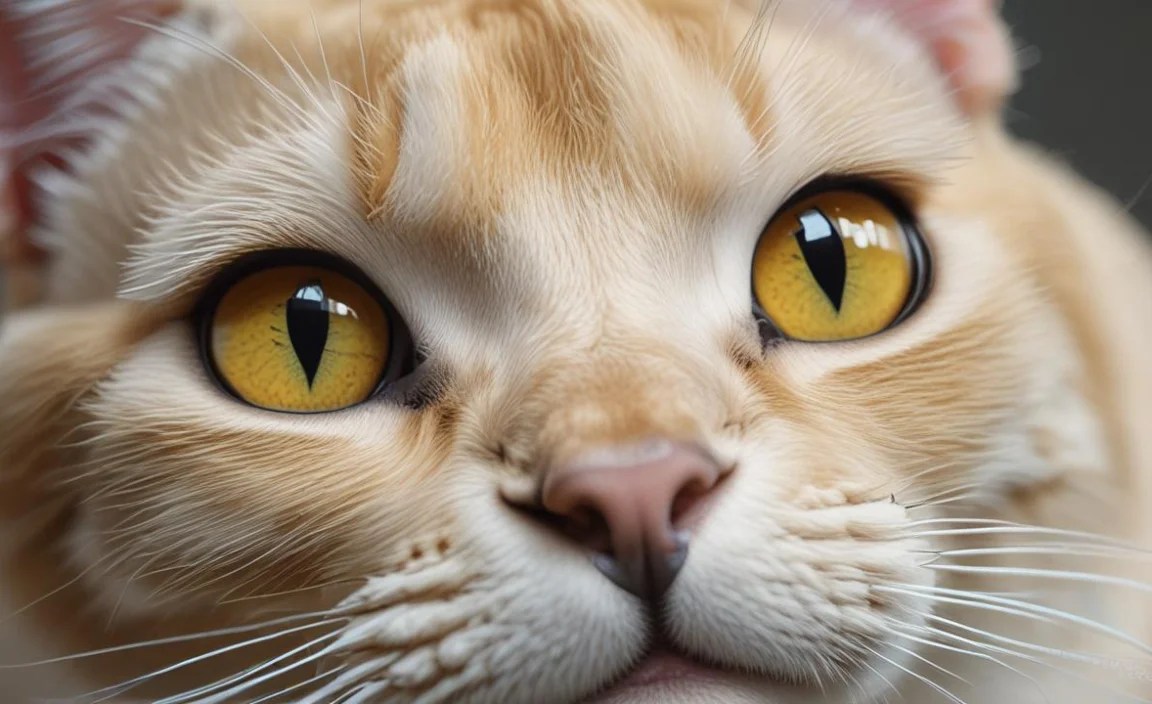
If you want to get a cat breeds with exotic origins, find a good breeder. A good breeder cares about their cats. They make sure the kittens are healthy. They also make sure the kittens are well-socialized. This means they are used to being around people. A good breeder will answer your questions. They will also ask you questions. They want to make sure you are a good fit for their kitten. Don’t buy a kitten from a breeder who doesn’t seem to care. It’s worth waiting for the right kitten from the right breeder. Have you researched breeders before?
- Good breeders care about their cats.
- They ensure kittens are healthy.
- They socialize their kittens.
- Good breeders answer your questions.
- They ask you questions too.
Imagine you are buying a new bike. You wouldn’t just buy one from any store. You would want to go to a reputable bike shop. A shop that knows about bikes. A shop that cares about its customers. It’s the same with finding a breeder. You want to find someone who knows about cats. Someone who cares about their cats. Someone who will help you find the right kitten. A good breeder will be a valuable resource for you. They can answer your questions and give you advice. They can help you care for your new cat. It’s all about finding someone you can trust.
Fun Fact or Stat: Reputable breeders often have waiting lists for their kittens!
Questions to Ask Breeders
When you talk to a breeder, ask questions. Ask about the kitten’s health. Ask about the kitten’s parents. Ask about the breeder’s experience. A good breeder will be happy to answer your questions. They will also be honest with you. If they don’t know the answer, they will tell you. Don’t be afraid to ask tough questions. It’s important to make sure you are getting a healthy kitten. Do you know what questions to ask a breeder?
Red Flags to Watch Out For
Watch out for red flags when you talk to breeders. A red flag is a sign that something is wrong. For example, if the breeder doesn’t let you see the kittens’ parents, that’s a red flag. If the breeder doesn’t seem to care about the kittens’ health, that’s a red flag. If the breeder is pushy and tries to pressure you into buying a kitten, that’s a red flag. Trust your gut. If something doesn’t feel right, walk away. Can you recognize red flags in a breeder?
Visiting the Cattery
Visit the cattery before you buy a kitten. A cattery is where the breeder keeps their cats. When you visit, look around. Is the cattery clean? Do the cats seem happy and healthy? Are the kittens well-socialized? A good cattery will be clean and well-maintained. The cats will be friendly and outgoing. The kittens will be playful and curious. A bad cattery will be dirty and smelly. The cats will be scared and shy. The kittens will be sick and lethargic. What would you look for in a good cattery?
The Cost of Owning Exotic Cat Breeds
Owning cat breeds with exotic origins can cost more. The initial price of the kitten can be higher. Some breeds are rare. This makes them more expensive. The ongoing costs can also be higher. Some breeds need special food. Others need more grooming. Vet bills can also be higher. Some breeds are prone to certain health problems. It’s important to think about the cost before you get an exotic cat. Make sure you can afford to care for it properly. Can you afford an exotic cat?
| Expense | Average Cost |
|---|---|
| Kitten Purchase | $800 – $3000+ |
| Food (per month) | $50 – $100 |
| Grooming (per month) | $0 – $100+ |
| Vet Care (annual) | $200 – $500+ |
- Exotic cats can be more expensive.
- The kitten price can be higher.
- Ongoing costs can be higher too.
- Some breeds need special food.
- Vet bills can be higher.
- Consider the cost before you buy.
Imagine you are planning a trip. You need to think about the cost. You need to factor in the airfare. You need to think about the hotel. You need to think about the food. It’s the same with getting an exotic cat. You need to think about all the costs involved. It’s not just the price of the kitten. You also need to think about the ongoing costs. Can you afford the food? Can you afford the vet bills? Can you afford the grooming? It’s important to be realistic. Make sure you can provide the best possible care for your cat.
Fun Fact or Stat: Some exotic cat breeds can live for 15 years or more!
Initial Purchase Price
The initial purchase price of an exotic cat can vary. It depends on the breed. It also depends on the breeder. Some breeds are more rare. These breeds are more expensive. Kittens from champion bloodlines are also more expensive. Be prepared to pay more for an exotic cat. But remember, the price is not the only thing that matters. It’s also important to find a good breeder. A breeder who cares about their cats. What is the most you would pay for a kitten?
Ongoing Expenses
The ongoing expenses of owning an exotic cat can add up. You need to buy food. You need to buy litter. You need to buy toys. You need to take your cat to the vet. You might also need to pay for grooming. Some exotic cats need special food. This can be more expensive. Vet bills can also be higher. Some breeds are prone to certain health problems. It’s important to budget for these expenses. Can you afford the ongoing expenses of owning an exotic cat?
Unexpected Costs
Unexpected costs can also arise. Your cat might get sick. You might need to take it to the vet for emergency treatment. Your cat might damage your furniture. You might need to replace it. It’s important to have a cushion in your budget. This will help you cover these unexpected costs. Pet insurance can also help. Pet insurance can cover some of your vet bills. Are you prepared for unexpected costs?
Summary
Cat breeds with exotic origins offer a fascinating glimpse into the diversity of the feline world. These cats, like the Bengal, Scottish Fold, and Egyptian Mau, boast unique physical traits and captivating histories. Caring for these breeds requires understanding their specific needs, from specialized diets to ample exercise and enrichment. Potential owners must research reputable breeders and consider the financial commitment. This includes the initial purchase price and ongoing expenses such as food, grooming, and veterinary care. Being well-informed ensures a happy and healthy life for these extraordinary companions.
Conclusion
Exploring cat breeds with exotic origins opens a window to the amazing variety within the feline family. These cats bring unique qualities to our homes. However, responsible ownership is key. You must research their specific needs. Finding a reputable breeder is also essential. Consider the costs and potential health issues. By understanding these factors, you can provide the best possible care. This will lead to a rewarding relationship with these special cats.
Frequently Asked Questions
Question No 1: What makes a cat breed considered “exotic”?
Answer: A cat breed is often labeled as “exotic” if it possesses unique physical characteristics, such as distinctive coat patterns, unusual body shapes, or striking colors. Cat breeds with exotic origins frequently hail from regions far removed from the typical domestic cat’s origins. These breeds may also exhibit distinct behavioral traits, such as heightened activity levels, increased independence, or exceptional curiosity. The combination of these factors contributes to a cat breed being recognized as exotic, setting it apart from more common domestic varieties.
Question No 2: Are exotic cat breeds more difficult to care for than regular cats?
Answer: Caring for cat breeds with exotic origins can sometimes present unique challenges compared to caring for typical domestic cats. Some exotic breeds have specific dietary requirements, needing specialized food formulations to maintain optimal health. Others may demand more exercise and mental stimulation due to their higher energy levels and inquisitive nature. Certain exotic breeds are also prone to specific genetic health conditions, necessitating regular veterinary checkups and proactive healthcare management. Researching the breed’s particular needs is crucial before bringing an exotic cat into your home to ensure you can provide appropriate care.
Question No 3: What are some potential health issues common in exotic cat breeds?
Answer: Several potential health issues are more prevalent in cat breeds with exotic origins due to their genetic predispositions. Hypertrophic cardiomyopathy (HCM), a heart condition, is commonly seen in breeds like Maine Coons. Polycystic kidney disease (PKD) is more frequent in Persians and related breeds. Some breeds with unique physical traits, such as the Scottish Fold with its folded ears, may experience joint problems. Responsible breeders screen for these genetic conditions. Owners should be aware of these risks and schedule regular veterinary examinations for early detection and management.
Question No 4: How do I find a reputable breeder for an exotic cat breed?
Answer: Finding a reputable breeder for cat breeds with exotic origins requires careful research and diligence. Look for breeders who prioritize the health and well-being of their cats. Responsible breeders should be knowledgeable about the breed’s specific needs and health concerns. They should be willing to answer your questions thoroughly and provide documentation of health screenings and vaccinations. Visiting the cattery to observe the living conditions and interact with the cats is also advisable. A reputable breeder will also be interested in ensuring that you are a suitable owner for their kittens.
Question No 5: Are exotic cat breeds more expensive to own than regular cats?
Answer: Yes, cat breeds with exotic origins are generally more expensive to own compared to regular domestic cats. The initial purchase price of an exotic kitten can be significantly higher. This is due to their rarity, the breeder’s investment in health testing, and the demand for specific traits. Ongoing expenses, such as specialized food, grooming, and veterinary care, may also be higher. Potential owners should carefully consider these financial implications before acquiring an exotic cat to ensure they can provide adequate care throughout the cat’s life.
Question No 6: Can exotic cat breeds be good family pets?
Answer: Whether cat breeds with exotic origins make good family pets depends on the breed and the individual cat’s temperament. Some exotic breeds, such as the Bengal, are known for their playful and energetic nature. This may make them suitable for families with older children who can provide them with ample playtime and attention. Other breeds may be more reserved or independent. Families should research the specific breed’s characteristics and consider their lifestyle. They should assess whether they can meet the cat’s needs for interaction, exercise, and mental stimulation.


