
Cat Breeds That Are Shy Around Strangers: Ultimate Guide

Have you ever met a cat that hides when guests arrive? Some cats are just naturally shy. These cat breeds that are shy around strangers need extra love. They might be scared of new people. It is important to understand their feelings.
Some cats take time to warm up. They might need a quiet space. Patience is key when meeting shy cats. Can you guess which breeds are the most timid?
Understanding a cat’s personality helps. It lets you give them the best care. Learn about shy cat breeds and how to help them. Discover what makes them special.
Key Takeaways
- Some cat breeds that are shy around strangers need a calm and patient approach.
- Creating safe spaces can help timid cats feel more secure and loved at home.
- Early socialization is key to helping kittens grow into confident and friendly cats.
- Certain breeds are known for their gentle and reserved nature, requiring extra care.
- Understanding cat behavior can help owners provide the best environment for their pets.
Understanding Shy Cat Breeds

Many factors make a cat shy. Genetics play a big role. Some breeds are naturally more reserved. Their personalities are just different. Socialization as kittens matters a lot. Kittens need to meet new people early. This helps them become friendly. If they do not, they might fear strangers. A cat’s past experiences affect their shyness. A cat that was mistreated might be scared. Loud noises and sudden movements can scare them too. It’s important to be gentle and patient. Create a calm and safe place for them. Give them time to adjust to new people. With love and understanding, shy cats can learn to trust. They can become loving companions.
- Genetics can make some breeds shy.
- Early socialization is very important.
- Bad experiences can cause fear.
- Loud noises can scare cats.
- Patience is key to helping shy cats.
Understanding a cat’s history is important. Did they have a rough start in life? Maybe they were not around people much as kittens. This can make them scared of new faces. Some cats are just born with a shy nature. It is part of their personality. It’s our job to make them feel safe. Give them a quiet spot where they can hide. Do not force them to interact if they are not ready. Let them come to you when they feel comfortable. With time and love, they can learn to trust. They might even come out of their shell. It is rewarding to see a shy cat become confident.
Why Are Some Cats Naturally Shy?
Have you ever wondered why some cats are shy? Some cats are just born that way! Like people, cats have different personalities. Some are outgoing, and some are reserved. Genetics play a big role in this. Certain breeds are known for being more timid. These cats might be more cautious around new people. Early experiences also shape their personality. Kittens need to be socialized to become friendly. This means they need to meet new people and experience new things. If they do not, they might be scared of the unfamiliar. A cat’s environment can also affect its shyness. A noisy or stressful home can make a cat anxious. A calm and quiet home can help a cat feel safe.
The Role of Early Socialization
Imagine a kitten who never meets new people. This kitten might grow up to be a shy cat. Early socialization is super important. It helps kittens learn to be confident. Kittens need to be around people and other animals. This teaches them how to interact. They learn that new things are not scary. Socialization should start when kittens are young. Between 2 and 7 weeks old is a critical time. During this time, kittens are learning about the world. They are more open to new experiences. If they have positive experiences, they will be more likely to be friendly. If they have negative experiences, they might become shy. It is important to make socialization fun and gentle. This will help kittens grow into well-adjusted cats.
Creating a Safe Space for Timid Cats
Do you know how important it is for cats to feel safe? A safe space can make a big difference for a shy cat. It is a place where they can retreat when they feel scared. This space should be quiet and comfortable. It could be a bed, a box, or a quiet room. Make sure the cat can access it easily. Do not force them to come out if they are hiding. Let them come out on their own when they feel ready. A safe space helps them feel secure. It reduces their anxiety. This can help them become more confident over time. You can also use pheromone diffusers. These release calming scents that can help cats relax. Remember, patience is key.
Fun Fact or Stat: Studies show that cats who are properly socialized as kittens are 50% less likely to develop behavioral problems like shyness.
Common Cat Breeds That Are Shy

Certain cat breeds that are shy around strangers are known for being reserved. The Persian is one example. They are beautiful but can be timid. The British Shorthair is another. They are gentle but not always outgoing. The Scottish Fold is also known to be shy. They have folded ears and a sweet nature. Russian Blues are intelligent but can be wary. They need time to trust new people. The Ragdoll is usually friendly, but some can be shy. It depends on their individual personality. It’s important to remember that every cat is different. Even within a breed, personalities vary. Understanding these breeds helps you prepare. You can provide the right environment. This helps them feel safe and secure.
- Persians can be timid around strangers.
- British Shorthairs are gentle but reserved.
- Scottish Folds have a sweet, shy nature.
- Russian Blues are wary of new people.
- Ragdolls can sometimes be shy.
Knowing which breeds tend to be shy helps. It lets you choose a cat that fits your lifestyle. If you have a busy household, a shy cat might not be the best fit. A quiet home is better for them. But remember, breed is not everything. Each cat has its own personality. Some Persians are outgoing. Some Ragdolls are shy. Spend time with a cat before adopting it. This will help you see its true personality. Talk to the shelter or breeder. They can tell you about the cat’s history. This will give you a better idea of what to expect.
Persian: The Gentle Giant
Have you ever seen a Persian cat? They are fluffy and beautiful. But they can also be shy. Persians are known for their gentle nature. They are not usually the first to greet strangers. They prefer a calm and quiet environment. Loud noises and sudden movements can scare them. They need a patient owner who understands their needs. Persians also require a lot of grooming. Their long fur can easily become matted. Regular brushing is important. This helps them feel comfortable and happy. A happy Persian is more likely to come out of its shell. They might even become more confident around new people.
Russian Blue: Intelligent and Reserved
Imagine a cat with striking green eyes and a silvery coat. That is a Russian Blue! They are intelligent and beautiful. But they are also known for being reserved. Russian Blues can be wary of strangers. They need time to build trust. Once they trust you, they are very loyal. They love to play and cuddle. They are also very clean cats. They like to keep themselves groomed. Russian Blues do well in quiet homes. They do not like loud noises or chaos. They need a patient owner who understands their needs. With love and patience, a Russian Blue can become a wonderful companion.
Scottish Fold: Sweet and Timid
Do you know about Scottish Folds? They have adorable folded ears. This makes them look very unique. But they are also known for being timid. Scottish Folds can be shy around new people. They prefer a calm and quiet environment. They are not usually the first to approach strangers. They need an owner who is patient and understanding. Scottish Folds also have some health issues. Their folded ears can cause problems with their joints. It is important to find a reputable breeder. This will help ensure that your cat is healthy. With the right care, a Scottish Fold can be a loving pet.
Fun Fact or Stat: Persian cats rank among the top 5 most popular cat breeds in the world, but they are also known to be one of the shyest.
Creating a Safe Environment
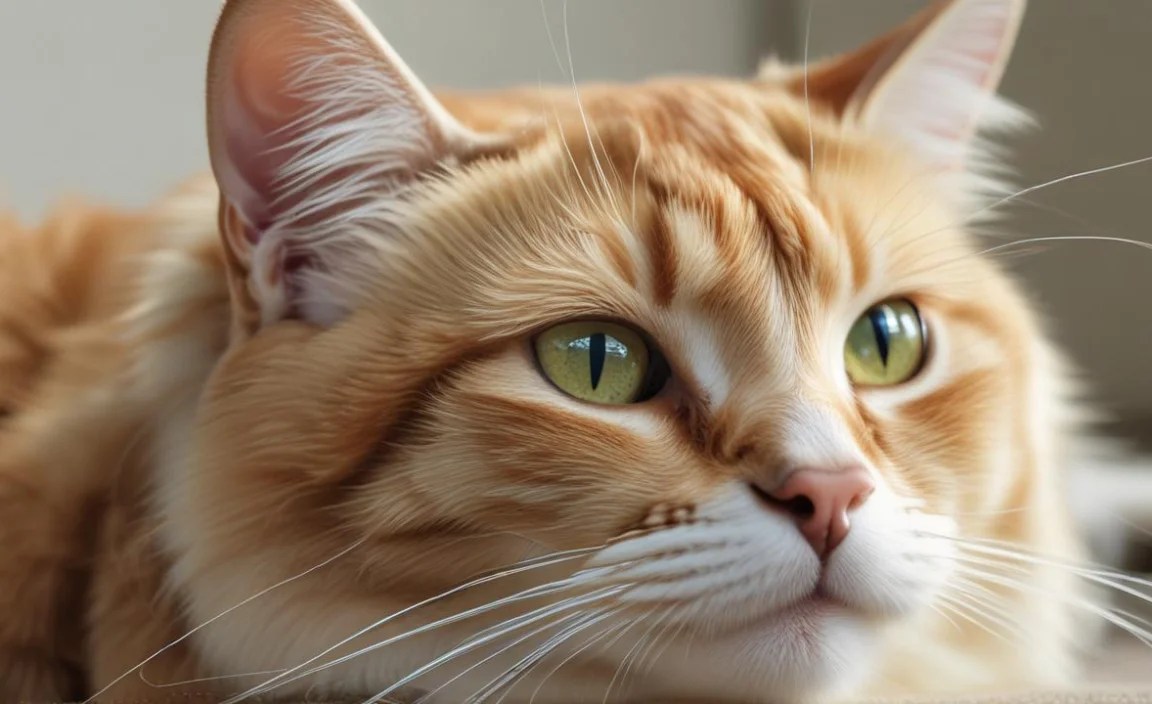
A safe environment is key for cat breeds that are shy around strangers. This means providing a quiet and comfortable space. Cats need a place where they can retreat when scared. This could be a bed, a box, or a quiet room. Make sure the cat can access it easily. Avoid sudden noises and movements. These can startle shy cats. Provide plenty of hiding places. This will help them feel more secure. Use pheromone diffusers to create a calming atmosphere. These release scents that can help cats relax. Be patient and understanding. Do not force the cat to interact if they are not ready. Let them come to you when they feel comfortable.
- Provide a quiet and comfortable space.
- Avoid sudden noises and movements.
- Offer plenty of hiding places.
- Use pheromone diffusers for calming.
- Be patient and understanding.
Creating a safe environment takes time and effort. It’s about understanding your cat’s needs. Observe their behavior. What makes them scared? What makes them feel comfortable? Use this information to create the perfect space for them. Make sure their food and water are easily accessible. Keep their litter box clean. A clean litter box is important for their comfort. Provide toys and scratching posts. This will help them relieve stress and boredom. A happy cat is more likely to feel safe and secure.
The Importance of Hiding Places
Have you ever noticed how much cats love to hide? Hiding is a natural behavior for cats. It helps them feel safe and secure. For shy cats, hiding places are even more important. They need a place to retreat when they feel scared. This could be a cardboard box, a cat bed, or a quiet corner. Make sure the hiding place is easily accessible. The cat should be able to get in and out easily. Do not force the cat to come out of its hiding place. Let them come out on their own when they feel ready. A good hiding place can make a big difference in a shy cat’s confidence.
Using Pheromone Diffusers for Calm
Do you know about pheromone diffusers? These are special devices that release calming scents. These scents mimic natural cat pheromones. Pheromones are chemical signals that cats use to communicate. They can help cats feel safe and secure. Pheromone diffusers can be especially helpful for shy cats. They can help reduce anxiety and stress. Place the diffuser in a room where the cat spends a lot of time. Make sure it is plugged into an outlet that is not blocked. The diffuser will release a steady stream of pheromones. This will create a calming atmosphere. It can take a few days to see the full effect.
Minimizing Stressful Stimuli
Imagine living in a world that is full of loud noises and scary things. That is what it can be like for a shy cat. Minimizing stressful stimuli is important. This will help them feel safe and secure. Avoid loud noises like yelling or slamming doors. Keep the TV and music at a reasonable volume. Be gentle when you approach the cat. Avoid sudden movements. Do not stare directly at the cat. This can be seen as a threat. Create a calm and predictable routine. This will help the cat feel more secure. With patience and understanding, you can help your shy cat feel safe and comfortable.
Fun Fact or Stat: Cats can sleep up to 16 hours a day, and a safe environment helps them get restful sleep, reducing their stress levels.
Helping Cats Adjust to New People

Helping cat breeds that are shy around strangers can take time. Start slowly. Let the cat approach new people on their own. Do not force interaction. Have visitors offer treats. This creates a positive association. Tell visitors to avoid direct eye contact. This can be seen as a threat. Encourage gentle petting. But only if the cat is comfortable. Provide a safe space for the cat. This allows them to retreat if needed. Be patient and understanding. It may take time for the cat to adjust. With consistent effort, they can learn to trust.
- Let the cat approach on their own.
- Have visitors offer treats.
- Avoid direct eye contact.
- Encourage gentle petting.
- Provide a safe space for retreat.
Consistency is key when introducing new people. Have visitors follow the same rules each time. This helps the cat learn what to expect. Use positive reinforcement. Reward the cat for calm behavior. This could be with treats or praise. Avoid punishment. This will only make the cat more scared. Be patient. Some cats take longer to adjust than others. Celebrate small successes. Even if the cat just stays in the same room as a visitor, that is progress. With time and patience, you can help your shy cat become more comfortable around new people.
Slow and Steady Introductions
Have you ever tried to make friends with someone who is shy? It takes time and patience. The same is true for cats. Slow and steady introductions are best. Do not rush the process. Let the cat set the pace. Start by having the new person in the same room as the cat. But do not force them to interact. Let the cat observe from a distance. If the cat seems comfortable, the new person can try offering a treat. If the cat is scared, do not push it. Try again later. With each interaction, the cat will become more comfortable.
The Power of Positive Reinforcement
Imagine getting a reward for being brave. That is what positive reinforcement does for cats. It encourages them to repeat good behaviors. When a shy cat approaches a new person, give them a treat. Or offer praise. This tells the cat that it is safe to be near new people. Avoid punishment. This will only make the cat more scared. Positive reinforcement is a powerful tool. It can help shy cats overcome their fears. It can also strengthen the bond between you and your cat.
Reading Cat Body Language
Do you know how to tell if a cat is scared? Understanding cat body language is important. It helps you know when to back off. A scared cat might have flattened ears. It might tuck its tail. It might hiss or growl. These are signs that the cat is feeling threatened. If you see these signs, give the cat space. Let them retreat to their safe place. A relaxed cat will have its ears forward. Its tail will be up. It might purr or rub against you. These are signs that the cat is feeling comfortable. Pay attention to your cat’s body language. This will help you understand their needs.
Fun Fact or Stat: Cats have over 200 million scent receptors, making them highly sensitive to new smells, which can be overwhelming for shy cats meeting new people.
The Role of Play and Exercise

Play and exercise are crucial for all cats, including cat breeds that are shy around strangers. Play helps reduce stress and anxiety. It also provides mental stimulation. Exercise keeps cats physically healthy. It can help them burn off excess energy. Use toys that encourage hunting behavior. This includes wand toys and puzzle feeders. Play with your cat every day. Even a short session can make a big difference. Create a stimulating environment. This includes climbing structures and scratching posts. A happy and healthy cat is more likely to be confident.
- Play reduces stress and anxiety.
- Exercise keeps cats physically healthy.
- Use toys that mimic hunting.
- Play with your cat every day.
- Create a stimulating environment.
Playtime is a great way to bond with your cat. It also helps them build confidence. Start with simple games. Use toys that are not too scary. A wand toy with feathers is a good choice. Move the toy slowly at first. Let the cat stalk and pounce. As the cat becomes more comfortable, you can increase the speed. End each play session with a reward. This could be a treat or praise. This will help the cat associate playtime with positive experiences.
Interactive Play for Shy Cats
Have you ever played with a cat using a wand toy? Interactive play is a great way to engage shy cats. It allows them to play from a safe distance. The wand toy acts as an extension of your hand. This keeps you from getting too close. Move the toy in a way that mimics prey. This will stimulate the cat’s hunting instincts. Let the cat catch the toy occasionally. This will give them a sense of accomplishment. Interactive play can help shy cats build confidence. It can also strengthen the bond between you and your cat.
Puzzle Feeders for Mental Stimulation
Imagine having to solve a puzzle to get your dinner. That is what it is like for cats using puzzle feeders. Puzzle feeders are toys that dispense food when the cat solves a puzzle. This provides mental stimulation. It also slows down eating. This can help prevent overeating. Puzzle feeders are great for shy cats. They can play with them independently. This allows them to engage without feeling pressured. There are many different types of puzzle feeders available. Choose one that is appropriate for your cat’s skill level.
Creating a Climbing Paradise
Do you know how much cats love to climb? Climbing is a natural behavior for cats. It allows them to survey their surroundings. It also provides exercise. Creating a climbing paradise can help shy cats feel more secure. Install cat trees or shelves. Make sure they are sturdy and safe. Place them in areas where the cat feels comfortable. This will encourage them to explore. Climbing can help shy cats build confidence. It can also provide them with a sense of control.
Fun Fact or Stat: A 15-minute play session can significantly reduce stress hormones in cats, making them more relaxed and confident.
When to Seek Professional Help
Sometimes, cat breeds that are shy around strangers need extra help. If shyness affects their quality of life, see a vet. The vet can rule out medical issues. A vet can also recommend a behaviorist. A behaviorist can help with training. Look for certified professionals. They have experience with shy cats. Medication might be an option. This is usually a last resort. It should be combined with training. Be patient and consistent. Professional help can make a big difference.
- See a vet to rule out medical issues.
- A behaviorist can help with training.
- Look for certified professionals.
- Medication might be an option.
- Be patient and consistent.
Knowing when to seek professional help is important. If your cat is constantly hiding, it is a problem. If your cat is not eating or drinking, it is a problem. If your cat is showing signs of aggression, it is a problem. These are all signs that your cat needs help. Do not hesitate to reach out to a vet or behaviorist. They can provide guidance and support. They can also help you create a plan to help your cat overcome its shyness.
Recognizing Signs of Severe Anxiety
Have you ever seen a cat that is so scared it shakes? That is a sign of severe anxiety. Other signs include hiding constantly, not eating or drinking, and showing aggression. If your cat is exhibiting these signs, it is important to seek professional help. Severe anxiety can have a negative impact on your cat’s health and well-being. A vet or behaviorist can help you determine the cause of the anxiety. They can also recommend a treatment plan. This might include medication, training, or environmental changes.
Finding a Qualified Behaviorist
Imagine trying to fix a car without knowing anything about cars. You would probably need a mechanic. The same is true for cat behavior problems. A qualified behaviorist can help you understand your cat’s behavior. They can also help you develop a plan to address it. Look for a behaviorist who is certified. This means they have met certain standards of education and experience. Ask about their experience with shy cats. A good behaviorist will be patient and understanding. They will also work with you to create a plan that is tailored to your cat’s needs.
Medication as a Last Resort
Do you know that sometimes cats need medicine for their anxiety? Medication is not always the first choice. But it can be helpful in severe cases. It is important to work with a vet to determine if medication is right for your cat. There are many different types of medications available. Some are designed to reduce anxiety. Others are designed to treat specific behavioral problems. Medication should always be combined with training and environmental changes. It is not a magic bullet. But it can help your cat feel more comfortable and confident.
Fun Fact or Stat: Approximately 37% of cats exhibit some form of anxiety, and professional help can significantly improve their quality of life.
| Breed | Shyness Level | Activity Level | Grooming Needs |
|---|---|---|---|
| Persian | High | Low | High |
| Russian Blue | Medium | Medium | Low |
| Scottish Fold | Medium | Low | Medium |
| Ragdoll | Low to Medium | Medium | Medium |
Summary
Cat breeds that are shy around strangers need special care. Some breeds, like Persians and Russian Blues, are known for being reserved. Early socialization is key to helping kittens become confident. A safe environment is essential for shy cats. Provide quiet spaces and hiding places. Introduce new people slowly. Use positive reinforcement to encourage good behavior. Play and exercise can help reduce stress. If your cat is severely anxious, seek professional help. A vet or behaviorist can provide guidance.
Remember, every cat is unique. Some cats take longer to adjust than others. Be patient and understanding. With love and care, you can help your shy cat thrive. Creating a calm and predictable environment can make a big difference. Always pay attention to your cat’s body language. This will help you understand their needs.
Conclusion
Understanding cat breeds that are shy around strangers is important. It helps you provide the best care. Patience, a safe environment, and positive reinforcement are key. Early socialization can make a big difference. Professional help is available if needed. With love and understanding, even the shyest cat can become a confident companion. Remember, every cat deserves a loving home.
Frequently Asked Questions
Question No 1: What makes some cat breeds more shy than others?
Answer: Some cat breeds that are shy around strangers because of genetics. Some breeds are naturally more reserved. Early experiences also matter. Kittens need to be socialized to become friendly. If they do not meet new people, they might be scared. A cat’s environment also plays a role. A noisy home can make a cat anxious. A calm home can help a cat feel safe. All these things together affect a cat’s shyness.
Question No 2: How can I help my shy cat feel more comfortable around new people?
Answer: Start slowly. Let the cat approach new people on their own. Do not force interaction. Have visitors offer treats. This creates a positive association. Tell visitors to avoid direct eye contact. This can be seen as a threat. Encourage gentle petting. But only if the cat is comfortable. Provide a safe space for the cat. This allows them to retreat if needed. Be patient and understanding. It may take time for the cat to adjust.
Question No 3: Are there any specific toys that are good for shy cats?
Answer: Yes, interactive toys are great. Use toys that let your cat play from a distance. Wand toys with feathers are a good choice. Puzzle feeders are also helpful. They make the cat think to get food. This is good mental exercise. Shy cats like playing alone sometimes. So, toys they can play with by themselves are good. This helps them feel safe and have fun.
Question No 4: What are some signs that my cat is severely anxious and needs professional help?
Answer: If your cat is always hiding, it is a problem. If they stop eating or drinking, that’s bad. If they get angry a lot, that’s another sign. These things mean your cat needs help. Go see a vet or a cat doctor. They can help your cat feel better. Don’t wait too long. The sooner you get help, the better it will be for your cat. They understand cat breeds that are shy around strangers and how to treat them.
Question No 5: How important is it to socialize kittens early to prevent shyness?
Answer: Socializing kittens early is very important. It helps them become friendly cats. Kittens need to meet new people and see new places. This teaches them that new things are not scary. If they do not get socialized, they might be scared of everything. So, make sure your kitten meets lots of people when they are young. This will help them grow into a happy cat. It is especially important for cat breeds that are shy around strangers.
Question No 6: Can medication help with shyness in cats, and what are the risks?
Answer: Yes, medicine can help some cats. But it is not always the best answer. It’s usually a last resort. Talk to a vet first. They can help you decide if medicine is right for your cat. There are risks with any medicine. It can make your cat sleepy. It can also change their behavior. So, it’s important to watch your cat closely. Medicine should be used with training. This helps your cat learn to be brave. Cat breeds that are shy around strangers might benefit from a combination of medicine and training.


