
British Shorthair vs. Scottish Fold: Which is Best?

Have you ever seen a cat with folded ears? Or a fluffy, round-faced cat? You might be thinking about the British Shorthair vs. Scottish Fold. These two cat breeds are super popular. They both have unique looks and personalities. Choosing between them can be tough! Let’s learn more about these cool cats.
Imagine you want a new pet. You love cats. Two kinds catch your eye. One has cute, folded ears. The other has a super round face. It’s like picking between two yummy candies. Which one do you choose? This article will help you decide. We will talk about what makes each cat special.
We will explore their looks. We will also learn about their health. How about their personalities? Do they like to play? Are they cuddly? Knowing these things will make your choice easier. So, get ready to dive into the world of these amazing cats!
Think about what you want in a pet. Do you want a playful friend? Or a calm, lap cat? Maybe you want a cat that’s easy to take care of. Keep these things in mind as we compare them. By the end, you will know which cat is right for you. Let’s get started with British Shorthair vs. Scottish Fold!
Key Takeaways
- The British Shorthair is known for its round face and dense, plush coat.
- Scottish Folds are famous for their unique folded ears, caused by a gene mutation.
- Consider health issues: Scottish Folds can have cartilage problems due to their folded ears.
- British Shorthair vs. Scottish Fold: British Shorthairs are generally calmer than Scottish Folds.
- Both breeds are affectionate and make great family pets with proper care and attention.
British Shorthair vs. Scottish Fold: Overview

The British Shorthair and Scottish Fold are two beloved cat breeds. British Shorthairs boast a sturdy build and a dense, plush coat. They come in many colors, with blue being the most famous. Scottish Folds are known for their charming folded ears. This unique trait is due to a natural genetic mutation. But it can also lead to some health problems. Both breeds are popular for their gentle and friendly personalities. They make excellent companions for families and individuals alike. Understanding their differences will help you choose the right cat. Think about what is important to you. Do you want a playful cat? Or a cuddly one? Both of these cats can be great!
- British Shorthairs have a round, chubby face.
- Scottish Folds have distinctive folded ears.
- Both breeds are generally friendly and adaptable.
- British Shorthairs are known for their calm nature.
- Scottish Folds can be prone to joint issues.
- Both breeds need regular grooming.
Choosing between a British Shorthair and a Scottish Fold requires careful consideration. Think about your lifestyle. How much time do you have for grooming? Are you ready for potential health issues? British Shorthairs are often more independent. Scottish Folds may need more attention. Consider your living situation. Do you have other pets or children? Both breeds can adapt well. But early socialization is key. It’s also important to find a reputable breeder. This ensures that the cats are healthy and well-adjusted. By weighing these factors, you can make an informed decision. You’ll find the perfect feline companion for your home.
What are the origins of these breeds?
Have you ever wondered where these cats come from? The British Shorthair is one of the oldest cat breeds. It originated in Britain. These cats were working cats. They kept the farms and homes free of rodents. They were later refined into the breed we know today. The Scottish Fold, on the other hand, is more recent. It started in Scotland in the 1960s. A farmer found a cat with unusual folded ears. He then bred her, and the Scottish Fold was born. This is a fun story. It shows how different breeds can have very different beginnings!
How did they become popular pets?
Why do people love these cats so much? The British Shorthair became popular because of its calm and easy-going nature. People also love their round, teddy bear faces. They are great for families. The Scottish Fold became popular because of its unique look. Those folded ears make them look like little owls! Celebrities and social media also helped. They showed off their adorable Scottish Folds. This made more people want them. Both cats have a lot of charm!
What makes their history interesting?
The history of these breeds is full of surprises! British Shorthairs almost disappeared after World War II. Breeders worked hard to bring them back. They mixed them with other breeds. This helped to save them. The Scottish Fold has its own interesting story. Some cat associations don’t like the breed. They are worried about the health problems from the folded ears. This makes the Scottish Fold a bit controversial. Despite this, many people still love them. Their history is what makes them unique.
Fun Fact or Stat: The British Shorthair is one of the most popular cat breeds in the United Kingdom!
Appearance: Spotting the Differences
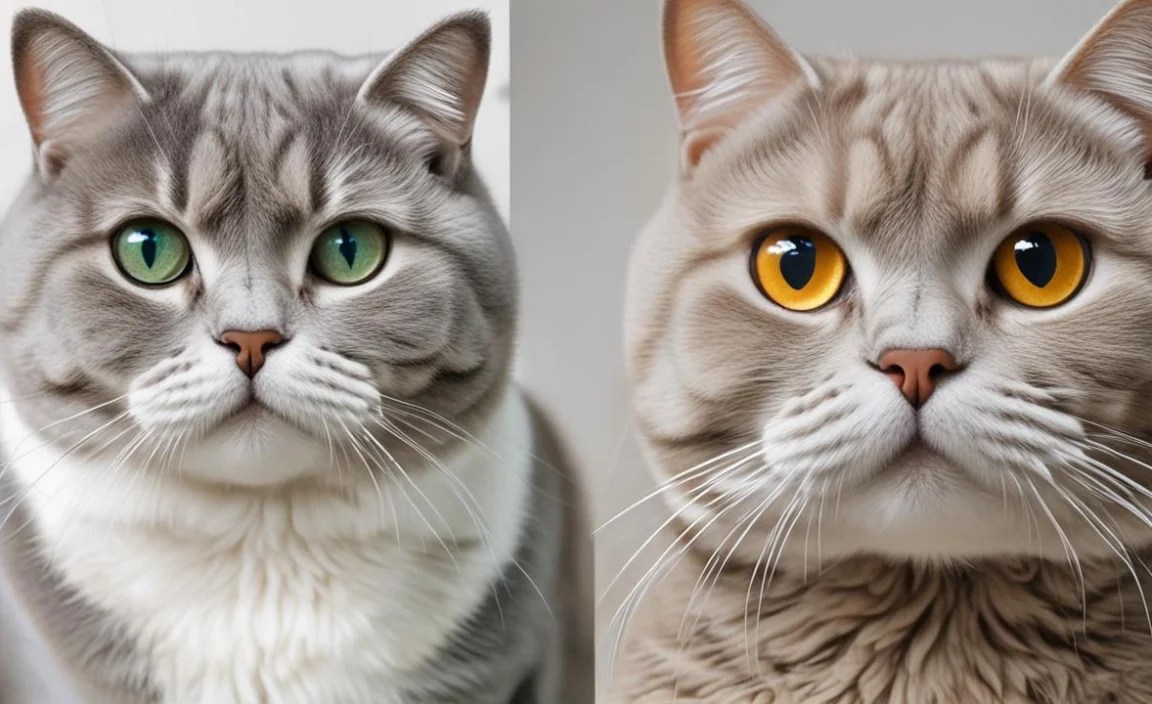
One of the most noticeable differences between the British Shorthair vs. Scottish Fold is their appearance. British Shorthairs have a stocky body. They have a round face and big, copper-colored eyes. Their coat is dense and plush, making them look like teddy bears. Scottish Folds are medium-sized cats. Their most distinguishing feature is their folded ears. The fold is caused by a dominant gene. Not all Scottish Folds have folded ears. Some have straight ears, which are called Scottish Straights. Understanding these visual differences will help you tell them apart. Think about what kind of look you like best in a cat.
- British Shorthairs have a round, broad face.
- Scottish Folds have folded or straight ears.
- British Shorthairs have a dense, plush coat.
- Scottish Folds have a medium-length coat.
- British Shorthairs have a stocky build.
- Scottish Folds have a more slender body.
- British Shorthairs have large, round eyes.
When looking at a British Shorthair, you’ll notice its solid and muscular build. They often have a “smiling” expression. This adds to their charm. Scottish Folds, on the other hand, have a more delicate appearance. Their folded ears give them an endearing, almost worried look. The degree of the ear fold can vary. Some have a single fold. Others have a triple fold. The triple fold is more desirable in show cats. Both breeds come in a variety of colors and patterns. This includes solid colors, tabby, and bi-color. These differences make each cat unique. Knowing what to look for will help you identify each breed.
What colors do they come in?
Do you like colorful cats? British Shorthairs come in many colors. Blue is the most famous. But they can also be white, black, cream, and even chocolate. They can also have tabby patterns. Scottish Folds also come in many colors and patterns. This includes the same ones as the British Shorthair. You can find a cat that matches your favorite color. It’s like picking out your favorite ice cream flavor!
How big do they get?
Are you wondering about their size? British Shorthairs are medium to large cats. They can weigh between 9 and 17 pounds. They are quite sturdy. Scottish Folds are medium-sized. They usually weigh between 6 and 13 pounds. They are a bit smaller than the British Shorthair. So, if you want a bigger cat, the British Shorthair might be better. If you want a smaller cat, the Scottish Fold is a good choice.
How does their coat differ?
What about their fur? British Shorthairs have a very dense, plush coat. It feels like a soft teddy bear. Their coat stands away from their body. This makes them look even rounder. Scottish Folds have a medium-length coat. It’s soft, but not as dense as the British Shorthair’s. Some Scottish Folds can have long hair. This gives them a fluffy look. The coat is another way to tell them apart.
Fun Fact or Stat: The British Shorthair’s dense coat helped them survive in the harsh British climate!
Temperament and Personality Traits

When comparing British Shorthair vs. Scottish Fold, temperament is key. British Shorthairs are known for their calm and easy-going nature. They are not overly demanding of attention. They are often described as independent cats. Scottish Folds are more playful and social. They enjoy interacting with their owners. They are also known for their quirky behaviors. This includes sitting upright like a meerkat. Both breeds are intelligent. They can be trained to do simple tricks. Understanding their personalities will help you choose a cat that fits your lifestyle.
- British Shorthairs are calm and independent.
- Scottish Folds are playful and social.
- British Shorthairs are less demanding of attention.
- Scottish Folds enjoy interacting with their owners.
- Both breeds are intelligent and trainable.
- British Shorthairs are good for quieter homes.
- Scottish Folds are good for active families.
British Shorthairs are often content to lounge around. They will observe their surroundings. They are not usually lap cats. They will enjoy being near you. Scottish Folds are more likely to follow you around the house. They participate in your activities. They enjoy playing games and being petted. Both breeds are good with children. Early socialization is important. This helps them get along with other pets. Consider your daily routine. Do you want a cat that will keep you entertained? Or a cat that will be a quiet companion? This will help you decide which breed is right for you.
Are they good with children?
Do you have kids? Both breeds can be great with children. British Shorthairs are patient. They will tolerate gentle handling. Scottish Folds are playful. They will enjoy playing games with kids. It’s important to teach children how to treat cats gently. This will help them get along well. Supervising interactions is also a good idea. This makes sure everyone stays safe and happy.
How active are they?
Do you want an active cat? Or a more relaxed one? British Shorthairs are moderately active. They enjoy playing. They also like to nap. Scottish Folds are more active. They love to play and explore. They need plenty of toys and playtime. This keeps them from getting bored. Think about how much time you have to play with your cat. This will help you decide which breed is better.
Do they get along with other pets?
Do you have other pets? Both breeds can get along with other pets. Early socialization is very important. This means introducing them to other animals when they are young. British Shorthairs are usually calm around other pets. Scottish Folds are more playful. They might try to play with other pets. Make sure all pets have their own space. This prevents conflicts.
Fun Fact or Stat: Scottish Folds are known for sitting in a “Buddha” position, with their legs stretched out!
Health and Lifespan Considerations

When looking at British Shorthair vs. Scottish Fold, health is a big factor. British Shorthairs are generally healthy cats. They can be prone to certain genetic conditions. This includes hypertrophic cardiomyopathy (HCM). Scottish Folds are more prone to health problems. Their folded ears are caused by a gene mutation. This can lead to cartilage problems. This can cause arthritis and pain. Both breeds need regular vet checkups. This helps catch any health problems early. Understanding these health issues is important. It helps you provide the best care for your cat.
| Breed | Common Health Issues | Average Lifespan |
|---|---|---|
| British Shorthair | Hypertrophic Cardiomyopathy (HCM), Polycystic Kidney Disease (PKD) | 12-17 years |
| Scottish Fold | Osteochondrodysplasia (cartilage problems), Arthritis | 11-14 years |
| Both | Dental Issues, Obesity | N/A |
| Care | Regular Vet Checkups, Healthy Diet | N/A |
- British Shorthairs can have heart problems.
- Scottish Folds can have joint problems.
- Both breeds need regular vet visits.
- A good diet is important for both breeds.
- Scottish Folds may need pain management.
- British Shorthairs need heart screenings.
The lifespan of a British Shorthair is typically 12 to 17 years. Scottish Folds often live shorter lives, around 11 to 14 years. This can depend on their health. Proper care can help extend their lifespan. This includes a healthy diet and regular exercise. It’s important to be aware of the potential health problems. This allows you to provide the best care. You can also work with your vet. You can develop a plan to manage any health issues. This will help your cat live a long and happy life.
What are common health problems for each breed?
What health problems should you watch out for? British Shorthairs can get a heart disease called HCM. They can also get kidney disease. Scottish Folds can get a disease called osteochondrodysplasia. This affects their cartilage and bones. It can cause pain and arthritis. Knowing these problems helps you care for your cat. Regular vet visits are very important.
How can you ensure a long and healthy life?
How can you help your cat live a long life? Feed them a healthy diet. Make sure they get enough exercise. Take them to the vet for regular checkups. Keep them indoors. This protects them from diseases and injuries. Give them lots of love and attention. This will help them stay happy and healthy. A happy cat is often a healthy cat!
What kind of vet care do they need?
What kind of vet care do they need? Both breeds need regular vaccinations. They also need parasite control. This protects them from fleas and worms. British Shorthairs may need heart screenings. This checks for HCM. Scottish Folds may need X-rays. This checks for joint problems. Talk to your vet about what is best for your cat.
Fun Fact or Stat: Some Scottish Folds don’t develop folded ears until they are a few weeks old!
Grooming Needs: Keeping Them Looking Good

Grooming is an important part of caring for both British Shorthair vs. Scottish Fold cats. British Shorthairs have a dense, plush coat. They need regular brushing to prevent matting. They shed a lot, especially during shedding season. Scottish Folds have a medium-length coat. They also need regular brushing. Long-haired Scottish Folds need more frequent grooming. Both breeds need their nails trimmed regularly. They also need their teeth cleaned. This helps prevent dental problems. Good grooming keeps them looking and feeling their best.
- British Shorthairs need frequent brushing.
- Scottish Folds need regular brushing.
- Long-haired Scottish Folds need more grooming.
- Both breeds need nail trimming.
- Both breeds need dental care.
- British Shorthairs shed a lot.
- Grooming helps prevent mats and tangles.
When grooming a British Shorthair, use a slicker brush. This helps remove loose fur. Comb through their coat to prevent mats. Pay special attention during shedding season. Brush them more often. Scottish Folds also benefit from regular brushing. This helps keep their coat soft and shiny. Check their ears regularly. Clean them if needed. Use a gentle ear cleaner. Regular grooming is a great way to bond with your cat. It also helps you check for any health problems. This includes skin issues or lumps.
How often should you brush them?
How often should you brush your cat? British Shorthairs need to be brushed several times a week. During shedding season, brush them every day. Scottish Folds should be brushed a few times a week. Long-haired Scottish Folds need to be brushed every day. Regular brushing keeps their coats healthy. It also reduces shedding. It’s a good way to spend time with your cat.
Do they need baths?
Do cats need baths? Not very often! British Shorthairs and Scottish Folds usually keep themselves clean. You only need to bathe them if they get very dirty. Or if your vet tells you to. Use a cat-friendly shampoo. Be gentle. Make sure to rinse them well. Dry them with a soft towel. Most cats don’t like baths. So, keep it short and sweet.
What about nail trimming and dental care?
What about their nails and teeth? Trim their nails every few weeks. This prevents them from scratching furniture. It also keeps their nails from getting too long. Brush their teeth a few times a week. Use a cat-friendly toothbrush and toothpaste. Dental care is very important. It prevents dental disease. Dental disease can cause pain and health problems.
Fun Fact or Stat: The British Shorthair’s coat is so dense that it can stand up on its own!
Cost of Ownership: What to Expect
The cost of owning a cat is something to think about. The initial cost of a British Shorthair vs. Scottish Fold can vary. It depends on the breeder and the cat’s pedigree. British Shorthairs can be more expensive. Scottish Folds can also be pricey. Especially if they have well-folded ears. There are also ongoing costs to consider. This includes food, litter, vet care, and toys. Both breeds need quality food. They also need regular vet checkups. Be prepared for these expenses. This will help you provide a good home for your cat.
- The initial cost can vary.
- Food and litter are ongoing costs.
- Vet care is an important expense.
- Toys and enrichment are needed.
- British Shorthairs can be more expensive.
- Scottish Folds with folded ears can cost more.
- Consider pet insurance for unexpected costs.
When budgeting for a British Shorthair or Scottish Fold, start with the adoption fee. This can range from a few hundred to several thousand dollars. The cost of food will depend on the brand. High-quality food is important for their health. Litter can also add up. Choose a litter that is easy to clean. Vet care includes vaccinations, checkups, and potential treatments. Pet insurance can help cover unexpected vet bills. Toys and scratching posts are important for their mental and physical health.
What is the initial cost of buying one?
How much does it cost to buy one? British Shorthairs can cost between $800 and $2000. Scottish Folds can cost between $1000 and $3000. The price depends on the breeder. It also depends on the cat’s bloodline. Show-quality cats are usually more expensive. Adoption fees from shelters are usually lower. But you might not find a purebred cat.
What are the ongoing expenses?
What will you spend money on after you buy the cat? Food is a big expense. High-quality cat food can cost $30 to $50 per month. Litter can cost $20 to $40 per month. Vet visits can cost $100 to $300 per year. Toys and treats can cost $20 to $50 per month. These costs add up over time. Be sure you can afford them.
Is pet insurance worth it?
Should you get pet insurance? Pet insurance can help with unexpected vet bills. It can cover accidents and illnesses. Some policies also cover routine care. Pet insurance can cost $20 to $50 per month. It’s important to read the fine print. Make sure you know what is covered. Pet insurance can give you peace of mind. It can help you afford the best care for your cat.
Fun Fact or Stat: Pet owners spend billions of dollars on their pets each year in the United States!
Summary
In summary, both the British Shorthair vs. Scottish Fold make wonderful pets. British Shorthairs are known for their calm and independent nature. They are also known for their round faces and plush coats. Scottish Folds are known for their playful and social personalities. They are also known for their unique folded ears. Both breeds need regular grooming. They also need regular vet care. Scottish Folds can be prone to health problems. This includes joint issues. British Shorthairs can be prone to heart problems. Choosing between these breeds depends on your lifestyle. It also depends on your preferences.
Consider your lifestyle. Do you want a calm, independent cat? Or a playful, social cat? Think about the potential health issues. Are you prepared to handle them? Consider the cost of ownership. Can you afford the food, litter, and vet care? Both breeds can bring joy to your life. Just be sure you are ready for the commitment. With the right care, these cats can be wonderful companions.
Conclusion
Choosing between the British Shorthair vs. Scottish Fold is a personal decision. Both breeds have unique qualities. British Shorthairs are calm and independent. Scottish Folds are playful and social. Consider your lifestyle. Think about what you want in a cat. Research reputable breeders. Be prepared for the costs and responsibilities. With careful consideration, you can find the perfect feline companion. You will have many years of love and companionship.
Frequently Asked Questions
Question No 1: Are British Shorthairs good for first-time cat owners?
Answer: Yes, British Shorthairs are often a great choice for first-time cat owners. They are known for their calm and easy-going personalities. They don’t need a lot of attention. This makes them good for people who are busy. They are also good with children and other pets. They adapt well to different living situations. Just be sure to give them a good diet and vet care. They will be happy and healthy companions for many years.
Question No 2: Do Scottish Folds need special care for their ears?
Answer: Yes, Scottish Folds do need special care for their ears. Their folded ears can trap dirt and wax. This can lead to infections. Check their ears regularly. Clean them gently with a vet-approved ear cleaner. Be very careful. Don’t push anything too far into the ear canal. If you notice any redness, swelling, or discharge, see your vet right away. Regular ear care is important for keeping your Scottish Fold healthy and happy.
Question No 3: Are there any ethical concerns about breeding Scottish Folds?
Answer: Yes, there are some ethical concerns about breeding Scottish Folds. The gene that causes their folded ears can also cause cartilage problems. This can lead to arthritis and pain. Some people believe that breeding cats with this gene is unethical. Responsible breeders should screen their cats for these problems. They should also only breed cats that are healthy. If you are considering a Scottish Fold, find a reputable breeder. Make sure they are committed to the health and welfare of their cats.
Question No 4: How can I tell the difference between a British Shorthair and a Scottish Straight?
Answer: Telling the difference between a British Shorthair and a Scottish Straight can be tricky. Scottish Straights are Scottish Folds that didn’t get the folded ear gene. Look at their body type. British Shorthairs are stockier and rounder. Scottish Straights are more slender. Look at their face. British Shorthairs have rounder faces. Scottish Straights may have slightly more angular faces. If you’re not sure, ask a vet. They can help you identify the breed.
Question No 5: What kind of toys do British Shorthairs and Scottish Folds enjoy?
Answer: British Shorthairs and Scottish Folds both enjoy playing with a variety of toys. British Shorthairs are often happy with simple toys. This includes toy mice and balls. Scottish Folds tend to be more playful. They enjoy interactive toys. This includes feather wands and puzzle toys. Rotate their toys regularly. This keeps them interested. Provide scratching posts. This gives them a place to scratch. Playing with your cat is a great way to bond. It also helps them stay active.
Question No 6: How does the British Shorthair vs. Scottish Fold compare in terms of intelligence and trainability?
Answer: Both the British Shorthair and Scottish Fold are intelligent cats. They can be trained to do simple tricks. British Shorthairs are more independent. They might not be as eager to please. Scottish Folds are more social. They are often more motivated to learn. Use positive reinforcement. This includes treats and praise. Keep training sessions short and fun. Be patient. Your cat will eventually learn. Training is a great way to bond. It also provides mental stimulation.


