
Keeping Indoor British Shorthairs Active: Easy Guide

Do you have a British Shorthair cat? These cats are fluffy and calm. They love to relax indoors. But keeping indoor British Shorthairs active is very important. They need exercise to stay healthy and happy. How can you help your British Shorthair get enough playtime? Let’s find out!
Key Takeaways
- Keeping indoor British Shorthairs active prevents boredom and obesity.
- Interactive toys like wands and lasers encourage your cat to play.
- Scratching posts help cats stretch and keep their claws healthy.
- Create a stimulating environment with climbing structures and window perches.
- Regular playtime strengthens the bond between you and your furry friend.
Importance of Keeping British Shorthairs Active

British Shorthairs are known for being calm. They love to nap and cuddle. But this can lead to a problem. They might not get enough exercise! Keeping indoor British Shorthairs active is super important. It helps them stay healthy. It also keeps them from getting bored. Bored cats can get into trouble. They might scratch furniture or become sad. Exercise keeps their bodies strong. It helps their hearts work well. It also helps them keep a healthy weight. Overweight cats can have health problems. These problems include diabetes and joint pain. Playtime is also good for their minds. It gives them something fun to do. A happy cat makes a happy home. So, make sure your British Shorthair gets moving!
- Exercise helps prevent obesity.
- Playtime keeps cats mentally stimulated.
- Active cats are less likely to be bored.
- Exercise supports healthy joints.
- Play helps to reduce behavioral issues.
Keeping indoor British Shorthairs active does not have to be hard. You can make it fun for both of you. Try using toys that move. Laser pointers and toy mice are great choices. You can also create a climbing area for your cat. Shelves and cat trees let them explore. Make sure they have places to scratch. Scratching posts keep their claws healthy. Remember, a little bit of play each day can make a big difference. It helps your cat stay happy and healthy for years to come. A healthy British Shorthair is a happy member of the family.
Why Activity Matters for Your Cat
Ever wonder why cats love to chase things? It’s because of their natural hunting instincts. Even though your British Shorthair lives inside, those instincts are still there! Keeping indoor British Shorthairs active taps into these instincts. When they play, they get to practice hunting. This makes them feel good. Exercise also helps them burn energy. If they don’t burn enough energy, they might become restless. They might start bothering you more often. Regular activity helps them sleep better at night. A tired cat is a happy cat. Plus, playing with your cat is a great way to bond. It shows them that you care. It makes them feel loved and safe.
How to Spot an Inactive Cat
How do you know if your British Shorthair is not active enough? Look for some key signs. Does your cat sleep all the time? Do they seem uninterested in toys? Are they gaining weight? These can be signs that they need more exercise. Keeping indoor British Shorthairs active starts with noticing these signs. You can also watch how they move. Do they seem stiff or slow? This could mean their joints are getting sore. If you’re worried, talk to your vet. They can help you create a plan to get your cat moving. They can also check for any health problems that might be slowing them down. Remember, early action is key to keeping your cat healthy.
The Role of Diet in Activity Levels
Did you know that what your cat eats affects how active they are? A healthy diet gives them the energy they need to play. Make sure you are feeding your British Shorthair a high-quality cat food. Look for food that is rich in protein. Protein helps them build strong muscles. Avoid foods that are full of fillers. These don’t give them much energy. Keeping indoor British Shorthairs active also means watching their portions. Overfeeding can lead to weight gain. This makes it harder for them to move around. Talk to your vet about the best diet for your cat. They can help you choose the right food and the right amount. A good diet and plenty of play are the perfect combination for a happy, healthy cat.
Fun Fact or Stat: British Shorthairs can sleep up to 16 hours a day, but they still need at least 15-20 minutes of active playtime!
Choosing the Right Toys

Toys are key to keeping indoor British Shorthairs active. But not all toys are created equal! You need to find toys that your cat loves. Start by trying different kinds of toys. Some cats love chasing laser pointers. Others prefer batting around toy mice. Some like toys filled with catnip. Observe your cat’s reaction to each toy. Which ones do they get excited about? Which ones do they ignore? Rotate the toys regularly. This keeps things interesting. If you leave the same toys out all the time, your cat might get bored. Put some toys away and bring them out later. This makes them feel new again. Also, make sure the toys are safe. Avoid toys with small parts that your cat could swallow. Broken toys should be thrown away.
- Laser pointers provide chasing fun.
- Toy mice encourage hunting behavior.
- Catnip toys can stimulate playfulness.
- Puzzle toys challenge their minds.
- Rotate toys to keep them engaged.
- Check toys regularly for safety.
Interactive toys are a great way to play with your cat. These are toys that you control. A wand toy with feathers or ribbons is a good example. You can move the wand around to mimic prey. Your cat will love chasing and pouncing. This gives them a good workout. Puzzle toys are another great option. These toys require your cat to solve a puzzle to get a treat. This keeps their minds active. It also rewards them for their efforts. Keeping indoor British Shorthairs active is easier with the right toys. They provide exercise and mental stimulation. A happy, playful cat is a joy to have in your home.
DIY Toy Ideas
You don’t have to spend a lot of money on toys. You can make your own! Simple things around the house can become fun toys for your cat. A cardboard box can become a fort or a tunnel. Your cat will love exploring it. You can cut holes in the box to make it even more interesting. A paper bag (without handles) can be a fun place to hide and pounce. Just make sure to supervise your cat while they are playing with it. An old sock filled with catnip can become a favorite toy. Tie the end of the sock tightly to keep the catnip inside. Keeping indoor British Shorthairs active doesn’t have to be expensive. Get creative and see what you can come up with!
The Importance of Toy Rotation
Imagine eating the same food every day. You would get bored, right? Cats are the same way with their toys. If they always have the same toys available, they will lose interest. Toy rotation is the solution! Put some toys away for a week or two. Then, bring them back out. Your cat will think they are brand new! This keeps playtime exciting. It also helps to keep indoor British Shorthairs active. Try to rotate your cat’s toys every few weeks. This will keep them engaged and entertained. It’s a simple way to make playtime more fun.
Safety Tips for Choosing Toys
Safety should always be your top priority when choosing toys. Avoid toys with small parts that your cat could swallow. These can be a choking hazard. Check toys regularly for damage. If a toy is broken, throw it away. Don’t let your cat play with string or yarn unsupervised. They could get tangled up in it. Laser pointers can be fun, but be careful not to shine them in your cat’s eyes. This can damage their vision. Keeping indoor British Shorthairs active is important, but safety comes first. Choose toys that are safe and durable. Supervise your cat during playtime to make sure they are not getting into any trouble.
Fun Fact or Stat: Cats can see much better in low light than humans, which is why they love playing at dawn and dusk!
Creating a Stimulating Environment
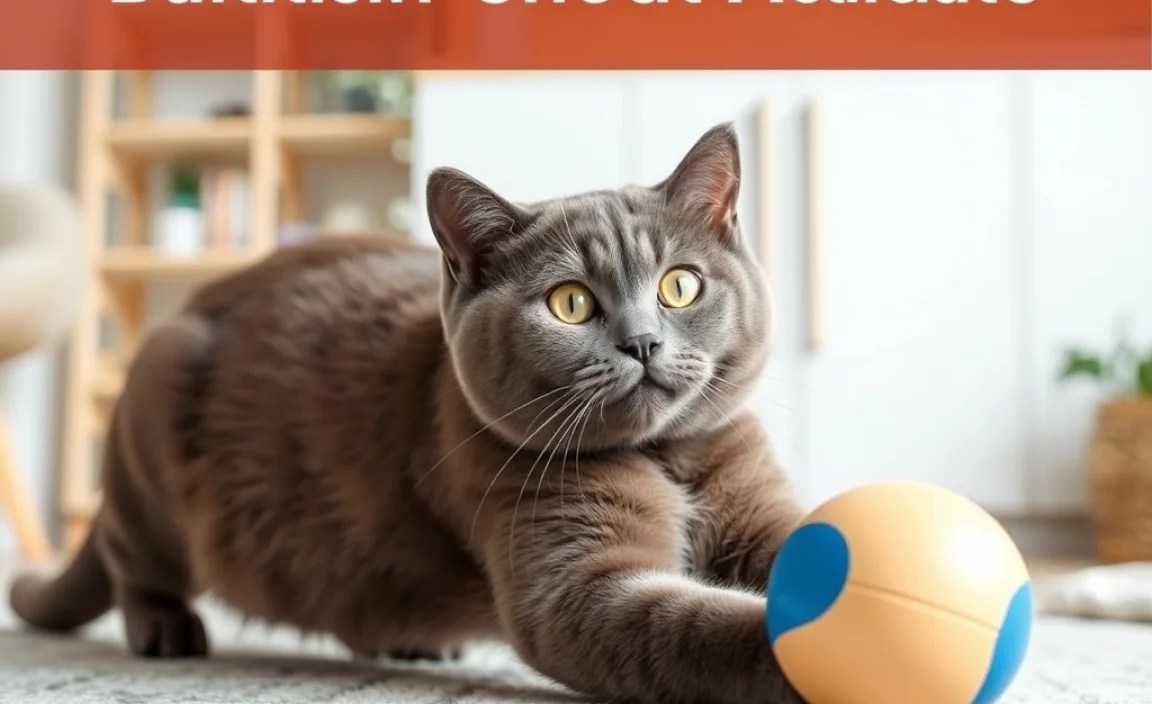
Your cat’s environment plays a big role in their activity level. A boring environment can lead to a bored cat. Keeping indoor British Shorthairs active means creating a space that is fun and interesting. Think about adding vertical space. Cats love to climb and explore high places. Cat trees and shelves are great ways to do this. Place them near windows so your cat can watch the world outside. Provide scratching posts. Scratching is a natural behavior for cats. It helps them keep their claws healthy. It also helps them stretch their muscles. Make sure your cat has plenty of places to hide. Cats like to feel safe and secure. Boxes, tunnels, and covered beds are all good options. A stimulating environment will encourage your cat to be more active.
- Cat trees offer climbing opportunities.
- Shelves create vertical space.
- Scratching posts satisfy natural urges.
- Window perches provide visual stimulation.
- Hiding places offer security.
Think about adding interactive elements to your cat’s environment. A bird feeder outside the window can provide hours of entertainment. Your cat will love watching the birds. You can also create a treasure hunt with treats. Hide small treats around the house and let your cat find them. This encourages them to explore and use their senses. Keeping indoor British Shorthairs active is about more than just toys. It’s about creating a space that is engaging and stimulating. A happy environment leads to a happy, active cat. So, take some time to think about how you can improve your cat’s surroundings.
The Benefits of Vertical Space
Why do cats love to climb? It’s in their nature! Climbing gives them a sense of security. It allows them to survey their surroundings. It also provides exercise. Vertical space is especially important for indoor cats. It gives them a way to explore and stretch their muscles. Cat trees are a popular way to add vertical space. They come in all shapes and sizes. Choose one that fits your cat’s personality and your home’s decor. Shelves are another great option. You can install them on the walls to create a climbing path. Keeping indoor British Shorthairs active is easier with vertical space. It encourages them to move around and explore.
Scratching Solutions for Indoor Cats
Scratching is a natural behavior for cats. They do it to keep their claws healthy. They also do it to mark their territory. If you don’t provide a scratching post, your cat might start scratching your furniture. That’s why it’s important to have plenty of scratching options. There are many different types of scratching posts available. Some are vertical, some are horizontal, and some are angled. Experiment to see what your cat prefers. Place the scratching post in a prominent location. Your cat is more likely to use it if it’s in a place where they spend a lot of time. Keeping indoor British Shorthairs active includes providing appropriate scratching outlets.
Creating a Window Wonderland
Cats love to watch the world outside. A window perch can provide hours of entertainment. Place a comfortable bed or cushion on the perch. This will encourage your cat to spend time there. Make sure the window is safe. Secure the screens so your cat can’t escape. You can also add a bird feeder outside the window. This will attract birds and give your cat something to watch. Keeping indoor British Shorthairs active can be as simple as providing a good view. A window wonderland will keep your cat entertained and stimulated.
Fun Fact or Stat: Cats can jump up to six times their height, making vertical spaces incredibly appealing to them!
Interactive Play Sessions

Interactive play is a great way to bond with your cat. It also helps them get exercise. Set aside some time each day for playtime. Even 15-20 minutes can make a big difference. Use toys that encourage your cat to chase and pounce. Laser pointers, wand toys, and toy mice are all good options. Move the toys in a way that mimics prey. This will engage your cat’s hunting instincts. Keeping indoor British Shorthairs active is more fun when you play together. It strengthens your bond and keeps your cat happy. End each play session with a “catch.” Let your cat catch the toy at the end. This gives them a sense of accomplishment.
| Activity | Description | Benefits |
|---|---|---|
| Laser Pointer Chase | Move the laser dot around for your cat to chase. | High energy, stimulates hunting instincts. |
| Wand Toy Play | Use a wand toy with feathers or ribbons. | Interactive, builds bond with owner. |
| Puzzle Feeders | Fill a puzzle feeder with treats or food. | Mental stimulation, slows down eating. |
| Fetch with Toys | Throw a small toy for your cat to retrieve. | Good exercise, reinforces play. |
- Set aside time for daily play.
- Use toys that mimic prey.
- End each session with a “catch.”
- Encourage chasing and pouncing.
- Vary the types of play.
Pay attention to your cat’s body language during playtime. Are they engaged and excited? Or are they getting tired? Adjust the intensity of the play session accordingly. If your cat is getting tired, slow down or take a break. You don’t want to overexert them. Keeping indoor British Shorthairs active is about finding the right balance. You want to provide enough exercise to keep them healthy, but you don’t want to push them too hard. Remember, playtime should be fun for both of you. If you’re not enjoying it, your cat probably isn’t either. So, find activities that you both love and make them a regular part of your routine.
Understanding Your Cat’s Play Style
Every cat has their own unique play style. Some cats are high-energy and love to chase. Others are more laid-back and prefer gentle play. Pay attention to your cat’s preferences. What types of toys do they like? How long do they like to play? Once you understand their play style, you can tailor your play sessions to their needs. Keeping indoor British Shorthairs active is about understanding their individual personality. A happy, engaged cat is one that is getting the right kind of play.
The Importance of Variety in Play
Just like with toys, it’s important to vary the types of play you offer. If you always do the same thing, your cat will get bored. Try different activities to keep things interesting. Switch between chasing, pouncing, and puzzle solving. This will keep your cat mentally stimulated. It will also help them stay physically fit. Keeping indoor British Shorthairs active requires variety. Don’t be afraid to experiment and try new things.
Ending Play Sessions on a Positive Note
How you end a play session is just as important as how you start it. Always end on a positive note. Let your cat “catch” the toy at the end. This gives them a sense of accomplishment. It also helps them feel satisfied. Avoid ending the session abruptly. This can leave your cat feeling frustrated. Instead, gradually slow down the pace of the play. This will help them transition back to a resting state. Keeping indoor British Shorthairs active includes ending play sessions in a way that leaves your cat feeling happy and content.
Fun Fact or Stat: A 15-minute play session for a cat is like a 30-minute workout for a human!
The Role of Puzzle Toys
Puzzle toys are a great way to challenge your cat’s mind. They require your cat to solve a problem to get a treat. This keeps them mentally stimulated. It also helps them burn energy. Puzzle toys come in many different forms. Some require your cat to move pieces around. Others require them to push buttons or pull levers. Start with simple puzzles and gradually increase the difficulty. You don’t want to frustrate your cat. Keeping indoor British Shorthairs active includes stimulating their minds. Puzzle toys are a fun and effective way to do this. They also help to prevent boredom.
- Challenge your cat’s mind.
- Prevent boredom.
- Slow down eating.
- Provide mental stimulation.
- Offer rewards for problem-solving.
Puzzle toys can also help to slow down eating. If your cat eats too quickly, they might vomit. Puzzle feeders require them to work for their food. This makes them eat more slowly. It also helps them feel fuller for longer. This can be especially helpful for cats who are overweight. Keeping indoor British Shorthairs active is about more than just physical exercise. It’s also about mental stimulation. Puzzle toys are a great way to provide both. They keep your cat entertained and engaged. A happy, stimulated cat is a joy to have in your home.
Choosing the Right Puzzle Toy
With so many puzzle toys available, how do you choose the right one for your cat? Consider your cat’s personality and skill level. If your cat is new to puzzle toys, start with something simple. A puzzle toy with large openings is a good choice. As your cat gets more experienced, you can move on to more challenging puzzles. Look for puzzle toys that are made from durable materials. You don’t want your cat to be able to break them easily. Keeping indoor British Shorthairs active is easier with the right puzzle toy. Choose one that is safe, engaging, and appropriate for your cat’s skill level.
How to Introduce Puzzle Toys
Introducing puzzle toys to your cat should be a gradual process. Start by showing your cat the puzzle toy. Let them sniff it and explore it. Then, put a few treats in the puzzle toy. Show your cat how to get the treats out. Encourage them to try it on their own. If your cat is struggling, offer some assistance. Don’t give them the answer right away, but give them a little nudge in the right direction. Keeping indoor British Shorthairs active includes introducing new things in a positive way. Be patient and encouraging, and your cat will soon be a puzzle-solving pro.
The Benefits of Slow Feeding
Many cats eat their food too quickly. This can lead to digestive problems and vomiting. Slow feeders are a great way to slow down eating. They require your cat to work for their food. This makes them eat more slowly and prevents them from gulping it down. Slow feeders come in many different forms. Some are bowls with raised patterns. Others are puzzle toys that dispense food. Keeping indoor British Shorthairs active can be as simple as changing the way you feed your cat. Slow feeding has many benefits for your cat’s health and well-being.
Fun Fact or Stat: Cats who use puzzle feeders can spend up to 30 minutes “hunting” for their food, providing great mental enrichment!
Regular Veterinary Check-ups
Regular vet visits are important for keeping indoor British Shorthairs active. Your vet can check for any health problems that might be affecting your cat’s activity level. They can also give you advice on diet and exercise. Annual check-ups are recommended for adult cats. Senior cats might need to be seen more often. Talk to your vet about the best schedule for your cat. Don’t wait until your cat is sick to see the vet. Preventative care is the best way to keep them healthy. A healthy cat is a happy, active cat.
- Detect health issues early.
- Get advice on diet and exercise.
- Ensure vaccinations are up-to-date.
- Discuss any concerns with your vet.
- Maintain a healthy weight.
Be sure to tell your vet about any changes in your cat’s behavior. Are they sleeping more than usual? Are they eating less? Are they having trouble moving around? These could be signs of a health problem. Early detection is key to successful treatment. Keeping indoor British Shorthairs active requires a team effort. You and your vet work together to keep your cat healthy and happy. Don’t hesitate to ask your vet any questions you have about your cat’s health. They are your best resource for information.
The Importance of Vaccinations
Vaccinations protect your cat from serious diseases. They help to keep them healthy and prevent them from getting sick. Talk to your vet about which vaccinations are recommended for your cat. The specific vaccinations will depend on your cat’s age, lifestyle, and location. Keeping indoor British Shorthairs active starts with protecting them from illness. Vaccinations are a safe and effective way to do this. They are an important part of your cat’s preventative care.
Dental Care for Active Cats
Dental health is often overlooked, but it’s very important for your cat’s overall health. Dental problems can cause pain and discomfort. They can also lead to other health problems. Brush your cat’s teeth regularly to prevent dental disease. You can also give them dental treats or toys. These help to clean their teeth as they chew. Keeping indoor British Shorthairs active includes taking care of their teeth. Good dental health will keep them feeling their best.
Recognizing Signs of Pain or Discomfort
Cats are good at hiding pain. It’s important to be able to recognize the signs of pain or discomfort. These can include changes in behavior, loss of appetite, and difficulty moving around. If you notice any of these signs, take your cat to the vet right away. Early treatment can help to prevent the problem from getting worse. Keeping indoor British Shorthairs active requires being attentive to their needs. Pay attention to your cat’s body language and behavior. This will help you to detect any problems early on.
Fun Fact or Stat: Cats can purr at a frequency that promotes bone healing and muscle growth, which helps them recover from injuries!
Summary
Keeping indoor British Shorthairs active is essential for their physical and mental well-being. A combination of interactive play sessions, stimulating environments, and puzzle toys can help to keep them engaged. Remember to choose safe toys and rotate them regularly to maintain their interest. Regular veterinary check-ups are also crucial for detecting any health issues that might affect their activity level. By providing a stimulating and enriching environment, you can help your British Shorthair live a happy and healthy life.
Don’t forget that what your cat eats also matters! A healthy diet gives them the energy they need to play. This, combined with the ideas above, will ensure they are getting enough exercise. Creating a fun, engaging space will help them stay stimulated, too. A bored cat can get into trouble and you want to ensure they are getting the activity they need.
Conclusion
Keeping indoor British Shorthairs active is a key part of responsible pet ownership. By providing a stimulating environment, engaging in interactive play, and offering puzzle toys, you can help your cat stay physically and mentally healthy. Remember to consult with your veterinarian for personalized advice on diet, exercise, and preventative care. A happy and active British Shorthair will bring joy and companionship to your home for many years to come. Prioritizing their activity is an investment in their overall well-being.
Frequently Asked Questions
Question No 1: How much exercise does my British Shorthair need?
Answer: British Shorthairs are not as active as some other breeds. However, they still need daily exercise. Aim for at least 15-20 minutes of interactive play each day. This can be broken up into shorter sessions. You can also provide them with opportunities to exercise on their own. Cat trees, scratching posts, and puzzle toys are all good options. Every cat is different, so pay attention to your cat’s individual needs. If they seem restless or bored, they might need more exercise. Keeping indoor British Shorthairs active ensures they stay healthy and happy.
Question No 2: What are some signs that my cat is not getting enough exercise?
Answer: There are several signs that your cat might not be getting enough exercise. These include sleeping more than usual, gaining weight, and showing a lack of interest in toys. Your cat might also become destructive or start bothering you more often. If you notice any of these signs, it’s time to increase their activity level. Try adding more playtime to their daily routine. Make sure they have plenty of opportunities to climb, scratch, and explore. Keeping indoor British Shorthairs active prevents them from becoming bored and overweight.
Question No 3: What are some good toys for British Shorthairs?
Answer: British Shorthairs enjoy a variety of toys. Laser pointers, wand toys, and toy mice are all popular choices. Puzzle toys are also a great option. They challenge your cat’s mind and help to prevent boredom. Choose toys that are safe and durable. Avoid toys with small parts that your cat could swallow. Rotate the toys regularly to keep things interesting. Keeping indoor British Shorthairs active is easier with the right toys. Experiment to see what your cat enjoys most.
Question No 4: How can I make my home more stimulating for my cat?
Answer: There are many ways to make your home more stimulating for your cat. Add vertical space with cat trees and shelves. Provide scratching posts to satisfy their natural urges. Create a window perch so they can watch the world outside. Offer plenty of hiding places for them to feel safe and secure. You can also add interactive elements, such as a bird feeder outside the window. Keeping indoor British Shorthairs active involves creating an environment that is engaging and enriching. A happy environment leads to a happy, active cat.
Question No 5: How can I tell if my cat is in pain?
Answer: Cats are good at hiding pain. However, there are some signs you can look for. These include changes in behavior, loss of appetite, and difficulty moving around. Your cat might also become more irritable or withdrawn. If you notice any of these signs, take your cat to the vet right away. Early treatment can help to prevent the problem from getting worse. Keeping indoor British Shorthairs active requires being attentive to their needs. Pay attention to their body language and behavior.
Question No 6: How important are regular vet visits for my British Shorthair?
Answer: Regular vet visits are very important for your British Shorthair’s health. Your vet can check for any health problems that might be affecting their activity level. They can also give you advice on diet and exercise. Annual check-ups are recommended for adult cats. Senior cats might need to be seen more often. Don’t wait until your cat is sick to see the vet. Preventative care is the best way to keep them healthy. Keeping indoor British Shorthairs active means ensuring their overall health and well-being. A healthy cat is a happy, active cat.


