
Exercise Tips for Lazy Cats: Easy Fun!

Do you have a cat that loves to nap? Does your furry friend seem a little too relaxed? You are not alone. Many cats prefer lounging over leaping. But exercise is vital for their health. Let’s explore some fun and easy exercise tips for lazy cats.
Some cats need a little nudge to get moving. It’s all about finding what motivates them. We can make playtime exciting. Small changes can make a big difference. Keep reading for simple ideas to boost your cat’s activity.
Remember, a happy cat is often an active cat. With a little creativity, you can transform your sleepy kitty into a playful pal. We will help you find fun ways to engage your cat. Get ready to unleash their inner athlete.
Key Takeaways
- Regular exercise helps lazy cats stay healthy and happy.
- Interactive toys and games are great exercise tips for lazy cats.
- Small, frequent play sessions can be more effective than long ones.
- Creating a stimulating environment encourages natural movement.
- Monitor your cat’s energy levels and adjust activities accordingly.
Easy Exercise Tips for Lazy Cats

It can be tricky to get a lazy cat moving. Start slowly and be patient. The goal is to make exercise fun. Never force your cat to play. This can make them dislike it. Instead, find activities they enjoy. Use toys like feather wands or laser pointers. These can spark their hunting instincts. Try to play with your cat at the same time each day. This helps them get into a routine. Reward them with treats or praise after playtime. This reinforces positive behavior. Remember, even a few minutes of exercise is better than none. Keep it light, keep it fun, and your lazy cat will thank you.
- Use toys that mimic prey.
- Start with short play sessions.
- Offer praise and treats.
- Create a routine playtime.
- Avoid forcing your cat to play.
Many cats love to chase things. A feather wand can be very enticing. Wave it around and let your cat stalk and pounce. Laser pointers are also great for stimulating movement. But be careful not to shine it in their eyes. Always end the laser pointer game with a real toy they can catch. This prevents frustration. Some cats enjoy puzzle toys. These toys dispense treats when the cat interacts with them. They provide mental stimulation and physical activity. Experiment with different toys to see what your cat likes best. The key is to make exercise a positive and enjoyable experience.
Fun Fact or Stat: A study showed that cats who play for at least 15 minutes a day are 30% less likely to develop obesity-related health issues.
How Can I Make Playtime More Engaging?
Do you ever wonder why your cat loses interest quickly? It might be the way you are playing. Cats are natural hunters. They enjoy stalking, chasing, and pouncing. Mimic these behaviors during playtime. Vary the speed and direction of the toy. Let your cat hide and then ambush the “prey.” Use different toys to keep things interesting. Rotate toys to prevent boredom. Try hiding toys and letting your cat “discover” them. This taps into their natural curiosity. Playtime should be interactive and unpredictable. This keeps your cat engaged and entertained. A stimulated cat is more likely to exercise.
What If My Cat Is Scared of New Toys?
Introducing new things can be scary for some cats. A slow and gentle approach often works best. Leave the new toy out for your cat to investigate on their own. Do not force them to interact with it. You can also try rubbing the toy on your cat’s favorite blanket. This will transfer their scent to the toy. This can make it seem more familiar. You can also play with the toy yourself. This shows your cat that it is safe and fun. Reward your cat with treats and praise for approaching the toy. Patience and positive reinforcement are key. Soon, your cat will be playing with the new toy.
How Often Should I Play With My Lazy Cat?
Consistency is key when it comes to exercise. Aim for several short play sessions throughout the day. Even five to ten minutes at a time can make a difference. Cats have short bursts of energy. Shorter, more frequent playtimes align with their natural behavior. Try playing with your cat before meals. This can stimulate their appetite. You can also play with them before bedtime. This can help them relax and sleep better. Observe your cat’s energy levels. Adjust the frequency and duration of playtime accordingly. Remember, any amount of exercise is beneficial for your lazy cat.
Using Cat Trees for Exercise
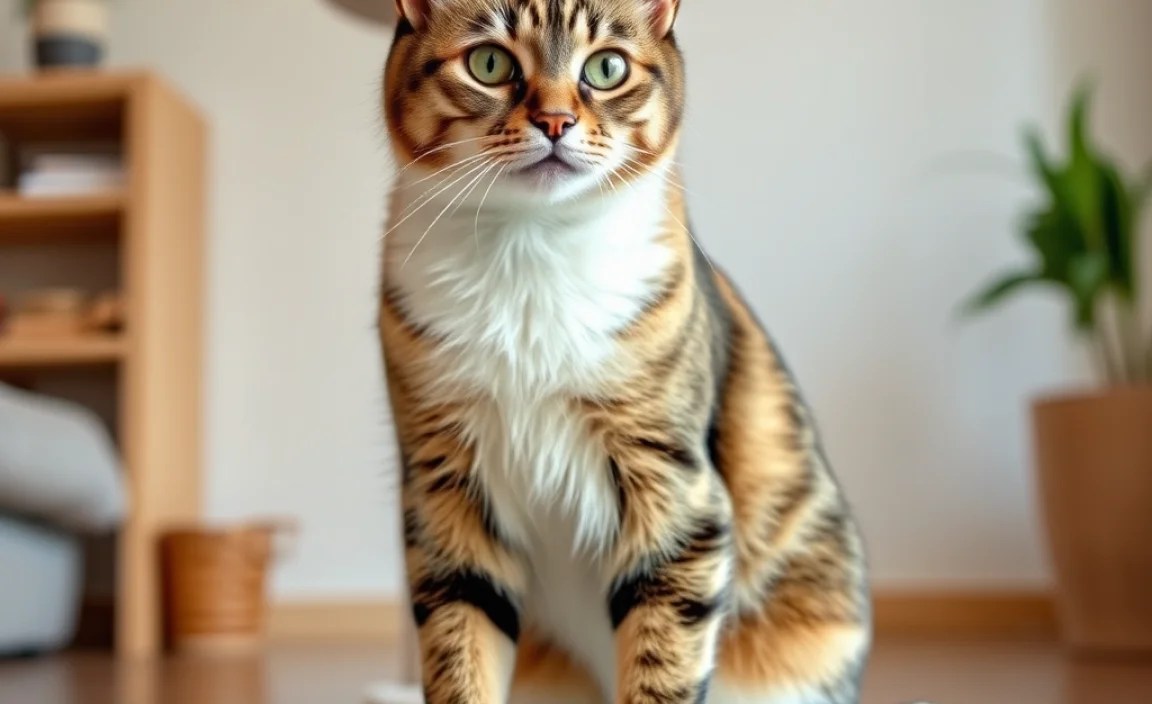
Cat trees are great for indoor cats. They provide a vertical space for climbing and exploring. This is especially important for lazy cats. Climbing is a natural form of exercise. It helps them stretch their muscles. It also satisfies their instinct to be up high. Place the cat tree near a window. This gives your cat something to watch. This can encourage them to spend more time on the tree. Choose a cat tree that is sturdy and tall. Make sure it has different levels and textures. This will keep your cat interested. Encourage your cat to use the tree with treats and toys. Soon, they will be climbing and playing on their own.
- Place the tree near a window.
- Choose a sturdy and tall tree.
- Use treats to encourage climbing.
- Make sure it has different levels.
- Add toys to the tree.
Some cats may be hesitant to use a cat tree at first. You can make it more appealing by adding familiar scents. Rub catnip on the tree to attract your cat. You can also hang their favorite toys from the different levels. Use a laser pointer to guide them up the tree. Reward them with treats when they reach the top. Make the cat tree a fun and rewarding place to be. With patience and encouragement, your lazy cat will be enjoying their new climbing space in no time. A cat tree is a fantastic way to promote exercise and mental stimulation.
Fun Fact or Stat: Cats can jump up to six times their height. Cat trees help them practice and maintain this amazing ability.
What Size Cat Tree Should I Get?
Picking the right size cat tree is important. Consider your cat’s size and age. A kitten will need a smaller tree than a large adult cat. The tree should be tall enough for your cat to climb and stretch. It should also be sturdy enough to support their weight. Measure the space where you plan to put the tree. Make sure it fits comfortably without blocking any pathways. A multi-level tree with different platforms is ideal. This provides more opportunities for climbing and exploring. Choose a tree that meets your cat’s needs and fits your home.
How Can I Encourage My Cat to Use the Tree?
Sometimes, cats need a little encouragement to use their cat tree. Start by placing it in a central location. This could be near a window or in a room where your cat spends a lot of time. Make the tree more appealing by adding familiar scents. Rub catnip on the tree or hang their favorite toys from it. Use a laser pointer to guide them up the different levels. Reward them with treats when they explore the tree. You can also try playing with them near the tree. This can make them associate it with fun and positive experiences. Be patient and consistent, and your cat will eventually start using the tree on their own.
Can a Cat Tree Help with Weight Loss?
Yes, cat trees can be a great tool for weight loss. They encourage physical activity. Climbing and jumping help burn calories. They also help build muscle. A cat tree provides a fun and engaging way for your cat to exercise. This can help them maintain a healthy weight. Combine the cat tree with other forms of exercise. This includes interactive play and puzzle toys. This will create a well-rounded fitness routine for your cat. Remember to consult with your veterinarian. They can help you create a weight loss plan that is safe and effective for your cat.
Interactive Toys and Lazy Cats

Interactive toys are great for engaging lazy cats. These toys stimulate their minds and bodies. Puzzle feeders require cats to work for their food. This slows down eating and provides mental stimulation. Toys that move on their own can spark their hunting instincts. Rotate toys regularly to keep your cat interested. Some cats enjoy chasing laser pointers. Others prefer batting around small balls. Experiment with different types of toys to find what your cat loves. The goal is to make exercise fun and rewarding. This will encourage your lazy cat to get moving.
- Puzzle feeders make cats work for food.
- Rotate toys to keep them interesting.
- Laser pointers stimulate chasing.
- Small balls encourage batting.
- Find toys your cat loves.
Many interactive toys mimic the movements of prey. This can be very enticing for cats. Toys that flutter, wiggle, or dart around can trigger their hunting instincts. Some toys even make realistic animal sounds. These sounds can further engage your cat’s attention. Be sure to supervise your cat when they are playing with interactive toys. This will ensure their safety. Remove any toys that are broken or damaged. A variety of interactive toys can help keep your lazy cat entertained and active. It also helps them stay mentally sharp.
Fun Fact or Stat: Cats can spend up to 50% of their waking hours grooming. Interactive toys can help redirect some of that energy into play.
Are Puzzle Feeders Good for Lazy Cats?
Puzzle feeders can be very beneficial for lazy cats. They turn mealtime into a game. Cats have to work to get their food. This provides both mental and physical stimulation. Puzzle feeders can also help prevent overeating. They slow down the eating process. This gives your cat time to feel full. There are many different types of puzzle feeders available. Some require cats to bat at objects to release food. Others require them to solve simple puzzles. Choose a puzzle feeder that is appropriate for your cat’s skill level. Start with an easy puzzle and gradually increase the difficulty. This will keep your cat engaged and challenged.
What Are Some Good Self-Moving Toys?
Self-moving toys can be a great way to get your lazy cat moving. These toys move on their own. They can stimulate your cat’s hunting instincts. There are many different types of self-moving toys available. Some are battery-operated and move randomly around the room. Others are controlled by a remote. Some even have built-in lasers. Choose a toy that is safe and durable. Make sure it does not have any small parts that your cat could swallow. Supervise your cat when they are playing with self-moving toys. This will ensure their safety. Self-moving toys can provide hours of entertainment and exercise for your cat.
How Do I Introduce New Toys to My Cat?
Introducing new toys to your cat should be done gradually. Start by leaving the new toy out for your cat to investigate. Do not force them to interact with it. You can also try rubbing the toy on your cat’s favorite blanket. This will transfer their scent to the toy. This can make it seem more familiar. You can also play with the toy yourself. This shows your cat that it is safe and fun. Reward your cat with treats and praise for approaching the toy. Be patient and consistent. Your cat will eventually start playing with the new toy.
Creating a Stimulating Environment

A stimulating environment is key for lazy cats. It encourages them to move and explore. Add vertical spaces like shelves or cat trees. This allows them to climb and survey their surroundings. Place bird feeders outside windows. This gives them something to watch. Provide scratching posts to satisfy their natural instincts. Rotate toys regularly to keep things interesting. Consider adding a catio. This is an enclosed outdoor space where they can enjoy fresh air and sunshine. A stimulating environment can help combat boredom. It can also encourage your lazy cat to be more active.
- Add shelves for climbing.
- Place bird feeders outside windows.
- Provide scratching posts.
- Rotate toys regularly.
- Consider a catio.
Many cats love to explore and investigate new things. You can create a stimulating environment by regularly changing things up. Rearrange furniture to create new pathways. Introduce new toys and objects for them to explore. Hide treats around the house for them to find. This will engage their hunting instincts. Consider adding a water fountain. Many cats prefer to drink running water. This can encourage them to drink more, which is important for their health. A stimulating environment can help keep your cat mentally and physically active.
Fun Fact or Stat: Cats can see in low light, making them excellent hunters at dawn and dusk. A stimulating environment provides opportunities for them to use their natural senses.
How Do I Make My Home More Cat-Friendly?
Making your home cat-friendly involves providing them with their basic needs. You should also give them opportunities for play and exploration. Provide plenty of vertical space. This can be in the form of cat trees, shelves, or even cleared-off bookshelves. Make sure they have access to fresh water and food. Provide a clean litter box in a quiet and private location. Offer scratching posts to protect your furniture. Provide plenty of toys for them to play with. Create a safe and comfortable environment where they feel secure and loved. A cat-friendly home is a happy home.
What Are the Benefits of a Catio?
A catio is an enclosed outdoor space for cats. It can offer many benefits. It allows them to enjoy fresh air and sunshine without the risks of being outside. This includes traffic, predators, and diseases. A catio can provide a safe and stimulating environment. It allows them to explore and exercise. They can watch birds, chase insects, and bask in the sun. A catio can also help reduce stress and boredom. It can improve their overall well-being. There are many different types of catios available. Some are attached to the house, while others are freestanding. Choose a catio that is appropriate for your space and budget.
How Important Is Vertical Space for Cats?
Vertical space is very important for cats. It allows them to climb, explore, and survey their surroundings. Cats are natural climbers. They enjoy being up high where they can feel safe and secure. Vertical space can also help reduce stress and boredom. It provides them with opportunities for exercise and mental stimulation. You can provide vertical space by adding cat trees, shelves, or even cleared-off bookshelves. Make sure the vertical spaces are sturdy and safe. Your cat should be able to climb and jump without the risk of falling. Vertical space is an essential element of a cat-friendly home.
Adjusting Exercise to Your Cat’s Age

A cat’s exercise needs change with age. Kittens are full of energy. They need lots of playtime. Adult cats may be more relaxed. They still need regular exercise. Senior cats may have limited mobility. Gentle exercise is still important. Adjust the intensity and duration of playtime accordingly. Choose toys that are appropriate for their age and physical condition. Be patient and understanding. Remember, every cat is different. The goal is to keep them active and healthy at every stage of life. These exercise tips for lazy cats can be tweaked. Do what is safe for your cat.
- Kittens need lots of playtime.
- Adult cats need regular exercise.
- Senior cats need gentle exercise.
- Adjust playtime intensity.
- Choose age-appropriate toys.
Kittens need plenty of opportunities to run, jump, and play. Provide them with a variety of toys. This can include balls, feathers, and toy mice. Engage them in interactive play sessions. This will help them burn off energy. Adult cats may prefer shorter, more focused play sessions. They may also enjoy puzzle toys. These challenge their minds. Senior cats may have arthritis or other age-related conditions. Gentle exercise is important for maintaining their mobility. Short walks and gentle stretching can help keep them comfortable. Always consult with your veterinarian. They can help you create an exercise plan that is safe and effective for your cat’s age and health condition.
Fun Fact or Stat: Cats sleep an average of 12-16 hours per day. This sleep is essential for their physical and mental health.
What Kind of Exercise Is Best for Kittens?
Kittens are bundles of energy. They need lots of playtime to burn off that energy. Focus on activities that allow them to run, jump, and pounce. Provide them with a variety of toys. This can include balls, feathers, and toy mice. Engage them in interactive play sessions. This will help them develop their coordination and hunting skills. Make sure the play area is safe and free of hazards. Supervise them closely during playtime. This is to prevent injuries. Kittens need plenty of exercise to stay healthy and happy.
How Can I Exercise a Senior Cat with Arthritis?
Exercising a senior cat with arthritis requires a gentle and patient approach. Focus on low-impact activities. These will not put too much stress on their joints. Short, gentle walks can help maintain their mobility. Gentle stretching exercises can help improve their flexibility. Provide them with soft and comfortable bedding. This will help cushion their joints. Consider using ramps or steps. This will help them access their favorite spots. Consult with your veterinarian. They can recommend pain management strategies and exercises. These will help keep your senior cat comfortable and active.
How Do I Know If My Cat Is Getting Enough Exercise?
It can be tricky to know if your cat is getting enough exercise. Look for signs of boredom or restlessness. These include excessive grooming, destructive behavior, or changes in appetite. A healthy cat should be alert, playful, and interested in their surroundings. Monitor their weight. Weight gain can be a sign that they are not getting enough exercise. Consult with your veterinarian. They can help you assess your cat’s overall health and activity level. They can also recommend strategies for increasing their exercise. Every cat is different. What works for one cat may not work for another. Pay attention to your cat’s individual needs and adjust their exercise accordingly.
Safe Toys and Exercise Precautions
Safety is key when choosing toys. It is also important when planning exercise for your cat. Avoid toys with small parts. Cats could swallow these parts. They can choke on them. Choose toys made from durable materials. Check toys regularly for damage. Remove any broken toys. Supervise playtime. This will prevent accidents. Be careful with laser pointers. Never shine them in your cat’s eyes. Avoid strenuous exercise. Especially if your cat has health problems. Always consult with your veterinarian. They can advise you on safe exercise. These exercise tips for lazy cats should be performed with caution.
| Toy Type | Pros | Cons | Safety Tips |
|---|---|---|---|
| Feather Wands | Encourage chasing, interactive | Feathers can be swallowed | Supervise play, check for loose feathers |
| Laser Pointers | Stimulate hunting instincts | Can cause frustration | End with a real toy, never shine in eyes |
| Puzzle Feeders | Mental stimulation, slows eating | Can be challenging at first | Start with easy puzzles, monitor progress |
| Catnip Toys | Attracts cats, encourages play | Some cats don’t react | Use in moderation, watch for overstimulation |
- Avoid toys with small parts.
- Choose durable toys.
- Check toys for damage.
- Supervise playtime.
- Never shine lasers in eyes.
It’s important to know your cat’s limits. If your cat is panting, stop and let them rest. Provide fresh water during and after exercise. Be aware of any potential hazards in the play area. This includes electrical cords, sharp objects, and toxic plants. Never force your cat to exercise. This can lead to injury. Create a safe and positive environment for play. This will encourage your cat to be more active. A little bit of planning can go a long way. It can help ensure your cat has a safe and enjoyable exercise experience.
Fun Fact or Stat: A cat’s whiskers help them navigate in tight spaces. They should be protected during playtime.
What Are the Dangers of Small Toy Parts?
Small toy parts can be a serious hazard for cats. They can easily swallow these parts. This can lead to choking, intestinal blockages, or other health problems. Avoid toys with small buttons, beads, or plastic pieces. Choose toys that are made from one solid piece. Check toys regularly for damage. Remove any parts that are loose or broken. Supervise your cat when they are playing with toys. This will help prevent them from swallowing small parts. If you suspect your cat has swallowed a small toy part, contact your veterinarian immediately.
How Can I Prevent Laser Pointer Injuries?
Laser pointers can be a fun and engaging toy for cats. However, they can also be dangerous if used improperly. Never shine the laser pointer directly into your cat’s eyes. This can cause serious eye damage. Avoid pointing the laser at reflective surfaces. This can also cause eye injuries. Always end the laser pointer game with a real toy. This will allow your cat to satisfy their hunting instincts. It will also prevent frustration. Use the laser pointer in a safe and controlled environment. Supervise your cat closely during playtime. This will help prevent accidents.
What Should I Do If My Cat Gets Injured During Exercise?
If your cat gets injured during exercise, it’s important to act quickly. Assess the severity of the injury. If it’s a minor cut or scrape, clean the wound with antiseptic solution. Apply a bandage if necessary. If the injury is more serious, such as a broken bone or a deep wound, contact your veterinarian immediately. Keep your cat calm and comfortable. Transport them to the vet in a carrier. Do not attempt to treat the injury yourself. This could make it worse. Follow your veterinarian’s instructions carefully. This will ensure your cat receives the best possible care.
Summary
Keeping a lazy cat active needs patience and creativity. We learned some great exercise tips for lazy cats. Start with short, fun play sessions. Use interactive toys to engage their hunting instincts. Cat trees provide climbing opportunities. A stimulating environment can combat boredom. Adjust exercise to your cat’s age and health. Always prioritize safety. A little effort can make a big difference. It can improve your cat’s health and happiness. Remember to have fun with your furry friend.
Conclusion
Getting your lazy cat to exercise might seem hard. But it’s worth the effort. Regular activity keeps them healthy and happy. It prevents obesity and other health issues. Use these exercise tips for lazy cats to make playtime fun. Be patient and consistent. Soon, your sleepy kitty will be a playful pal. Enjoy the bonding time with your cat.
Frequently Asked Questions
Question No 1: How do I know if my cat is lazy?
Answer: A lazy cat spends most of its time sleeping. They show little interest in playing. They might also be overweight. These are all signs that your cat may be lazy. However, every cat is different. Some cats are naturally more relaxed than others. If you’re concerned about your cat’s activity level, consult with your veterinarian. They can help you assess your cat’s overall health and activity level. They can also recommend strategies for increasing their exercise.
Question No 2: What are some easy ways to get my cat to exercise?
Answer: There are many easy ways to get your cat to exercise. Start with short, fun play sessions. Use interactive toys. These toys can engage their hunting instincts. Cat trees provide climbing opportunities. A stimulating environment can combat boredom. Adjust exercise to your cat’s age and health. Always prioritize safety. Even a few minutes of exercise each day can make a big difference. Remember to be patient and consistent. Your cat will eventually start enjoying playtime.
Question No 3: Can I use food to motivate my cat to exercise?
Answer: Yes, you can use food to motivate your cat to exercise. Use treats as rewards during playtime. This can help them associate exercise with positive experiences. You can also use puzzle feeders. These require cats to work for their food. This can provide both mental and physical stimulation. Be careful not to overfeed your cat. Use treats sparingly. Choose healthy treats that are low in calories. Consult with your veterinarian. They can help you create a balanced diet and exercise plan for your cat.
Question No 4: What if my cat is scared of new toys?
Answer: It’s normal for cats to be cautious around new things. Introduce new toys gradually. Leave the toy out for your cat to investigate on their own. Do not force them to interact with it. You can also try rubbing the toy on your cat’s favorite blanket. This will transfer their scent to the toy. This can make it seem more familiar. You can also play with the toy yourself. This shows your cat that it is safe and fun. Reward your cat with treats and praise for approaching the toy. Patience and positive reinforcement are key. With time, your cat will be playing with the new toy. These exercise tips for lazy cats may involve new toys.
Question No 5: How much exercise does my cat need?
Answer: The amount of exercise your cat needs depends on its age, breed, and health. Kittens need lots of playtime. Adult cats need regular exercise. Senior cats may need gentle exercise. A good rule of thumb is to aim for at least 15-20 minutes of exercise each day. This can be broken up into shorter sessions. Observe your cat’s energy levels. Adjust the amount of exercise accordingly. Consult with your veterinarian. They can help you determine the right amount of exercise for your cat.
Question No 6: What are the benefits of exercise for cats?
Answer: Exercise has many benefits for cats. It helps them maintain a healthy weight. It prevents obesity-related health problems. It improves their cardiovascular health. It strengthens their muscles and bones. It also provides mental stimulation. It can help reduce stress and boredom. Exercise can also improve their overall quality of life. Regular exercise is an essential part of keeping your cat happy and healthy. These exercise tips for lazy cats contribute to overall well-being.


