
Exercises to Prevent British Shorthair Obesity: Simple Tips

Do you love your British Shorthair cat? Do you want them to live a long, happy life? It is important to keep them healthy. One big problem for this breed is obesity. But how can you help your fluffy friend? There are many exercises to prevent British Shorthair obesity. Let’s find out how to keep your cat fit and playful!
Key Takeaways
- Regular play sessions are vital exercises to prevent British Shorthair obesity.
- Puzzle feeders can slow down eating and provide mental stimulation for your cat.
- A balanced diet with measured portions helps maintain a healthy weight.
- Vertical spaces like cat trees encourage climbing and activity.
- Annual vet checkups can catch weight issues early and provide tailored advice.
Effective Exercises to Prevent Obesity

British Shorthairs are known for their calm nature. They can easily become couch potatoes. But being lazy can lead to weight gain. Exercises to prevent British Shorthair obesity are key. We need to get them moving! Obesity can cause many health problems for cats. These include diabetes and joint pain. It is our job to keep them active and healthy. Simple changes in their daily routine can make a big difference. Think about adding more playtime. Try using toys that make them chase and pounce. This will help them burn calories and stay fit. Remember, a healthy cat is a happy cat!
- Play with your cat for at least 15 minutes each day.
- Use interactive toys like laser pointers or feather wands.
- Encourage climbing with cat trees or shelves.
- Rotate toys to keep your cat interested.
- Provide scratching posts to promote stretching.
One way to encourage your cat to exercise is through play. Cats love to chase things. Use a laser pointer to create a fun game. Move the light around the room. Let your cat chase it. This gets them running and jumping. Feather wands are also great. Wave the wand around. Make it look like a bird. Your cat will love to hunt it. Cat trees are another good idea. They give your cat a place to climb. Climbing is a great exercise for cats. It helps them build muscle. Remember to make playtime fun and exciting. This will keep your cat interested and engaged. Keeping your British Shorthair active is a great way to show them you care. These small changes can prevent obesity.
Fun Fact or Stat: Did you know that overweight cats are more likely to develop diabetes?
Make Playtime a Daily Habit
How often do you play with your cat? Making playtime a daily habit is important. Set aside time each day for exercise. Even 15 minutes can make a big difference. Consistency is key. Your cat will start to expect playtime. This will make it easier to get them moving. Choose a time that works for both of you. Maybe it’s in the morning before you go to work. Or in the evening after dinner. Find a time that fits into your routine. Use a variety of toys to keep things interesting. Rotate the toys to prevent boredom. This will keep your cat engaged and excited about playtime. Remember, exercise is not just about physical health. It also helps with mental health. Playtime can reduce stress and anxiety in cats. A happy cat is a healthy cat!
Use Toys That Mimic Hunting
Imagine your cat is a tiny hunter. What would they chase? Toys that mimic hunting are great for exercise. These toys tap into your cat’s natural instincts. Feather wands can look like birds. Laser pointers can mimic small prey. These toys encourage your cat to chase and pounce. This is a great way to burn calories. Some toys even have hidden treats. Your cat has to work to get the treat. This provides mental stimulation as well as exercise. Make sure the toys are safe for your cat. Avoid toys with small parts that can be swallowed. Supervise your cat during playtime. This will ensure they stay safe and have fun. Hunting toys are a great way to keep your cat active and engaged.
Create an Engaging Environment
Is your cat’s environment boring? A boring environment can lead to inactivity. Create an engaging environment to encourage exercise. Cat trees are a great addition to any home. They provide a place for your cat to climb and explore. Place the cat tree near a window. This will give your cat a view of the outside world. Shelves are another good option. Mount shelves on the wall at different heights. This creates a climbing course for your cat. Rotate toys regularly to keep things interesting. A scratching post is also important. Scratching helps cats stretch and exercise their muscles. A stimulating environment will keep your cat active and prevent obesity.
Dietary Changes for British Shorthairs

What does your British Shorthair eat? Diet is a big part of preventing obesity. You must choose the right food. You should also control how much they eat. Look for cat food that is high in protein. Protein helps cats build muscle. Avoid foods that are high in carbohydrates. Carbs can lead to weight gain. Talk to your vet about the best food for your cat. They can recommend a food that meets your cat’s needs. Measure your cat’s food carefully. Don’t just fill the bowl. Overfeeding is a common cause of obesity. Feed your cat at set times each day. This helps regulate their metabolism. Always provide fresh water. Staying hydrated is important for overall health. Exercises to prevent British Shorthair obesity alone aren’t enough. Diet is also key.
- Choose high-protein, low-carbohydrate cat food.
- Measure food portions carefully to avoid overfeeding.
- Feed your cat at set times each day.
- Avoid giving your cat table scraps or treats.
- Provide fresh, clean water at all times.
- Consider using a puzzle feeder to slow down eating.
Puzzle feeders are a great way to slow down eating. These feeders make your cat work for their food. They have to solve a puzzle to get the food out. This can help prevent overeating. It also provides mental stimulation. There are many different types of puzzle feeders available. Some are simple, while others are more complex. Choose one that is appropriate for your cat’s skill level. Start with an easy puzzle feeder. Then gradually increase the difficulty. This will keep your cat challenged and engaged. Puzzle feeders are a fun and effective way to manage your cat’s weight. They also help prevent boredom. A bored cat is more likely to overeat. Keep your cat entertained with puzzle feeders.
Fun Fact or Stat: British Shorthairs are prone to weight gain because they have a slower metabolism compared to other breeds.
Choose the Right Cat Food
Are you reading the label on your cat food? Choosing the right cat food is essential. Look for food that is high in protein and low in carbohydrates. Protein helps cats build and maintain muscle mass. Carbohydrates can contribute to weight gain. Read the ingredient list carefully. The first ingredient should be a named meat source, such as chicken or fish. Avoid foods that contain fillers, such as corn or wheat. These ingredients provide little nutritional value. Look for food that is specifically formulated for indoor cats. These foods are often lower in calories. They also contain added fiber to help with digestion. Talk to your vet about the best food for your British Shorthair. They can recommend a food that meets your cat’s specific needs.
Control Portion Sizes
How much food are you giving your cat? Controlling portion sizes is crucial for weight management. Use a measuring cup to ensure you are feeding the correct amount. Follow the feeding guidelines on the cat food package. But remember, these are just guidelines. Your cat may need more or less food depending on their activity level. Monitor your cat’s weight regularly. If they are gaining weight, reduce their food intake. If they are losing weight, increase their food intake. Divide your cat’s daily food allowance into several small meals. This can help prevent overeating. Avoid leaving food out all day. This allows your cat to graze, which can lead to weight gain. Consistent portion control is key to preventing obesity.
Limit Treats and Snacks
Do you give your cat lots of treats? Limiting treats and snacks is important for weight control. Treats can be high in calories. They can quickly add up and contribute to weight gain. Choose healthy treats for your cat. Look for treats that are low in calories and high in protein. Offer treats sparingly. Don’t give your cat treats every day. Use treats as a reward for good behavior. Or as a special treat on occasion. Avoid giving your cat table scraps. Human food is often high in calories and fat. It can also be toxic to cats. Be mindful of the treats and snacks you are giving your cat. This will help prevent obesity.
Creating an Active Environment
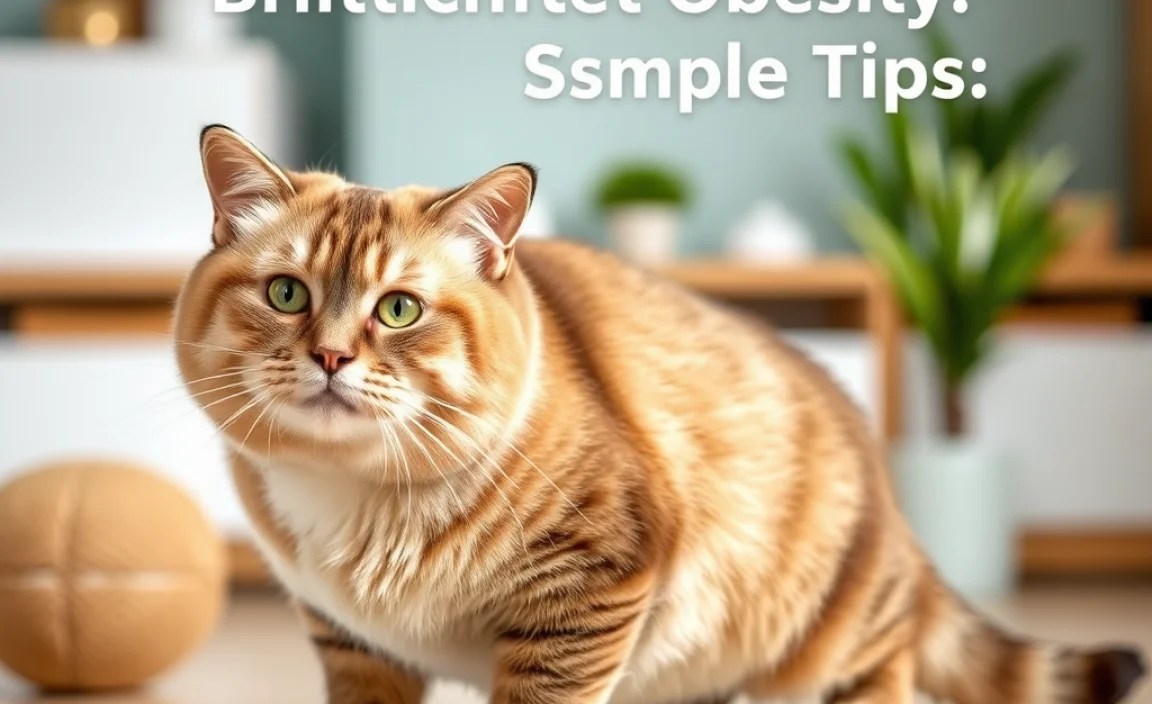
Where does your cat spend most of their time? Creating an active environment is key. This encourages your British Shorthair to move more. Cats need opportunities to climb, scratch, and explore. Cat trees are a great addition to any home. They provide a vertical space for cats to climb. This helps them exercise their muscles. Scratching posts are also important. Scratching helps cats stretch and maintain their claws. Place the scratching post near your cat’s favorite resting spot. This will encourage them to use it. Window perches are another good idea. They give your cat a view of the outside world. This can keep them entertained and prevent boredom. A stimulating environment will keep your cat active and prevent obesity. Exercises to prevent British Shorthair obesity can be as simple as this.
- Provide cat trees and shelves for climbing.
- Offer scratching posts to encourage stretching.
- Create window perches for bird watching.
- Rotate toys to keep your cat interested.
- Hide treats around the house to encourage exploration.
Hiding treats around the house is a fun way to encourage exploration. Place small treats in different locations. Make sure they are in safe and accessible places. Your cat will have to search for the treats. This provides mental and physical stimulation. Start with easy hiding spots. Then gradually make them more challenging. This will keep your cat engaged and entertained. Hide the treats when your cat is not watching. This will make the game more exciting. Hide-and-seek with treats is a great way to keep your cat active and prevent boredom. It also strengthens the bond between you and your cat. Remember to use healthy treats that are low in calories.
Fun Fact or Stat: Cats are natural climbers, and providing vertical spaces can significantly increase their activity levels.
Cat Trees and Climbing Structures
Does your cat have a cat tree? Cat trees are excellent for encouraging exercise. They provide a vertical space for climbing and exploring. Climbing is a great way for cats to exercise their muscles. It also helps them maintain their agility. Choose a cat tree that is sturdy and stable. Make sure it is tall enough for your cat to climb comfortably. Place the cat tree in a central location in your home. This will make it more appealing to your cat. Encourage your cat to use the cat tree by placing treats or toys on it. You can also use a laser pointer to guide them up the tree. Cat trees are a fun and effective way to keep your cat active and prevent obesity.
Scratching Posts and Surfaces
Is your cat scratching your furniture? Providing scratching posts can help. Scratching is a natural behavior for cats. It helps them maintain their claws. It also allows them to stretch their muscles. Provide a variety of scratching posts. Some cats prefer vertical posts, while others prefer horizontal surfaces. Experiment to see what your cat likes best. Place the scratching posts near your cat’s favorite resting spots. This will encourage them to use them. You can also sprinkle catnip on the scratching posts. This will make them more appealing to your cat. Scratching posts are essential for a healthy and happy cat. They also help protect your furniture from damage.
Interactive Toys and Games
Are you using interactive toys with your cat? Interactive toys are a great way to keep your cat entertained and active. These toys require your cat to use their brain and body. Puzzle toys are a popular choice. They require your cat to solve a puzzle to get a treat. This provides mental stimulation and exercise. Laser pointers are another fun option. Your cat will love chasing the light around the room. Just be careful not to shine the laser in their eyes. Feather wands are also a great choice. Wave the wand around to mimic the movement of a bird. Your cat will love to hunt and pounce on the feather. Interactive toys are a fun and effective way to prevent obesity.
Monitoring Your Cat’s Weight

How often do you weigh your cat? Monitoring your cat’s weight is important. This helps you catch weight gain early. You can use a regular bathroom scale to weigh your cat. First, weigh yourself. Then weigh yourself holding your cat. Subtract your weight from the combined weight. This will give you your cat’s weight. Keep a record of your cat’s weight. This will help you track any changes over time. You should also be able to feel your cat’s ribs easily. If you can’t feel their ribs, they may be overweight. Talk to your vet about your cat’s weight. They can help you determine if your cat is at a healthy weight. They can also recommend a weight loss plan if needed. Remember, exercises to prevent British Shorthair obesity are most effective with regular monitoring.
- Weigh your cat regularly using a pet scale.
- Check if you can easily feel your cat’s ribs.
- Monitor your cat’s body condition score.
- Look for changes in your cat’s activity level.
- Consult with your vet about your cat’s weight.
Your vet can help you determine your cat’s ideal weight. They can also assess your cat’s body condition score. This is a visual assessment of your cat’s body fat. The body condition score ranges from 1 to 9. A score of 5 is considered ideal. A score of 1 means your cat is underweight. A score of 9 means your cat is obese. Your vet can teach you how to assess your cat’s body condition score at home. This will help you monitor their weight between vet visits. Regular vet checkups are essential for maintaining your cat’s health. Your vet can detect any health problems early. They can also provide guidance on diet and exercise. Don’t skip your cat’s annual vet appointment.
Fun Fact or Stat: Regular vet checkups can help detect underlying health issues that contribute to weight gain in cats.
Regular Vet Checkups
When was your cat’s last vet visit? Regular vet checkups are essential. Your vet can monitor your cat’s weight and health. They can also provide personalized advice. This advice will be about diet and exercise. Vet visits can help catch problems early. Early detection is key to treating many health issues. Your vet can also rule out any medical causes of weight gain. Some medical conditions can cause cats to gain weight. These include hypothyroidism and Cushing’s disease. If your cat is gaining weight for no apparent reason, see your vet. They can perform tests to determine the cause. Don’t wait until your cat is obese to see the vet. Regular checkups can help prevent weight gain in the first place.
Body Condition Scoring
Do you know how to assess your cat’s body condition? Body condition scoring is a tool. It helps you assess your cat’s weight. It is a visual and tactile assessment. You will feel and look at your cat. You will check for excess fat. A healthy cat should have a defined waist. You should be able to feel their ribs easily. If you can’t feel their ribs, your cat may be overweight. If their ribs are very prominent, your cat may be underweight. There are body condition score charts available online. These charts can help you determine your cat’s score. Talk to your vet about body condition scoring. They can show you how to assess your cat’s weight accurately.
Tracking Weight Changes
Are you keeping track of your cat’s weight? Tracking weight changes is important. It helps you monitor your cat’s health over time. Weigh your cat regularly. Record their weight in a notebook or on your phone. This will help you see any trends. If your cat is gaining weight, take action. Reduce their food intake. Increase their exercise. If your cat is losing weight, see your vet. Unexplained weight loss can be a sign of a health problem. Tracking weight changes is a simple way to stay on top of your cat’s health. It can also help you prevent obesity.
Using Puzzle Feeders Effectively
Does your cat gulp down their food? Puzzle feeders can help slow them down. These feeders make cats work for their food. They have to solve a puzzle to get the food. This can prevent overeating. It also provides mental stimulation. There are many types of puzzle feeders. Some are simple, others are complex. Start with an easy one. Then increase the difficulty. This keeps your cat challenged. Place the puzzle feeder in a quiet area. This allows your cat to focus. Clean the puzzle feeder regularly. This prevents bacteria from growing. Puzzle feeders are a great tool. They help manage your cat’s weight. Exercises to prevent British Shorthair obesity can be fun!
| Puzzle Feeder Type | Pros | Cons | Best For |
|---|---|---|---|
| Basic Bowl | Simple, inexpensive | Not very challenging | Beginners |
| Treat Ball | Encourages movement | Can be noisy | Active cats |
| Interactive Board | Multiple compartments | Requires cleaning | Smart cats |
| Slow Feeder Bowl | Easy to use, slows eating | Not very stimulating | Fast eaters |
When introducing a puzzle feeder, be patient. It may take your cat some time to figure it out. Start by showing your cat how the puzzle feeder works. Place some treats or kibble in the feeder. Show your cat how to get the food out. Encourage them to try it themselves. If your cat is struggling, offer some help. But don’t solve the puzzle for them. Let them figure it out on their own. Once your cat gets the hang of it, you can increase the difficulty. This will keep them challenged and engaged. Puzzle feeders are a great way to prevent boredom. They also help keep your cat mentally sharp. A mentally stimulated cat is less likely to overeat.
Fun Fact or Stat: Puzzle feeders can increase a cat’s mental stimulation and reduce boredom, leading to healthier eating habits.
Choosing the Right Puzzle Feeder
Are you overwhelmed by all the puzzle feeder options? Choosing the right puzzle feeder is important. Consider your cat’s personality and skill level. If your cat is new to puzzle feeders, start with a simple one. A basic bowl with raised obstacles is a good choice. If your cat is more experienced, try a more challenging puzzle feeder. Interactive boards with multiple compartments can be fun. Treat balls are also a good option. They encourage your cat to move around while they eat. Look for puzzle feeders that are made from safe materials. Avoid feeders that contain small parts that can be swallowed. Read reviews before you buy a puzzle feeder. This will help you choose a high-quality feeder that your cat will enjoy.
Introducing Puzzle Feeders Slowly
Should you switch to a puzzle feeder overnight? Introducing puzzle feeders slowly is key. Don’t take away your cat’s regular bowl right away. Instead, offer the puzzle feeder alongside their regular bowl. Put a small amount of food in the puzzle feeder. Put the rest of their food in their regular bowl. This allows your cat to get used to the puzzle feeder. They can still eat from their regular bowl if they get frustrated. Gradually increase the amount of food in the puzzle feeder. Decrease the amount of food in their regular bowl. Eventually, you can remove the regular bowl altogether. This slow transition will help your cat adjust to the puzzle feeder. It will also prevent them from becoming stressed or anxious.
Cleaning and Maintaining Puzzle Feeders
Are you cleaning your cat’s puzzle feeder regularly? Cleaning and maintaining puzzle feeders is important. Food can get stuck in the crevices of the feeder. This can attract bacteria and mold. Clean the puzzle feeder at least once a week. Use warm, soapy water to wash the feeder. Rinse it thoroughly to remove any soap residue. Allow the feeder to dry completely before using it again. Some puzzle feeders are dishwasher safe. Check the manufacturer’s instructions to see if yours is. Inspect the puzzle feeder regularly for damage. Replace it if it is cracked or broken. Proper cleaning and maintenance will keep your cat’s puzzle feeder safe and hygienic.
The Role of Playtime in Weight Management
Do you think of playtime as just fun? Playtime is important for weight management. It helps your cat burn calories. It also builds muscle mass. Playtime can also improve your cat’s mood. A happy cat is more likely to be active. Use a variety of toys to keep your cat engaged. Laser pointers, feather wands, and toy mice are all great options. Rotate the toys regularly to prevent boredom. Schedule playtime for the same time each day. This will help your cat get into a routine. Even 15 minutes of playtime can make a big difference. Playtime is a fun and effective way to prevent obesity. Remember that exercises to prevent British Shorthair obesity should be fun.
- Schedule regular playtime sessions each day.
- Use a variety of toys to keep your cat interested.
- Encourage chasing, pouncing, and jumping during playtime.
- Make playtime interactive and engaging.
- End playtime with a reward, such as a healthy treat.
When playing with your cat, focus on activities that encourage movement. Chasing, pouncing, and jumping are all great exercises. Use a laser pointer to get your cat running around the room. Wave a feather wand to mimic the movement of a bird. Toss a toy mouse for your cat to chase and retrieve. Make playtime interactive and engaging. Talk to your cat in a playful voice. Use gestures and movements to make the game more exciting. End playtime with a reward. Give your cat a healthy treat or some praise. This will reinforce the positive association with playtime. Regular playtime is a key component of a healthy lifestyle for your British Shorthair.
Fun Fact or Stat: Just 15 minutes of active playtime can burn a significant number of calories for a cat.
Types of Interactive Play
Are you using the same toys every day? Varying the types of play can keep your cat engaged. Interactive play is key. Laser pointers are a classic choice. Cats love to chase the moving light. Feather wands mimic the movement of prey. This encourages hunting behavior. Toy mice are great for batting and pouncing. Puzzle toys combine play with mental stimulation. They require your cat to solve a puzzle to get a treat. Rotate toys regularly to prevent boredom. This will keep your cat interested in playtime. Experiment with different types of play to see what your cat enjoys most. The more engaged your cat is, the more calories they will burn.
Encouraging Natural Behaviors
Are you letting your cat be a cat? Encouraging natural behaviors is important. Cats are natural hunters. Playtime should mimic hunting. Use toys that allow your cat to chase, pounce, and capture. Scratching is another natural behavior. Provide scratching posts to satisfy this urge. Climbing is also important. Cat trees and shelves allow your cat to climb and explore. Provide opportunities for your cat to express these natural behaviors. This will keep them happy and healthy. It will also help them burn calories. A cat that is allowed to be a cat is more likely to be active and maintain a healthy weight.
Making Playtime Fun and Engaging
Is playtime a chore for you or your cat? Making playtime fun is key. If playtime is boring, your cat will lose interest. Use a playful voice when interacting with your cat. Vary your movements to keep them guessing. Let your cat “win” sometimes. This will boost their confidence. End playtime on a positive note. Give your cat a treat or some praise. Make playtime a positive experience for both of you. This will encourage your cat to participate. It will also strengthen the bond between you and your cat. A happy cat is more likely to be active and maintain a healthy weight.
Summary
Keeping your British Shorthair at a healthy weight is important. It helps them live a long and happy life. Exercises to prevent British Shorthair obesity are key. A balanced diet and regular playtime are also important. Monitor your cat’s weight regularly. See your vet for checkups. Create an active environment in your home. Use puzzle feeders to slow down eating. By following these tips, you can help your British Shorthair stay fit and healthy.
Conclusion
Obesity is a common problem in British Shorthairs. It can lead to serious health issues. But you can help your cat stay healthy. Focus on diet and exercise. Make playtime a daily habit. Create an active environment. Monitor their weight. With the right approach, you can implement exercises to prevent British Shorthair obesity. A healthy cat is a happy cat. Give your British Shorthair the gift of a long and healthy life.
Frequently Asked Questions
Question No 1: How can I tell if my British Shorthair is overweight?
Answer: There are a few ways to tell if your British Shorthair is overweight. You should be able to feel their ribs easily. If you can’t, they may be carrying too much weight. Look at your cat from above. They should have a defined waist. If they look like a sausage, they are probably overweight. You can also compare your cat to a body condition score chart. These charts show pictures of cats at different weights. If you are still unsure, talk to your vet. They can assess your cat’s weight and body condition.
Question No 2: How much should I feed my British Shorthair?
Answer: The amount you should feed your British Shorthair depends on several factors. These include their age, weight, and activity level. Follow the feeding guidelines on the cat food package. These guidelines are a good starting point. But you may need to adjust the amount based on your cat’s individual needs. If your cat is gaining weight, reduce their food intake. If they are losing weight, increase their food intake. Divide their daily food allowance into several small meals. This can help prevent overeating. Talk to your vet about the best feeding plan for your British Shorthair. They can help you determine the right amount of food to feed.
Question No 3: What are some fun exercises to prevent British Shorthair obesity?
Answer: There are many fun ways to exercise your British Shorthair. Laser pointers are a classic choice. Cats love to chase the moving light. Feather wands mimic the movement of prey. This encourages hunting behavior. Toy mice are great for batting and pouncing. Puzzle toys combine play with mental stimulation. They require your cat to solve a puzzle to get a treat. Rotate toys regularly to prevent boredom. This will keep your cat interested in playtime. Climbing is also a great exercise. Provide cat trees and shelves for your cat to climb. The more fun the exercise, the more likely your cat will participate.
Question No 4: How can I get my cat to use a scratching post?
Answer: Getting your cat to use a scratching post can be easy. Place the scratching post near your cat’s favorite resting spot. This will encourage them to use it. Sprinkle catnip on the scratching post. This will make it more appealing to your cat. You can also try rubbing the scratching post with a toy. This will transfer your cat’s scent to the post. When you see your cat scratching your furniture, gently redirect them to the scratching post. Reward them with a treat when they use the post. Be patient. It may take some time for your cat to get used to using the scratching post.
Question No 5: Are puzzle feeders a good way to help with exercises to prevent British Shorthair obesity?
Answer: Yes, puzzle feeders can be a great way to help prevent obesity. They make your cat work for their food. This slows down eating. It also provides mental stimulation. There are many different types of puzzle feeders available. Some are simple, while others are more complex. Choose one that is appropriate for your cat’s skill level. Start with an easy puzzle feeder. Then gradually increase the difficulty. Puzzle feeders can also help prevent boredom. A bored cat is more likely to overeat. Keep your cat entertained with puzzle feeders.
Question No 6: How often should I take my British Shorthair to the vet?
Answer: You should take your British Shorthair to the vet for an annual checkup. This allows your vet to monitor your cat’s health. They can also provide personalized advice. This advice will be about diet and exercise. Vet visits can help catch problems early. Early detection is key to treating many health issues. Your vet can also rule out any medical causes of weight gain. If your cat is gaining weight for no apparent reason, see your vet. They can perform tests to determine the cause. Don’t skip your cat’s annual vet appointment. Regular checkups can help prevent weight gain.


