
Importance of Meal Timing for Cats: Smart Feeding

Have you ever wondered why your cat meows at the same time each day? Maybe it is because they are hungry. Cats love routine, and that includes meal times. The importance of meal timing for cats is greater than you might think. It helps them feel safe and healthy.
Did you know that consistent meal times can stop your cat from begging? It’s true! When cats know when to expect food, they are less stressed. This can lead to a happier, healthier feline friend.
Keeping your cat on a schedule can also help you notice any changes in their appetite. This is important because a change in appetite can be a sign of illness. So, let’s explore why importance of meal timing for cats matters.
Key Takeaways
- Consistent meal times support better digestion and nutrient absorption in cats.
- A regular feeding schedule helps to prevent overeating and obesity in felines.
- Predictable meal times reduce anxiety and stress, promoting calmer behavior.
- The importance of meal timing for cats can aid in early detection of health issues.
- Scheduled feeding helps manage multi-cat households and reduce food competition.
Understanding the Importance of Meal Timing for Cats

Cats thrive on routine. A consistent feeding schedule helps them feel secure. When cats know when to expect their next meal, they experience less anxiety. This can lead to fewer behavioral problems. For example, a cat fed at 8 AM and 6 PM daily knows when food is coming. They are less likely to beg for food between meals. Importance of meal timing for cats also plays a big role in their physical health. Regular meals aid digestion. They also help regulate their metabolism. This is especially important for cats with diabetes. Scheduled feeding can help manage their blood sugar levels. Plus, it allows you to monitor their appetite. If your cat suddenly eats less, it could be a sign of a health issue. Paying attention to their feeding habits helps you keep them healthy. Meal timing can also prevent overeating. Free-feeding, where food is always available, can lead to obesity. Obesity can cause many health problems in cats, like arthritis and heart disease. So, controlling when and how much your cat eats is essential for their overall well-being.
- Consistent feeding times reduce stress in cats.
- Scheduled meals aid digestion and nutrient absorption.
- Regular feeding helps manage weight and prevent obesity.
- Meal timing allows for better monitoring of appetite.
- Routine feeding can help stabilize blood sugar levels.
Consistent meal times can also make a big difference in multi-cat households. When each cat has a set time to eat, there is less competition for food. This reduces stress and aggression among your cats. It also ensures that each cat gets the right amount of food. Some cats may eat faster than others. Scheduled feeding allows you to monitor each cat’s intake. This is important for cats with special dietary needs. The importance of meal timing for cats extends beyond just physical health. It also affects their emotional well-being. A predictable routine creates a sense of security. This makes them feel more relaxed and content. Think of it like a child who knows when dinner is served. They feel secure knowing they will be fed. Cats are no different. They rely on us to provide them with a consistent and caring environment. This includes knowing when their next meal is coming.
Fun Fact or Stat: Studies show that cats fed on a schedule are less likely to exhibit behavioral problems like excessive meowing or scratching!
How Does Meal Timing Affect Digestion?
Have you ever felt your stomach rumble at lunchtime? That’s your body telling you it’s ready to digest food. Cats have a similar internal clock. When they eat at the same time each day, their digestive system prepares in advance. This means they can better absorb nutrients from their food. Irregular feeding times can disrupt this process. It can lead to digestive upset. This can manifest as vomiting or diarrhea. Also, when cats are fed at consistent times, their bodies regulate insulin and glucose levels more effectively. This is especially important for cats with diabetes. Scheduled feeding helps prevent sudden spikes or drops in blood sugar. These fluctuations can be dangerous for diabetic cats. The importance of meal timing for cats in relation to digestion cannot be overstated. A well-regulated digestive system means a healthier and happier cat. So, keeping a consistent feeding schedule supports optimal digestion and nutrient absorption.
Can Meal Timing Help Prevent Overeating?
Imagine a buffet where you can eat as much as you want, whenever you want. Sounds great, right? But it can easily lead to overeating. The same is true for cats. When food is always available, they tend to graze throughout the day. This can lead to weight gain and obesity. Obesity is a major health problem in cats. It can cause diabetes, arthritis, and heart disease. Scheduled feeding helps control how much your cat eats. It allows you to measure out the appropriate portion size. This prevents them from overeating. The importance of meal timing for cats for weight management is significant. By feeding your cat at specific times, you can monitor their intake and adjust as needed. This is especially important for indoor cats. They are less active and burn fewer calories. Keeping them on a feeding schedule helps them maintain a healthy weight. It also helps prevent the health problems associated with obesity. So, say no to free-feeding and yes to scheduled meals.
What Happens When Meal Times Are Inconsistent?
Picture this: you are waiting for a bus that never arrives on time. How would you feel? Probably anxious and frustrated. Cats feel the same way when their meal times are inconsistent. They thrive on routine. When their feeding schedule is unpredictable, they can become stressed. This stress can manifest in different ways. Some cats may become overly vocal. They may meow excessively or beg for food constantly. Others may develop behavioral problems. They may start scratching furniture or spraying urine. Inconsistent meal times can also affect their physical health. It can disrupt their digestive system. This can lead to vomiting or diarrhea. The importance of meal timing for cats is clear. A predictable routine provides them with a sense of security. When they know when to expect their next meal, they feel more relaxed and content. So, stick to a schedule and keep your feline friend happy and healthy. A consistent routine reduces anxiety and promotes better overall well-being.
How Scheduled Feeding Aids Weight Management

Weight management is a crucial aspect of your cat’s health. Obesity can lead to a range of health issues. These include diabetes, arthritis, and heart problems. Scheduled feeding plays a vital role in preventing overeating. When food is always available, cats tend to graze. They eat even when they are not hungry. This constant snacking leads to weight gain. By feeding your cat at specific times, you control their portion sizes. This ensures they only eat what they need. The importance of meal timing for cats in weight management cannot be overstated. It allows you to monitor their food intake. You can adjust the amount based on their activity level and weight. Regular feeding also helps regulate their metabolism. This makes it easier for them to maintain a healthy weight. It is especially important for indoor cats. They are less active and burn fewer calories. A structured feeding schedule is a key component of a healthy lifestyle.
- Controlled portions prevent overeating.
- Scheduled meals regulate metabolism.
- Consistent feeding aids weight monitoring.
- Routine feeding prevents constant grazing.
- Meal timing helps manage weight for indoor cats.
Consider using interactive feeders. These feeders make your cat work for their food. This can help slow down their eating. It also provides mental stimulation. Another tip is to weigh your cat regularly. This helps you track their progress. If you notice they are gaining weight, adjust their food accordingly. Consult your veterinarian for advice on the best diet for your cat. They can recommend a food that is appropriate for their age, weight, and activity level. Remember, weight management is an ongoing process. It requires consistency and attention to detail. The importance of meal timing for cats is just one piece of the puzzle. A balanced diet and regular exercise are also essential. By taking these steps, you can help your cat live a long and healthy life. Providing the right amount of food at the right times helps them stay fit and active.
Fun Fact or Stat: Studies show that cats on a scheduled feeding routine are less likely to be overweight by up to 30%!
What Is the Best Way to Measure Food Portions?
Measuring food portions accurately is key to managing your cat’s weight. Start by reading the food label. It provides guidelines on how much to feed your cat based on their weight. Use a measuring cup to ensure you are giving the correct amount. Avoid estimating or eyeballing, as this can lead to overfeeding. It is also important to use the same measuring cup each time. Different cups can have different volumes. The importance of meal timing for cats is amplified when combined with accurate portion control. If you are unsure about the correct portion size, consult your veterinarian. They can provide personalized recommendations based on your cat’s individual needs. Remember, the guidelines on the food label are just a starting point. You may need to adjust the amount based on your cat’s activity level and metabolism. Pay attention to their body condition. If they are gaining weight, reduce their food intake. If they are losing weight, increase it. Accurate portion control is essential for maintaining a healthy weight.
How Can Interactive Feeders Help?
Interactive feeders are a great way to add enrichment to your cat’s meal times. These feeders require your cat to work for their food. They stimulate their natural hunting instincts. This can help prevent boredom and reduce stress. Interactive feeders come in various forms. Puzzle feeders require your cat to solve a puzzle to access the food. Slow feeders have compartments that slow down their eating. The importance of meal timing for cats can be enhanced with these feeders. They make mealtime more engaging. They also help prevent overeating. Cats tend to eat faster when food is readily available. Interactive feeders slow down their eating. This gives them time to feel full. This can help prevent weight gain. These feeders also provide mental stimulation. They keep your cat entertained and prevent behavioral problems. So, consider adding an interactive feeder to your cat’s feeding routine. It is a fun and effective way to promote their physical and mental well-being.
What Are the Signs of a Healthy Weight in Cats?
Knowing the signs of a healthy weight is important for monitoring your cat’s health. A cat at a healthy weight should have a visible waistline. You should be able to feel their ribs easily. They should be covered by a thin layer of fat. If you cannot feel their ribs, they are likely overweight. If their ribs are protruding, they are underweight. The importance of meal timing for cats is linked to maintaining this healthy weight. Look at your cat from above. They should have an hourglass shape. This indicates a healthy waistline. Also, observe their activity level. A healthy cat should be active and playful. If they are lethargic or have difficulty moving, they may be overweight. Regular vet checkups are also essential. Your veterinarian can assess your cat’s body condition. They can provide personalized recommendations for diet and exercise. Maintaining a healthy weight is crucial for your cat’s overall health and well-being. It helps prevent a range of health problems.
The Role of Meal Timing in Managing Health Conditions

Meal timing can play a crucial role in managing certain health conditions in cats. For example, cats with diabetes benefit greatly from scheduled feeding. Regular meal times help regulate their blood sugar levels. This prevents dangerous spikes and drops. Consistent feeding also makes it easier to administer insulin. The importance of meal timing for cats with diabetes cannot be overstated. It is a key component of their treatment plan. Similarly, cats with hyperthyroidism can benefit from scheduled meals. This condition causes them to have an increased appetite. Controlled feeding helps prevent them from overeating and becoming overweight. Cats with kidney disease may also require special diets and feeding schedules. Your veterinarian can recommend a diet that is low in phosphorus. They will also advise you on the best feeding schedule for your cat’s individual needs. Scheduled feeding also allows you to monitor their appetite. This is important because a change in appetite can be a sign of a health problem. So, if you notice your cat is eating less or more than usual, consult your veterinarian. Regular feeding can help manage various health conditions.
- Scheduled feeding helps manage diabetes.
- Consistent meals aid hyperthyroidism management.
- Regular feeding assists in kidney disease care.
- Meal timing allows for appetite monitoring.
- Routine feeding can help with medication timing.
| Condition | Meal Timing Benefits | Additional Tips |
|---|---|---|
| Diabetes | Regulates blood sugar levels. | Administer insulin at the same time as meals. |
| Hyperthyroidism | Prevents overeating and weight gain. | Monitor weight regularly and adjust food as needed. |
| Kidney Disease | Supports special dietary needs. | Provide fresh water at all times. |
| IBD | Helps manage digestive upset. | Feed small, frequent meals. |
Consulting with your veterinarian is crucial. They can provide personalized advice. They can tailor the feeding schedule to your cat’s specific needs. They can also recommend a diet that is appropriate for their condition. Remember, the importance of meal timing for cats extends beyond just physical health. It also affects their emotional well-being. A predictable routine provides them with a sense of security. This makes them feel more relaxed and content. So, stick to a schedule and keep your feline friend happy and healthy. Consistent feeding schedules aid in managing various health conditions. It promotes better overall health.
Fun Fact or Stat: Cats with diabetes on a consistent feeding schedule can have up to a 20% better regulation of their blood sugar levels!
How Does Meal Timing Affect Diabetic Cats?
Diabetes in cats requires careful management. Meal timing is a cornerstone of this management. Diabetic cats need to eat at the same time each day. This helps regulate their blood sugar levels. It also makes it easier to administer insulin. Insulin should be given at the same time as their meals. This ensures that the insulin is working effectively to lower their blood sugar. The importance of meal timing for cats with diabetes cannot be overstated. Irregular meal times can lead to dangerous fluctuations in blood sugar. These fluctuations can cause serious health problems. A consistent feeding schedule helps prevent these fluctuations. It also allows you to monitor their appetite. If you notice your cat is eating less or more than usual, consult your veterinarian. They may need to adjust their insulin dosage. A structured feeding routine is essential for managing diabetes in cats.
Can Scheduled Meals Help with Hyperthyroidism?
Hyperthyroidism is a condition that causes cats to have an increased appetite. They often eat more than they need. This can lead to weight gain. Scheduled feeding can help manage this condition. By feeding your cat at specific times, you control their portion sizes. This prevents them from overeating. The importance of meal timing for cats with hyperthyroidism is significant. It allows you to monitor their food intake. You can adjust the amount based on their weight and activity level. Regular vet checkups are also essential. Your veterinarian can monitor their thyroid levels. They can adjust their medication as needed. A structured feeding routine is a key component of managing hyperthyroidism in cats. It helps prevent weight gain and maintain their overall health.
What About Cats with Kidney Disease?
Cats with kidney disease often require special diets. These diets are low in phosphorus. They also need to be fed at specific times. This helps manage their condition. Scheduled feeding allows you to monitor their appetite. This is important because a change in appetite can be a sign of a worsening condition. The importance of meal timing for cats with kidney disease is crucial. It helps ensure they are getting the nutrients they need. It also helps prevent them from overeating. Provide fresh water at all times. Cats with kidney disease need to stay hydrated. Regular vet checkups are also essential. Your veterinarian can monitor their kidney function. They can adjust their diet and medication as needed. A structured feeding routine is a key component of managing kidney disease in cats. It helps improve their quality of life.
Creating a Consistent Feeding Schedule for Your Cat
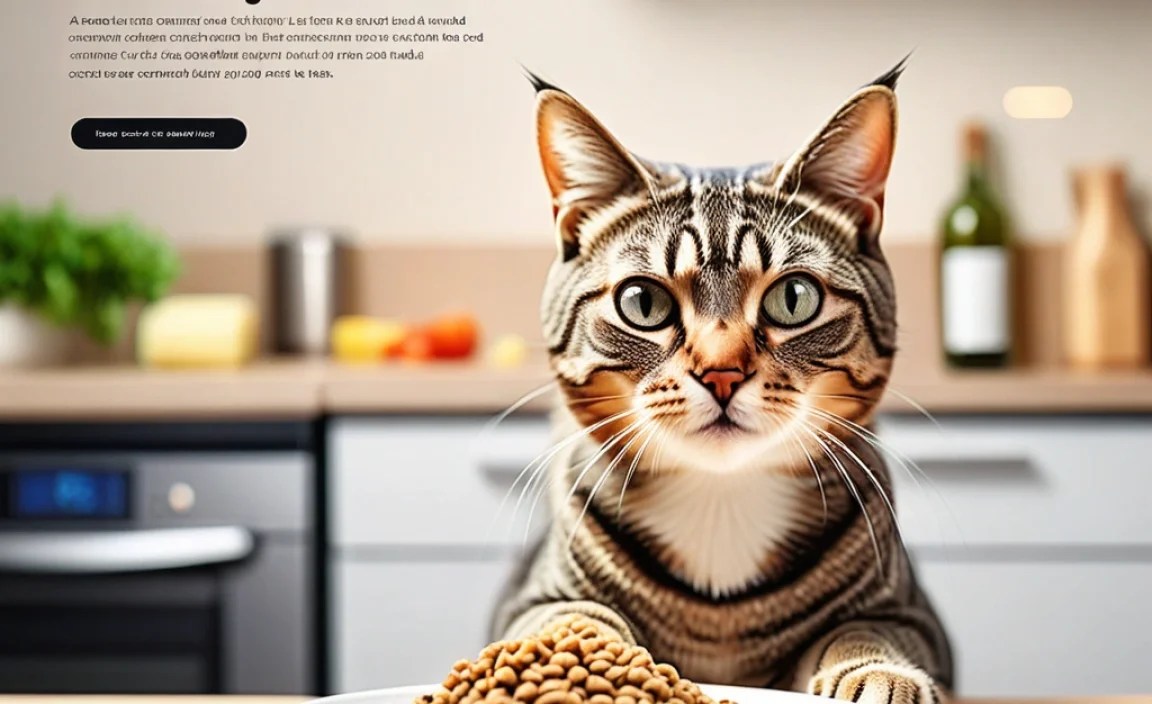
Creating a consistent feeding schedule for your cat is easier than you might think. Start by choosing two or three feeding times each day. Make sure these times are convenient for you. Consistency is key. Stick to these times as closely as possible. Even a few minutes can make a difference. Use an automatic feeder if you have a busy schedule. These feeders dispense food at set times. This ensures your cat is fed even when you are not home. The importance of meal timing for cats can be easily maintained with these tools. Avoid free-feeding. This can lead to overeating and weight gain. Measure out the appropriate portion size for each meal. Consult your veterinarian for advice on the best diet for your cat. They can recommend a food that is appropriate for their age, weight, and activity level. Pay attention to your cat’s behavior. If they are begging for food between meals, they may not be getting enough. Adjust their portion sizes accordingly. A consistent feeding schedule is essential for your cat’s health and well-being.
- Choose convenient and consistent feeding times.
- Use an automatic feeder for busy schedules.
- Avoid free-feeding to prevent overeating.
- Measure out appropriate portion sizes.
- Monitor your cat’s behavior and adjust as needed.
Remember to be patient. It may take some time for your cat to adjust to a new feeding schedule. Be consistent and they will eventually adapt. The importance of meal timing for cats becomes evident as they settle into a routine. Provide plenty of fresh water at all times. Cats need to stay hydrated. This is especially important if they are eating dry food. Create a calm and quiet feeding environment. This will help your cat relax and enjoy their meal. Avoid feeding them in high-traffic areas. Consider using a raised food bowl. This can help prevent neck strain. This is especially helpful for older cats. A consistent feeding schedule is a key component of responsible cat ownership. It helps them stay healthy and happy. Providing a predictable routine makes them feel secure. It also promotes better overall well-being.
Fun Fact or Stat: Cats adjust to new feeding schedules in about one to two weeks with consistent effort!
How Often Should You Feed Your Cat?
The frequency of feeding depends on your cat’s age, weight, and health. Most adult cats do well with two meals a day. Kittens need to be fed more frequently. They have higher energy needs. Consult your veterinarian for advice on the best feeding schedule for your cat. The importance of meal timing for cats is linked to their individual needs. If your cat has a health condition, they may need to be fed more or less frequently. For example, diabetic cats often need to be fed at the same time they receive insulin. This helps regulate their blood sugar levels. Older cats may also need to be fed more frequently. They may have difficulty digesting large meals. Pay attention to your cat’s behavior. If they are begging for food between meals, they may not be getting enough. Adjust their feeding schedule accordingly. A consistent feeding schedule is essential for their health.
What Is the Best Time to Feed Your Cat?
The best time to feed your cat is when it is convenient for you and consistent. Choose times that fit into your daily routine. This will make it easier to stick to the schedule. The importance of meal timing for cats relies on predictability. Many people feed their cats in the morning and evening. This works well for most cats. Avoid feeding your cat right before you go to bed. This can lead to them being active during the night. If you work long hours, consider using an automatic feeder. This will ensure your cat is fed even when you are not home. The key is to be consistent. Stick to the same feeding times each day. This will help your cat feel secure and prevent them from begging for food.
What If You Have a Busy Schedule?
A busy schedule does not have to derail your cat’s feeding routine. Automatic feeders are a great solution. These feeders dispense food at set times. This ensures your cat is fed even when you are not home. The importance of meal timing for cats can be easily maintained with these devices. Program the feeder to dispense food at the same times each day. This will help your cat feel secure. If you are going to be away for more than a day, ask a friend or family member to check on your cat. They can refill the feeder and provide fresh water. You can also hire a pet sitter. They can come to your home and care for your cat while you are away. The key is to plan ahead. Make sure your cat’s needs are met even when you are busy. This will help them stay healthy and happy.
Summary
The importance of meal timing for cats goes beyond just providing food. It plays a crucial role in their physical and emotional well-being. Consistent meal times help regulate their digestion and metabolism. This prevents overeating and obesity. It also provides them with a sense of security. This reduces anxiety and stress. Scheduled feeding is especially important for cats with health conditions. It can help manage diabetes, hyperthyroidism, and kidney disease. Creating a consistent feeding schedule is easier than you think. Choose convenient times. Stick to them as closely as possible. Use an automatic feeder if you have a busy schedule. Monitor your cat’s behavior and adjust their feeding schedule as needed. A structured feeding routine is a key component of responsible cat ownership.
Conclusion
In conclusion, importance of meal timing for cats is essential. It promotes better digestion, weight management, and emotional well-being. A consistent feeding schedule helps manage health conditions. It reduces stress. It creates a sense of security for your feline friend. By following the tips in this article, you can create a feeding routine. This will help your cat live a long and healthy life. Remember, a happy cat is a healthy cat. A structured feeding routine contributes significantly to their overall well-being.
Frequently Asked Questions
Question No 1: Why is meal timing important for cats?
Answer: Meal timing is crucial for cats because it helps regulate their digestive system. Consistent meal times prevent overeating. They also create a sense of security. When cats know when to expect their next meal, they feel less anxious. This can lead to fewer behavioral problems. Also, it makes it easier to monitor their appetite. This is important for detecting potential health issues early on. Scheduled feeding supports overall health and well-being.
Question No 2: How often should I feed my cat?
Answer: Most adult cats do well with two meals a day. Kittens need to be fed more frequently. They have higher energy needs. The importance of meal timing for cats is linked to their individual needs. Consult your veterinarian for advice on the best feeding schedule for your cat. They can recommend a feeding schedule that is appropriate for their age, weight, and health. Pay attention to your cat’s behavior. Adjust their feeding schedule accordingly. Consistency is key.
Question No 3: What if I have a busy schedule and can’t always feed my cat at the same time?
Answer: If you have a busy schedule, consider using an automatic feeder. These feeders dispense food at set times. This ensures your cat is fed even when you are not home. The importance of meal timing for cats can still be maintained with these feeders. Program the feeder to dispense food at the same times each day. If you are going to be away for more than a day, ask a friend or family member to check on your cat. You can also hire a pet sitter.
Question No 4: Can meal timing help with weight management in cats?
Answer: Yes, meal timing plays a vital role in weight management. Scheduled feeding helps prevent overeating. It allows you to control your cat’s portion sizes. When food is always available, cats tend to graze throughout the day. This can lead to weight gain. By feeding your cat at specific times, you can monitor their food intake. The importance of meal timing for cats in weight management is significant. It helps them maintain a healthy weight.
Question No 5: How does meal timing affect cats with diabetes?
Answer: Meal timing is especially important for cats with diabetes. Regular meal times help regulate their blood sugar levels. This prevents dangerous spikes and drops. Consistent feeding also makes it easier to administer insulin. The importance of meal timing for cats with diabetes cannot be overstated. It is a key component of their treatment plan. Work closely with your veterinarian to manage your cat’s diabetes effectively.
Question No 6: What are some signs that my cat is at a healthy weight?
Answer: A cat at a healthy weight should have a visible waistline. You should be able to feel their ribs easily. They should be covered by a thin layer of fat. If you cannot feel their ribs, they are likely overweight. If their ribs are protruding, they are underweight. The importance of meal timing for cats is linked to maintaining this healthy weight. Regular vet checkups are also essential. Your veterinarian can assess your cat’s body condition.


