
Rare Cat Breeds You Didn’t Know Existed? Amazing!

Rare Cat Breeds You Didn’t Know Existed: Quick Summary
Did you know there are cat breeds rarer than others? From the curly-coated LaPerm to the sociable Sokoke, many unique felines aren’t as well-known as Persians or Maine Coons. These breeds often have distinct looks and personalities. Discovering these rare gems can open a whole new world of cat appreciation. We’re about to explore some of these fascinating kitties, so get ready to meet some truly exceptional cats!
Have you ever wondered if there are cat breeds out there that most people have never heard of? It’s easy to think we know all the popular cats, but the feline world is full of surprises! Many unique and wonderful breeds are quite rare, with only a few thousand (or even fewer) registered worldwide. If you’re curious about the hidden treasures of the cat world, you’re in the right place.
In this article, we’ll explore some of the most fascinating and {rare cat breeds you didn’t know existed}. Get ready to meet some truly special cats and learn what makes them so unique. Let’s dive in!
Discovering the World of Rare Cat Breeds

The world of cats is vast and diverse, with breeds ranging from the common to the exceptionally rare. While breeds like the Persian, Maine Coon, and Siamese are well-known, many unique and fascinating breeds remain relatively obscure. These {rare cat breeds you didn’t know existed} often possess distinctive physical traits, temperaments, and histories, making them truly special. Exploring these lesser-known breeds can deepen your appreciation for the rich tapestry of the feline world.
What Makes a Cat Breed Rare?
Several factors contribute to a cat breed’s rarity. These include:
- Small Gene Pool: Limited genetic diversity can make a breed vulnerable to health issues and hinder its ability to thrive.
- Geographic Isolation: Some breeds originated in specific regions and haven’t spread widely due to natural barriers or lack of interest.
- Limited Breeding Programs: A small number of dedicated breeders may be the only ones working to preserve a particular breed.
- Lack of Recognition: Some breeds haven’t gained widespread recognition from cat registries, limiting their popularity and availability.
Unique and {Rare Cat Breeds You Didn’t Know Existed}

Let’s explore some of the most intriguing and {rare cat breeds you didn’t know existed}. These cats are not only beautiful but also possess unique characteristics that set them apart.
1. The Sokoke
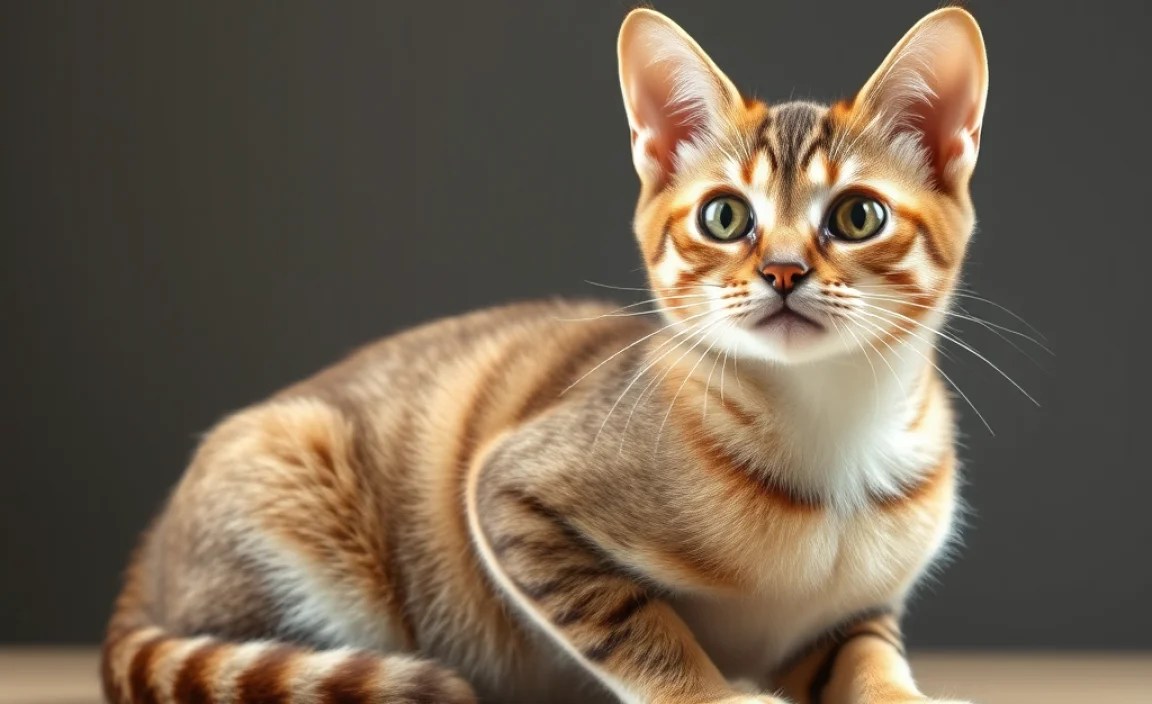
The Sokoke is a rare and fascinating breed that originated in the Sokoke Forest of Kenya. These cats are known for their distinctive marbled tabby coats and their energetic, intelligent personalities.
Key Characteristics of the Sokoke:
- Appearance: The Sokoke has a striking marbled tabby pattern, almond-shaped eyes, and a lean, athletic build.
- Personality: They are highly intelligent, active, and sociable cats. Sokokes form strong bonds with their families and enjoy playing and exploring.
- Origin: The breed developed naturally in the Sokoke Forest of Kenya and was only recently recognized as a distinct breed.
Sokokes are relatively rare, with only a small number of registered cats worldwide. Their unique appearance and engaging personalities make them a prized breed for those lucky enough to own one. According to TICA, the Sokoke is known for its “wild” appearance and affectionate nature.
2. The LaPerm
The LaPerm is known for its curly coat, which gives it a unique and charming appearance. This breed originated in the United States and is known for its affectionate and playful personality.
Key Characteristics of the LaPerm:
- Appearance: The LaPerm has a curly or wavy coat that can range from tight ringlets to loose waves.
- Personality: They are affectionate, playful, and intelligent cats. LaPerms enjoy interacting with their families and are known for being gentle and friendly.
- Health: Generally healthy, but responsible breeders screen for common feline health issues.
LaPerms are considered relatively rare, but their popularity is growing as more people discover their unique appearance and charming personalities. The Cat Fanciers’ Association (CFA) recognizes the LaPerm and provides breed standards for those interested in showing or breeding these curly-coated cats.
3. The Turkish Van
The Turkish Van is a semi-longhaired breed known for its love of water. Originating from the Lake Van region of Turkey, these cats have a distinctive color pattern and a playful personality.
Key Characteristics of the Turkish Van:
- Appearance: Turkish Vans have a distinctive “van” pattern, with color on their head and tail and a white body. They have semi-long fur that is water-resistant.
- Personality: They are active, intelligent, and playful cats with a strong affinity for water. Turkish Vans are known to enjoy swimming and playing in water.
- Origin: The breed originated in the Lake Van region of Turkey, where they developed their unique characteristics.
Turkish Vans are relatively rare outside of their native region, but their unique appearance and playful personalities have made them a popular breed among cat enthusiasts. According to the Governing Council of the Cat Fancy (GCCF), Turkish Vans are known for their love of water and their distinctive color pattern.
4. The Egyptian Mau
The Egyptian Mau is a stunning breed known for its naturally spotted coat. Originating in Egypt, these cats are revered for their beauty and grace.
Key Characteristics of the Egyptian Mau:
- Appearance: Egyptian Maus have a naturally spotted coat, with distinctive markings that vary from cat to cat. They have a sleek, athletic build and striking green eyes.
- Personality: They are intelligent, active, and loyal cats. Egyptian Maus form strong bonds with their families and enjoy playing and exploring.
- History: The breed has ancient origins in Egypt, where they were revered as sacred animals.
Egyptian Maus are relatively rare, with only a small number of registered cats worldwide. Their unique appearance and rich history make them a prized breed for those interested in owning a piece of feline history. The Egyptian Mau is considered a living link to the ancient world. The CFA provides detailed information about the breed’s history and standards.
5. The Korat
The Korat is a beautiful silver-blue cat breed originating from Thailand. Known as a symbol of good luck, these cats are cherished for their affectionate and intelligent nature.
Key Characteristics of the Korat:
- Appearance: Korats have a distinctive silver-blue coat, large green eyes, and a heart-shaped face. Their coat is short and glossy, giving them a sleek appearance.
- Personality: They are intelligent, affectionate, and playful cats. Korats form strong bonds with their families and are known for being gentle and loving.
- Origin: The breed originated in Thailand, where they are considered a symbol of good luck and prosperity.
Korats are relatively rare, but their unique appearance and charming personalities have made them a popular breed among cat enthusiasts. The Korat Cat Association provides resources and information for those interested in learning more about this special breed.
6. The Kurilian Bobtail
The Kurilian Bobtail is a unique breed known for its short, fluffy tail. Originating from the Kuril Islands between Russia and Japan, these cats are hardy and adaptable.
Key Characteristics of the Kurilian Bobtail:
- Appearance: Kurilian Bobtails have a short, fluffy tail that can be straight, curved, or kinked. They have a sturdy build and come in a variety of colors and patterns.
- Personality: They are intelligent, active, and sociable cats. Kurilian Bobtails enjoy playing and exploring and are known for being good hunters.
- Origin: The breed originated on the Kuril Islands, where they developed their unique tail and hardy nature.
Kurilian Bobtails are relatively rare outside of their native region, but their unique appearance and adaptable personalities have made them a popular breed among cat enthusiasts. According to TICA, the Kurilian Bobtail is known for its “dog-like” personality and its devotion to its family.
7. The Minskin
The Minskin is a relatively new breed known for its short legs and sparse coat. Developed in Boston, Massachusetts, these cats are affectionate and playful.
Key Characteristics of the Minskin:
- Appearance: Minskins have short legs, a sparse coat, and large eyes. They have a unique appearance that combines the characteristics of the Munchkin and Sphynx breeds.
- Personality: They are affectionate, playful, and sociable cats. Minskins enjoy interacting with their families and are known for being gentle and friendly.
- Origin: The breed was developed in Boston, Massachusetts, by crossing Munchkin and Sphynx cats.
Minskins are considered very rare, as they are a relatively new breed with a small number of breeders. Their unique appearance and charming personalities have made them a sought-after breed among cat enthusiasts. The International Cat Association (TICA) recognizes the Minskin as a breed in development.
Caring for {Rare Cat Breeds You Didn’t Know Existed}

Caring for {rare cat breeds you didn’t know existed} is similar to caring for more common breeds, but there are a few specific considerations to keep in mind.
General Care Tips
- Regular Veterinary Checkups: Schedule regular checkups with a veterinarian to ensure your cat stays healthy and to catch any potential health issues early.
- Balanced Diet: Provide a high-quality cat food that meets your cat’s nutritional needs. Consult with your veterinarian to determine the best diet for your cat.
- Grooming: Groom your cat regularly to keep their coat healthy and free of mats. The grooming needs will vary depending on the breed’s coat type.
- Exercise and Play: Provide plenty of opportunities for exercise and play to keep your cat physically and mentally stimulated.
- Love and Attention: Give your cat plenty of love and attention to help them feel secure and happy.
Specific Considerations for Rare Breeds
Some {rare cat breeds you didn’t know existed} may have specific health or care requirements. It’s essential to research the breed you’re interested in and consult with breeders and veterinarians to learn about any unique needs.
| Breed | Specific Care Considerations |
|---|---|
| Sokoke | Requires plenty of mental stimulation and exercise due to their high energy levels. |
| LaPerm | Their curly coat requires regular grooming to prevent mats and tangles. |
| Turkish Van | Provide access to water for swimming and playing, as they enjoy being in the water. |
| Egyptian Mau | Needs a secure outdoor enclosure to prevent them from roaming, as they are active hunters. |
| Korat | Prefers a calm and quiet environment, as they can be sensitive to loud noises. |
| Kurilian Bobtail | Benefits from interactive play to satisfy their hunting instincts. |
| Minskin | Their sparse coat makes them sensitive to cold temperatures, so provide warm bedding and sweaters in colder months. |
Finding a Reputable Breeder
If you’re interested in acquiring one of these {rare cat breeds you didn’t know existed}, it’s essential to find a reputable breeder who prioritizes the health and well-being of their cats. Here are some tips for finding a good breeder:
- Research: Look for breeders who are knowledgeable about the breed and who are actively involved in breed organizations.
- Visit: Visit the breeder’s facility to see how the cats are housed and cared for. A good breeder will welcome visitors and be transparent about their breeding practices.
- Ask Questions: Ask the breeder questions about the breed’s health, temperament, and care requirements. A good breeder will be happy to answer your questions and provide guidance.
- Health Testing: Ensure the breeder conducts health testing on their cats to screen for common genetic conditions.
- References: Ask for references from previous buyers and check online reviews to see what others have to say about the breeder.
Working with a reputable breeder will increase your chances of acquiring a healthy and well-adjusted cat.
The Appeal of Owning a Rare Breed

Owning one of these {rare cat breeds you didn’t know existed} can be a unique and rewarding experience. Here are some of the reasons why people are drawn to rare breeds:
- Uniqueness: Rare breeds offer a unique and distinctive appearance that sets them apart from more common breeds.
- Conservation: By supporting breeders who are working to preserve rare breeds, you can play a role in conserving these unique animals.
- Conversation Starters: Owning a rare breed can be a great conversation starter and a way to share your passion for cats with others.
- Special Bond: Many rare breeds are known for their affectionate and loyal personalities, creating a special bond with their owners.
While owning a rare breed can be rewarding, it’s important to be prepared for the challenges that may come with it, such as higher costs and limited availability.
FAQ About {Rare Cat Breeds You Didn’t Know Existed}
Here are some frequently asked questions about {rare cat breeds you didn’t know existed}:
What is the rarest cat breed in the world?
Some of the rarest cat breeds include the Sokoke, Egyptian Mau, and Turkish Van, among others. The exact “rarest” breed can vary depending on registration numbers and regional availability.
Are rare cat breeds more expensive?
Yes, rare cat breeds are generally more expensive than common breeds due to their limited availability and the specialized breeding programs required to maintain them.
Do rare cat breeds have more health problems?
Some rare breeds may be more prone to certain genetic health issues due to their small gene pool. However, responsible breeders conduct health testing to minimize these risks.
Are rare cat breeds good for families with children?
Many rare cat breeds can make excellent family pets, but it’s essential to research the specific breed’s temperament and needs to ensure they are a good fit for your family.
Where can I find a rare cat breed?
You can find rare cat breeds through reputable breeders who specialize in these breeds. Be sure to do your research and choose a breeder who prioritizes the health and well-being of their cats.
What should I look for in a breeder of rare cat breeds?
Look for breeders who are knowledgeable about the breed, conduct health testing, and are transparent about their breeding practices. Visit their facility and ask questions to ensure they are a good fit.
Are rare cat breeds recognized by cat registries?
Some rare cat breeds are recognized by major cat registries like TICA and CFA, while others may be in the process of gaining recognition. Check with the specific registry to see if the breed is recognized.
Conclusion
Exploring the world of {rare cat breeds you didn’t know existed} is a fascinating journey that reveals the incredible diversity of the feline world. From the curly-coated LaPerm to the water-loving Turkish Van, these unique breeds offer a glimpse into the lesser-known corners of catdom. Whether you’re considering adding a rare breed to your family or simply curious about these special cats, we hope this article has provided valuable insights and sparked your appreciation for these exceptional felines.
Remember, responsible ownership and ethical breeding practices are essential for the preservation of these rare breeds. By supporting reputable breeders and providing loving homes, we can help ensure that these unique cats continue to thrive for generations to come.


