
British Shorthair Cat Food Portion Control: Easy Guide

Quick Summary: Proper portion control is vital for your British Shorthair’s health. As a general guideline, feed your adult British Shorthair between 1/2 to 3/4 cup of dry food daily, split into two meals. Adjust this based on their age, activity level, and the specific food’s calorie density. Always monitor their weight and consult your vet for personalized advice.
Is your British Shorthair a bit… round? These lovely cats are prone to weight gain, and it’s often because we accidentally overfeed them. Figuring out the right amount of food can feel like a puzzle. How much is too much? How do you keep them healthy and happy without those pleading eyes getting the best of you?
Don’t worry! This guide breaks down British Shorthair cat food portion control into simple, manageable steps. We’ll cover everything from understanding food labels to adjusting portions as your cat grows. Let’s ensure your British Shorthair stays fit, healthy, and full of purrs!
Why Portion Control Matters for British Shorthairs

British Shorthairs are predisposed to weight gain due to their relaxed nature and love of food. According to the RSPCA, obesity in cats can lead to serious health problems. Portion control helps prevent:
- Diabetes: Excess weight can lead to insulin resistance.
- Arthritis: Extra weight puts stress on joints.
- Heart Problems: Obesity increases the risk of heart disease.
- Reduced Lifespan: Overweight cats tend to live shorter lives.
Controlling your British Shorthair’s food intake is one of the best ways to ensure a long, happy, and healthy life for your feline friend.
Understanding Cat Food Labels

The first step in portion control is understanding what you’re feeding your cat. Cat food labels contain crucial information:
- Ingredients: Look for high-quality protein sources (like chicken, fish, or beef) as the primary ingredients.
- Guaranteed Analysis: This section shows the percentages of protein, fat, fiber, and moisture.
- Calorie Count: This is the most important number for portion control. It’s usually listed as “kcal/kg” or “kcal/cup.”
- Feeding Guidelines: These are general recommendations based on your cat’s weight, but they are just a starting point.
Frances’s Tip: Don’t blindly follow the feeding guidelines on the bag. They are often too generous. Use the calorie count and your cat’s individual needs to determine the correct portion size.
Calculating Your British Shorthair’s Daily Calorie Needs

To determine the right amount of food, you need to calculate your cat’s daily calorie needs. This depends on several factors:
- Weight: Heavier cats need more calories.
- Age: Kittens need more calories for growth, while senior cats may need fewer.
- Activity Level: Active cats burn more calories than sedentary ones.
- Health Conditions: Certain health issues may affect calorie needs.
Here’s a simplified table to estimate your British Shorthair’s daily calorie needs:
| Life Stage | Activity Level | Estimated Daily Calorie Needs |
|---|---|---|
| Kitten (4-12 months) | High | 50-60 calories per kg of body weight |
| Adult (1-7 years) | Moderate | 30-40 calories per kg of body weight |
| Senior (7+ years) | Low | 25-35 calories per kg of body weight |
| Overweight Cat | Low | 20-30 calories per kg of body weight (to promote weight loss) |
Example: A 5 kg adult British Shorthair with moderate activity needs approximately 150-200 calories per day (30-40 calories x 5 kg).
Frances’s Note: These are estimates. Always consult your veterinarian for personalized recommendations.
Step-by-Step Guide to British Shorthair Cat Food Portion Control
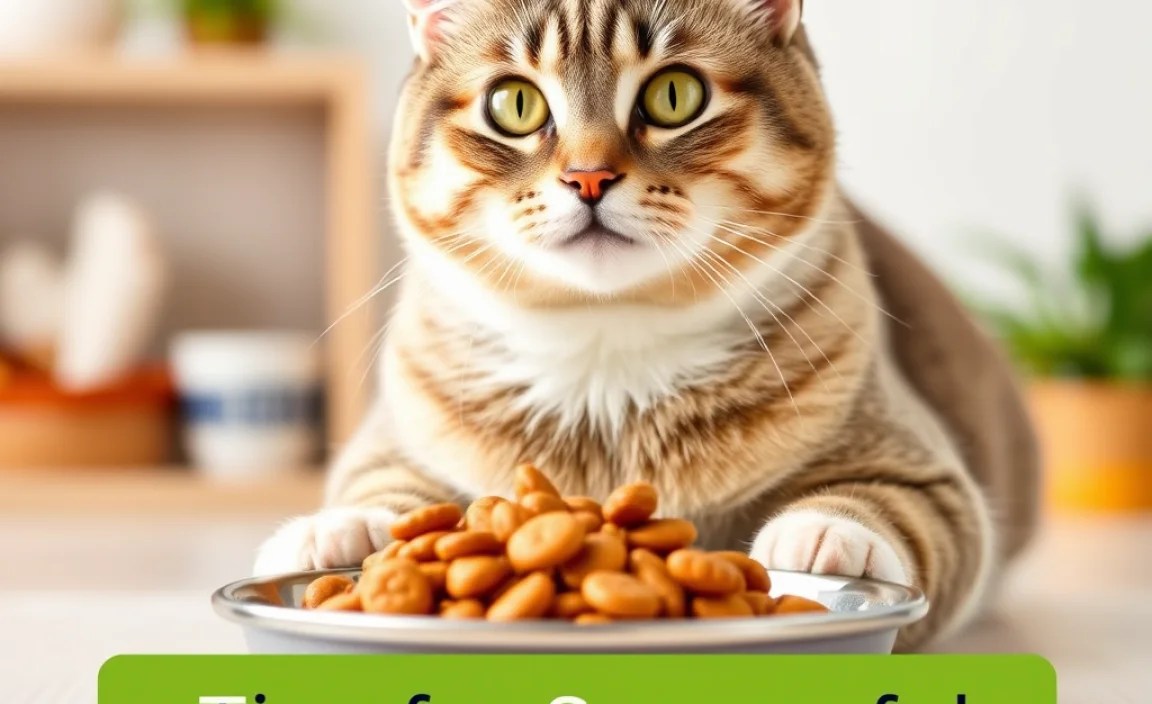
Now that you understand the basics, let’s dive into the practical steps of portion control:
Step 1: Choose the Right Food
Select a high-quality cat food appropriate for your British Shorthair’s life stage (kitten, adult, or senior). Look for food with a named protein source (chicken, salmon, etc.) as the first ingredient. Avoid foods with excessive fillers like corn, wheat, and soy.
Frances’s Recommendation: Consider a food specifically formulated for indoor cats, as these often have fewer calories and added fiber to help with weight management.
Step 2: Determine the Calorie Content of the Food
Find the calorie information on the food label. It will usually be listed as kcal/kg or kcal/cup. If it’s listed as kcal/kg, you’ll need to convert it to kcal/cup using the following conversion:
1 kg = approximately 4 cups
So, if the food has 4000 kcal/kg, it has approximately 1000 kcal/cup.
Step 3: Calculate the Daily Food Portion
Using the daily calorie needs you calculated earlier and the calorie content of the food, determine how much food to give your cat each day.
Example: Your cat needs 200 calories per day, and the food has 400 calories per cup. You would need to feed your cat 1/2 cup of food per day (200 calories / 400 calories per cup = 0.5 cups).
Step 4: Divide the Daily Portion into Meals
Divide the daily food portion into two or more meals. Feeding your cat twice a day is a good starting point. This helps keep them feeling full and prevents them from begging for food constantly.
Frances’s Insight: Consider using an automatic feeder to dispense meals at consistent times, even when you’re not home. This can help regulate your cat’s appetite and prevent overeating.
Step 5: Measure the Food Accurately
Use a kitchen scale or a measuring cup specifically designed for pet food to measure the food accurately. Eyeballing it can lead to overfeeding.
Frances’s Tip: Keep the measuring cup in the food bag to ensure you always use the same one.
Step 6: Monitor Your Cat’s Weight and Body Condition
Regularly weigh your British Shorthair and assess their body condition. You should be able to feel their ribs easily without pressing too hard. If you can’t feel their ribs, they are likely overweight.
The International Cat Association (TICA) provides helpful charts and information on ideal cat body condition. You can find this information on their website or by searching for “cat body condition score chart.”
Step 7: Adjust the Portion Size as Needed
If your cat is gaining weight, reduce the portion size slightly. If they are losing weight or seem hungry all the time, increase the portion size slightly. Make changes gradually and monitor their weight and body condition closely.
Important: Always consult your veterinarian before making significant changes to your cat’s diet.
Tips for Successful Portion Control
Here are some additional tips to help you successfully control your British Shorthair’s food portions:
- Avoid Free-Feeding: Don’t leave food out all day. This makes it impossible to control how much your cat eats.
- Limit Treats: Treats should only make up a small percentage of your cat’s daily calorie intake. Choose healthy treats and offer them in moderation.
- Provide Plenty of Water: Ensure your cat always has access to fresh, clean water. Sometimes, cats mistake thirst for hunger.
- Engage in Playtime: Regular exercise helps your cat burn calories and stay healthy. British Shorthairs may not be as active as some breeds, but they still need playtime.
- Use Puzzle Feeders: Puzzle feeders dispense food slowly, making your cat work for their meal. This can help prevent overeating and provide mental stimulation.
- Be Consistent: Stick to a regular feeding schedule and portion sizes. Consistency is key to successful portion control.
Dealing with Begging Behavior
British Shorthairs are known for their charming (and sometimes persistent) begging behavior. Here’s how to handle it:
- Ignore the Begging: Don’t give in to their demands, even if it’s hard. Giving in only reinforces the behavior.
- Provide Attention at Other Times: Spend time playing with and cuddling your cat when they’re not begging for food.
- Use Distraction Techniques: If your cat starts begging, try distracting them with a toy or a scratching post.
- Ensure They’re Truly Fed: Make sure you’re feeding them the correct amount of food based on their calorie needs. Sometimes, begging is a sign that they’re genuinely hungry.
Frances’s Experience: My British Shorthair, Winston, used to be a master beggar. Ignoring his pleas and sticking to his feeding schedule eventually worked. Now, he only begs occasionally, and I can usually distract him with a feather toy!
Transitioning to Portion Control
If you’re currently free-feeding your British Shorthair, you’ll need to transition them to portion control gradually. Here’s how:
- Start by Measuring: Begin measuring the amount of food you’re putting out each day, even if you’re still leaving it out all day. This will give you an idea of how much your cat is currently eating.
- Introduce Scheduled Meals: Gradually transition to feeding your cat at specific times of the day. Start by offering the measured amount of food for a set period (e.g., 30 minutes) and then removing it.
- Adjust as Needed: Monitor your cat’s weight and body condition and adjust the portion size as needed.
Special Considerations
Here are some special considerations for portion control in British Shorthairs:
Kittens
British Shorthair kittens need more calories than adult cats to support their growth. Feed them a high-quality kitten food and follow the feeding guidelines on the label, but adjust as needed based on their weight and body condition. Kittens typically need to eat more frequently, so offer smaller meals throughout the day.
Senior Cats
Senior British Shorthairs may need fewer calories due to their decreased activity level. They may also have dental problems or other health issues that affect their appetite. Choose a senior cat food that is easy to digest and palatable. Monitor their weight and body condition closely and adjust the portion size as needed.
Cats with Health Conditions
If your British Shorthair has any health conditions, such as diabetes or kidney disease, it’s essential to work with your veterinarian to develop a feeding plan that meets their specific needs. Certain health conditions may require special diets or feeding schedules.
British Shorthair Cat Food Portion Control: Troubleshooting
Even with the best intentions, you may encounter challenges with portion control. Here are some common issues and how to address them:
| Problem | Possible Solution |
|---|---|
| Cat is constantly begging for food. | Ensure you’re feeding the correct amount based on calorie needs. Increase playtime and provide attention at other times. Use a puzzle feeder. |
| Cat is losing weight. | Increase the portion size slightly. Rule out any underlying health conditions with your veterinarian. |
| Cat is gaining weight. | Reduce the portion size slightly. Increase playtime and exercise. Choose a lower-calorie food. |
| Cat is not eating. | Rule out any underlying health conditions with your veterinarian. Try a different food or flavor. Warm the food slightly to enhance its aroma. |
| Multiple cats in the household. | Feed each cat separately in different locations. Use microchip feeders to prevent food stealing. |
British Shorthair Cat Food Portion Control: FAQs
Here are some frequently asked questions about British Shorthair cat food portion control:
How often should I feed my British Shorthair?
Most adult British Shorthairs do well with two meals a day – morning and evening. Kittens may need three to four smaller meals to support their growth.
Can I feed my British Shorthair wet food?
Yes, wet food can be a healthy part of your British Shorthair’s diet. It’s often lower in calories and higher in moisture than dry food. Adjust the portion size accordingly to meet their daily calorie needs.
What are the best treats for British Shorthairs?
Choose healthy treats that are low in calories and made with high-quality ingredients. Freeze-dried meat treats or small pieces of cooked chicken or fish are good options. Give treats in moderation.
How can I tell if my British Shorthair is overweight?
You should be able to easily feel their ribs without pressing too hard. If you can’t feel their ribs, they are likely overweight. Also, look for a lack of a defined waistline and a rounded belly.
Is it okay to give my British Shorthair table scraps?
It’s best to avoid giving your British Shorthair table scraps, as they can be high in calories and unhealthy ingredients. Some human foods are also toxic to cats.
Should I change my British Shorthair’s food as they get older?
Yes, as your British Shorthair ages, their nutritional needs will change. Switch to a senior cat food that is formulated to meet their specific needs. Consult with your veterinarian for recommendations.
What if my British Shorthair has a sensitive stomach?
If your British Shorthair has a sensitive stomach, choose a food that is easy to digest and free of common allergens like corn, wheat, and soy. Look for foods with limited ingredients and novel protein sources. Consult with your veterinarian for specific recommendations.
Conclusion
Mastering British Shorthair cat food portion control is a crucial step in ensuring your feline friend lives a long, healthy, and happy life. By understanding food labels, calculating calorie needs, and following a consistent feeding schedule, you can help prevent obesity and related health problems. Remember to monitor your cat’s weight and body condition regularly and adjust the portion size as needed. And, as always, consult with your veterinarian for personalized advice. With a little effort and attention, you can keep your British Shorthair trim, fit, and full of purrs!


