
Toy Dog Breeds for Small Spaces: The Ultimate Guide

Looking for a small dog that fits perfectly into your cozy apartment? Toy breeds are often ideal for small spaces because they don’t need as much room to roam. This guide will help you find the perfect tiny pup for your lifestyle, covering everything from breed characteristics to exercise needs.
Finding the right dog for a small living space can feel overwhelming. You want a companion who will thrive in your home without needing a huge yard or endless walks. Toy dog breeds are popular for apartments and smaller houses because of their size and often lower exercise requirements. But with so many adorable options, how do you choose?
This article will explore the best toy dog breeds for small spaces, discussing their temperaments, exercise needs, and grooming requirements. We’ll also cover essential tips for keeping your tiny dog happy and healthy in a smaller environment. By the end, you’ll have a clear idea of which breed is the perfect fit for you and your home. Let’s get started!
Top Toy Dog Breeds for Small Spaces

When choosing a toy breed for a small space, consider their energy level, barking tendencies, and overall temperament. Here are some of the best options:
1. Cavalier King Charles Spaniel
The Cavalier King Charles Spaniel is known for its gentle and affectionate nature. They are adaptable to different living situations, making them excellent apartment dogs. According to the American Kennel Club (AKC), they thrive on companionship and are relatively easy to train.
- Size: 12-13 inches tall, 13-18 pounds
- Temperament: Affectionate, gentle, good with children and other pets
- Exercise Needs: Moderate; daily walks and playtime are sufficient
- Grooming: Regular brushing to prevent mats
2. Maltese
Maltese dogs are small, white, and known for their playful and affectionate personalities. They don’t require a lot of space and are happy to spend time indoors. The AKC notes that Maltese dogs are intelligent and can be trained to do tricks, which can be a fun way to keep them mentally stimulated in a small space.
- Size: 8-10 inches tall, 4-7 pounds
- Temperament: Playful, affectionate, good with families
- Exercise Needs: Low; short walks and indoor playtime
- Grooming: Daily brushing and regular grooming appointments
3. Chihuahua
Chihuahuas are one of the smallest dog breeds, making them ideal for apartment living. They are known for their big personalities and loyalty to their owners. While they can be a bit wary of strangers, early socialization can help. The AKC highlights that Chihuahuas come in two coat varieties: long and short.
- Size: 5-8 inches tall, up to 6 pounds
- Temperament: Loyal, alert, can be wary of strangers
- Exercise Needs: Low; short walks and indoor playtime
- Grooming: Minimal for short-haired, regular for long-haired
4. Pomeranian
Pomeranians are small, fluffy dogs with a lot of energy. They are intelligent and can be trained easily. They enjoy being the center of attention and are relatively low-maintenance when it comes to exercise. The AKC mentions that Pomeranians have a thick double coat that requires regular grooming.
- Size: 6-7 inches tall, 3-7 pounds
- Temperament: Intelligent, energetic, playful
- Exercise Needs: Moderate; short walks and playtime
- Grooming: Regular brushing to prevent matting
5. Yorkshire Terrier
Yorkshire Terriers, or Yorkies, are small but confident dogs. They are adaptable to apartment living and don’t need a lot of space. They are also intelligent and enjoy learning new tricks. According to the AKC, Yorkies have a silky coat that requires regular grooming.
- Size: 8-9 inches tall, up to 7 pounds
- Temperament: Affectionate, energetic, good with families
- Exercise Needs: Low; short walks and indoor playtime
- Grooming: Regular brushing and professional grooming
6. Toy Poodle
Toy Poodles are intelligent and hypoallergenic, making them a great choice for people with allergies. They are easy to train and enjoy learning new things. Their small size makes them well-suited for apartment living. The AKC notes that Toy Poodles need regular grooming to maintain their coat.
- Size: Up to 10 inches tall, 4-6 pounds
- Temperament: Intelligent, playful, easy to train
- Exercise Needs: Moderate; daily walks and playtime
- Grooming: Regular professional grooming
7. Shih Tzu
Shih Tzus are affectionate and outgoing dogs that thrive on human companionship. They are relatively low-energy and adapt well to apartment living. The AKC states that Shih Tzus need regular grooming to keep their long coat healthy and free of mats.
- Size: 9-10.5 inches tall, 9-16 pounds
- Temperament: Affectionate, outgoing, good with children
- Exercise Needs: Low; short walks and indoor playtime
- Grooming: Daily brushing and regular grooming appointments
Comparing Toy Dog Breeds

To help you make a decision, here’s a comparison table of the toy dog breeds mentioned above:
| Breed | Size (Height) | Weight | Temperament | Exercise Needs | Grooming Needs |
|---|---|---|---|---|---|
| Cavalier King Charles Spaniel | 12-13 inches | 13-18 pounds | Affectionate, Gentle | Moderate | Regular Brushing |
| Maltese | 8-10 inches | 4-7 pounds | Playful, Affectionate | Low | Daily Brushing, Professional Grooming |
| Chihuahua | 5-8 inches | Up to 6 pounds | Loyal, Alert | Low | Minimal (Short-haired), Regular (Long-haired) |
| Pomeranian | 6-7 inches | 3-7 pounds | Intelligent, Energetic | Moderate | Regular Brushing |
| Yorkshire Terrier | 8-9 inches | Up to 7 pounds | Affectionate, Energetic | Low | Regular Brushing, Professional Grooming |
| Toy Poodle | Up to 10 inches | 4-6 pounds | Intelligent, Playful | Moderate | Regular Professional Grooming |
| Shih Tzu | 9-10.5 inches | 9-16 pounds | Affectionate, Outgoing | Low | Daily Brushing, Professional Grooming |
Essential Tips for Keeping Toy Dogs Happy in Small Spaces

Even the smallest dogs need proper care to thrive in an apartment or small house. Here are some tips to ensure your toy breed lives a happy and healthy life:
1. Provide Mental Stimulation
Just because they’re small doesn’t mean they don’t need mental challenges. Puzzle toys, training sessions, and interactive games can keep your dog entertained and prevent boredom. According to the RSPCA, boredom can lead to destructive behaviors, so keeping your dog mentally stimulated is crucial.
2. Regular Exercise
While toy breeds don’t need as much exercise as larger dogs, they still need daily activity to stay healthy. Short walks, indoor playtime, and even playing fetch in a hallway can be enough. Monitor your dog for signs of fatigue and adjust the intensity accordingly.
3. Consistent Training
Training is essential for all dogs, regardless of size. Consistent training helps establish boundaries and ensures your dog is well-behaved in your small space. Use positive reinforcement techniques and keep training sessions short and fun.
4. Create a Designated Space
Even in a small apartment, your dog needs a space to call their own. This could be a cozy bed, a crate, or a corner of a room. Make sure their space is comfortable and safe, and that they can retreat there when they need some quiet time.
5. Socialization
Early socialization is vital to ensure your dog is comfortable around new people and other animals. Expose them to different sights, sounds, and experiences from a young age. This can help prevent fear and aggression later in life.
6. Potty Training
Potty training can be challenging in an apartment, especially for small breeds with small bladders. Establish a consistent potty schedule and take your dog outside frequently, especially after waking up and after meals. Consider using potty pads as a backup.
7. Regular Vet Check-ups
Regular vet check-ups are essential for maintaining your dog’s health. Your vet can detect potential health problems early and recommend appropriate treatment. Be sure to keep up with vaccinations and parasite prevention.
Addressing Common Challenges
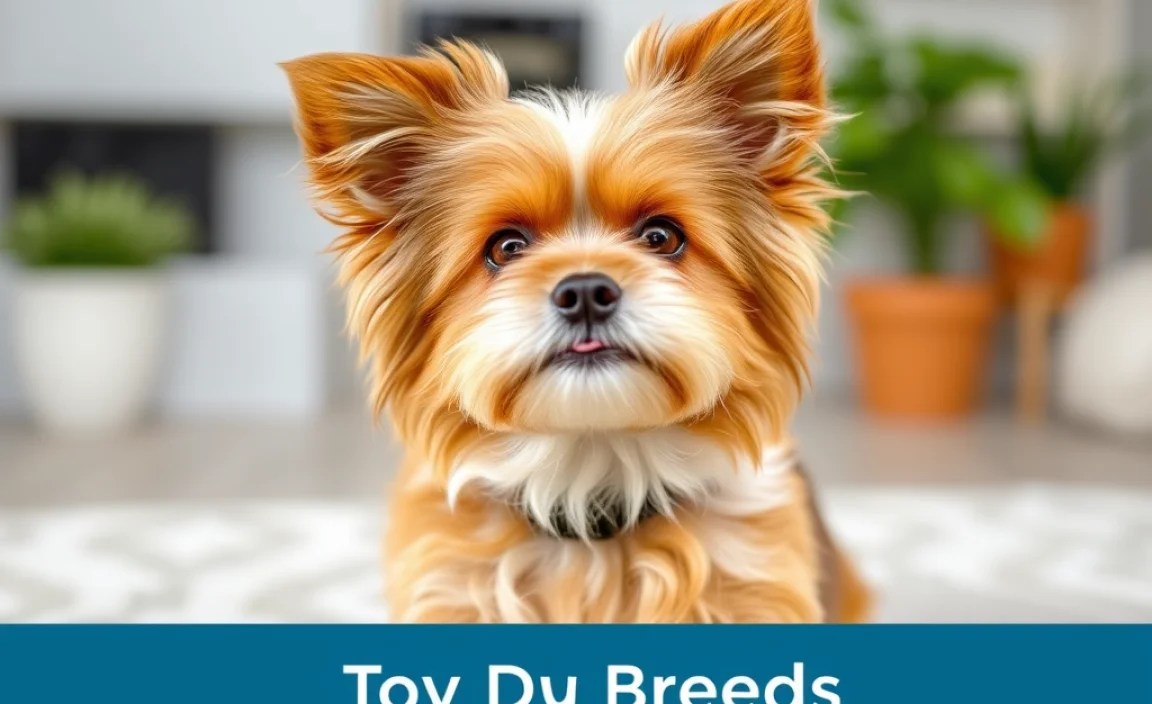
Living with a toy dog in a small space can come with its challenges. Here’s how to address some common issues:
Barking
Small dogs can sometimes be prone to barking, which can be a problem in apartments. Train your dog to be quiet on command and address the underlying cause of the barking. This might be boredom, anxiety, or territorial behavior. Consult a professional trainer if needed.
Separation Anxiety
Toy breeds often form strong bonds with their owners and can suffer from separation anxiety when left alone. Gradually acclimate your dog to being alone by starting with short absences and gradually increasing the duration. Provide them with a safe and comfortable space and plenty of toys to keep them occupied.
Small Dog Syndrome
Small Dog Syndrome refers to behavioral issues that can arise when small dogs are not properly trained and socialized. This can include aggression, excessive barking, and possessiveness. Avoid coddling your dog and treat them like any other dog, with consistent training and clear boundaries.
Creating a Dog-Friendly Environment

Making your small space dog-friendly involves a few key adjustments:
- Dog-Proofing: Keep small objects, cleaning supplies, and medications out of reach.
- Safe Plants: Ensure any houseplants are non-toxic to dogs. The ASPCA has a comprehensive list of toxic and non-toxic plants.
- Comfortable Bedding: Provide a comfortable and supportive bed for your dog to rest.
- Accessible Water: Ensure your dog always has access to fresh water.
- Proper Ventilation: Make sure your apartment is well-ventilated to prevent odors and maintain a comfortable temperature.
The Benefits of Toy Dog Breeds in Small Spaces
Choosing a toy dog breed for a small space comes with numerous benefits:
- Less Space Required: Toy breeds need less room to roam and are happy in smaller environments.
- Lower Exercise Needs: They don’t require as much exercise as larger breeds, making them suitable for busy owners.
- Affectionate Companions: Toy breeds are often very affectionate and enjoy spending time with their owners.
- Easier to Manage: Their small size makes them easier to handle and transport.
- Lower Food Costs: They eat less food than larger dogs, which can save you money.
Frequently Asked Questions (FAQ)
1. Are toy dog breeds good for apartments?
Yes, toy dog breeds are generally well-suited for apartment living due to their small size and lower exercise needs. They don’t require a lot of space to roam and can be happy with indoor playtime and short walks.
2. How much exercise do toy dog breeds need?
Toy dog breeds typically need around 20-30 minutes of exercise per day. This can include short walks, indoor playtime, and interactive games. The key is to keep them active and mentally stimulated.
3. Are toy dog breeds easy to train?
Training can vary depending on the breed. Some toy breeds, like Toy Poodles and Pomeranians, are highly intelligent and easy to train. Others, like Chihuahuas, may require more patience and consistent training.
4. Do toy dog breeds bark a lot?
Some toy breeds are known for barking more than others. Breeds like Chihuahuas and Pomeranians can be vocal, but with proper training and socialization, you can minimize excessive barking.
5. What are the grooming requirements for toy dog breeds?
Grooming requirements vary. Some breeds, like Maltese and Shih Tzus, need daily brushing and regular professional grooming. Others, like short-haired Chihuahuas, require minimal grooming.
6. Are toy dog breeds good with children?
Some toy breeds are good with children, while others may be better suited for adult-only homes. Breeds like Cavalier King Charles Spaniels and Shih Tzus are generally good with children, but it’s important to supervise interactions and teach children how to handle small dogs gently.
7. What is “Small Dog Syndrome,” and how can I prevent it?
“Small Dog Syndrome” refers to behavioral issues that can arise when small dogs are not properly trained and socialized. To prevent it, avoid coddling your dog, provide consistent training, set clear boundaries, and socialize them from a young age.
Conclusion
Choosing the right toy dog breed for your small space can bring immense joy and companionship. By considering factors like temperament, exercise needs, and grooming requirements, you can find a perfect match for your lifestyle. Remember to provide your furry friend with plenty of mental stimulation, consistent training, and a safe, comfortable environment. With the right care and attention, your toy dog will thrive in your small space, bringing you years of love and happiness.


