
Dog Breeds That Rarely Drool: Find Your Perfect Pup!

Quick Summary: Many popular dog breeds are known for their drool, but if you prefer a cleaner pup, several breeds drool very little. These include smaller breeds like the Poodle, Maltese, and Papillon, as well as larger breeds such as the Greyhound, German Pinscher, and Shiba Inu. Their tighter lips and facial structure naturally produce less saliva, making them ideal for owners who want to avoid the mess of constant drooling.
Do you love dogs but dread the slobber? Many dog owners find themselves constantly wiping up drool, but it doesn’t have to be that way! Some breeds are simply less prone to drooling than others. If you’re looking for a canine companion that won’t leave puddles everywhere, you’re in the right place. This guide will walk you through several dog breeds that are known for keeping their drool to a minimum. Get ready to discover your new, cleaner best friend!
Dog Breeds That Rarely Drool: Finding Your Clean Companion

Drooling in dogs is a normal bodily function, typically related to saliva production during eating or anticipation of food. However, some breeds are just naturally less inclined to produce excessive amounts of saliva. Factors such as lip structure, jaw shape, and overall facial anatomy play a significant role. Breeds with tighter lips and a more compact facial structure tend to drool less than those with loose jowls and pronounced lips.
Small Dog Breeds That Keep the Drool to a Minimum
Small dogs can make fantastic companions, especially if you’re looking for a breed that’s easy to manage and doesn’t drool much. Here are some top choices:
- Poodle (Toy, Miniature, and Standard): Poodles are intelligent, hypoallergenic, and come in three sizes. Their tight lips mean minimal drool.
- Maltese: These small, white dogs are known for their gentle and affectionate nature. They also drool very little.
- Papillon: With their distinctive butterfly-like ears, Papillons are energetic and smart, and they rarely drool.
- Shih Tzu: Despite their long coat, Shih Tzus are relatively low-droolers. They are affectionate and make great family pets.
- Bichon Frise: These fluffy white dogs are cheerful and adaptable. Their tight lips contribute to their low-drooling tendency.
Medium-Sized Breeds That Are Light on the Drool
If you’re looking for a dog that’s not too big and not too small, these medium-sized breeds offer a good balance and won’t leave you constantly wiping up slobber:
- Basenji: Known as the “barkless dog,” the Basenji is an independent and intelligent breed that drools very little.
- Schipperke: These small but sturdy dogs are curious and energetic. Their compact size and tight lips mean minimal drool.
- Cairn Terrier: Made famous by Toto in “The Wizard of Oz,” Cairn Terriers are hardy and cheerful, and they don’t drool much.
- Whippet: A smaller version of the Greyhound, Whippets are gentle and quiet indoors but love to run. They are also low-droolers.
Larger Dog Breeds That Aren’t Big Droolers
Love big dogs but hate the mess? These larger breeds are known for their minimal drooling:
- Greyhound: These sleek and gentle giants are surprisingly low-maintenance and don’t drool much.
- German Pinscher: Similar to a Doberman but smaller, German Pinschers are energetic and intelligent, and they drool very little.
- Shiba Inu: These independent and alert dogs from Japan are known for their cleanliness and minimal drooling.
- Doberman Pinscher: Dobermans are intelligent, loyal, and protective. They also tend to drool less than many other large breeds.
- Australian Cattle Dog: These energetic and intelligent dogs are bred for herding, and they don’t drool much, making them great active companions.
Factors That Influence Drooling

While breed plays a significant role in how much a dog drools, other factors can also contribute. Understanding these factors can help you manage and minimize drooling, even in breeds that are more prone to it.
Anatomy and Breed Characteristics
The shape of a dog’s lips and mouth is a primary factor in drooling. Breeds with loose, floppy lips, such as Saint Bernards and Bulldogs, tend to drool more because their lips don’t effectively contain saliva. Conversely, breeds with tighter lips, like the breeds listed above, are better at keeping saliva inside their mouths.
Diet and Hydration
A dog’s diet can also affect saliva production. Dry food generally requires more saliva to break down, while wet food may reduce the need for as much saliva. Ensuring your dog has access to fresh water is crucial, as dehydration can sometimes lead to increased drooling as the body tries to compensate.
Health Conditions
Certain health conditions can cause excessive drooling, also known as ptyalism. These can include:
- Dental Issues: Tooth decay, gum disease, and oral tumors can all lead to increased saliva production. Regular dental check-ups and cleanings are essential.
- Nausea: Just like humans, dogs may drool more when they feel nauseous. This can be due to car sickness, medication side effects, or gastrointestinal upset.
- Foreign Objects: If a dog has something stuck in its mouth or throat, it may drool excessively. Check your dog’s mouth regularly if you suspect this.
- Neurological Issues: In rare cases, neurological problems can affect the nerves that control saliva production, leading to increased drooling.
Excitement and Anxiety
Emotional states can also play a role. Some dogs drool more when they are excited or anxious. This is often a temporary increase and should subside once the dog calms down.
Tips for Managing Drool (Even in Low-Drool Breeds)

Even if you choose a breed that’s known for minimal drooling, there are still steps you can take to manage it. These tips will help you keep your home clean and your dog comfortable.
- Regular Dental Care: Brush your dog’s teeth regularly and schedule professional dental cleanings to prevent dental issues that can cause excessive drooling. The American Veterinary Dental College recommends daily brushing for optimal dental health.
- Provide Fresh Water: Always ensure your dog has access to fresh, clean water. Dehydration can sometimes lead to increased drooling as the body tries to compensate.
- Monitor Diet: Pay attention to how different foods affect your dog’s drooling. If you notice increased drooling after feeding certain foods, consider switching to a different brand or type of food.
- Use Drool Rags: Keep a supply of clean cloths or towels handy to wipe your dog’s mouth as needed. This is especially useful after eating or drinking.
- Consider Bandanas: A stylish bandana can help catch drool and keep it from getting on your furniture or floors.
- Regular Vet Check-ups: Schedule regular check-ups with your veterinarian to catch and address any underlying health issues that may be causing excessive drooling.
Comparing Drool Potential: A Quick Guide
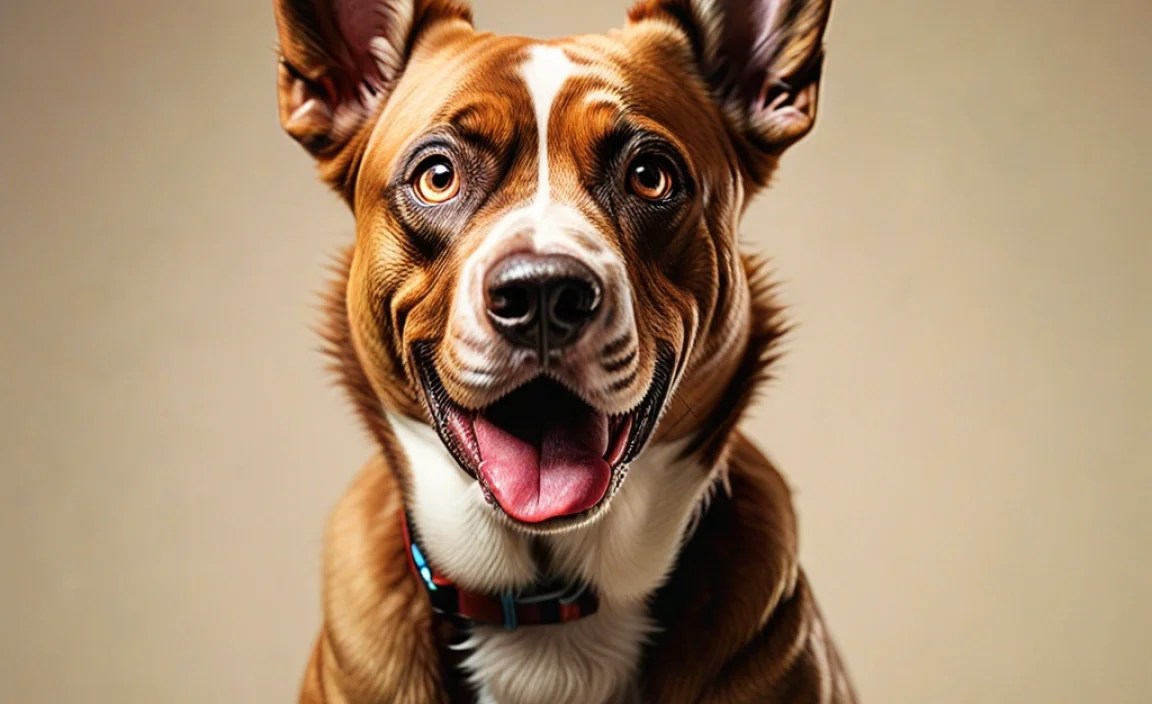
To give you a clearer picture, here’s a comparison of the drooling potential of different dog breeds:
| Breed | Drooling Potential | Notes |
|---|---|---|
| Poodle | Very Low | Tight lips contribute to minimal drooling. |
| Maltese | Very Low | Small size and tight lips. |
| Papillon | Very Low | Small and well-proportioned mouth. |
| Greyhound | Low | Sleek and surprisingly clean. |
| German Pinscher | Low | Well-defined lips. |
| Shiba Inu | Low | Known for cleanliness. |
| Saint Bernard | High | Loose jowls cause significant drooling. |
| Bulldog | High | Facial structure leads to excessive drool. |
| Newfoundland | High | Large size and loose lips. |
Making the Right Choice for Your Lifestyle

Choosing a dog breed that rarely drools can make pet ownership much more enjoyable for those who prefer a cleaner environment. However, it’s essential to consider other factors as well, such as temperament, exercise needs, and grooming requirements. Research different breeds thoroughly and spend time with them before making a decision.
Consider Your Lifestyle
Think about your daily routine and living situation. Do you have time for daily walks or runs? Do you live in an apartment or a house with a yard? Are there children or other pets in the household? Answering these questions will help you narrow down the breeds that are most suitable for your lifestyle.
Meet the Breed
Before bringing a dog home, try to spend time with the breed you’re interested in. Visit a local dog show, meet with breeders, or volunteer at a rescue organization. This will give you a better understanding of the breed’s temperament and energy level.
Talk to Breeders and Owners
Breeders and current owners can provide valuable insights into the breed’s characteristics and needs. Ask them about common health issues, grooming requirements, and any specific challenges they’ve encountered. The American Kennel Club (AKC) is a great resource for finding reputable breeders.
FAQ About Dog Drooling
Why do some dogs drool so much?
Some dogs drool due to their anatomy, specifically loose lips and jowls that can’t contain saliva effectively. Breeds like Saint Bernards and Bulldogs are known for this. Health issues, excitement, or anxiety can also increase drooling.
Is drooling a sign of a health problem?
Sometimes, yes. Excessive drooling can indicate dental problems, nausea, foreign objects in the mouth, or neurological issues. If you notice a sudden increase in drooling, consult your vet to rule out any underlying health conditions.
Can I train my dog to drool less?
While you can’t completely stop a dog from drooling, you can manage it. Regular dental care, monitoring their diet, and keeping them calm can help. Training might reduce drooling triggered by excitement or anxiety.
Are hypoallergenic dogs also low-droolers?
Not necessarily. Hypoallergenic refers to dogs that produce less dander, which causes allergies. While some hypoallergenic breeds like Poodles are also low-droolers, it’s not always the case. Check both factors when choosing a dog.
What should I do if my dog starts drooling excessively?
First, check for any obvious causes, like a foreign object in their mouth. If the excessive drooling persists or is accompanied by other symptoms like loss of appetite or lethargy, consult your veterinarian immediately.
Does the size of the dog affect how much it drools?
Size isn’t the only factor, but larger breeds with loose jowls tend to drool more. Smaller breeds with tighter lips generally drool less. However, breed-specific anatomy is more influential than size alone.
How can I keep my house clean with a drooling dog?
Use drool rags or bandanas to wipe your dog’s mouth regularly. Protect furniture with washable covers and clean floors frequently. Consider keeping your dog in easily cleanable areas, especially after they eat or drink.
Conclusion
Choosing a dog breed that rarely drools can significantly improve your experience as a pet owner, especially if you value a clean home. Breeds like Poodles, Greyhounds, and Shiba Inus offer the companionship and joy of dog ownership without the constant mess. Remember to consider other factors like temperament and exercise needs to ensure a good fit for your lifestyle. By understanding the factors that influence drooling and taking proactive steps to manage it, you can enjoy a happy and relatively slobber-free life with your canine friend. Always consult with breeders, owners, and your veterinarian to make the best choice for you and your future pet.


