
Best Food for British Shorthair Kittens: Ultimate Guide

Quick Summary
The best food for British Shorthair kittens is a high-quality kitten food specifically formulated to meet their unique nutritional needs. Look for options rich in protein (at least 30%), moderate fat (around 20%), and essential nutrients like taurine and DHA. Choose wet food, dry food, or a combination, ensuring it’s easily digestible and supports healthy growth and development. Always consult with your veterinarian for personalized recommendations.
Bringing a British Shorthair kitten into your home is an exciting time! These adorable, fluffy companions need the very best start in life, and that begins with proper nutrition. Choosing the right food can feel overwhelming, with so many options available. It’s important to know that kittens have different nutritional needs than adult cats, and a British Shorthair kitten is no exception.
Don’t worry, you’re not alone in wondering what the best food is. This guide will walk you through everything you need to know to nourish your British Shorthair kitten for optimal health and happiness. We’ll cover essential nutrients, different food types, feeding schedules, and more, so you can feel confident in your choices.
Understanding Your British Shorthair Kitten’s Nutritional Needs

British Shorthair kittens have specific dietary needs to support their rapid growth and development. Here’s a breakdown of the key nutrients they require:
Essential Nutrients for Growth
- Protein: Vital for building and repairing tissues. Kitten food should contain at least 30% protein.
- Fat: Provides energy and supports brain development. Aim for a fat content of around 20%.
- Taurine: An essential amino acid for heart and eye health. Cats cannot produce taurine on their own, so it must be included in their diet.
- DHA (Docosahexaenoic Acid): An omega-3 fatty acid crucial for brain and vision development.
- Calcium and Phosphorus: Essential for strong bones and teeth. The ratio of calcium to phosphorus is important for proper absorption.
- Vitamins and Minerals: A balanced blend of vitamins and minerals supports overall health and immune function.
Why Kitten Food is Crucial
Adult cat food doesn’t provide the same levels of nutrients that kittens need. Kitten food is specifically formulated to support their rapid growth, providing higher levels of protein, fat, and essential vitamins and minerals. Feeding your British Shorthair kitten adult food can lead to deficiencies and health problems down the road.
Growth Stages and Nutritional Adjustments
Your kitten’s nutritional needs will change as they grow. Here’s a general timeline:
- Weaning (4-8 weeks): Kittens start transitioning from milk to solid food.
- Active Growth (2-6 months): This is a period of rapid growth, requiring high levels of nutrients.
- Slowing Growth (6-12 months): Growth starts to slow down, and you can gradually transition to adult food around 12 months.
It is very important to monitor your kitten’s weight and adjust their food intake as needed to prevent obesity or being underweight. Consult with your vet for personalized guidance.
Choosing the Right Type of Food

There are several types of cat food available, each with its own pros and cons. Here’s a closer look at the options:
Wet Food (Canned Food)
Wet food has a high moisture content, which can help keep your kitten hydrated. It’s also often more palatable and easier for kittens to eat.
Pros of Wet Food:
- High moisture content helps with hydration.
- Often more appealing to kittens.
- Can be easier to eat, especially for young kittens.
Cons of Wet Food:
- More expensive than dry food.
- Spoils quickly once opened.
- Can contribute to dental issues if not combined with dry food.
Dry Food (Kibble)
Dry food is convenient and can help promote dental health by scraping against the teeth as your kitten chews.
Pros of Dry Food:
- More affordable than wet food.
- Convenient and easy to store.
- Can help promote dental health.
Cons of Dry Food:
- Lower moisture content.
- Can be less palatable for some kittens.
- May contain more fillers than wet food.
Raw Food
Raw food diets are becoming increasingly popular, but they require careful planning and preparation to ensure they are safe and nutritionally complete.
Pros of Raw Food:
- Can be highly digestible.
- May improve coat health and energy levels.
Cons of Raw Food:
- Risk of bacterial contamination (e.g., Salmonella, E. coli).
- Requires careful planning and preparation to ensure it’s nutritionally balanced.
- Can be more expensive than commercial diets.
- Consult your vet before starting a raw food diet. The American Veterinary Medical Association (AVMA) does not recommend raw food diets due to the potential health risks.
Semi-Moist Food
Semi-moist food is less common but can be a good option for picky eaters. However, it often contains more additives and preservatives than wet or dry food.
Pros of Semi-Moist Food:
- Palatable for picky eaters.
- Convenient and easy to store.
Cons of Semi-Moist Food:
- Often contains more additives and preservatives.
- Can be high in sugar and salt.
Combination Feeding
Many owners choose to feed their British Shorthair kittens a combination of wet and dry food. This can provide the benefits of both types of food, such as hydration from wet food and dental benefits from dry food.
Reading Food Labels: What to Look For
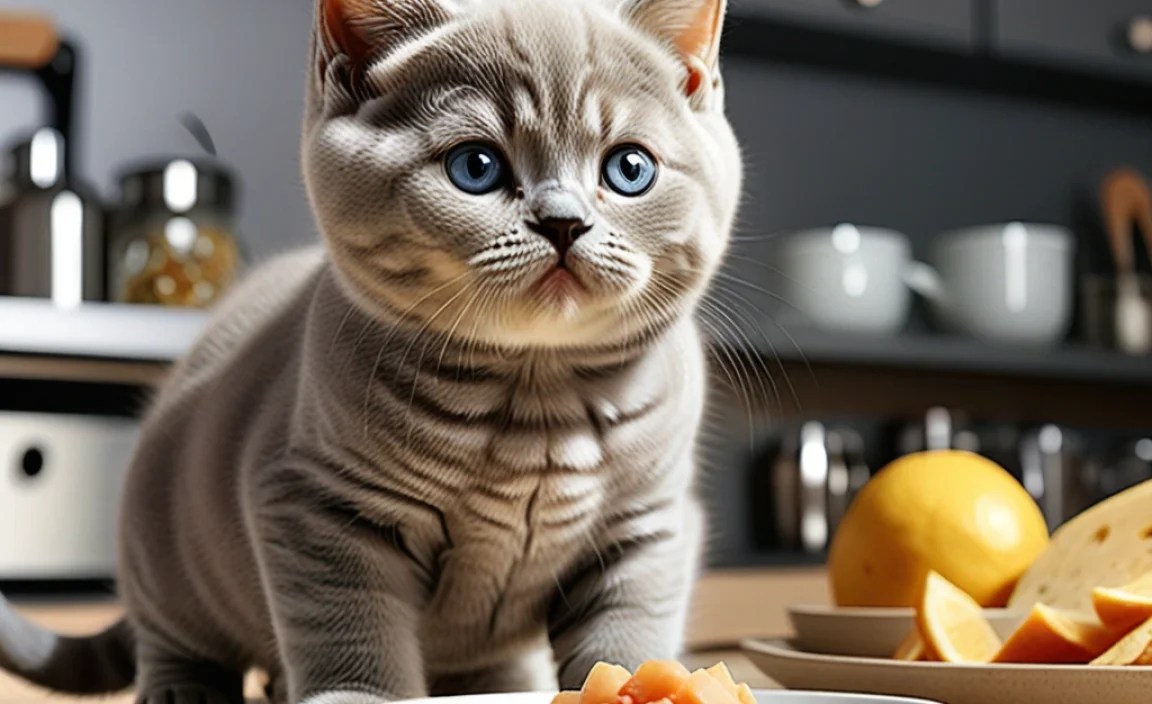
Understanding how to read pet food labels is essential for choosing the best food for your British Shorthair kitten. Here’s what to look for:
- Ingredient List: Ingredients are listed in descending order by weight. Look for high-quality protein sources (e.g., chicken, fish) as the first ingredients.
- Guaranteed Analysis: This section provides information on the percentages of protein, fat, fiber, and moisture in the food.
- AAFCO Statement: The Association of American Feed Control Officials (AAFCO) statement indicates whether the food is “complete and balanced” for kittens.
- Nutritional Adequacy Statement: Look for a statement that says the food is formulated to meet the nutritional levels established by AAFCO for the growth stage.
- Avoid Fillers: Be wary of foods that contain a lot of fillers, such as corn, wheat, and soy.
| Nutrient | Recommended Percentage (Dry Matter Basis) | Why It’s Important |
|---|---|---|
| Protein | 30% or higher | Muscle growth, tissue repair |
| Fat | 20% or higher | Energy, brain development |
| Taurine | 0.1% or higher | Heart and eye health |
| Calcium | 0.8% – 1.6% | Bone and teeth development |
| Phosphorus | 0.7% – 1.4% | Bone and teeth development |
Recommended Brands and Ingredients
While the “best” food can vary depending on your kitten’s individual needs and preferences, here are some reputable brands and ingredients to consider:
Top Brands for British Shorthair Kittens
- Royal Canin: Offers breed-specific formulas for British Shorthair kittens.
- Purina Pro Plan: A well-regarded brand with a variety of kitten food options.
- Hill’s Science Diet: Known for its high-quality ingredients and veterinary-recommended formulas.
- Blue Buffalo: A popular choice with natural ingredients and grain-free options.
Key Ingredients to Look For
- High-Quality Protein Sources: Chicken, turkey, fish, or lamb.
- Healthy Fats: Fish oil, flaxseed oil, or chicken fat.
- Essential Amino Acids: Taurine, lysine, and methionine.
- Vitamins and Minerals: A balanced blend of vitamins A, D, E, and B-complex vitamins.
- Antioxidants: Vitamin E, vitamin C, and selenium.
Ingredients to Avoid
- Artificial Colors, Flavors, and Preservatives: These can cause allergies or sensitivities.
- Fillers: Corn, wheat, and soy.
- Meat By-Products: Unless the source is clearly identified and of high quality.
- Excessive Salt or Sugar: These can be harmful to your kitten’s health.
Feeding Schedule and Portion Control
Establishing a consistent feeding schedule and practicing portion control are crucial for maintaining your British Shorthair kitten’s health.
Creating a Feeding Schedule
Kittens need to be fed more frequently than adult cats. Here’s a general guideline:
- 8-12 Weeks: Feed four times a day.
- 3-6 Months: Feed three times a day.
- 6-12 Months: Feed two times a day.
It’s best to establish a routine of feeding your kitten at the same times each day. This helps regulate their digestive system and prevents overeating.
According to the RSPCA, kittens need constant access to fresh drinking water to stay hydrated. ( RSPCA )
Portion Control Tips
Overfeeding can lead to obesity, which can cause a variety of health problems. Follow these tips for portion control:
- Read the Feeding Guidelines: Check the food label for recommended serving sizes based on your kitten’s age and weight.
- Use a Measuring Cup: Accurately measure out the food to avoid overfeeding.
- Monitor Your Kitten’s Weight: Weigh your kitten regularly to ensure they are growing at a healthy rate.
- Adjust as Needed: Adjust the portion size based on your kitten’s activity level and body condition.
Table: Sample Feeding Schedule and Portion Sizes (Adjust as needed)
| Age | Feeding Frequency | Approximate Portion Size (Dry Food) |
|---|---|---|
| 8-12 Weeks | 4 times a day | 1/4 cup per feeding |
| 3-6 Months | 3 times a day | 1/3 cup per feeding |
| 6-12 Months | 2 times a day | 1/2 cup per feeding |
Transitioning to Adult Food
Around 12 months of age, your British Shorthair kitten will be ready to transition to adult cat food. It’s important to do this gradually to avoid digestive upset.
How to Transition Gradually
- Start Slowly: Mix a small amount of adult food with your kitten’s food.
- Increase the Ratio: Gradually increase the ratio of adult food to kitten food over a period of 7-10 days.
- Monitor Your Kitten’s Response: Watch for any signs of digestive upset, such as vomiting or diarrhea.
- Adjust as Needed: If your kitten experiences digestive issues, slow down the transition.
Choosing the Right Adult Food
Look for an adult cat food that is high in protein and moderate in fat. Consider a breed-specific formula for British Shorthairs, as these are often tailored to their unique needs.
Common Feeding Problems and Solutions
Even with the best intentions, you may encounter some feeding problems with your British Shorthair kitten. Here are some common issues and solutions:
Picky Eating
Some kittens are naturally picky eaters. Here are some tips to encourage them to eat:
- Try Different Foods: Experiment with different flavors and textures to find something your kitten enjoys.
- Warm the Food: Warming the food slightly can enhance its aroma and make it more appealing.
- Hand-Feed: Sometimes, hand-feeding can encourage a picky kitten to eat.
- Limit Treats: Avoid giving too many treats, as this can spoil their appetite for their regular food.
Digestive Issues
Digestive issues like vomiting and diarrhea can be caused by a variety of factors, including food sensitivities, infections, and parasites.
- Consult Your Veterinarian: If your kitten is experiencing digestive issues, it’s important to consult your veterinarian to rule out any underlying medical conditions.
- Try a Bland Diet: Your vet may recommend feeding a bland diet, such as boiled chicken and rice, to help soothe the digestive system.
- Consider a Food Sensitivity: If digestive issues persist, your kitten may have a food sensitivity. Talk to your vet about trying a hypoallergenic diet.
Food Allergies
Food allergies can cause a variety of symptoms, including skin problems, digestive issues, and respiratory problems.
- Identify the Allergen: Work with your veterinarian to identify the allergen causing the problem.
- Switch to a Hypoallergenic Diet: Choose a food that is free of the allergen.
- Read Labels Carefully: Always read food labels carefully to ensure that the food does not contain the allergen.
Supplements: Are They Necessary?
In most cases, a high-quality kitten food will provide all the nutrients your British Shorthair kitten needs. However, in some cases, supplements may be beneficial.
When Supplements May Be Helpful
- Digestive Issues: Probiotics can help improve gut health and digestion.
- Skin and Coat Problems: Omega-3 fatty acids can improve skin and coat health.
- Joint Problems: Glucosamine and chondroitin can support joint health.
Consult Your Veterinarian
Before giving your kitten any supplements, it’s important to consult your veterinarian. They can help you determine if supplements are necessary and recommend the right dosage.
Special Considerations for British Shorthairs
British Shorthairs are prone to certain health conditions, such as hypertrophic cardiomyopathy (HCM) and polycystic kidney disease (PKD). Proper nutrition can play a role in managing these conditions.
HCM and Taurine
Taurine is essential for heart health, and a deficiency can contribute to HCM. Ensure that your kitten’s food contains adequate levels of taurine.
PKD and Hydration
PKD can affect kidney function, so it’s important to keep your kitten well-hydrated. Wet food can be a good option for kittens with PKD.
According to Cornell Feline Health Center, adequate fresh water is important to help prevent kidney disease. (Cornell)
Transitioning Food: Step-by-Step Guide
Switching your British Shorthair kitten’s food requires a gradual approach to avoid digestive upset. Here’s a step-by-step guide to help you transition smoothly:
- Day 1-2: Mix 25% new food with 75% old food.
- Day 3-4: Mix 50% new food with 50% old food.
- Day 5-6: Mix 75% new food with 25% old food.
- Day 7: Feed 100% new food.
Monitor your kitten’s stool and appetite during the transition. If you notice any signs of digestive upset, slow down the transition or consult your veterinarian.
Frequently Asked Questions (FAQs)
1. How much should I feed my British Shorthair kitten?
The amount you feed your kitten depends on their age, weight, and activity level. Refer to the feeding guidelines on the food label and adjust as needed to maintain a healthy weight. As a general rule, kittens aged 8-12 weeks need to be fed four times a day, 3-6 months three times a day and 6-12 months two times a day. It’s always best to consult with your veterinarian.
2. Can I give my British Shorthair kitten milk?
While kittens enjoy milk, cow’s milk can cause digestive upset because it contains lactose, which many cats cannot digest properly. It’s best to stick to kitten formula or water. You can find lactose-free milk alternatives designed for cats in pet stores, but water is always a great option!
3. What are the signs of a food allergy in kittens?
Common signs of food allergies in kittens include skin problems (itching, redness, hair loss), digestive issues (vomiting, diarrhea), and respiratory problems (coughing, sneezing). If you suspect your kitten has a food allergy, consult your veterinarian.
4. Is grain-free food better for British Shorthair kittens?
Grain-free food is not necessarily better for all kittens. While some kittens may benefit from a grain-free diet due to allergies or sensitivities, many kittens can digest grains without any problems. It’s important to choose a food that is high in quality and meets your kitten’s nutritional needs, regardless of whether it contains grains.
5. Can I feed my British Shorthair kitten human food?
While some human foods are safe for cats in small amounts (such as cooked chicken or fish), it’s best to stick to cat food that is specifically formulated to meet their nutritional needs. Avoid feeding your kitten foods that are toxic to cats, such as chocolate, onions, and garlic.
6. How do I know if my kitten is overweight?
You can tell if your kitten is overweight by feeling their ribs. If you can’t easily feel their ribs, they may be overweight. Other signs include a lack of a defined waistline and difficulty grooming themselves. Consult your veterinarian for guidance on weight management.
7. What is the AAFCO statement and why is it important?
The AAFCO (Association of American Feed Control Officials) statement on a pet food label indicates that the food is “complete and balanced” and meets the nutritional levels established by AAFCO for a specific life stage (e.g., growth). This statement ensures that the food provides all the nutrients your kitten needs to thrive, so it’s important to look for it when choosing a food.
Conclusion
Choosing the best food for your British Shorthair kitten is a crucial decision that will impact their health and well-being for years to come. By understanding their unique nutritional needs, reading food labels carefully, and establishing a consistent feeding schedule, you can ensure that your furry friend gets the best possible start in life.
Remember to consult with your veterinarian for personalized recommendations and to address any specific concerns you may have. With the right nutrition and care, your British Shorthair kitten will grow into a healthy, happy, and beloved member of your family. Enjoy every moment of this special journey!


