
Understanding Feline Satiety Signals: The Smart Guide

Have you ever watched a cat eat? They seem to know when to stop. But how do cats know when they are full? {Understanding feline satiety signals} can help us feed our cats better. It can also help us keep them healthy.
Key Takeaways
- Understanding feline satiety signals helps prevent overfeeding and obesity.
- Cats often eat small meals throughout the day, unlike dogs.
- Slow feeders and puzzle toys can help cats feel full longer.
- Paying attention to your cat’s behavior can help you know when it is full.
- A healthy diet and regular vet visits are key to your cat’s well-being.
Decoding Feline Hunger Cues
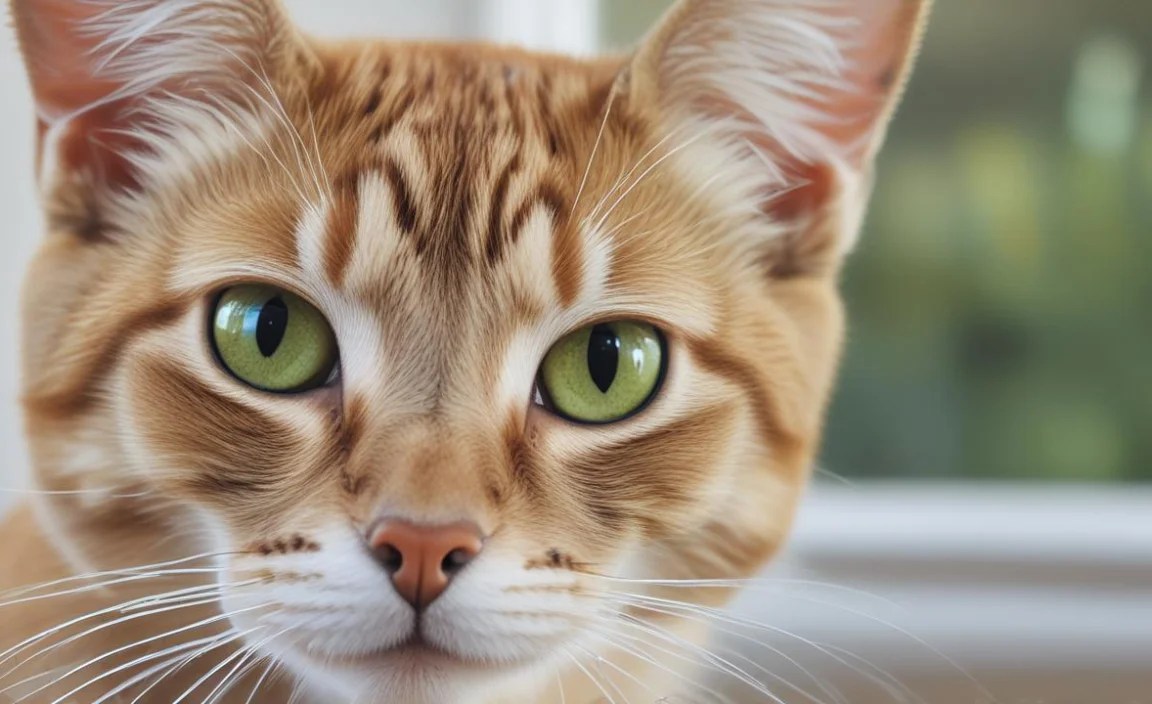
Cats are mysterious creatures. They often hide their feelings. But they do give us clues about when they are hungry. They also show us when they are full. Understanding feline satiety signals means watching your cat carefully. Look at how fast they eat. Notice how much they eat. See if they leave food in the bowl. These are all signs that your cat is full. Some cats will walk away from their food when they are done. Others might cover their food. This is like saving it for later. If you watch your cat, you will learn what their signals mean. This helps you give them the right amount of food.
- Watch your cat’s body language when they eat.
- Notice if they eat quickly or slowly.
- See if they leave food in their bowl.
- Pay attention to how often they ask for food.
- Make sure they are getting the right amount of exercise.
It’s important to remember that every cat is different. What works for one cat might not work for another. Some cats eat a lot at once. Other cats prefer to graze throughout the day. {Understanding feline satiety signals} involves figuring out your cat’s unique eating habits. If you are not sure how much to feed your cat, ask your vet. They can help you create a healthy feeding plan. This will keep your cat happy and at a healthy weight. Overfeeding can lead to health problems, so always be mindful of the cues.
Fun Fact or Stat: Studies show that over 50% of cats are overweight or obese!
Why Do Cats Graze?
Have you ever seen a cat eat just a little bit and then walk away? Cats are natural grazers. In the wild, they would hunt small meals throughout the day. Their bodies are designed to eat like this. This is why they might not eat a whole bowl of food at once. They might come back to it later. Understanding feline satiety signals in grazers means offering small meals often. This can help them feel satisfied. It also prevents them from getting too hungry. If you have a cat that grazes, leave out a small amount of food. Make sure it doesn’t spoil. Fresh food is important for your cat’s health. Always provide clean water, too.
How Fast Does Your Cat Eat?
Some cats eat their food very quickly. They might gulp it down in seconds. This can be a problem. Eating too fast can cause them to vomit. It can also lead to overeating. When cats eat fast, they don’t always realize they are full. This is where slow feeders can help. A slow feeder is a special bowl with obstacles. It makes the cat work harder to get their food. This slows down their eating. It also gives their brain time to register that they are full. Understanding feline satiety signals can be tricky with fast eaters, so slow feeders are a great tool.
What About Puzzle Feeders?
Puzzle feeders are another fun way to feed your cat. These toys require your cat to solve a puzzle to get their food. This can keep them entertained for a long time. It also slows down their eating. Puzzle feeders are great for cats who are bored. They can also help with weight management. {Understanding feline satiety signals} is easier when your cat is engaged and eating slowly. Plus, puzzle feeders provide mental stimulation. This is important for your cat’s overall health and happiness. There are many different types of puzzle feeders available, so find one that your cat enjoys.
Recognizing When Your Cat Is Full
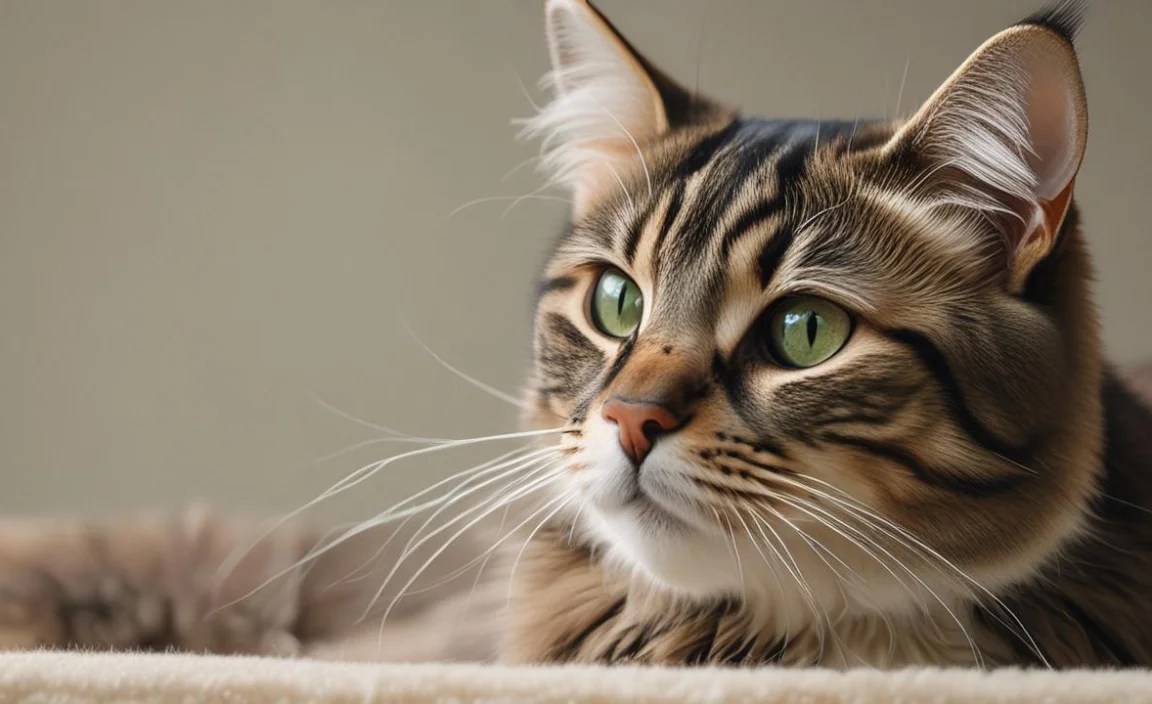
It’s important to know when your cat is full. Overfeeding can cause weight gain. It can also lead to serious health issues. Diabetes and joint problems are common in overweight cats. Understanding feline satiety signals helps prevent these problems. One sign that your cat is full is that they walk away from their food. They might also turn their head away. Some cats will even cover their food with their paws. This is like saying, “I’m done for now.” If you see these signs, don’t force your cat to eat more. They know when they have had enough. Always respect their signals.
- Watch for your cat walking away from the food bowl.
- Notice if they turn their head away from the food.
- See if they try to cover their food.
- Pay attention to their body language.
- Make sure they have fresh water available.
- Avoid giving them too many treats.
Another thing to consider is the type of food you are feeding your cat. Some foods are more filling than others. Foods that are high in protein and fiber can help your cat feel full longer. These foods also provide important nutrients. Talk to your vet about the best type of food for your cat. They can recommend a food that meets your cat’s specific needs. Remember, {Understanding feline satiety signals} is only part of the equation. The quality of the food also matters. A healthy diet is essential for your cat’s overall well-being.
Fun Fact or Stat: Cats need about 24-35% of protein in their diet to stay healthy!
Does Your Cat Beg for Food?
Some cats are very good at begging for food. They might meow loudly or rub against your legs. This doesn’t always mean they are hungry. Sometimes, they just want attention. It’s important to learn the difference between begging and true hunger. If your cat has just eaten, they might be begging for attention. Try playing with them or giving them a cuddle. This can distract them from their desire for food. Understanding feline satiety signals also means understanding your cat’s behavior. Don’t always give in to their demands. This can lead to overfeeding and weight gain.
Are Treats Part of the Problem?
Treats can be a big part of the problem when it comes to overfeeding. Many cat treats are high in calories. They don’t always provide a lot of nutrients. Giving your cat too many treats can quickly lead to weight gain. If you give your cat treats, do so in moderation. Choose healthy treats that are low in calories. You can also use treats as a reward for good behavior. This can help you train your cat. {Understanding feline satiety signals} involves considering treats as part of their overall diet. Make sure they are not getting too many extra calories.
What About Wet vs. Dry Food?
Wet food and dry food have different benefits. Wet food has a higher water content. This can help keep your cat hydrated. It can also help them feel full. Dry food is often more convenient. It can be left out for your cat to graze on throughout the day. Some cats prefer wet food, while others prefer dry food. You can also feed your cat a combination of both. Understanding feline satiety signals means considering the type of food you are feeding. Wet food can be more filling, while dry food can be easier to manage. Talk to your vet about what is best for your cat.
The Role of Portion Control in Feline Nutrition

Portion control is very important for your cat’s health. It means giving them the right amount of food at each meal. This helps prevent overeating and weight gain. Understanding feline satiety signals is easier when you control portions. You can use a measuring cup to make sure you are giving them the correct amount. Look at the food label to see how much food your cat needs based on their weight. Divide that amount into several small meals throughout the day. This can help them feel full and satisfied. It also helps you keep track of how much they are eating.
- Use a measuring cup to control portions.
- Read the food label to determine the correct amount.
- Divide the daily amount into several small meals.
- Avoid free-feeding, where food is always available.
- Weigh your cat regularly to monitor their weight.
- Adjust portions as needed based on their activity level.
Free-feeding can lead to overeating. This is when you leave food out all day for your cat to graze on. It can be hard to track how much they are eating. It can also make it difficult to notice if they are gaining weight. If you free-feed, consider switching to portion control. This can help you manage their weight better. Remember, {Understanding feline satiety signals} is harder when food is always available. Portion control gives you more control over their diet. It also helps you keep them healthy.
Fun Fact or Stat: Cats that are fed measured portions are less likely to be overweight!
How Often Should You Feed Your Cat?
Cats often prefer to eat several small meals throughout the day. This mimics their natural hunting behavior. You can divide their daily food allowance into three or four small meals. This can help them feel satisfied and prevent them from getting too hungry. It also helps with digestion. Understanding feline satiety signals involves finding a feeding schedule that works for your cat. Some cats do well with two meals a day. Others prefer more frequent, smaller meals. Pay attention to their behavior and adjust the schedule as needed.
What Is the Right Portion Size?
The right portion size depends on several factors. These include your cat’s weight, age, and activity level. A young, active cat will need more food than an older, less active cat. Look at the food label to see the recommended portion size. You can also ask your vet for advice. They can help you determine the right amount of food for your cat. Understanding feline satiety signals involves adjusting the portion size as needed. If your cat is gaining weight, reduce the portion size. If they are losing weight, increase the portion size.
Why Is a Consistent Schedule Important?
A consistent feeding schedule can help your cat feel secure. They will know when to expect their next meal. This can reduce anxiety and begging behavior. It also helps you monitor their appetite. If your cat suddenly stops eating, it could be a sign of a health problem. A consistent schedule makes it easier to notice these changes. Understanding feline satiety signals is easier when you have a routine. It helps you keep track of their eating habits and identify any potential issues. Try to feed your cat at the same time each day.
Environmental Factors Affecting Feline Appetite

The environment can play a big role in your cat’s appetite. A stressful environment can cause them to eat less. A boring environment can cause them to overeat. Understanding feline satiety signals means considering their surroundings. Make sure their feeding area is quiet and safe. Avoid placing their food bowl near loud noises or other stressors. Provide plenty of toys and activities to keep them entertained. This can prevent boredom-related overeating. A happy, relaxed cat is more likely to have a healthy appetite.
- Provide a quiet and safe feeding area.
- Avoid placing food near stressors like loud noises.
- Offer plenty of toys and activities to prevent boredom.
- Make sure their water bowl is clean and fresh.
- Consider the location of their litter box.
- Reduce competition if you have multiple cats.
Competition with other cats can also affect their appetite. If you have multiple cats, make sure they each have their own food bowl. Place the bowls in separate areas to prevent them from competing for food. Watch for signs of bullying or aggression. This can cause some cats to eat less. {Understanding feline satiety signals} in a multi-cat household requires careful observation. Make sure each cat is getting enough food and feeling safe while they eat. A peaceful environment is key to a healthy appetite.
Fun Fact or Stat: Cats prefer to eat in quiet places away from other pets!
Is Their Water Bowl Clean?
Cats are very sensitive to the cleanliness of their water bowl. If the water is dirty or stale, they might not drink enough. This can lead to dehydration. It can also affect their appetite. Make sure to clean their water bowl daily. Provide fresh, clean water at all times. Some cats prefer to drink from a fountain. This can encourage them to drink more. Understanding feline satiety signals involves making sure they are properly hydrated. Water is essential for their overall health and well-being.
Does the Litter Box Location Matter?
The location of the litter box can also affect their appetite. Cats don’t like to eat near their litter box. This is because it is unsanitary. Place their food bowl in a different area than their litter box. This will help them feel more comfortable while they eat. A clean and separate feeding area is important for their appetite. Understanding feline satiety signals means considering their natural instincts. They prefer to eat in a clean and safe environment. Keep the litter box away from their food and water.
Are There Other Pets Around?
If you have other pets, they might be affecting your cat’s appetite. Dogs can sometimes steal cat food. This can cause your cat to eat less. Other cats might bully them away from their food. Make sure your cat has a safe place to eat where other pets cannot bother them. Understanding feline satiety signals in a multi-pet household requires careful management. Provide separate feeding areas for each pet. This will help them feel more secure and eat properly. Monitor their interactions to prevent any problems.
Medical Conditions That Affect Appetite

Sometimes, a change in appetite can be a sign of a medical condition. If your cat suddenly stops eating, it could be a serious problem. Take them to the vet right away. Many health issues can affect their appetite. These include dental problems, kidney disease, and infections. Understanding feline satiety signals means being aware of these potential issues. Regular vet checkups are important for detecting health problems early. Early treatment can often prevent serious complications. Don’t ignore any sudden changes in your cat’s eating habits.
- Take your cat to the vet for regular checkups.
- Be aware of potential medical conditions.
- Monitor their eating habits for any sudden changes.
- Dental problems can affect their appetite.
- Kidney disease is a common cause of appetite loss.
- Infections can also cause them to stop eating.
Dental problems are a common cause of appetite loss in cats. If they have sore gums or teeth, it can be painful to eat. This can cause them to eat less or stop eating altogether. Check their teeth regularly for signs of problems. These include redness, swelling, and bad breath. If you notice any of these signs, take them to the vet. {Understanding feline satiety signals} also involves paying attention to their oral health. Good dental care can help them maintain a healthy appetite. Regular teeth cleaning can prevent dental problems.
| Medical Condition | Symptoms | Effect on Appetite |
|---|---|---|
| Dental Problems | Bad breath, drooling, difficulty eating | Decreased appetite |
| Kidney Disease | Increased thirst, frequent urination, weight loss | Decreased appetite |
| Infections | Fever, lethargy, vomiting | Decreased appetite |
| Hyperthyroidism | Increased appetite, weight loss, hyperactivity | Increased appetite (initially) |
Fun Fact or Stat: Over 85% of cats over the age of 3 have some form of dental disease!
Could It Be Dental Issues?
Dental issues are very common in cats. They can cause a lot of pain and discomfort. This can make it difficult for them to eat. Check your cat’s teeth regularly for signs of problems. Look for redness, swelling, or bleeding gums. Bad breath is also a sign of dental issues. If you notice any of these signs, take your cat to the vet. They can clean their teeth and treat any dental problems. Understanding feline satiety signals means being aware of the signs of dental issues. Good dental care is essential for their overall health.
Is Kidney Disease a Possibility?
Kidney disease is another common problem in older cats. It can cause a loss of appetite. Other signs of kidney disease include increased thirst and frequent urination. Your cat might also lose weight. If you notice these signs, take them to the vet. They can run tests to check their kidney function. Early diagnosis and treatment can help manage kidney disease. Understanding feline satiety signals also means being aware of the signs of kidney disease. Regular vet checkups are important for detecting this problem early.
What About Infections?
Infections can also affect your cat’s appetite. If they have a fever, they might not feel like eating. Other signs of infection include lethargy, vomiting, and diarrhea. Take your cat to the vet if you suspect they have an infection. They can run tests to identify the cause of the infection. They can also prescribe antibiotics or other medications. Understanding feline satiety signals means being aware of the signs of infection. Early treatment can help them recover quickly and regain their appetite.
Adjusting Feeding Strategies for Senior Cats

Senior cats have different nutritional needs than younger cats. They might need fewer calories because they are less active. They might also have trouble digesting certain foods. Understanding feline satiety signals in senior cats means adjusting their feeding strategies. Choose a food that is specifically formulated for senior cats. These foods are often easier to digest. They also contain nutrients that support joint health and cognitive function. Feed them smaller meals more frequently throughout the day. This can help with digestion and prevent overeating.
- Choose a food formulated for senior cats.
- Feed smaller meals more frequently.
- Consider adding supplements to their diet.
- Make sure they have easy access to food and water.
- Monitor their weight and adjust portions as needed.
- Provide a comfortable and quiet feeding area.
Senior cats might also have trouble reaching their food and water bowls. Make sure the bowls are easily accessible. You might need to raise the bowls to make it easier for them to eat. This can help prevent neck strain. Also, consider adding supplements to their diet. These can help with joint pain and other age-related problems. {Understanding feline satiety signals} in senior cats requires careful attention to their specific needs. Regular vet checkups are even more important as they get older. This will help you identify and address any health problems early.
Fun Fact or Stat: Senior cats may need up to 50% fewer calories than when they were younger!
Are They Eating Less Due to Age?
As cats get older, their appetite might naturally decrease. This is because their metabolism slows down. They might also be less active. This means they don’t need as many calories. If your senior cat is eating less, it might not be a cause for concern. However, it’s still important to monitor their weight. Make sure they are not losing too much weight. If you are concerned, talk to your vet. Understanding feline satiety signals in senior cats involves considering their age and activity level.
Do They Have Trouble Chewing?
Senior cats might have trouble chewing due to dental problems. This can make it difficult for them to eat dry food. Consider switching to wet food. Wet food is softer and easier to chew. You can also moisten dry food with water. This can make it easier for them to eat. Understanding feline satiety signals means considering their dental health. If they are having trouble chewing, it’s important to address the underlying cause. Take them to the vet for a dental checkup.
Should You Add Supplements?
Supplements can be beneficial for senior cats. They can help with joint pain, cognitive function, and other age-related problems. Glucosamine and chondroitin can help with joint pain. Omega-3 fatty acids can support cognitive function. Talk to your vet about which supplements are right for your cat. Understanding feline satiety signals also involves considering their overall health. Supplements can help them maintain a healthy appetite and quality of life. Make sure to choose high-quality supplements from a reputable brand.
Summary
Understanding feline satiety signals is very important for your cat’s health and well-being. It helps you know when they are full and prevents overfeeding. Watch your cat’s body language and eating habits. Notice if they walk away from their food or cover it. Consider their environment and feeding schedule. Portion control is key to preventing weight gain. Medical conditions can also affect their appetite. If you notice any sudden changes, take them to the vet. Adjust feeding strategies for senior cats. Provide a quiet, safe feeding area. A healthy diet and regular vet visits are essential for your cat’s overall health.
Conclusion
Paying attention to your cat’s eating habits is a great way to show you care. It helps ensure they are getting the right amount of food. Overfeeding can lead to health problems, but so can underfeeding. Watch for clues. Is your cat leaving food behind? Do they beg even after eating? By understanding feline satiety signals, you can keep your feline friend healthy and happy. Always consult with your vet for personalized advice on your cat’s diet and health.
Frequently Asked Questions
Question No 1: How do I know if I am feeding my cat too much?
Answer: One way to tell if you’re overfeeding your cat is to check their weight. You should be able to feel their ribs easily. If you can’t, they might be overweight. Also, watch their behavior after eating. If they frequently leave food in the bowl, you might be giving them too much. Understanding feline satiety signals means paying attention to these cues. You can also ask your vet to help you assess your cat’s weight and body condition. They can give you personalized advice on how much to feed your cat.
Question No 2: What are some healthy treats I can give my cat?
Answer: There are many healthy treats you can give your cat. Look for treats that are low in calories and high in protein. Freeze-dried meat treats are a good option. You can also give them small pieces of cooked chicken or fish. Avoid giving them treats that are high in carbohydrates or artificial ingredients. Remember, treats should only make up a small portion of their daily diet. {Understanding feline satiety signals} involves considering treats as part of their overall calorie intake. Choose treats wisely to keep your cat healthy.
Question No 3: My cat is always begging for food. What should I do?
Answer: If your cat is always begging for food, it’s important to figure out why. Are they truly hungry, or are they just seeking attention? Make sure you are feeding them the right amount of food at each meal. If they are still begging, try playing with them or giving them a cuddle. This can distract them from their desire for food. Don’t always give in to their demands. This can lead to overfeeding and weight gain. Understanding feline satiety signals can help you determine if they are truly hungry or just bored.
Question No 4: Is it okay to leave food out all day for my cat to graze on?
Answer: Leaving food out all day, called free-feeding, is not always the best idea. It can lead to overeating and weight gain. It can also make it difficult to monitor how much your cat is eating. Portion control is generally a better approach. Feed them measured meals at specific times of the day. This helps you keep track of their calorie intake. It also helps them develop a healthy eating routine. {Understanding feline satiety signals} is easier when you control portions and feeding times.
Question No 5: How can I help my cat lose weight?
Answer: If your cat is overweight, there are several things you can do to help them lose weight. First, talk to your vet. They can help you create a safe and effective weight loss plan. Reduce their calorie intake by feeding them smaller portions. Choose a food that is specifically formulated for weight loss. Increase their activity level by playing with them more. Avoid giving them too many treats. Understanding feline satiety signals is important during weight loss. Monitor their progress and adjust the plan as needed.
Question No 6: My senior cat is losing weight. What should I do?
Answer: If your senior cat is losing weight, it’s important to take them to the vet. Weight loss can be a sign of a medical condition. The vet can run tests to identify the cause of the weight loss. They can also recommend a diet that is appropriate for their needs. Senior cats might need more calories or a food that is easier to digest. Make sure they have easy access to food and water. Understanding feline satiety signals in senior cats requires careful monitoring and veterinary care.


