
Daily Activity Routine for Healthy British Shorthairs: Easy Guide

A daily activity routine for healthy British Shorthairs should include at least 15-20 minutes of interactive play, providing scratching posts, puzzle toys, and opportunities for climbing and exploration. Consistency and variety are key to keeping your British Shorthair mentally and physically stimulated.
Is your British Shorthair spending most of their day napping? While these cats are known for their relaxed nature, they still need daily activity to stay healthy and happy. Many owners struggle to find the right balance of play and rest for their British Shorthairs. Without enough stimulation, these intelligent cats can become bored, which may lead to unwanted behaviors or health issues.
Don’t worry! Creating a fun and engaging daily routine for your British Shorthair is easier than you think. This guide will walk you through simple steps to ensure your furry friend gets the exercise and mental stimulation they need to thrive. Let’s get started and turn your British Shorthair into a happy, active member of your family!
Understanding Your British Shorthair’s Activity Needs
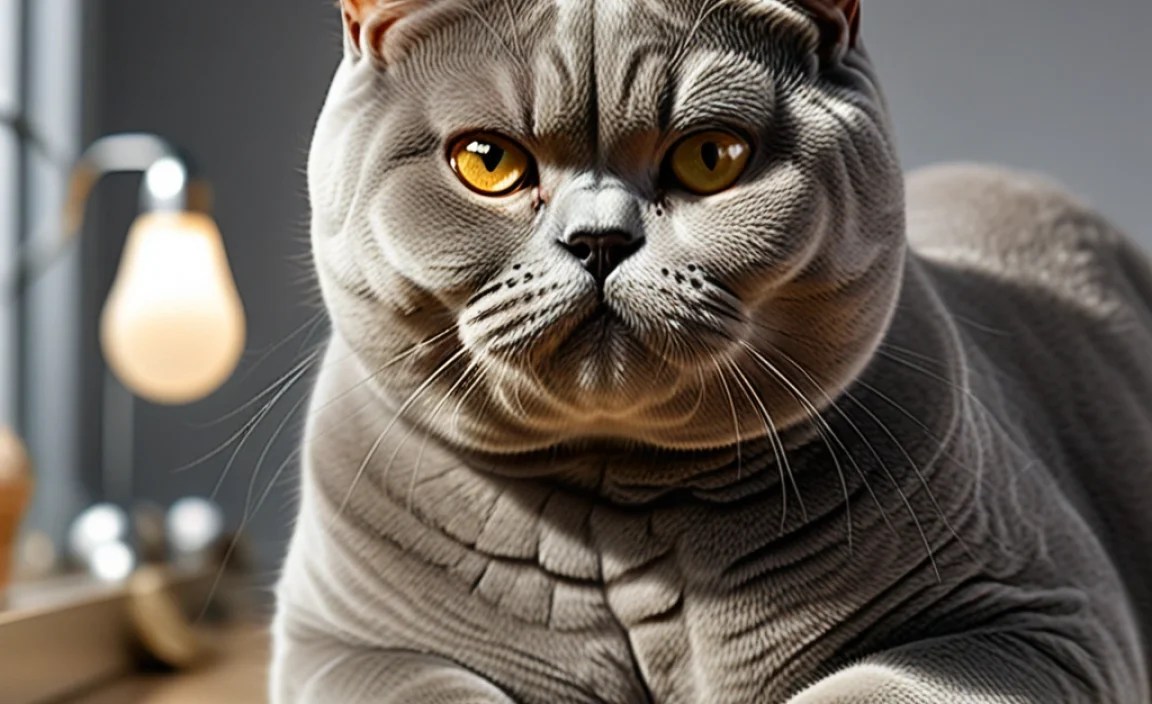
Before diving into a daily routine, it’s important to understand the specific activity needs of British Shorthairs. While they aren’t as high-energy as some other breeds, they still require regular exercise and mental stimulation to stay healthy and happy. Let’s explore what motivates them and how to cater to their unique personalities.
Why Activity Matters for British Shorthairs
British Shorthairs are prone to weight gain, which can lead to various health problems like diabetes and joint issues. Regular activity helps them maintain a healthy weight and supports their overall physical well-being. According to the RSPCA, keeping cats active can significantly improve their quality of life.
Mental stimulation is just as important. Boredom can lead to behavioral issues such as excessive grooming, destructive scratching, or even depression. Engaging activities keep their minds sharp and prevent these problems. Puzzle toys, interactive games, and opportunities to explore their environment can make a big difference.
Understanding Their Natural Play Style
British Shorthairs have a moderate energy level. They enjoy short bursts of play followed by periods of rest. They are not typically “fetch” cats but enjoy chasing toys and engaging in hunting-like behaviors. Understanding this natural play style will help you tailor activities that they find enjoyable and rewarding.
- Hunting Instincts: British Shorthairs love to stalk, chase, and pounce. Toys that mimic prey, such as feather wands or laser pointers, are usually a hit.
- Exploration: They enjoy exploring their environment. Providing climbing structures, window perches, and safe spaces to hide can satisfy their curiosity.
- Puzzle Solving: These cats are intelligent and enjoy solving puzzles. Food puzzle toys can keep them entertained and mentally stimulated.
Creating a Daily Activity Schedule

Consistency is key when establishing a daily activity routine. A predictable schedule helps your British Shorthair feel secure and ensures they get the exercise and stimulation they need. Here’s a step-by-step guide to creating an effective daily schedule.
Step 1: Morning Playtime (15-20 minutes)
Start the day with a fun play session to get your cat moving and engaged. This is a great way to burn off any pent-up energy from the night and set a positive tone for the day.
- Choose an Interactive Toy: Feather wands, toy mice, or laser pointers work well.
- Engage Their Hunting Instincts: Move the toy in a way that mimics prey, allowing your cat to stalk, chase, and pounce.
- Vary the Play: Change the type of toy or play style to keep them interested.
- End on a High Note: Finish the session with a successful “catch” to satisfy their hunting instincts.
Step 2: Enrichment During the Day
Even when you’re not actively playing with your cat, you can provide enrichment to keep them mentally stimulated. This is especially important if you work during the day.
- Puzzle Toys: Leave out puzzle toys filled with treats or kibble. These toys challenge your cat to figure out how to get the food, providing mental stimulation and entertainment.
- Window Perch: Provide a window perch where your cat can watch birds and other outdoor activities. This can be a great source of entertainment.
- Scratching Post: Ensure your cat has access to a scratching post. Scratching is a natural behavior that helps them maintain their claws and stretch their muscles.
- Cat Tree: A cat tree provides climbing opportunities and different levels for your cat to explore.
Step 3: Afternoon/Evening Playtime (15-20 minutes)
Another play session in the afternoon or evening can help your cat burn off more energy and provide a bonding opportunity for both of you. This is also a good time to engage in activities that require more interaction.
- Interactive Games: Play games that involve chasing, pouncing, and catching.
- Training Sessions: Teach your cat simple tricks using positive reinforcement. This can be a fun and mentally stimulating activity.
- Rotate Toys: Keep your cat interested by rotating their toys regularly. This makes old toys feel new again.
Step 4: Wind-Down Routine
Before bedtime, engage in a calming activity to help your cat wind down. This can include gentle petting, grooming, or a quiet play session.
- Grooming: Brush your cat to remove loose fur and promote relaxation.
- Quiet Play: Engage in a gentle play session with a soft toy.
- Comfortable Bed: Ensure your cat has a comfortable and safe place to sleep.
Essential Toys and Equipment

Having the right toys and equipment can make a big difference in your British Shorthair’s activity level and overall happiness. Here are some must-have items to include in your cat’s daily routine.
Interactive Toys
Interactive toys are designed to engage your cat’s hunting instincts and provide mental stimulation. These toys require your cat to actively participate, making playtime more rewarding.
- Feather Wands: These toys mimic the movement of birds, enticing your cat to chase, pounce, and catch.
- Laser Pointers: Cats love to chase the elusive red dot. However, always end the session with a tangible reward to satisfy their hunting instincts.
- Toy Mice: These classic toys are great for batting around and chasing.
Puzzle Toys
Puzzle toys challenge your cat to solve problems in order to get a treat or kibble. These toys provide mental stimulation and can help prevent boredom.
- Food Puzzles: These toys require your cat to manipulate the toy in order to release the food.
- Treat Balls: These balls dispense treats as your cat rolls them around.
Climbing Structures
Climbing is a natural behavior for cats, and providing climbing structures can help them satisfy this instinct. Cat trees and shelves provide opportunities for exercise and exploration.
- Cat Trees: These structures offer multiple levels for climbing, scratching, and resting.
- Cat Shelves: These shelves can be mounted on the wall to create a climbing pathway.
Scratching Posts
Scratching is a natural behavior that helps cats maintain their claws and stretch their muscles. Providing a scratching post can prevent them from scratching furniture.
- Vertical Scratching Posts: These posts allow your cat to stretch their entire body while scratching.
- Horizontal Scratching Pads: These pads are great for cats who prefer to scratch on a flat surface.
Adapting the Routine for Different Life Stages
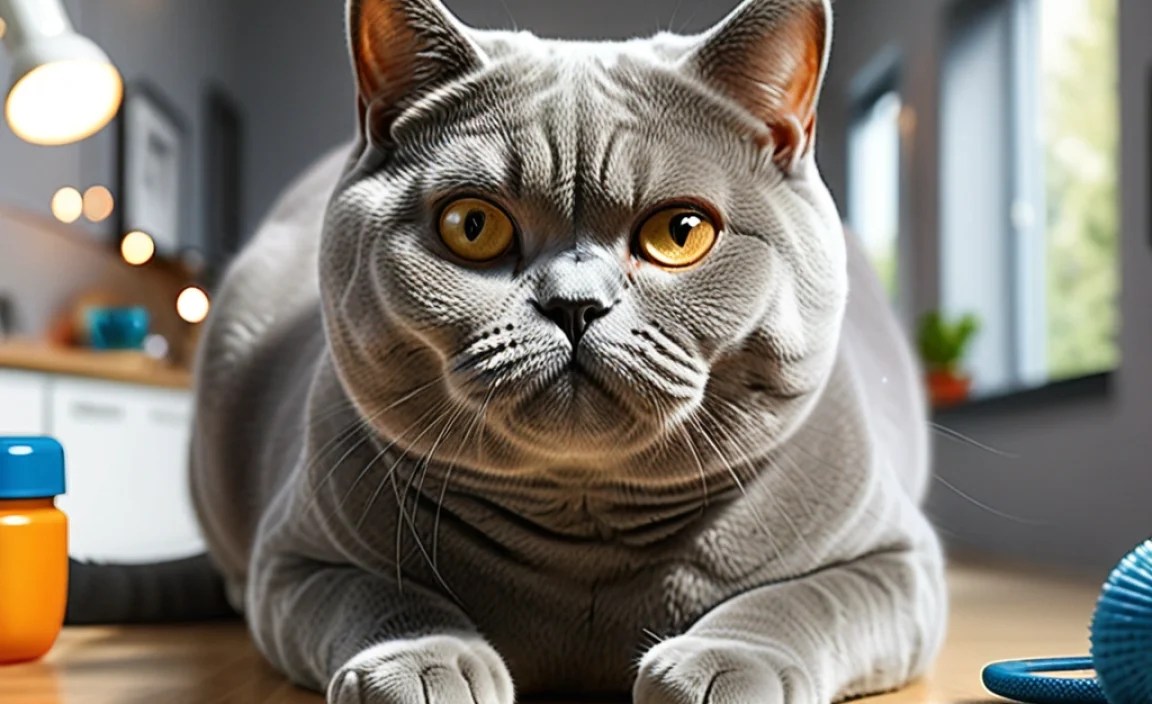
A British Shorthair’s activity needs will change as they age. Kittens have more energy than adults, and senior cats may have physical limitations. Adapting the daily routine to suit their life stage is essential for their well-being.
Kittens
Kittens have a lot of energy and need plenty of playtime. Focus on short, frequent play sessions and provide plenty of opportunities for exploration.
- Frequent Play Sessions: Engage in multiple short play sessions throughout the day.
- Safe Exploration: Ensure the environment is safe for exploration and provide plenty of toys.
- Socialization: Introduce your kitten to different toys, people, and environments to promote socialization.
Adult Cats
Adult British Shorthairs still need regular activity, but they may not have as much energy as kittens. Focus on interactive play and enrichment to keep them mentally and physically stimulated.
- Interactive Play: Engage in daily play sessions with interactive toys.
- Enrichment: Provide puzzle toys, window perches, and climbing structures.
- Weight Management: Monitor their weight and adjust their diet and activity level as needed.
Senior Cats
Senior cats may have physical limitations that make it difficult for them to engage in high-impact activities. Focus on gentle play and provide comfortable resting places.
- Gentle Play: Engage in gentle play sessions with soft toys.
- Comfortable Resting Places: Provide comfortable beds and resting places that are easy to access.
- Regular Vet Checkups: Schedule regular vet checkups to monitor their health and address any age-related issues.
Troubleshooting Common Issues
Even with the best intentions, you may encounter some challenges when establishing a daily activity routine for your British Shorthair. Here are some common issues and how to address them.
Lack of Interest in Toys
If your cat doesn’t seem interested in toys, try rotating them regularly to keep things fresh. You can also try different types of toys to see what they prefer. Some cats may be more interested in toys that mimic prey, while others may prefer puzzle toys.
- Rotate Toys: Keep your cat interested by rotating their toys regularly.
- Try Different Types of Toys: Experiment with different types of toys to see what they prefer.
- Use Catnip: Catnip can make toys more appealing.
Overstimulation
Some cats may become overstimulated during play sessions, which can lead to aggression or anxiety. If this happens, stop the play session and give your cat some time to calm down. You can also try shorter, more frequent play sessions to prevent overstimulation.
- Stop Play Session: If your cat becomes overstimulated, stop the play session and give them time to calm down.
- Shorter Play Sessions: Try shorter, more frequent play sessions to prevent overstimulation.
- Calming Environment: Provide a quiet and safe space where your cat can retreat if they feel overwhelmed.
Weight Gain
British Shorthairs are prone to weight gain, so it’s important to monitor their weight and adjust their diet and activity level as needed. If your cat is gaining weight, increase their activity level and reduce their food intake. Consult with your veterinarian to determine the best diet and exercise plan for your cat.
- Monitor Weight: Weigh your cat regularly to monitor their weight.
- Adjust Diet: Reduce their food intake if they are gaining weight.
- Increase Activity: Increase their activity level to burn more calories.
- Consult Veterinarian: Consult with your veterinarian to determine the best diet and exercise plan for your cat.
The Benefits of a Consistent Routine
Establishing a consistent daily activity routine for your British Shorthair offers numerous benefits for both you and your cat. From improved physical health to enhanced mental well-being, a structured routine can significantly improve your cat’s quality of life.
Improved Physical Health
Regular activity helps your British Shorthair maintain a healthy weight, which reduces their risk of developing obesity-related health problems such as diabetes, joint issues, and heart disease. Exercise also helps to strengthen their muscles and bones, improving their overall physical condition.
Enhanced Mental Well-being
Mental stimulation is just as important as physical exercise. Engaging activities keep your cat’s mind sharp and prevent boredom, which can lead to behavioral problems. Puzzle toys, interactive games, and opportunities to explore their environment can help to keep them mentally stimulated and happy.
Strengthened Bond
Spending time playing and interacting with your British Shorthair can strengthen the bond between you. Cats are social animals and enjoy spending time with their owners. Regular play sessions provide an opportunity for bonding and can help to build a strong and loving relationship.
Reduced Behavioral Issues
A consistent routine can help to reduce behavioral issues such as excessive grooming, destructive scratching, and aggression. When cats have their needs met through regular activity and enrichment, they are less likely to engage in these behaviors.
Sample Daily Activity Routine
To give you a clearer idea, here’s a sample daily activity routine for a healthy adult British Shorthair:
| Time | Activity | Duration |
|---|---|---|
| 7:00 AM | Morning Playtime | 15-20 minutes |
| 8:00 AM | Breakfast with Puzzle Toy | N/A |
| 9:00 AM – 5:00 PM | Enrichment (Window Perch, Cat Tree) | N/A |
| 6:00 PM | Afternoon Playtime | 15-20 minutes |
| 7:00 PM | Dinner | N/A |
| 8:00 PM | Grooming and Quiet Play | 10-15 minutes |
| 9:00 PM | Bedtime | N/A |
Frequently Asked Questions
Here are some frequently asked questions about creating a daily activity routine for your British Shorthair.
How much activity does my British Shorthair need?
British Shorthairs typically need at least 30-40 minutes of combined playtime and activity per day. This can be divided into shorter sessions throughout the day.
What are some signs that my cat is bored?
Signs of boredom include excessive grooming, destructive scratching, overeating, and lethargy. If you notice these signs, it may be time to increase your cat’s activity level.
Can I train my British Shorthair?
Yes, British Shorthairs are intelligent and can be trained using positive reinforcement techniques. Start with simple commands and reward them with treats or praise.
What if my cat is overweight?
If your cat is overweight, consult with your veterinarian to develop a weight loss plan. This may include a combination of diet changes and increased activity.
How do I choose the right toys for my cat?
Observe your cat’s play style and preferences. Some cats prefer toys that mimic prey, while others enjoy puzzle toys. Experiment with different types of toys to see what they like best.
Is it okay to use a laser pointer as a toy?
Laser pointers can be a fun way to engage your cat’s hunting instincts, but always end the session with a tangible reward to satisfy their need to “catch” something. You can shine the laser pointer on a toy or treat so they can “catch” it.
How can I make playtime more engaging?
Vary the type of toy and play style to keep your cat interested. Use toys that mimic prey, engage their hunting instincts, and provide mental stimulation.
Conclusion
Creating a daily activity routine for your British Shorthair is essential for their physical and mental well-being. By understanding their unique needs and preferences, you can develop a schedule that keeps them happy, healthy, and engaged. Remember to provide a variety of toys, climbing structures, and scratching posts, and adapt the routine to suit their life stage. With a little effort and consistency, you can ensure that your British Shorthair lives a long, fulfilling, and active life. So, go ahead and start implementing these tips today and watch your British Shorthair thrive!


