
How to Prevent Joint Stiffness in Older British Shorthairs

Quick Summary:
To help your older British Shorthair avoid stiff joints, focus on a healthy weight through diet and exercise. Provide soft, warm bedding and consider joint supplements like glucosamine or chondroitin. Gentle play and regular vet check-ups can also keep your furry friend comfortable and mobile.
As our beloved British Shorthairs gracefully age, they may experience joint stiffness, making it harder for them to move around comfortably. It’s a common concern for many cat parents, and it can be heartbreaking to watch your once-agile kitty slow down. But don’t worry! There are many things you can do to help keep your British Shorthair happy and mobile in their golden years.
This guide will walk you through simple yet effective ways to prevent and manage joint stiffness in your senior British Shorthair. From diet and exercise to cozy resting spots and vet care, we’ll cover everything you need to know to ensure your furry friend enjoys a comfortable and active life. Let’s get started on this journey together!
Understanding Joint Stiffness in British Shorthairs

Joint stiffness, often due to arthritis, is a common problem in older cats. Understanding why it happens is the first step in helping your British Shorthair.
What Causes Joint Stiffness?
Several factors can contribute to joint stiffness in older British Shorthairs:
- Osteoarthritis: This is the most common cause. It involves the breakdown of cartilage in the joints, leading to pain and stiffness. According to the Cornell Feline Health Center, osteoarthritis affects a significant number of older cats.
- Age: As cats age, their joints naturally wear down over time.
- Genetics: Some British Shorthairs may be genetically predisposed to joint problems.
- Weight: Overweight cats put extra stress on their joints, increasing the risk of stiffness.
- Injury: Past injuries can lead to arthritis later in life.
Signs of Joint Stiffness
Recognizing the signs of joint stiffness early can help you take action sooner. Look out for these symptoms:
- Reduced activity: Your cat may play less or seem less interested in exploring.
- Difficulty jumping: Hesitation or struggling to jump onto furniture.
- Stiffness: Noticeable stiffness when your cat gets up after resting.
- Changes in grooming habits: Neglecting grooming, especially in hard-to-reach areas.
- Irritability: Your cat may become more irritable or sensitive to touch.
- Limping: Obvious limping or favoring one leg.
- Hiding: Spending more time alone and avoiding interaction.
Step-by-Step Guide to Preventing Joint Stiffness

Here’s a comprehensive guide on how to prevent joint stiffness in your older British Shorthair, broken down into manageable steps.
Step 1: Maintain a Healthy Weight
Weight management is crucial for preventing joint stiffness. Extra weight puts unnecessary strain on your cat’s joints, accelerating wear and tear. According to Purina, maintaining an ideal body condition can significantly reduce the risk of joint problems.
How to Achieve a Healthy Weight:
- Balanced Diet: Feed your cat high-quality cat food formulated for senior cats. These foods often have fewer calories and added nutrients to support joint health.
- Portion Control: Measure your cat’s food portions to avoid overfeeding. Follow the feeding guidelines on the food packaging.
- Regular Exercise: Encourage physical activity with interactive toys and play sessions.
- Avoid Table Scraps: Refrain from giving your cat table scraps or treats that are high in calories and low in nutritional value.
Step 2: Provide Joint Supplements
Joint supplements can help support cartilage health and reduce inflammation in the joints. Common supplements include glucosamine, chondroitin, and omega-3 fatty acids.
Choosing the Right Supplements:
- Glucosamine and Chondroitin: These supplements help rebuild cartilage and reduce joint pain.
- Omega-3 Fatty Acids: Found in fish oil, omega-3s have anti-inflammatory properties that can ease joint stiffness.
- Consult Your Vet: Always talk to your veterinarian before starting any new supplements. They can recommend the right dosage and ensure the supplements are safe for your cat.
Here’s a quick look at some popular joint supplements:
| Supplement | Benefits | Dosage |
|---|---|---|
| Glucosamine | Helps rebuild cartilage and reduces joint pain. | Follow vet’s recommendation. Usually based on weight. |
| Chondroitin | Reduces inflammation and supports cartilage health. | Follow vet’s recommendation. Often combined with glucosamine. |
| Omega-3 Fatty Acids | Reduces inflammation and supports overall joint health. | Follow vet’s recommendation. Fish oil is a common source. |
Step 3: Create a Comfortable Environment
A comfortable environment can make a big difference in your cat’s comfort and mobility. Providing soft bedding, easy access to resources, and a warm space can help ease joint stiffness.
Tips for a Comfortable Environment:
- Soft Bedding: Provide orthopedic beds or soft blankets in your cat’s favorite resting spots.
- Warmth: Keep your home warm, especially during colder months. Consider using a heated bed or blanket for extra comfort.
- Easy Access: Ensure your cat can easily access food, water, and litter boxes. Use ramps or steps to help them reach elevated areas.
- Avoid Drafts: Keep your cat’s resting areas away from drafts to prevent muscle stiffness.
Step 4: Encourage Gentle Exercise
Regular, gentle exercise can help keep your cat’s joints flexible and prevent stiffness. Avoid strenuous activities and focus on low-impact movements.
Safe Exercise Ideas:
- Interactive Play: Use toys like feather wands or laser pointers to encourage movement.
- Short Walks: If your cat enjoys it, take them for short walks on a leash.
- Gentle Stretching: Encourage your cat to stretch by placing treats in different locations.
- Avoid Jumping: Discourage high jumps and provide alternative routes to high places.
Step 5: Regular Veterinary Check-ups
Regular vet visits are essential for monitoring your cat’s joint health and detecting problems early. Your veterinarian can perform a physical exam, assess your cat’s mobility, and recommend appropriate treatments.
What to Expect During a Vet Visit:
- Physical Exam: The vet will examine your cat’s joints for signs of stiffness or pain.
- Mobility Assessment: The vet will observe your cat’s movement to identify any issues.
- X-rays: X-rays can help diagnose arthritis and other joint problems.
- Pain Management: Your vet can prescribe pain medication or other treatments to manage joint pain.
Step 6: Consider Physical Therapy
Physical therapy can be beneficial for cats with joint stiffness. A qualified animal physical therapist can use various techniques to improve your cat’s mobility and reduce pain.
Types of Physical Therapy:
- Massage: Massage can help relieve muscle tension and improve circulation.
- Range of Motion Exercises: Gentle exercises to improve joint flexibility.
- Hydrotherapy: Swimming or walking in water can provide low-impact exercise.
- Laser Therapy: Laser therapy can reduce inflammation and promote healing.
Step 7: Monitor Diet and Hydration
A balanced diet and proper hydration are essential for maintaining overall health and supporting joint function. Certain nutrients can help reduce inflammation and promote cartilage health.
Dietary and Hydration Tips:
- Hydration: Ensure your cat has access to fresh water at all times. Consider using a water fountain to encourage drinking.
- Anti-Inflammatory Foods: Include foods rich in omega-3 fatty acids and antioxidants in your cat’s diet.
- Avoid Processed Foods: Limit processed foods and treats that contain artificial additives and preservatives.
- Fiber: A diet with adequate fiber supports healthy digestion and weight management.
Step 8: Modify the Litter Box Setup
As British Shorthairs age, stepping into and out of a standard litter box can become difficult due to joint stiffness. Modifying the litter box setup can make a significant difference in their comfort and hygiene.
Litter Box Modifications:
- Low-Entry Litter Box: Switch to a litter box with low sides to minimize the need to step high.
- Larger Litter Box: A larger box provides more room for your cat to move around comfortably.
- Multiple Litter Boxes: Place litter boxes on each floor of your home, so your cat doesn’t have to navigate stairs frequently.
- Easy Access: Ensure the litter box is in an easily accessible location, away from obstacles or tight spaces.
Step 9: Grooming Adjustments
Grooming can become challenging for older British Shorthairs with joint stiffness. Regular grooming is still important to prevent matting and maintain skin health, but adjustments may be needed to make it more comfortable for your cat.
Grooming Tips for Stiff Joints:
- Gentle Brushing: Use a soft brush and groom your cat gently to avoid causing pain or discomfort.
- Shorter Sessions: Break grooming into shorter sessions to prevent fatigue and stiffness.
- Focus on Problem Areas: Pay special attention to areas where matting is common, such as under the legs and around the tail.
- Professional Grooming: Consider professional grooming services if you find it difficult to groom your cat yourself.
Step 10: Adapt Playtime
Playtime is essential for mental and physical stimulation, but it needs to be adapted to accommodate an older cat’s limitations. Focus on gentle, low-impact activities that won’t strain their joints.
Adjusting Playtime:
- Slow Movements: Use toys that encourage slow, controlled movements rather than high-energy jumps or sprints.
- Interactive Toys: Opt for interactive toys that allow your cat to play while sitting or lying down.
- Short Sessions: Keep playtime sessions short and frequent to avoid overexertion.
- Comfortable Surfaces: Ensure your cat is playing on a soft, comfortable surface to minimize joint stress.
Additional Tips for Managing Joint Stiffness
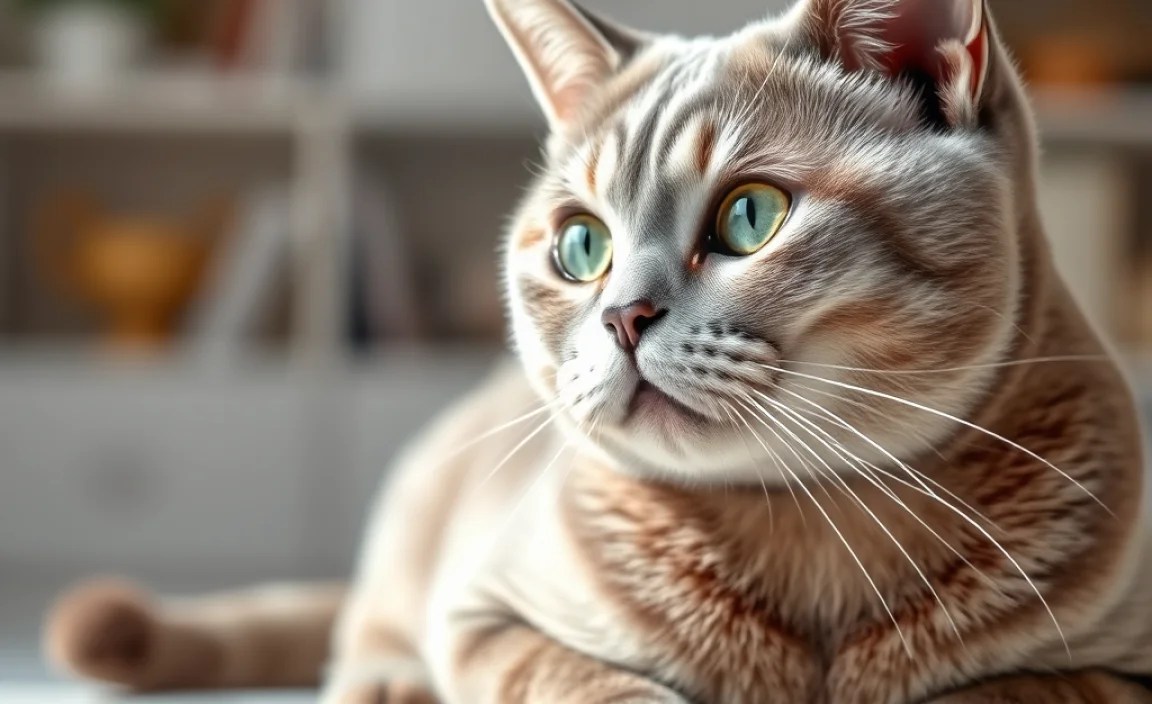
Beyond the steps above, here are some extra tips to help manage joint stiffness in your older British Shorthair:
- Acupuncture: Some cat owners have found acupuncture to be helpful in managing joint pain.
- Herbal Remedies: Certain herbal remedies, like turmeric and ginger, have anti-inflammatory properties that may ease joint stiffness. Always consult your vet before using herbal remedies.
- Weight Management Programs: If your cat is overweight, consider enrolling them in a weight management program with your vet.
- Home Modifications: Make additional modifications to your home to make it easier for your cat to move around, such as adding ramps to furniture or moving food and water bowls to more accessible locations.
FAQ: Joint Stiffness in Older British Shorthairs
Here are some frequently asked questions about joint stiffness in older British Shorthairs.
Q: What is the main cause of joint stiffness in older British Shorthairs?
A: The primary cause is osteoarthritis, a degenerative joint disease where cartilage breaks down, leading to pain and stiffness.
Q: At what age do British Shorthairs typically start showing signs of joint stiffness?
A: Signs of joint stiffness often appear around 7 to 10 years of age, but this can vary depending on individual factors.
Q: Can joint stiffness be completely prevented in older British Shorthairs?
A: While it can’t always be completely prevented, managing weight, providing joint supplements, and creating a comfortable environment can significantly reduce the risk and severity.
Q: Are there specific foods that can help with joint stiffness?
A: Yes, foods rich in omega-3 fatty acids and those formulated for joint health, containing glucosamine and chondroitin, can be beneficial.
Q: How often should I take my older British Shorthair to the vet for joint-related issues?
A: Regular vet check-ups, ideally every 6 months, are crucial for monitoring joint health and addressing any emerging issues promptly.
Q: Is it safe to give human pain medication to my cat for joint stiffness?
A: No, human pain medications can be toxic to cats. Always consult your vet for cat-specific pain relief options.
Q: How can I tell if my cat is in pain from joint stiffness?
A: Signs of pain include reduced activity, difficulty jumping, changes in grooming habits, irritability, limping, and hiding.
Conclusion
Preventing joint stiffness in your older British Shorthair involves a combination of proactive care, environmental adjustments, and regular veterinary attention. By maintaining a healthy weight, providing joint supplements, creating a comfortable environment, and encouraging gentle exercise, you can help your furry friend enjoy a more comfortable and active life in their senior years. Remember to consult your veterinarian for personalized advice and treatment options. Your loving care and attention will make a world of difference in your British Shorthair’s well-being.


