
British Shorthair Multi-Cat Households: The Smart Way

Do you love cats? Have you thought about getting more than one? Some cats get along great. Others do not. What about British Shorthairs? Can they live with other cats? Let’s find out about British Shorthair multi-cat households.
These fluffy cats are popular. They are known for being calm. But every cat is different. Keep reading to learn if a British Shorthair is right for your home. We will explore how they do with other cats. This will help you make a good choice.
Having more than one cat can be fun. It can also be tricky. You need to think about each cat’s needs. This includes their personality. It also includes their space. Getting it right makes for a happy home.
Key Takeaways
- Introducing a British Shorthair to other cats needs patience and care.
- Early socialization is key for British Shorthairs in multi-cat households.
- Provide enough space and resources to avoid competition.
- British Shorthairs are generally calm, but personalities still matter.
- Watch for signs of stress when adding a new cat.
Understanding British Shorthair Temperament

British Shorthairs are known for their easygoing nature. They are often called gentle giants. This makes them good pets. But, does this mean they always get along with other cats? Not always. Each cat has its own personality. Some British Shorthairs love having friends. Others prefer to be the only cat. It is important to know your cat. Watch how they act around other animals. Some signs of a happy cat are purring. They might rub against you. They also might play. Some signs of a stressed cat are hiding. They might hiss. They also might not eat. Knowing these signs helps you keep your cats happy. A happy cat makes a happy home. This is very important in British Shorthair multi-cat households.
- British Shorthairs are usually calm.
- Some cats like friends.
- Watch for signs of stress.
- Happy cats purr and play.
- Stressed cats hide or hiss.
Think about getting a kitten. Kittens often adjust easier. Older cats can be set in their ways. When bringing a new cat home, do it slowly. Keep them separate at first. Let them smell each other under the door. Then, let them see each other for short times. Always watch them. Make sure they are safe. This slow way helps them get used to each other. Remember, every cat is different. Some will become best friends. Others will just learn to live together. The goal is a peaceful home. A peaceful home is a happy home. This is key when considering British Shorthair multi-cat households.
Are British Shorthairs Social?
Are British Shorthairs social butterflies? Well, it depends! Some love attention. They enjoy being around people and other animals. Others are more independent. They are happy just doing their own thing. A cat’s early life matters a lot. Kittens that meet other cats are often more friendly. If a kitten grows up alone, it might be harder for them to share later. Think about where your cat came from. Did they live with other cats? Or were they alone? This can tell you a lot about how they will act. Remember, every cat is unique. Some British Shorthairs will love having a friend. Others will prefer their own space. Pay attention to your cat’s personality.
How Do Kittens Adapt?
Have you ever seen kittens playing together? It’s so cute! Kittens often adapt to new friends faster. They are still learning about the world. This makes them more open to new experiences. If you want a multi-cat household, get a kitten. Getting a kitten is a good idea. Introduce them slowly. Make sure they have good experiences. This will help them grow up to be friendly cats. But, don’t forget older cats. They can still learn to get along. It might just take more time and patience. The most important thing is to be patient. Always be patient with your furry friends.
What About Older Cats?
Older cats can be a bit more set in their ways. Imagine living alone for many years. Then, suddenly, someone new moves in! It can be a big change. Older British Shorthairs might not like a new cat right away. They might need more time to adjust. Be patient with them. Give them their own space. Don’t force them to be friends. Let them get used to each other slowly. Sometimes, older cats and kittens do well together. The kitten might bring some energy into the house. The older cat can teach the kitten some manners. It’s all about finding the right balance. This balance is important for harmonious British Shorthair multi-cat households.
Fun Fact or Stat: Studies show that cats adopted in pairs are less likely to be returned to shelters!
Creating a Cat-Friendly Environment
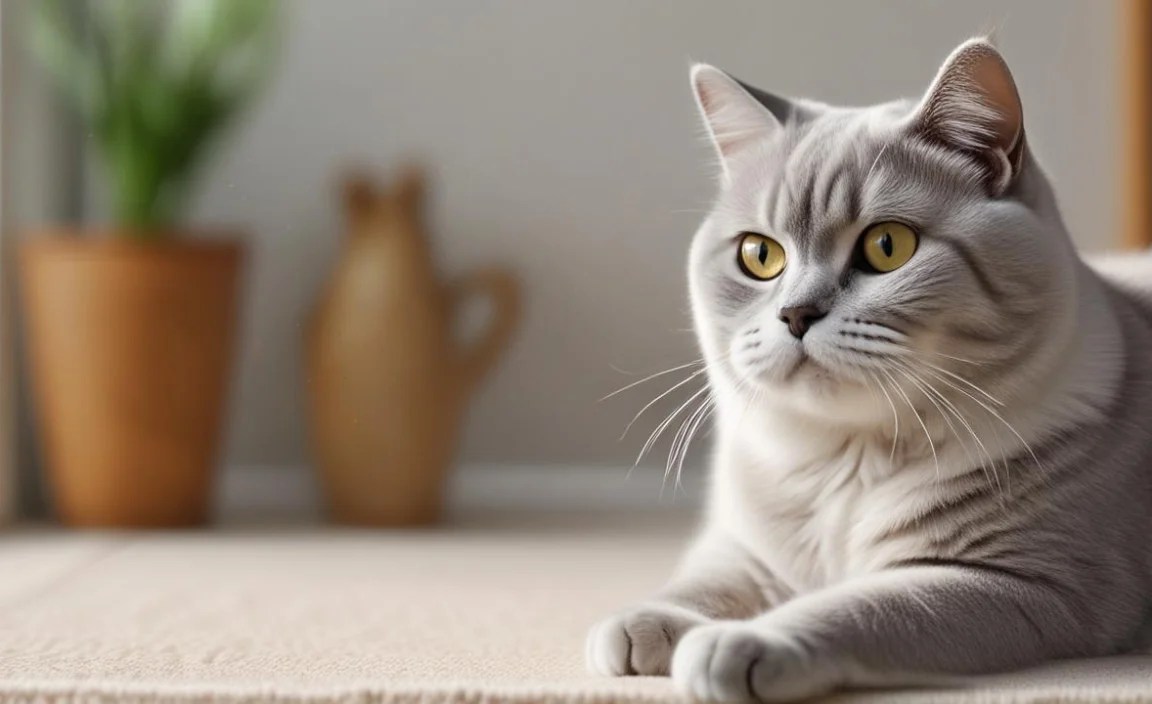
Making your home cat-friendly is very important. This is especially true for British Shorthair multi-cat households. Cats need their own space. They need places to hide. They also need places to climb. Think about adding cat trees. Cats love to climb high. This makes them feel safe. Also, make sure each cat has its own food and water bowls. Sharing can lead to fights. Litter boxes are also important. Have one litter box for each cat. Then add one extra. Clean the litter boxes often. Cats are very clean animals. A clean litter box makes them happy. A happy cat is a good roommate.
- Add cat trees for climbing.
- Give each cat their own bowls.
- Have enough litter boxes.
- Clean litter boxes often.
- Create hiding spots.
Think about vertical space. Cats love to be up high. It gives them a good view. It also makes them feel safe. Put shelves on the walls. Make sure they can jump up easily. Also, think about scratching posts. Cats need to scratch. It keeps their claws healthy. It also marks their territory. If they don’t have a scratching post, they might scratch your furniture. No one wants that! Make sure the scratching post is tall enough. Cats like to stretch when they scratch. A good environment is key. A good environment helps cats get along. This is very important in British Shorthair multi-cat households.
Why is Vertical Space Important?
Have you ever watched a cat climb a tree? They love it! Vertical space is important for cats. It gives them a place to escape. It also lets them watch what’s going on. In a multi-cat household, vertical space can prevent fights. If one cat is feeling stressed, they can go up high. The other cat can’t get to them. This gives them a safe space. Cat trees and shelves are great for this. Make sure they are sturdy. You don’t want the cat to fall. Also, put them in different parts of the house. This gives each cat their own territory.
How Many Litter Boxes Do I Need?
Litter boxes might not be fun to think about. But they are very important! The rule is one litter box per cat, plus one extra. So, if you have two cats, you need three litter boxes. This helps prevent accidents. It also reduces stress. Cats don’t like to share litter boxes. It can make them feel like they are competing. Clean the litter boxes every day. Cats are very clean animals. They don’t want to use a dirty litter box. Put the litter boxes in different places. Don’t put them all in one room. This gives each cat their own private bathroom.
What About Food and Water Bowls?
Imagine having to share your food with someone else. You probably wouldn’t like it! Cats feel the same way. Each cat needs their own food and water bowls. This prevents them from fighting over food. It also lets you monitor how much each cat is eating. If one cat isn’t eating, it could be a sign of a problem. Put the bowls in different places. Don’t put them next to each other. This gives each cat their own eating space. Also, use wide bowls. This prevents their whiskers from touching the sides. Cats don’t like that! Happy cats are well-fed cats.
Fun Fact or Stat: Cats spend about 50% of their day grooming themselves!
Introducing Cats Slowly and Carefully

Introducing cats takes time. It is not something you can rush. This is especially important for British Shorthair multi-cat households. Start by keeping the new cat in a separate room. Let the cats smell each other under the door. Feed them near the door. This helps them make good feelings with each other’s scents. After a few days, let them see each other. Do this for short times. Always watch them. If they fight, separate them right away. Use positive reinforcement. Give them treats when they are calm. This helps them learn to get along. Be patient. It can take weeks or even months for cats to become friends.
- Keep new cats separate at first.
- Let them smell each other.
- Feed them near the door.
- Let them see each other briefly.
- Use positive reinforcement.
When you let them see each other, use a carrier. Put the new cat in a carrier. Let the other cat come up and sniff. This keeps them safe. It also lets them get used to each other slowly. If they do well, let them out for a short time. Always watch them. If they start to fight, put the new cat back in the carrier. Try again later. It is important to go slow. Don’t force them to be friends. Let them get used to each other at their own speed. This will help them have a good relationship. A good relationship makes for a happy home. This is especially true in British Shorthair multi-cat households.
How Long Should the Separation Last?
How long should you keep the cats separate? It depends on the cats! Some cats adjust quickly. Others need more time. A good rule is to keep them separate for at least a few days. Watch how they act under the door. Are they hissing and growling? If so, they need more time. Are they curious and calm? Then you can try letting them see each other. Remember, it’s better to go slow. Rushing things can make the cats stressed. Stressed cats are more likely to fight. Patience is key. Be patient with your furry friends.
What if They Fight?
Fights can happen. It’s important to know what to do. If the cats start to fight, don’t try to break it up with your hands. You could get hurt! Instead, make a loud noise. Clap your hands or yell. This might startle them and stop the fight. You can also throw a blanket over them. This will confuse them and give you a chance to separate them. After the fight, keep them separate for a while. Try introducing them again later. If they keep fighting, talk to a vet. They might have some advice.
Using Scent to Help
Cats use their sense of smell a lot. You can use this to help them get along. Rub a cloth on one cat. Then rub it on the other cat. This will mix their scents. It will help them get used to each other’s smells. You can also use a product called Feliway. It is a synthetic cat pheromone. It can help calm cats down. Spray it in the house. This can help reduce stress. Scent is a powerful tool. Use it to help your cats become friends. This is very helpful in British Shorthair multi-cat households.
Fun Fact or Stat: Cats have about 200 million scent receptors in their noses, while humans have only about 5 million!
Managing Resources and Territory

Cats are territorial. They need their own space. Managing resources is important in British Shorthair multi-cat households. Make sure each cat has its own food and water bowls. Place them in different areas. This prevents competition. Also, have enough litter boxes. One for each cat, plus one extra. Clean them often. Cats are clean animals. They don’t like dirty litter boxes. Provide scratching posts. Cats need to scratch. This marks their territory. If they don’t have a scratching post, they might scratch your furniture. Create vertical space. Cats like to climb high. This gives them a good view. It also makes them feel safe.
| Resource | Why It’s Important | How to Manage |
|---|---|---|
| Food and Water Bowls | Prevents competition and stress. | Provide separate bowls in different areas. |
| Litter Boxes | Maintains hygiene and reduces territorial issues. | Have one per cat plus one extra, clean daily. |
| Scratching Posts | Allows cats to mark territory and maintain claws. | Place multiple posts around the house. |
| Vertical Space | Gives cats a safe space to retreat and observe. | Install cat trees and shelves. |
Think about where you put the resources. Don’t put them all in one place. Spread them out around the house. This gives each cat their own territory. It also reduces stress. If one cat is guarding the food, the other cat might not eat. If the litter boxes are all in one place, one cat might block the other cat from using them. By spreading things out, you can create a more peaceful home. A peaceful home is a happy home. This is especially important in British Shorthair multi-cat households.
Why Separate Feeding Stations?
Imagine trying to eat with someone who keeps stealing your food. You wouldn’t like it! Cats don’t like it either. Separate feeding stations are important. They let each cat eat in peace. This prevents them from feeling stressed. It also lets you monitor how much each cat is eating. If one cat isn’t eating, it could be a sign of a problem. Put the feeding stations in different rooms. This gives each cat their own private dining area. Happy cats are well-fed cats.
How to Handle Resource Guarding?
Resource guarding is when a cat tries to protect its food or toys. This can lead to fights. If you see a cat guarding resources, don’t punish them. This will only make them more stressed. Instead, try to give them more space. If they are guarding food, give them more food. If they are guarding toys, give them more toys. You can also try feeding them in separate rooms. This will help them feel less threatened. Resource guarding can be tricky. But with patience, you can help your cats feel more secure.
Creating Safe Zones
Every cat needs a safe place to retreat. This is especially important in a multi-cat household. A safe zone is a place where the cat can go to be alone. It should be a quiet place where they won’t be bothered. This could be a cat tree, a shelf, or even a cardboard box. Make sure each cat has its own safe zone. Don’t force them to share. Let them go there whenever they feel stressed. This will help them feel more secure. Secure cats are happy cats.
Fun Fact or Stat: A cat’s territory can range from a small room to an entire neighborhood!
Monitoring Cat Interactions and Behavior
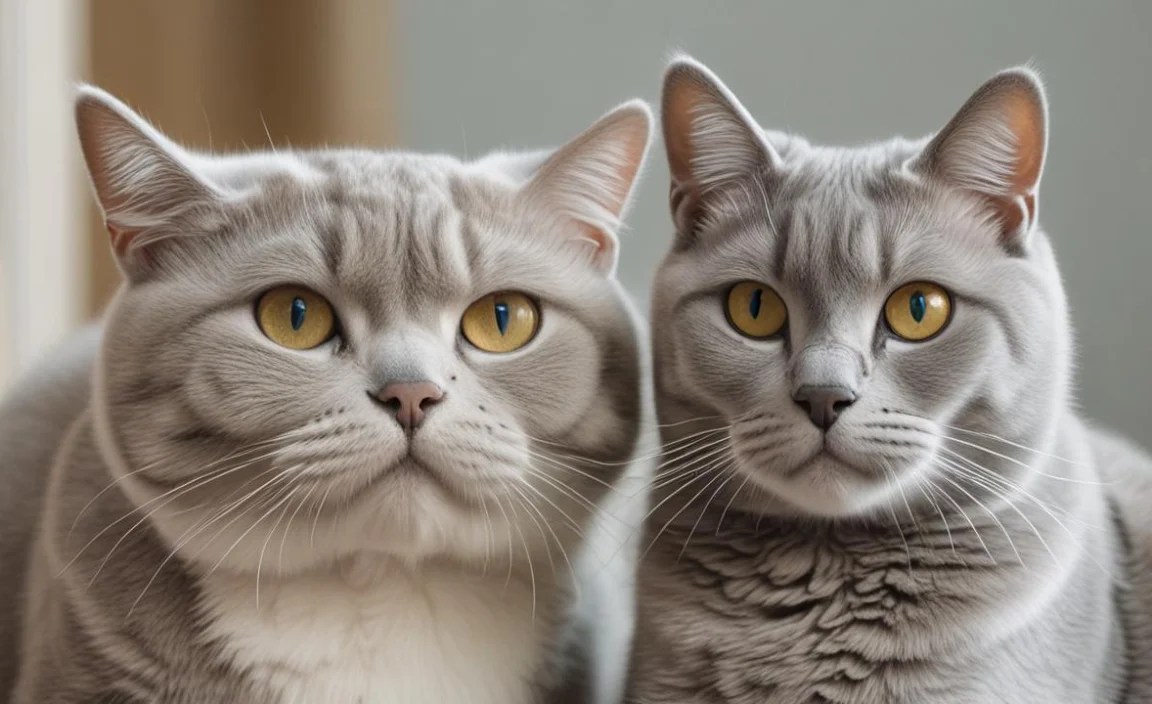
Watching your cats is important. You need to know how they are getting along. This is very important in British Shorthair multi-cat households. Look for signs of stress. These include hiding, hissing, and not eating. Also, watch for signs of aggression. These include chasing, biting, and scratching. If you see these signs, you need to take action. Separate the cats. Give them more space. Try to figure out what is causing the stress. It could be a new cat. It could be a change in the home. It could also be a medical problem. If you are worried, talk to a vet. They can help you figure out what to do.
- Watch for signs of stress.
- Watch for signs of aggression.
- Separate cats if they fight.
- Give them more space.
- Talk to a vet if worried.
Positive interactions are also important. Look for signs of friendship. These include grooming each other. They might rub against each other. They might also play together. If you see these signs, that’s great! It means your cats are getting along. Encourage positive interactions. Give them treats when they are being friendly. Play with them together. This will help them bond. A strong bond makes for a happy home. This is the goal of British Shorthair multi-cat households.
What Are Signs of a Good Relationship?
How do you know if your cats are friends? There are many signs. One sign is grooming. Cats groom each other to show affection. Another sign is rubbing. They might rub their heads against each other. This is a way of sharing scents. They might also sleep near each other. This shows that they feel safe together. Playing together is also a good sign. If your cats are doing these things, they are probably friends. Happy cats make a happy home.
What If One Cat Is Always Bullying the Other?
Bullying is a problem. It can make one cat very stressed. If you see one cat bullying the other, you need to take action. First, separate the cats. Give the bullied cat a safe place to retreat. Then, try to figure out why the bullying is happening. Is the bully cat bored? If so, give them more toys. Are they guarding resources? If so, give them more resources. You might also need to talk to a vet. They can help you figure out if there is a medical reason for the bullying. Bullying is not okay. You need to stop it.
How to Reduce Stress in a Multi-Cat Home?
Reducing stress is key. Stressed cats are more likely to fight. To reduce stress, make sure each cat has its own space. Give them plenty of resources. Clean the litter boxes often. Play with them every day. Use Feliway to help calm them down. And most importantly, be patient. It can take time for cats to adjust to each other. Don’t give up. With patience and care, you can create a happy, stress-free home for your cats. This is very important in British Shorthair multi-cat households.
Fun Fact or Stat: Cats can make over 100 different sounds, while dogs can only make about 10!
Health Considerations for Multiple Cats
Keeping your cats healthy is very important. This is especially true in British Shorthair multi-cat households. Multiple cats can spread illness quickly. Make sure all your cats are vaccinated. Vaccinations protect them from diseases. Also, deworm your cats regularly. Worms can spread easily between cats. Feed them a good quality diet. This will keep them healthy. Watch for signs of illness. These include not eating, vomiting, and diarrhea. If you see these signs, take them to the vet. Early treatment is important. It can prevent serious problems.
- Vaccinate your cats.
- Deworm your cats.
- Feed them a good diet.
- Watch for signs of illness.
- Take them to the vet.
Grooming is also important. Brush your cats regularly. This helps remove loose fur. It also helps prevent hairballs. Hairballs can make cats sick. Check your cats for fleas. Fleas can spread quickly between cats. Treat them if you find any. Keep their living area clean. Clean litter boxes every day. Wash their food and water bowls. A clean environment helps prevent illness. A healthy cat is a happy cat. This is very important in British Shorthair multi-cat households.
How Often Should I Visit the Vet?
Regular vet visits are key. How often should you go? It depends on the cat. Kittens and older cats need to go more often. Adult cats can go once a year. Your vet can tell you how often your cat needs to be seen. Vet visits help catch problems early. They also help keep your cat healthy. Don’t skip vet visits. They are important for your cat’s health. A healthy cat is a happy cat.
Preventing the Spread of Disease
Preventing disease is key in a multi-cat household. One sick cat can quickly spread illness to the others. To prevent this, keep your cats vaccinated. Also, isolate new cats. Keep them separate from the other cats for a few weeks. This will give you time to see if they are sick. If one cat is sick, isolate them right away. Wash your hands after handling a sick cat. This will prevent you from spreading the illness to the other cats. Cleanliness is very important.
What Are Common Health Issues?
There are some common health issues to watch out for. These include upper respiratory infections. These are like colds in humans. They can spread easily between cats. Another common issue is urinary problems. These can be serious. If your cat is having trouble urinating, take them to the vet right away. Dental problems are also common. Brush your cat’s teeth regularly. This will help prevent dental disease. Knowing the common health issues can help you keep your cats healthy.
Fun Fact or Stat: Cats can sleep up to 16 hours a day!
British Shorthairs: Are They Right for You?
British Shorthairs are great cats. But are they right for you? Think about your lifestyle. Are you home a lot? British Shorthairs like attention. Do you have other pets? British Shorthairs can get along with other cats. But it depends on their personality. Think about your home. Do you have enough space? Cats need their own territory. Can you provide that? Think about the cost. Cats need food, litter, and vet care. Can you afford that? If you can answer yes to these questions, a British Shorthair might be right for you. They can be a great addition to any home. Especially in British Shorthair multi-cat households.
- Think about your lifestyle.
- Think about your home.
- Think about the cost.
- Consider their personality.
- Are you ready for a cat?
Talk to breeders. Visit shelters. Meet some British Shorthairs. See if you connect with one. Every cat is different. Find one that matches your personality. Be patient. Finding the right cat takes time. But it is worth it. A cat can bring you years of joy. A cat can be a great friend. A cat can make your house a home. Especially when considering British Shorthair multi-cat households.
What to Ask a Breeder?
Talking to a breeder is important. They can tell you about the cat’s personality. They can also tell you about their health history. Ask about their parents. Were they friendly? Were they healthy? Ask about their socialization. Did they grow up with other cats? This can tell you a lot about how they will act in a multi-cat household. A good breeder will be happy to answer your questions. They want to make sure their cats go to good homes.
Adopting from a Shelter
Adopting a cat from a shelter is a great idea. You are giving a cat a second chance. Shelters have many cats. They come in all shapes and sizes. You can find a British Shorthair at a shelter. But you might not know their history. The shelter can tell you about their personality. They can also tell you about their health. Be patient with a shelter cat. They might need time to adjust to their new home. But they will be grateful for your love.
Are You Ready for the Commitment?
Getting a cat is a big commitment. Cats can live for 15 years or more. You need to be ready to care for them for their whole life. This includes feeding them, cleaning their litter box, and taking them to the vet. It also includes giving them love and attention. Are you ready for that? If so, then you are ready for a cat. A cat can bring you years of joy. A cat can be a great friend. Make sure you are ready for the commitment.
Fun Fact or Stat: The oldest cat on record lived to be 38 years old!
Summary
British Shorthairs can be great pets. They are known for being calm and friendly. But every cat is different. Some British Shorthairs do well with other cats. Others prefer to be alone. Introducing cats slowly is important. Give them their own space. Provide enough resources. Watch for signs of stress. With patience, you can create a happy multi-cat household. Remember to consider each cat’s personality. Also, think about their needs. A happy cat makes a happy home. This is important for successful British Shorthair multi-cat households.
Conclusion
Adding a British Shorthair to your home can be wonderful. They can bring joy and companionship. Think about their personality. Introduce them slowly. Make sure they have their own space. Watch for signs of stress. With patience and care, you can create a happy home. You can successfully manage British Shorthair multi-cat households. Enjoy your furry friends.
Frequently Asked Questions
Question No 1: Are British Shorthairs good with other cats?
Answer: British Shorthairs are generally known for their calm and easygoing nature. This can make them good candidates for living with other cats. However, every cat has a unique personality. Some British Shorthairs might enjoy the company of other feline friends. Others may prefer to be the only cat in the household. Early socialization can play a big role. Kittens that grow up with other cats are often more accepting of them. It’s always important to introduce new cats slowly and carefully. Watch their interactions to ensure they are getting along well. This is especially crucial when integrating them into British Shorthair multi-cat households.
Question No 2: How do I introduce a British Shorthair to my existing cat?
Answer: Introducing a new cat to your existing cat needs time and patience. Start by keeping the new British Shorthair in a separate room. Let them smell each other under the door. After a few days, swap their bedding. This helps them get used to each other’s scents. Then, allow short, supervised visits. Watch their body language closely. If they seem relaxed, gradually increase the time they spend together. Make sure each cat has its own resources. This includes food, water, litter boxes, and toys. This prevents competition and reduces stress. Remember, it can take weeks or even months for cats to fully adjust to each other. Patience is key for successful British Shorthair multi-cat households.
Question No 3: What if my British Shorthair and other cat are fighting?
Answer: If your cats are fighting, it’s important to intervene safely. Never try to break up a fight with your hands. This could result in injury. Instead, make a loud noise to startle them. You could clap your hands or drop a book. Once they are separated, assess the situation. Are they just having a minor disagreement? Or is it a serious fight? If it’s serious, keep them separated for a longer period. Reintroduce them slowly, as if they were meeting for the first time. Make sure they each have their own space and resources. If the fighting continues, consult with a vet. They can help you identify the cause of the aggression. They may also recommend a behaviorist.
Question No 4: How many litter boxes do I need for a multi-cat household?
Answer: A good rule of thumb is to have one litter box per cat, plus one extra. So, if you have two cats, you should have three litter boxes. This gives each cat a place to go. It also reduces the chance of accidents. Place the litter boxes in different locations. Don’t put them all in one room. This allows each cat to have some privacy. Clean the litter boxes regularly. Cats are clean animals. They don’t like using dirty litter boxes. A clean litter box contributes to happy and harmonious British Shorthair multi-cat households.
Question No 5: What are some signs that my cats are stressed?
Answer: Cats show stress in different ways. Some common signs include hiding, hissing, and growling. They might also stop eating or using the litter box. Over-grooming is another sign of stress. They might lick themselves excessively. This can lead to bald spots. Changes in body language can also indicate stress. A stressed cat might have flattened ears. Their tail might be tucked between their legs. If you notice these signs, try to identify the cause. Is there a new cat in the house? Have there been changes in their environment? Once you know the cause, you can take steps to reduce the stress. Keeping an eye on these signs is essential in managing British Shorthair multi-cat households.
Question No 6: What kind of environment is best for British Shorthair multi-cat households?
Answer: The best environment for British Shorthair multi-cat households is one that provides plenty of space and resources. Each cat should have its own food and water bowls. There should be enough litter boxes. Provide scratching posts. Cats need to scratch. This marks their territory. Create vertical space. Cats like to climb high. This gives them a good view. It also makes them feel safe. Offer hiding spots. Cats need a place to retreat when they feel stressed. A cat-friendly environment can prevent fights. It can also promote a sense of calm. A calm environment is key to a happy home. This will ensure your British Shorthair lives happily with other cats.


