
British Shorthair Social Interaction: Easy Guide

Do you know about the British Shorthair cat? These cats are super fluffy and cute. But are they friendly? How do they act with people? Understanding British Shorthair social interaction will help you care for them. Let’s find out more about these amazing cats.
Key Takeaways
- British Shorthairs are calm and independent cats.
- They enjoy gentle playtime but aren’t overly demanding.
- Early socialization makes them better with kids and pets.
- British Shorthair social interaction is usually relaxed and easygoing.
- They show affection in subtle ways like purring and following you.
Understanding British Shorthair Social Interaction

British Shorthairs are known for being calm and easygoing. They are not usually lap cats. But they do enjoy being near their owners. They like to follow you around the house. They might sit next to you on the couch. They show affection in their own way. Understanding British Shorthair social interaction means knowing they are independent. They don’t need constant attention. They are happy to play by themselves. But they also enjoy gentle playtime with you. Use toys like feather wands or laser pointers. This helps them get exercise. It also helps you bond with them. Remember to be patient and gentle. This will help your British Shorthair feel loved and secure.
- They are not very demanding.
- They like to be near you.
- Playtime should be gentle.
- Patience is very important.
- They are happy to play alone.
When you first bring a British Shorthair home, give them space. Let them explore their new surroundings. Don’t force them to interact with you. Once they feel comfortable, they will start to come closer. You can offer them treats or toys. This can help them associate you with positive experiences. Pay attention to their body language. If they seem scared or stressed, back off. Give them more time to adjust. Over time, they will learn to trust you. They will become more affectionate. Remember, every cat is different. Some British Shorthairs might be more social than others. The key is to be patient and understanding. Build a strong bond with your cat. This makes them feel safe and happy.
Fun Fact or Stat: British Shorthairs are often called the “teddy bear” of cats because of their round faces and dense fur!
How Do They Show Affection?
British Shorthairs show affection in subtle ways. They might purr when you pet them. They might rub against your legs. Some might even bring you little gifts. These gifts could be toys or even things they find outside. Pay attention to these small gestures. They are telling you they love you. Do you know that purring is a sign of happiness? When your British Shorthair purrs, it means they are content. Rubbing against your legs is also a sign of affection. They are marking you with their scent. This shows that you are part of their family. If they bring you a toy, it means they want to play. Spend time with your cat every day. This will strengthen your bond.
Do They Like to Cuddle?
Not all British Shorthairs like to cuddle. Some prefer to keep their distance. They might sit next to you on the couch. But they might not want to sit on your lap. Respect their preferences. Don’t force them to cuddle if they don’t want to. You can still show them affection in other ways. Pet them gently. Talk to them in a soft voice. Play with them using their favorite toys. These things will make them feel loved. Remember, every cat is different. Some might become more cuddly over time. Others might always prefer their space. Pay attention to your cat’s body language. This will help you understand what they like and don’t like. This makes them feel safe and happy.
Are They Good Lap Cats?
British Shorthairs are not always good lap cats. They are more independent. They like to be near you. But they might not want to sit on your lap for long periods. Do you know why some cats don’t like laps? It could be because they feel trapped. They want to be able to move freely. British Shorthairs are the same way. They like to have their own space. If your British Shorthair does sit on your lap, enjoy it. But don’t expect it to happen all the time. Appreciate the time you spend together. Whether they are on your lap or just nearby. This makes them feel safe and happy.
British Shorthair Social Interaction with Children

British Shorthairs can get along well with children. But it’s important to teach kids how to treat them gently. Children should not pull their tails or ears. They should not try to pick them up if they don’t want to be held. Supervise young children when they are around the cat. This will help prevent accidents. A British Shorthair might scratch or bite if they feel threatened. Teach your children to respect the cat’s space. Let the cat approach them. This will help the cat feel more comfortable. With patience and understanding, British Shorthairs and children can become great friends. British Shorthair social interaction can be fostered through gentle play.
- Teach kids to be gentle.
- Supervise young children.
- Respect the cat’s space.
- Let the cat approach them.
- Be patient and understanding.
When introducing a British Shorthair to children, do it slowly. Let the cat get used to the children’s scent and sounds. Start with short supervised visits. Gradually increase the time they spend together. Make sure the cat has a safe place to retreat to. This could be a cat tree or a quiet room. If the cat feels scared, they can go there to relax. Reward good behavior. Give the children treats or praise when they are gentle with the cat. This will help them learn how to interact with the cat in a positive way. Remember, it takes time for a cat to adjust to new people. Be patient and understanding. This will help your British Shorthair feel safe and happy.
Fun Fact or Stat: British Shorthairs are known to be patient and tolerant, making them good family pets!
Teaching Children How to Interact
Teaching children how to interact with cats is very important. Show them how to pet the cat gently. Explain that they should never pull the cat’s tail. Tell them not to chase the cat. Cats need their space. Do you remember learning to be gentle with animals? It’s the same for all kids. Teach them to respect the cat’s boundaries. If the cat walks away, let them go. If the cat hisses, leave them alone. Explain that these are signs the cat needs space. By teaching children these things, you can help them build a positive relationship with the cat. This makes them feel safe and happy.
Creating a Safe Space for the Cat
Creating a safe space for the cat is essential. This gives them a place to retreat when they feel overwhelmed. A cat tree is a great option. It allows them to climb and observe from above. A quiet room with a soft bed is also good. Make sure the children know not to disturb the cat in their safe space. This is their special area. It should be a place where they can relax and feel secure. Have you ever wanted your own special place? Cats feel the same way. Give them a safe space. This will make them feel more comfortable in your home. This makes them feel safe and happy.
Supervising Interactions
Supervising interactions between children and cats is crucial. Young children might not understand how to be gentle. They might accidentally hurt the cat. Always be present when children are playing with the cat. This allows you to intervene if necessary. If you see a child being too rough, gently correct them. Show them how to pet the cat properly. Explain why it’s important to be gentle. Are you watching how the cat behaves? If the cat seems scared or stressed, separate them from the children. Give them time to calm down. This makes them feel safe and happy.
British Shorthair Social Skills with Other Pets

British Shorthairs can live peacefully with other pets. Early socialization is key. Introduce them to other animals slowly. Let them sniff each other under the door. Then allow short, supervised visits. Make sure each pet has its own space. They should have their own food and water bowls. They need separate beds. This will help reduce competition and stress. Some British Shorthairs might become friends with other pets. Others might simply tolerate them. It depends on their individual personalities. Understanding British Shorthair social interaction means knowing introductions must be slow and safe.
- Introduce pets slowly.
- Supervise their interactions.
- Give each pet their own space.
- Provide separate food and water.
- Be patient and understanding.
When introducing a British Shorthair to a dog, be extra careful. Dogs can be more energetic. They might chase the cat. This could scare the cat. Choose a dog that is known to be gentle with cats. Keep the dog on a leash during the first few meetings. This will give you more control. If the dog is calm, reward them with treats. If the dog tries to chase the cat, correct them firmly. Over time, they will learn to respect each other’s space. Remember, it takes time for pets to adjust to each other. Be patient and understanding. This will help your British Shorthair feel safe and happy.
Fun Fact or Stat: British Shorthairs are known for their adaptability, often getting along well with dogs and other cats!
Introducing Cats to Dogs
Introducing cats to dogs requires patience. Start by keeping them separate. Let them smell each other under the door. This lets them get used to each other’s scent. Then, allow short, supervised visits. Keep the dog on a leash. Make sure the cat has a place to escape. A high shelf or cat tree works well. Has your friend ever met a new pet? It’s the same idea. Supervise their interactions closely. If the dog chases the cat, correct it. Reward calm behavior. Gradually increase the time they spend together. This helps them learn to live together peacefully.
Introducing Cats to Cats
Introducing cats to cats can be tricky. They are territorial animals. Introduce them slowly. Keep them in separate rooms at first. Swap their bedding. This helps them get used to each other’s scent. Then, allow short, supervised visits. Watch their body language. Are they hissing or growling? If so, separate them. Try again later. If they seem calm, let them explore each other. Provide plenty of resources. Each cat needs its own food, water, and litter box. This reduces competition. With patience, they can become friends. This makes them feel safe and happy.
Managing Conflicts
Managing conflicts between pets is important. If they start fighting, separate them immediately. Use a loud noise to startle them. This can break up the fight. Never try to physically separate them. You could get hurt. After the fight, keep them separate for a while. Let them calm down. Then, reintroduce them slowly. Make sure each pet has its own space. Provide plenty of toys and attention. This reduces jealousy. If the fighting continues, consult a vet or animal behaviorist. They can offer advice. This makes them feel safe and happy.
How Early Socialization Impacts Interaction

Early socialization is very important for British Shorthairs. Kittens that are exposed to different people, animals, and environments grow up to be more well-adjusted. They are less likely to be fearful or aggressive. Socialize your British Shorthair kitten as early as possible. Introduce them to gentle handling. Expose them to different sights and sounds. Take them for car rides. Let them meet new people. This will help them become confident and friendly cats. Early experiences shape British Shorthair social interaction skills later in life.
- Start socialization early.
- Expose them to new things.
- Handle them gently.
- Take them for car rides.
- Let them meet new people.
- Be patient and consistent.
If you adopt an older British Shorthair, socialization is still important. It might take longer for them to adjust. Be patient and understanding. Create a safe and comfortable environment. Let them explore at their own pace. Offer them treats and praise when they show positive behaviors. Don’t force them to interact if they don’t want to. With time and patience, even older cats can learn to be more social. Remember, every cat is different. Some cats might be more naturally social than others. The key is to be patient and understanding. This will help your British Shorthair feel safe and happy.
Fun Fact or Stat: Kittens socialized between 3-16 weeks are more likely to be confident and well-adjusted adults!
Introducing Kittens to New Experiences
Introducing kittens to new experiences is fun. Start with small steps. Let them explore one room at a time. Introduce them to different toys. Play with them using a feather wand. Let them chase a laser pointer. Expose them to different sounds. Play music or the TV at a low volume. Take them for short car rides. This helps them get used to the motion. Have you ever felt scared trying something new? Kittens can feel the same way. Be patient and supportive. This makes them feel safe and happy.
Handling Kittens Gently
Handling kittens gently is essential. Pick them up carefully. Support their body. Don’t squeeze them too tightly. Pet them softly. Avoid pulling their tail or ears. Talk to them in a gentle voice. This reassures them. Do you remember being held as a baby? Kittens need to feel safe and secure. Handle them gently. This helps them build trust. It also helps them bond with you. This makes them feel safe and happy.
Socializing Older Cats
Socializing older cats requires patience. They might be more set in their ways. Start by creating a safe space. Let them adjust to their new home. Offer them treats and praise. Don’t force them to interact. Let them come to you. Introduce them to new people slowly. Have visitors offer them treats. This creates positive associations. It can take time for older cats to adjust. Be patient and understanding. This makes them feel safe and happy.
Addressing Behavioral Issues Affecting Interaction
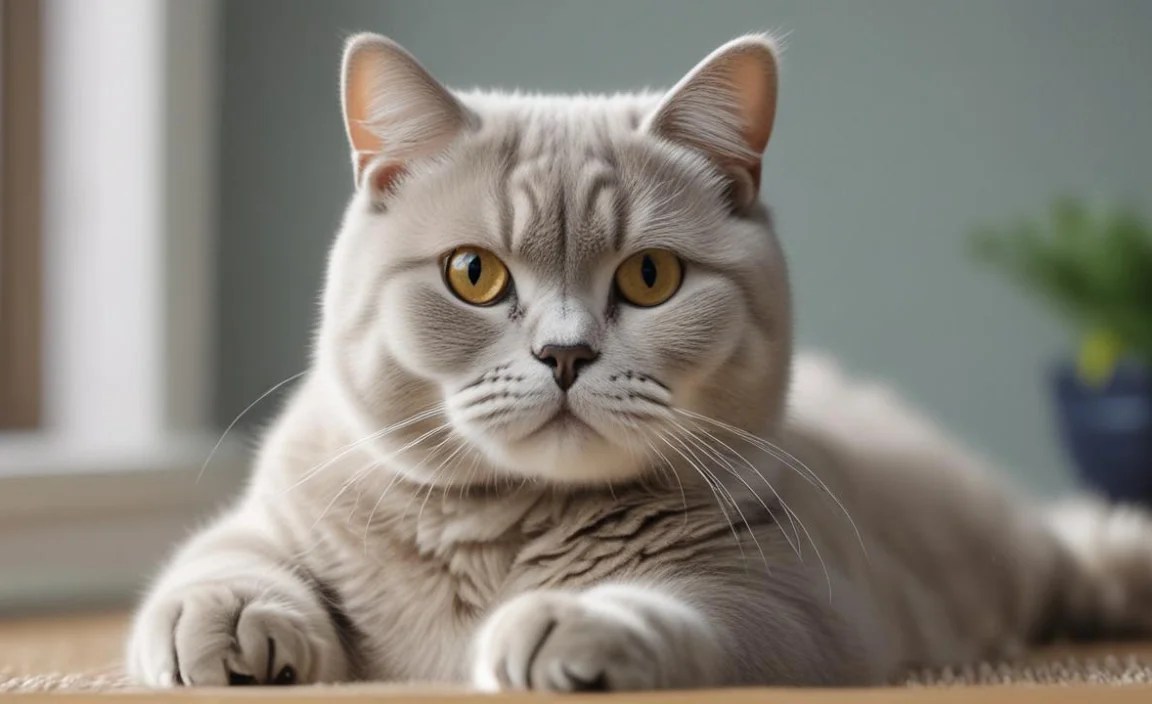
Sometimes, British Shorthairs might have behavioral issues. These issues can affect their social interaction. Common problems include aggression, fearfulness, and anxiety. If you notice these problems, it’s important to address them. Consult with a vet or animal behaviorist. They can help you identify the cause of the problem. They can also recommend treatment options. These options might include medication, training, or environmental changes. Addressing these issues can improve British Shorthair social interaction and overall well-being.
- Identify behavioral issues.
- Consult a vet or behaviorist.
- Consider medication or training.
- Make environmental changes.
- Be patient and consistent.
One common behavioral issue is aggression. This could be directed towards people or other animals. It’s important to find out why the cat is being aggressive. It could be due to fear, pain, or territoriality. Once you know the cause, you can take steps to address it. For example, if the cat is fearful, provide them with a safe space. If the cat is in pain, take them to the vet. If the cat is territorial, provide them with more resources. This could include extra food bowls, litter boxes, and scratching posts. Remember, it takes time to address behavioral issues. Be patient and understanding. This will help your British Shorthair feel safe and happy.
Fun Fact or Stat: Behavioral issues in cats can often be resolved with patience, understanding, and professional help!
Dealing with Aggression
Dealing with aggression requires understanding. Find out why the cat is aggressive. Is it fear? Is it pain? Is it territoriality? Once you know the cause, you can address it. Provide a safe space. Take them to the vet. Provide more resources. Never punish an aggressive cat. This will only make the problem worse. It can also damage your relationship with the cat. Be patient and consistent. This makes them feel safe and happy.
Managing Fearfulness
Managing fearfulness is about building trust. Create a safe and comfortable environment. Let the cat explore at their own pace. Offer them treats and praise. Don’t force them to interact. Speak in a soft voice. Avoid loud noises. Use calming pheromones. These can help reduce anxiety. Be patient and understanding. It takes time for fearful cats to trust. Celebrate small victories. This makes them feel safe and happy.
Reducing Anxiety
Reducing anxiety involves creating a calm environment. Provide a routine. Feed them at the same time each day. Clean their litter box regularly. Play with them daily. Use calming pheromones. These can help reduce stress. Provide a safe space. This gives them a place to retreat. Avoid sudden changes. Cats like routine. If you need to make a change, do it gradually. Be patient and understanding. This makes them feel safe and happy.
Creating the Right Environment for Social Comfort
Creating the right environment is key to British Shorthair social interaction. British Shorthairs need a safe and comfortable home. Provide them with a quiet place to retreat. This could be a cat tree or a cozy bed. Make sure they have access to fresh water and food. Keep their litter box clean. Play with them regularly. This helps them get exercise and bond with you. A stimulating environment keeps them happy and healthy. This helps them feel more comfortable and confident.
- Provide a safe space.
- Keep their litter box clean.
- Play with them regularly.
- Offer fresh water and food.
- Create a stimulating environment.
One way to create a stimulating environment is to provide them with toys. British Shorthairs enjoy playing with a variety of toys. This includes feather wands, laser pointers, and puzzle toys. Rotate their toys regularly. This keeps them interested. You can also provide them with scratching posts. This allows them to scratch and stretch. Scratching is a natural behavior for cats. It helps them keep their claws healthy. It also helps them mark their territory. By providing them with scratching posts, you can protect your furniture. Remember, a happy cat is a social cat. This makes them feel safe and happy.
Fun Fact or Stat: A stimulating environment with toys and scratching posts can significantly improve a cat’s well-being!
Providing Vertical Space
Providing vertical space is important for cats. They like to climb and observe from above. A cat tree is a great way to provide vertical space. It allows them to climb, scratch, and play. Place the cat tree near a window. This gives them a view of the outside world. You can also install shelves on the walls. This creates a cat highway. Cats enjoy exploring these spaces. It gives them a sense of security. This makes them feel safe and happy.
Offering Hiding Places
Offering hiding places is essential for cats. They need a place to retreat when they feel scared or stressed. A cardboard box is a simple hiding place. You can also use a covered cat bed. Place hiding places in different rooms. This gives them options. Cats feel safer when they have places to hide. It reduces their anxiety. This makes them feel safe and happy.
Maintaining a Clean Litter Box
Maintaining a clean litter box is very important. Cats are very clean animals. They don’t like using a dirty litter box. Clean the litter box at least once a day. Change the litter completely once a week. Use a litter that your cat likes. Avoid scented litters. Some cats are sensitive to scents. Place the litter box in a quiet, private location. This makes them feel safe and happy.
Understanding Body Language in Social Contexts
Understanding body language is key to understanding British Shorthair social interaction. Cats communicate through their body language. Pay attention to their ears, tail, and eyes. A happy cat will have relaxed ears. Their tail will be upright. Their eyes will be soft. A scared cat will have flattened ears. Their tail will be tucked. Their eyes will be wide. By learning to read their body language, you can better understand their needs. This helps you create a positive social environment for them.
| Body Language | Meaning |
|---|---|
| Upright Tail | Happy and Confident |
| Tucked Tail | Scared or Anxious |
| Flattened Ears | Aggressive or Fearful |
| Relaxed Ears | Calm and Content |
| Slow Blinking | Affection and Trust |
- Watch their ears.
- Observe their tail.
- Pay attention to their eyes.
- Learn to recognize signs of stress.
- Create a positive social environment.
One important aspect of body language is slow blinking. When a cat slowly blinks at you, it means they trust you. It’s like a cat kiss. You can respond by slowly blinking back. This shows them that you trust them too. Another important sign is purring. Purring usually means the cat is happy. But sometimes it can also mean they are in pain. Pay attention to the context. If they are purring while you are petting them, they are probably happy. If they are purring and hiding, they might be in pain. Remember, body language is just one way cats communicate. Pay attention to their vocalizations as well. This will help you understand them better. This makes them feel safe and happy.
Fun Fact or Stat: A slow blink from a cat is often referred to as a “cat kiss” and is a sign of trust and affection!
Interpreting Tail Signals
Interpreting tail signals is essential. An upright tail means the cat is happy. A twitching tail means they are excited. A tucked tail means they are scared. A puffed-up tail means they are threatened. Pay attention to the position of the tail. It tells you a lot about how the cat is feeling. Are you watching for these signals? This helps you understand them better. This makes them feel safe and happy.
Reading Ear Positions
Reading ear positions is also important. Relaxed ears mean the cat is calm. Ears pointed forward mean they are alert. Flattened ears mean they are aggressive. Ears turned to the side mean they are unsure. Watch the ears closely. They change quickly. This helps you understand them better. This makes them feel safe and happy.
Recognizing Facial Expressions
Recognizing facial expressions can be tricky. Cats have subtle facial expressions. A relaxed face means they are content. A tense face means they are stressed. Wide eyes mean they are scared. Narrowed eyes mean they are angry. Look closely at their face. It tells you a lot about how they are feeling. This helps you understand them better. This makes them feel safe and happy.
Summary
British Shorthairs are known for their calm and independent nature. They enjoy gentle playtime. They are not always lap cats. Early socialization is key to helping them get along with children and other pets. Understanding British Shorthair social interaction involves recognizing their subtle cues. Pay attention to their body language. Provide them with a safe and comfortable environment. Address any behavioral issues that might affect their social skills. With patience and understanding, you can build a strong bond with your British Shorthair.
Conclusion
British Shorthairs are wonderful companions. They are calm, gentle, and affectionate in their own way. Understanding their social needs is important. It helps you provide them with the best possible care. Socialize them early. Create a safe and comfortable environment. Pay attention to their body language. Address any behavioral issues. With patience and understanding, you can enjoy a long and happy relationship. Understanding British Shorthair social interaction makes life better for you and your cat.
Frequently Asked Questions
Question No 1: Are British Shorthairs affectionate?
Answer: Yes, British Shorthairs are affectionate cats. But they show affection in their own way. They might not be lap cats. They like to be near their owners. They will follow you around the house. They might sit next to you on the couch. They will rub against your legs. They will purr when you pet them. These are all signs of affection. Pay attention to these subtle gestures. They are telling you they love you. They might even bring you a toy or a gift as an expression of affection. With patience and understanding, you can build a strong bond with your British Shorthair.
Question No 2: How do I socialize my British Shorthair kitten?
Answer: Socializing your British Shorthair kitten is important. Start early. Expose them to different people, animals, and environments. Handle them gently. Take them for car rides. Let them meet new people. Make sure these experiences are positive. Offer them treats and praise. This helps them associate new experiences with good things. Early socialization helps them become confident and friendly cats. They are less likely to be fearful or aggressive. Remember, every kitten is different. Some might be more naturally social than others. Be patient and understanding. Support their British Shorthair social interaction as they grow.
Question No 3: Are British Shorthairs good with children?
Answer: Yes, British Shorthairs can be good with children. But it’s important to teach children how to treat them gently. Children should not pull their tails or ears. They should not try to pick them up if they don’t want to be held. Supervise young children when they are around the cat. This will help prevent accidents. A British Shorthair might scratch or bite if they feel threatened. Teach your children to respect the cat’s space. Let the cat approach them. With patience and understanding, British Shorthairs and children can become great friends. This is key to positive British Shorthair social interaction.
Question No 4: How do I introduce my British Shorthair to other pets?
Answer: Introducing your British Shorthair to other pets requires patience. Do it slowly. Let them sniff each other under the door. Then allow short, supervised visits. Make sure each pet has its own space. They should have their own food and water bowls. They need separate beds. This will help reduce competition and stress. Some British Shorthairs might become friends with other pets. Others might simply tolerate them. It depends on their individual personalities. Give them the time and space they need to adjust. Supervise interactions to ensure everyone’s safety. This supports positive British Shorthair social interaction with other animals.
Question No 5: What are some common behavioral issues in British Shorthairs?
Answer: Common behavioral issues in British Shorthairs include aggression, fearfulness, and anxiety. If you notice these problems, it’s important to address them. Consult with a vet or animal behaviorist. They can help you identify the cause of the problem. They can also recommend treatment options. These options might include medication, training, or environmental changes. Addressing these issues can improve their social interaction and overall well-being. Remember, patience and understanding are key to helping your cat overcome these challenges. A vet can give you tailored information on improving British Shorthair social interaction if these problems arise.
Question No 6: How can I create a stimulating environment for my British Shorthair?
Answer: Creating a stimulating environment is important for British Shorthairs. Provide them with a variety of toys. This includes feather wands, laser pointers, and puzzle toys. Rotate their toys regularly. This keeps them interested. You can also provide them with scratching posts. This allows them to scratch and stretch. Vertical space is also important. A cat tree is a great way to provide vertical space. Place it near a window. This gives them a view of the outside world. These changes can positively impact British Shorthair social interaction and happiness.


