
British Shorthair Origin: Uncover the Amazing Story

Do you love fluffy, round-faced cats? Have you ever seen a British Shorthair? These cats are super popular. They look like teddy bears. Their history is quite interesting. Let’s find out about the British Shorthair origin!
British Shorthairs are calm and friendly. They make great pets. But where did they come from? How did they become so loved? Get ready to explore their amazing past.
These cats have a cool story. It goes back a long time. You might be surprised by what we find. So, let’s dive in and discover more!
Key Takeaways
- The British Shorthair origin traces back to Roman times in Great Britain.
- These cats are known for their calm, affectionate, and adaptable personalities.
- British Shorthairs have a dense coat and a distinctive round face.
- Selective breeding refined their breed standards in the 19th century.
- They are one of the oldest and most popular cat breeds in the world.
Uncovering the British Shorthair Origin

The British Shorthair origin is a fascinating tale that begins in ancient times. Imagine Roman soldiers marching into Great Britain. They brought cats with them. These cats were working cats. They kept Roman camps free of mice and rats. Over time, these cats mixed with local wild cats. This mixing created a new kind of cat. These cats were strong and good at surviving. They adapted to the British climate. They developed a thick coat to keep warm. These early cats were the ancestors of today’s British Shorthairs. It’s amazing to think these cute, cuddly cats have such a practical beginning. They were not always pampered pets. They were tough, working animals. Their journey from Roman camps to our homes is quite remarkable.
- Romans brought cats to Britain.
- These cats controlled pests.
- They mixed with local wild cats.
- British Shorthairs developed thick coats.
- They adapted to the British climate.
As centuries passed, these cats continued to thrive in Britain. They were valued for their hunting skills. Farmers and townspeople kept them around to protect their food stores. These cats were not just useful. People also began to appreciate their appearance. They noticed their round faces and sturdy bodies. These cats were different from other cats. People started to breed them selectively. They wanted to enhance their best features. This marked the beginning of the British Shorthair as a distinct breed. Their early history is a story of survival and adaptation. They went from Roman working cats to beloved British companions. Their journey shows how animals can change and evolve over time. They are a testament to the power of natural selection and human influence.
Fun Fact or Stat: British Shorthairs are sometimes called the “British Blue” because blue-gray is a very common color for their fur.
How Did Roman Cats Adapt?

How did these Roman cats change to survive in Britain? The climate in Britain is much cooler than in Rome. The cats needed to adapt to the cold weather. Over many generations, their fur grew thicker. This helped them stay warm in the winter. They also became more muscular. This made them better hunters. The local wild cats also played a role. When the Roman cats mixed with the wild cats, their genes combined. This created cats that were even better suited to the British environment. It’s a great example of how animals can change to survive. These changes weren’t planned. They happened slowly over time. But they were essential for the survival of the British Shorthair ancestors.
What Role Did Farmers Play?

Farmers played a big role in the history of British Shorthairs. Farmers needed cats to protect their crops and food stores. Mice and rats could eat a lot of grain. Cats were a natural way to control these pests. Farmers chose the best hunters to keep around. They also liked cats that were strong and healthy. Over time, this selective breeding helped to shape the British Shorthair breed. Farmers may not have known they were creating a new breed. But their actions had a big impact. They valued cats that were good at their jobs. This helped the British Shorthair develop into the cat we know today. It’s a great example of how humans and animals can work together.
Why Were They Called “Working Cats?”

The term “working cats” describes the job these cats did. They weren’t just pets. They had a very important job to do. They controlled pests. They kept mice and rats away from food and crops. This was especially important in the past. People didn’t have the same ways to store food that we do today. Cats were essential for protecting food supplies. They worked hard every day. They hunted and killed pests. This helped to keep people healthy and fed. Calling them “working cats” shows how valuable they were. It reminds us that cats haven’t always been pampered pets. They have a long history of helping humans.
The Role of Harrison Weir

Harrison Weir played a vital role in shaping the British Shorthair origin story. He is often called the “Father of the Cat Fancy.” In the 19th century, Weir organized the first cat shows in England. He wanted to create standards for different cat breeds. The British Shorthair was one of the first breeds he recognized. Weir wrote books about cats. He described the ideal British Shorthair. He set guidelines for their appearance and temperament. His work helped to popularize the breed. He encouraged breeders to focus on specific traits. This led to the British Shorthair becoming more refined. Weir’s influence is still felt today. He helped transform the British Shorthair from a common working cat into a beloved show cat. His vision and dedication shaped the breed’s future.
- Harrison Weir organized the first cat shows.
- He created breed standards.
- He wrote about the ideal British Shorthair.
- Weir helped popularize the breed.
- He is known as the “Father of the Cat Fancy.”
Weir’s cat shows were a big hit. People came from all over to see the different breeds. The British Shorthair quickly became a favorite. Its round face and sturdy build were appealing. Weir’s standards helped breeders to improve the breed. They focused on traits like coat color and eye color. They also worked to maintain the breed’s calm and friendly temperament. Weir’s efforts helped to elevate the British Shorthair. It went from being a common cat to a prized show animal. His legacy is still evident today. The British Shorthair remains one of the most popular breeds in the world. Its distinctive appearance and gentle personality are a testament to Weir’s vision.
Fun Fact or Stat: Harrison Weir not only created breed standards but also judged the cats at the early cat shows!
Why Were Cat Shows Important?

Cat shows were important for several reasons. They gave breeders a place to show off their cats. This helped to raise awareness of different breeds. Cat shows also created competition. Breeders wanted to win prizes. This encouraged them to improve their breeding programs. The shows also allowed people to see and learn about different cats. This helped to increase the popularity of cats as pets. Harrison Weir’s cat shows were especially important. They helped to standardize breeds. This made it easier to tell the difference between different types of cats. Cat shows played a big role in the development of the modern cat breeds we know today.
How Did Weir Influence Breeders?

Harrison Weir influenced breeders in many ways. He created standards for each breed. This gave breeders a clear goal to aim for. He also wrote about the ideal traits of each breed. This helped breeders to understand what to look for. Weir’s cat shows also created a community of breeders. They could share ideas and learn from each other. The competition at the shows also motivated breeders. They wanted to produce the best cats possible. Weir’s influence was very strong. He helped to shape the direction of cat breeding in the 19th century. His work laid the foundation for the modern cat breeds we know and love today.
What Were the Early Breed Standards?

The early breed standards were guidelines for how a cat should look and act. Harrison Weir created these standards for the British Shorthair. He described the ideal coat color, eye color, and body shape. He also emphasized the importance of a calm and friendly temperament. The standards helped breeders to focus on specific traits. For example, Weir preferred cats with round faces and sturdy bodies. He also liked cats with dense, plush coats. The early standards were not as detailed as modern standards. But they provided a starting point for breeders. They helped to create a more consistent and recognizable breed. These standards were essential for the development of the British Shorthair.
The British Shorthair During Wartime

World War I and World War II had a big impact on the British Shorthair origin and its survival. During these wars, resources were scarce. People had less money to spend on things like cat food. Many cat breeders had to stop breeding. Some cats were even euthanized because people could not care for them. The British Shorthair population declined sharply. After the wars, breeders worked hard to rebuild the breed. They sometimes had to crossbreed with other cats. This helped to increase the gene pool. But it also meant that some British Shorthairs lost their distinctive traits. It took many years to restore the breed to its former glory. The wartime period was a difficult time for the British Shorthair. But thanks to the dedication of breeders, the breed survived.
- Wars caused a decline in the breed.
- Resources were scarce during wartime.
- Breeders stopped breeding cats.
- Some cats were euthanized.
- Crossbreeding helped rebuild the breed.
The post-war effort to revive the British Shorthair was challenging. Breeders had to carefully select cats for breeding. They wanted to preserve the breed’s distinctive features. They also needed to increase the number of cats. This required careful planning and dedication. Some breeders used French Chartreux cats in their breeding programs. This helped to improve the breed’s health and genetic diversity. However, it also meant that some British Shorthairs had traits from the Chartreux. Over time, breeders were able to refine the breed again. They focused on producing cats that met the original breed standards. The British Shorthair’s survival is a testament to the resilience of the breed and the dedication of its breeders.
Fun Fact or Stat: Some breeders used French Chartreux cats to help rebuild the British Shorthair population after the World Wars.
How Did War Affect Cat Breeding?
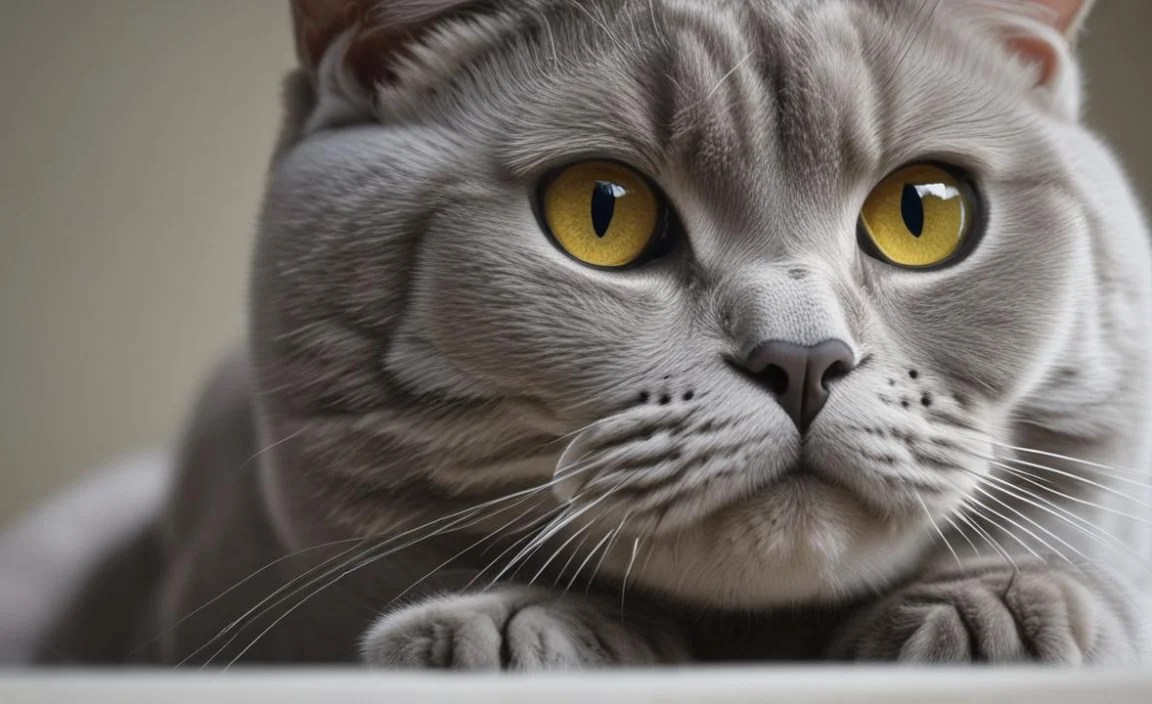
War affected cat breeding in many ways. Resources were scarce. People had less money to spend on non-essentials. This meant that many breeders could no longer afford to keep their cats. Food was rationed. It was hard to get enough food for both people and animals. Many breeders had to make difficult choices. Some had to give up their cats. Others had to euthanize them. The war also disrupted breeding programs. It was hard to find suitable mates for the cats. Transportation was difficult. This made it hard to move cats around. The war had a devastating impact on cat breeding. Many breeds suffered significant losses.
Why Was Crossbreeding Necessary?
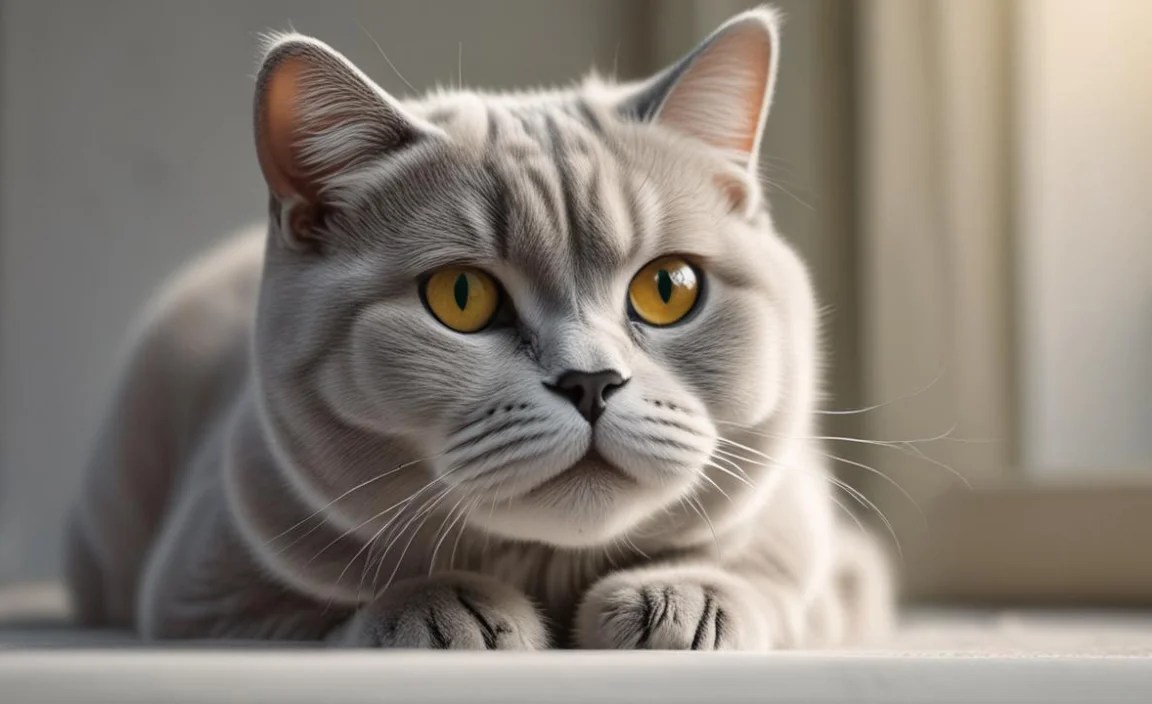
Crossbreeding was necessary to increase the gene pool. The British Shorthair population had declined so much. There was a risk of inbreeding. Inbreeding can lead to health problems. It can also reduce the breed’s genetic diversity. Crossbreeding with other breeds helped to address these problems. It introduced new genes into the British Shorthair population. This made the breed healthier and more resilient. However, crossbreeding also had its drawbacks. It could dilute the breed’s distinctive traits. Breeders had to carefully select which breeds to cross with. They also had to work hard to preserve the British Shorthair’s unique characteristics.
What Challenges Did Breeders Face?

Breeders faced many challenges after the war. The British Shorthair population was small. It was hard to find healthy cats to breed. Many cats had been lost during the war. Others had been crossbred with other breeds. Breeders had to carefully select cats that still met the breed standards. They also had to deal with limited resources. Food and supplies were still scarce. It was hard to afford the things they needed to care for their cats. Despite these challenges, breeders were determined to rebuild the breed. They worked hard to preserve the British Shorthair’s unique characteristics. Their dedication paid off. The British Shorthair is now one of the most popular breeds in the world.
Popularity and Recognition Today
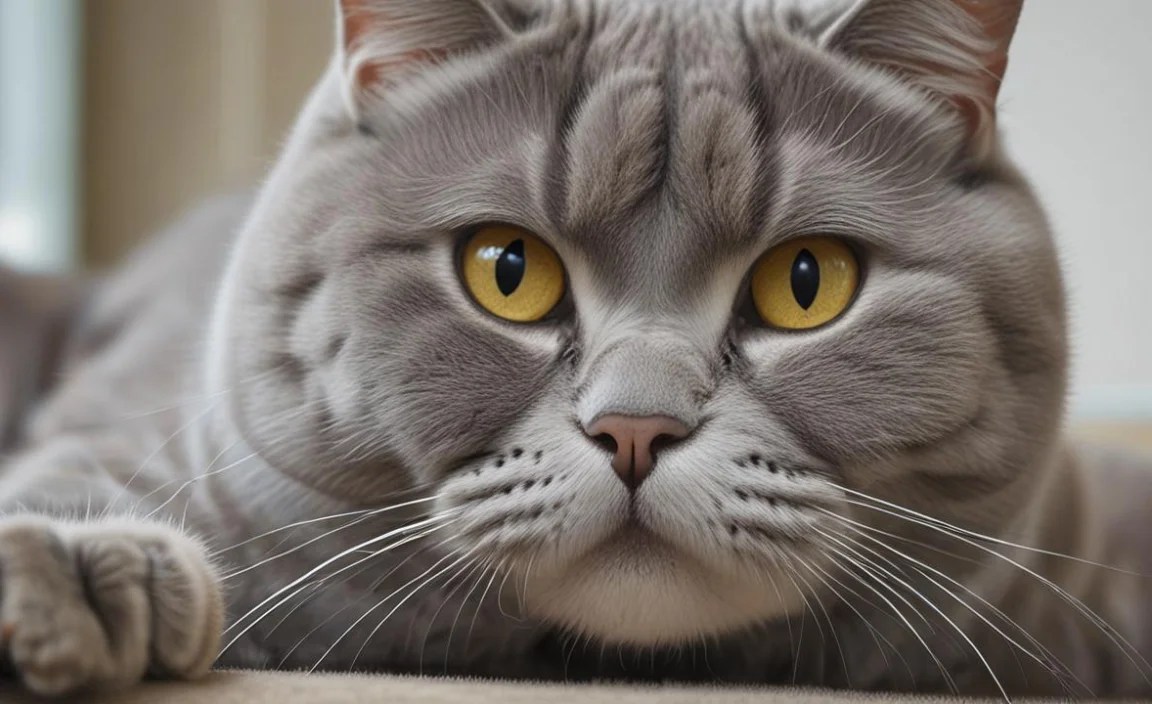
Today, the British Shorthair enjoys worldwide popularity. Its British Shorthair origin story is well-known and celebrated. Cat registries around the world recognize the breed. These include the Cat Fanciers’ Association (CFA) and The International Cat Association (TICA). The British Shorthair is known for its gentle temperament and adaptability. It makes a wonderful family pet. Its distinctive appearance, with a round face and plush coat, is also highly appealing. The breed’s popularity has led to increased demand. Breeders are working hard to meet this demand while maintaining breed standards. The British Shorthair’s future looks bright. It will continue to be a beloved companion for many years to come.
- The breed is popular worldwide.
- Cat registries recognize the breed.
- They are known for a gentle nature.
- British Shorthairs are adaptable.
- They make great family pets.
The British Shorthair’s popularity is due in part to its easy-going personality. They are known for being calm and affectionate. They get along well with children and other pets. They are also relatively low-maintenance. They don’t require a lot of grooming. Their adaptability makes them suitable for a variety of living situations. They can thrive in apartments or houses. Their popularity has also been boosted by their appearance in movies and advertisements. These appearances have helped to introduce the breed to a wider audience. The British Shorthair’s combination of beauty and personality has made it a favorite among cat lovers around the world.
Fun Fact or Stat: The British Shorthair is consistently ranked as one of the most popular cat breeds by cat registries worldwide.
What Makes Them Good Pets?
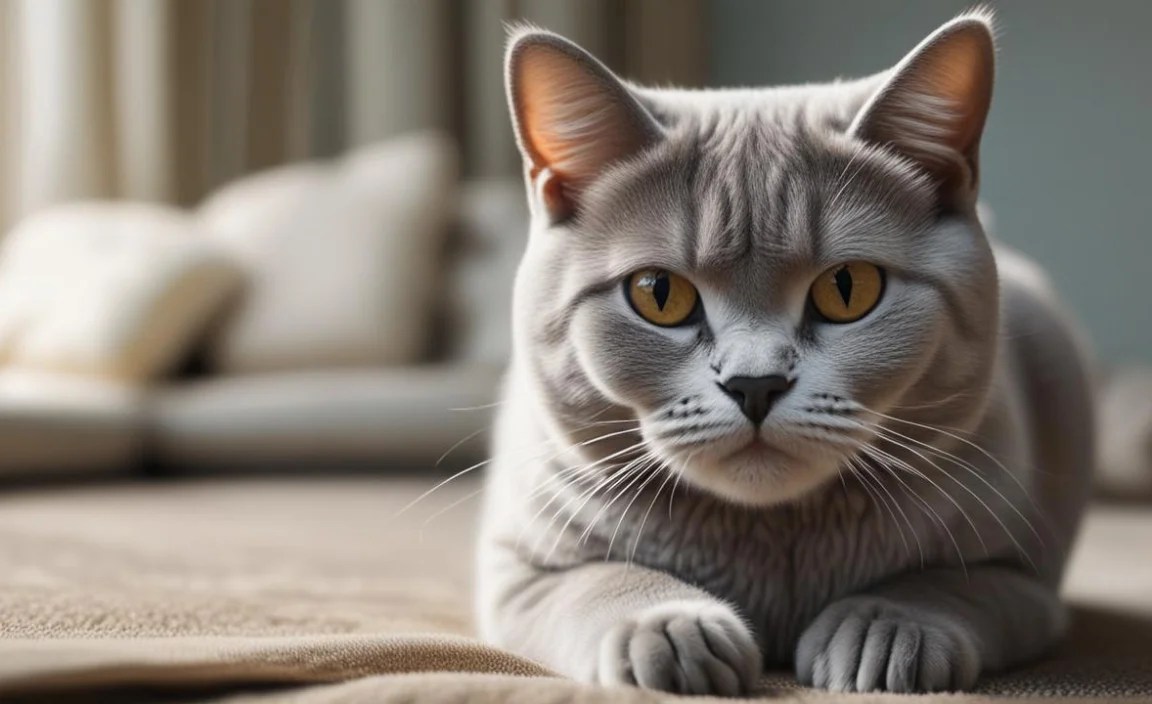
British Shorthairs make good pets for many reasons. They are known for their calm and gentle nature. They are affectionate but not overly demanding. They enjoy spending time with their families. They are also relatively independent. They don’t need constant attention. This makes them a good choice for people who work or have busy lives. They are also good with children. They are patient and tolerant. They get along well with other pets. They are adaptable to different living situations. They can thrive in apartments or houses. Their easy-going personality makes them a joy to have around.
How Do Registries Help the Breed?
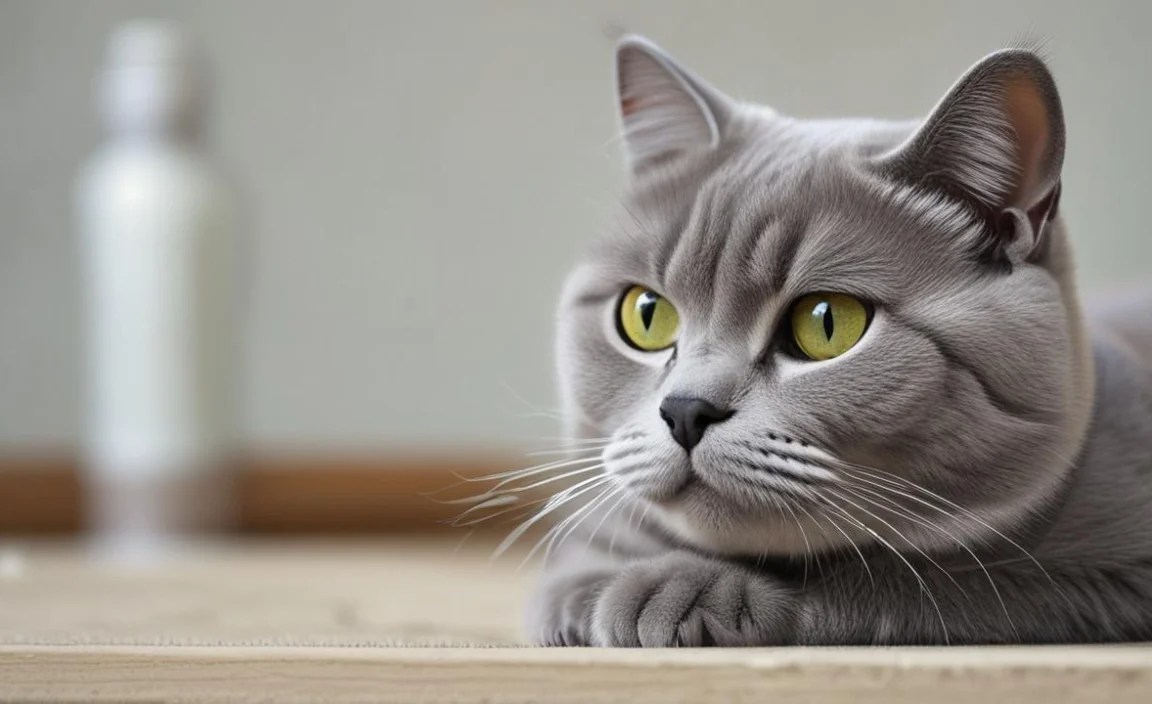
Cat registries play an important role in helping the breed. They set standards for the breed. This helps to ensure that British Shorthairs maintain their distinctive traits. Registries also keep track of pedigrees. This helps to prevent inbreeding. They provide information and resources for breeders. This helps them to improve their breeding programs. Registries also promote the breed to the public. This helps to increase its popularity. By setting standards, tracking pedigrees, and providing resources, cat registries help to ensure the health and well-being of the British Shorthair breed.
What Colors Do They Come In?

British Shorthairs come in a wide variety of colors. The most well-known color is blue-gray. But they can also be found in other colors. These include white, black, cream, and chocolate. They can also have tabby patterns. These patterns can be classic, mackerel, or ticked. Some British Shorthairs are bi-color. This means they have two colors. The most common bi-color combination is white with another color. The variety of colors and patterns makes the British Shorthair even more appealing. Each cat is unique. Their coat color is just one of the many things that make them special.
British Shorthair Traits and Characteristics

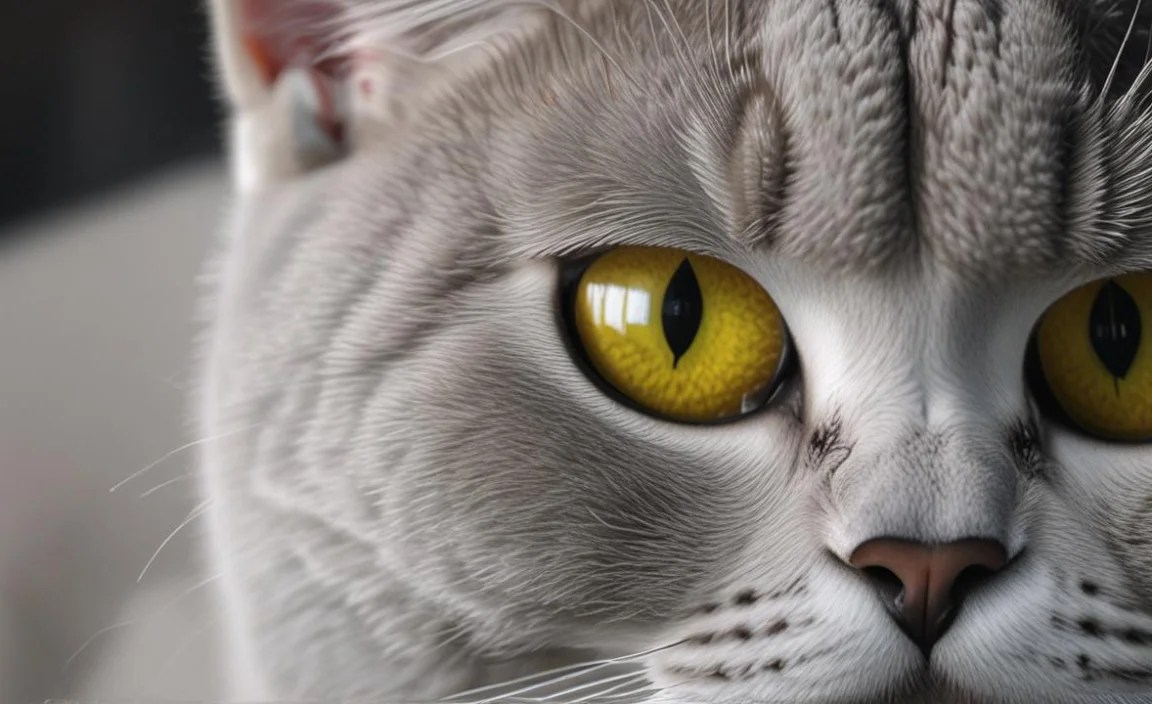
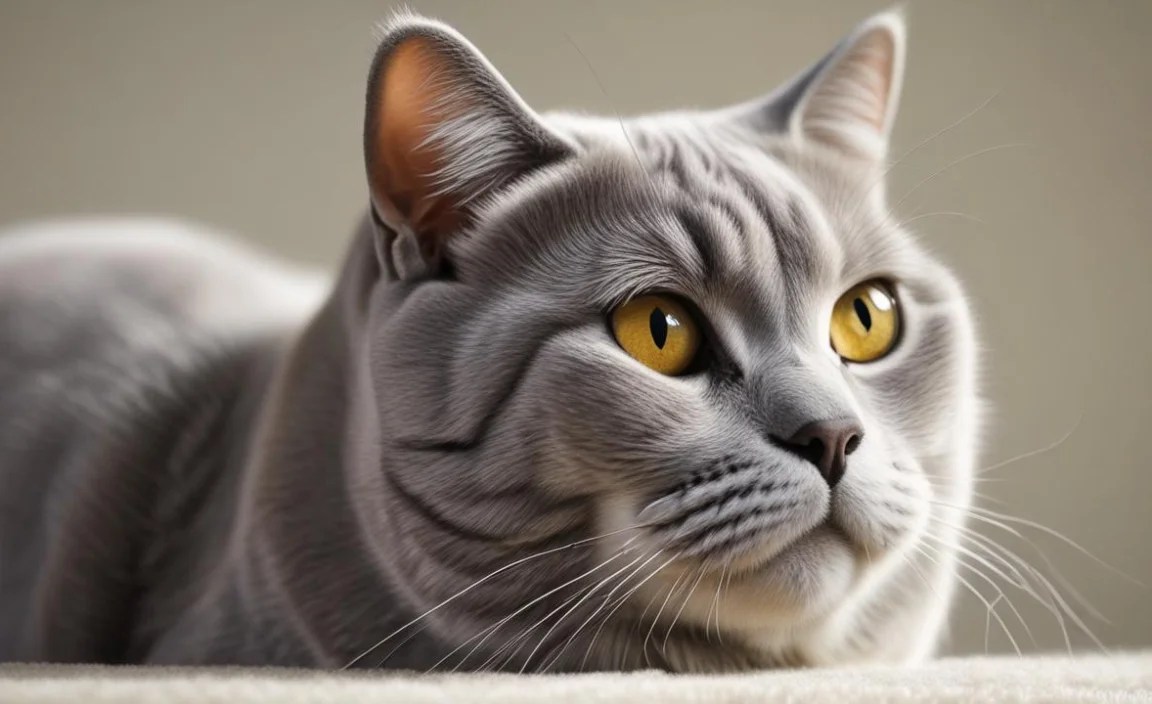
British Shorthairs have many distinctive traits. These traits contribute to their appeal. Their round face is one of their most recognizable features. They also have a sturdy, muscular body. Their coat is dense and plush. It feels soft to the touch. Their eyes are large and round. They come in a variety of colors. Their temperament is calm and gentle. They are known for being affectionate and adaptable. These traits have been carefully preserved by breeders. They have made the British Shorthair a beloved breed around the world. Understanding these traits helps us appreciate the British Shorthair origin and development.
- They have a round face.
- British Shorthairs have a sturdy body.
- Their coat is dense and plush.
- They have large, round eyes.
- They are calm and gentle.
- British Shorthairs are affectionate.
The British Shorthair’s appearance is often described as teddy bear-like. This is due to their round face and soft, plush coat. Their sturdy body gives them a solid, substantial feel. Their eyes are expressive. They convey a sense of intelligence and curiosity. Their temperament is well-suited to family life. They are patient and tolerant. They enjoy being petted and cuddled. They are also relatively quiet cats. They don’t tend to be overly vocal. Their combination of physical and personality traits makes them a popular choice for cat lovers. They are a breed that is both beautiful and easy to live with.
Fun Fact or Stat: The dense coat of the British Shorthair requires regular grooming to prevent mats and tangles.
What Is Their Coat Like?

Their coat is one of the most distinctive features of the British Shorthair. It is dense and plush. It feels soft and luxurious to the touch. The coat is also relatively short. This makes it easier to care for than some other long-haired breeds. The density of the coat helps to protect the cat from the cold. It also gives them a rounded appearance. The coat comes in a wide variety of colors and patterns. This adds to the breed’s appeal. Regular grooming is important to keep the coat in good condition. Brushing helps to remove loose hair and prevent mats. A well-groomed British Shorthair is a beautiful sight to behold.
How Big Do They Get?
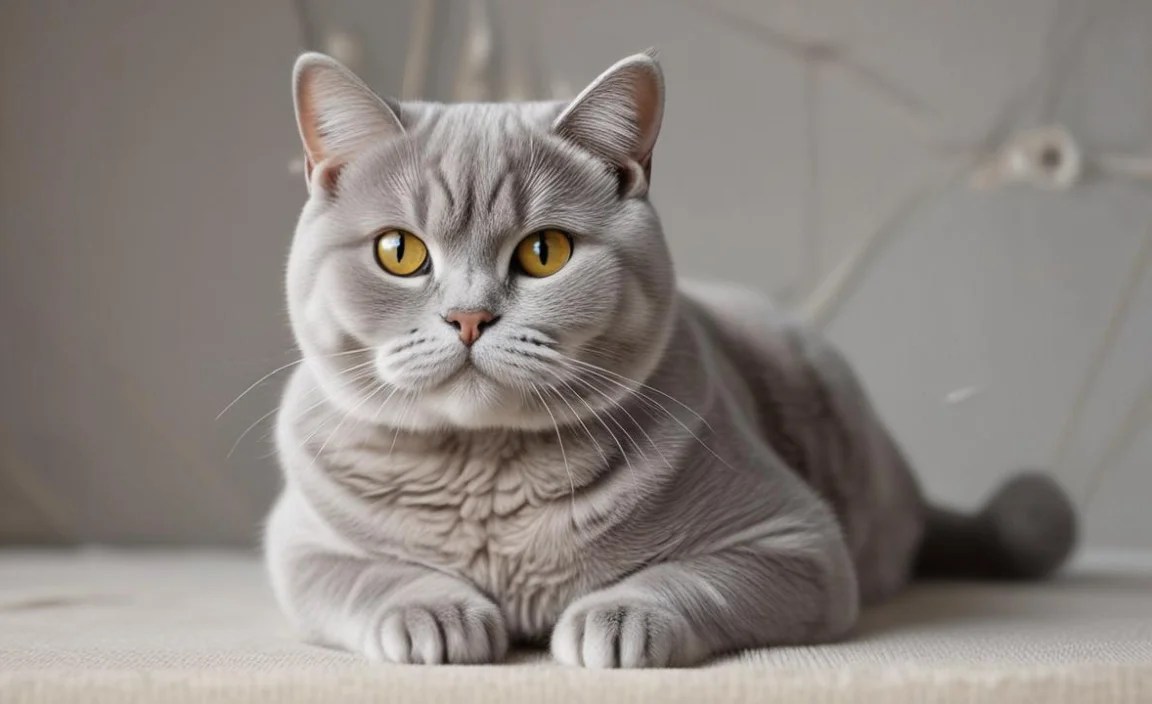
British Shorthairs are medium to large-sized cats. Males tend to be larger than females. On average, they weigh between 9 and 17 pounds. They have a sturdy, muscular build. This gives them a solid, substantial feel. They are not as long and slender as some other breeds. Their body is more compact and rounded. They reach their full size around 3 to 5 years of age. They are a relatively slow-maturing breed. Their size and build contribute to their teddy bear-like appearance. They are a breed that is both cuddly and strong.
What Is Their Temperament Like?

Their temperament is one of the things that makes them so popular. They are known for being calm and gentle. They are affectionate but not overly demanding. They enjoy spending time with their families. They are also relatively independent. They don’t need constant attention. This makes them a good choice for people who work or have busy lives. They are good with children. They are patient and tolerant. They get along well with other pets. They are adaptable to different living situations. Their easy-going personality makes them a joy to have around. They are a breed that is both loving and low-maintenance.
Health Considerations for British Shorthairs

Like all breeds, British Shorthairs have some health considerations. It is important to be aware of these. This can help you provide the best care for your cat. One common health issue is hypertrophic cardiomyopathy (HCM). This is a heart condition. It can be screened for with regular checkups. Another potential issue is polycystic kidney disease (PKD). This is a genetic condition. Responsible breeders screen for it. British Shorthairs can also be prone to obesity. It is important to feed them a healthy diet and provide plenty of exercise. By being aware of these health considerations, you can help your British Shorthair live a long and healthy life. This knowledge adds to our understanding of the British Shorthair origin and responsible breeding practices.
- HCM is a potential heart issue.
- PKD is a genetic kidney disease.
- They can be prone to obesity.
- Regular vet checkups are important.
- A healthy diet is essential.
Choosing a reputable breeder is important. Good breeders screen their cats for genetic diseases. This helps to reduce the risk of your cat developing these conditions. It is also important to provide your British Shorthair with a healthy lifestyle. This includes a balanced diet, regular exercise, and plenty of fresh water. Regular vet checkups are also essential. Your vet can help to detect and treat any health problems early. With proper care and attention, your British Shorthair can live a long and happy life. They can bring you many years of companionship and joy. Their health is just as important as their appearance and personality.
Fun Fact or Stat: British Shorthairs have an average lifespan of 12-15 years with proper care and a healthy lifestyle.
What Is HCM?
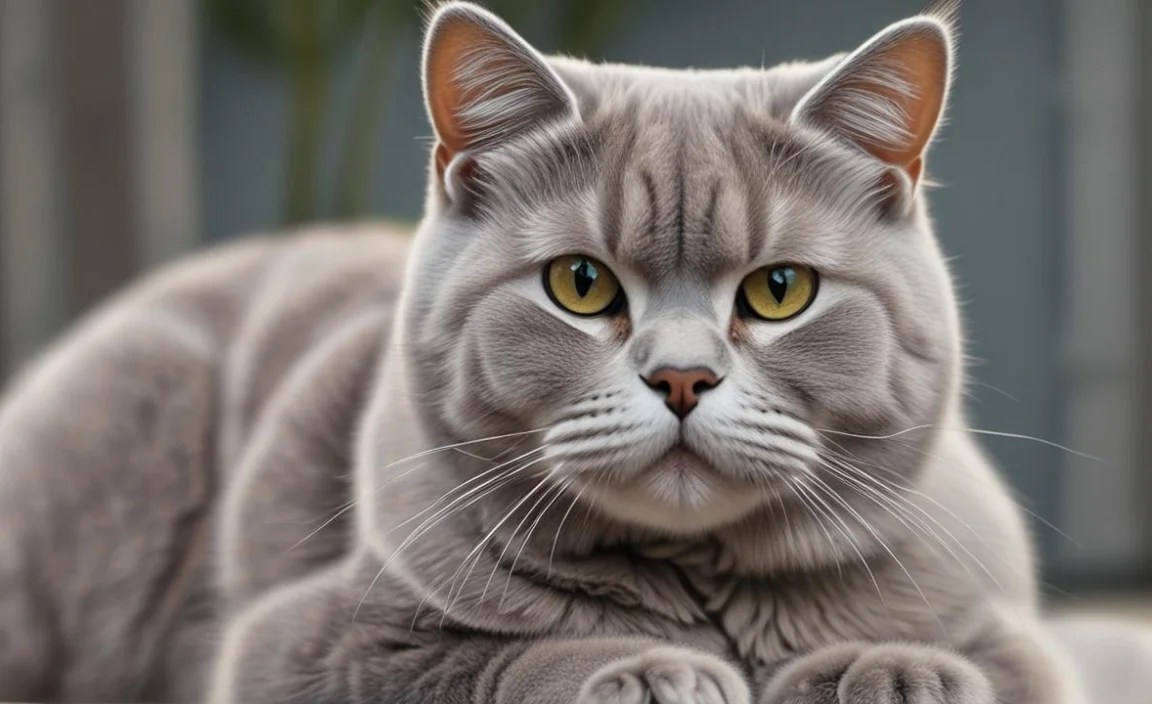
HCM stands for hypertrophic cardiomyopathy. It is a common heart condition in cats. It causes the heart muscle to thicken. This can make it harder for the heart to pump blood. In some cases, it can lead to heart failure. There is no cure for HCM. But it can be managed with medication. Regular screening is important. This can help to detect the condition early. This allows for prompt treatment. Breeders should screen their cats for HCM. This helps to reduce the risk of passing the condition on to kittens. HCM is a serious condition. But with proper care, cats with HCM can still live long and happy lives.
What Is PKD?
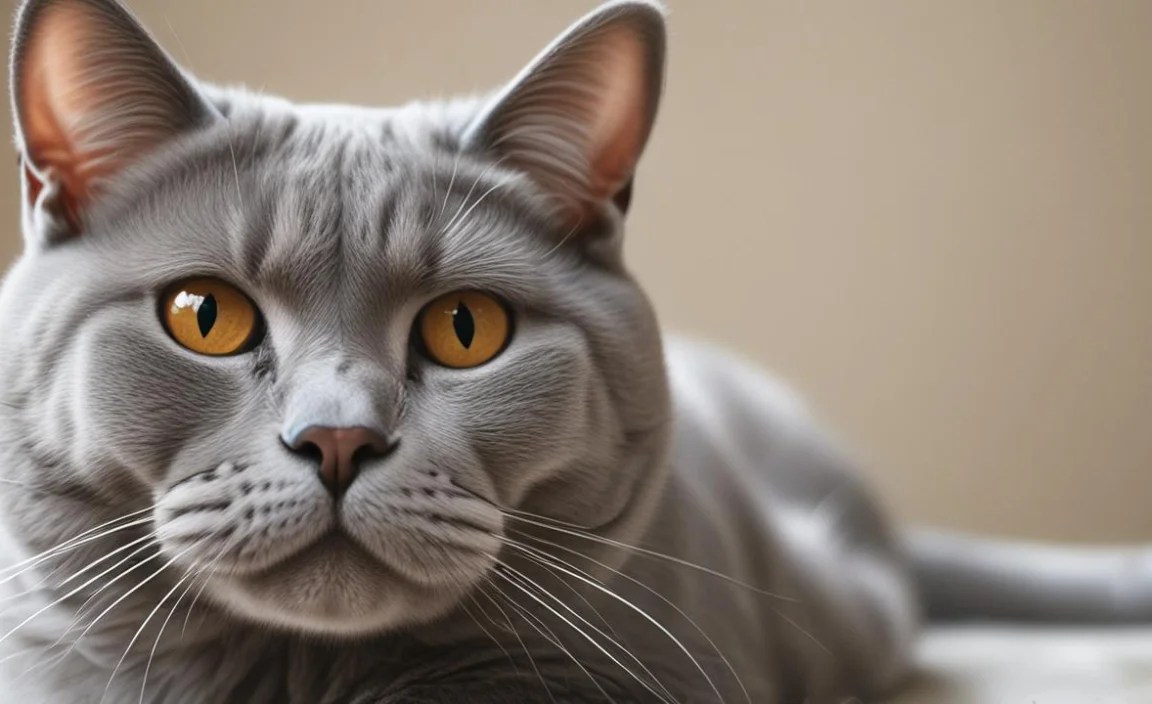
PKD stands for polycystic kidney disease. It is a genetic condition. It causes cysts to form on the kidneys. These cysts can grow over time. They can damage the kidneys. This can lead to kidney failure. There is no cure for PKD. But it can be managed with medication and diet. Breeders should screen their cats for PKD. This helps to reduce the risk of passing the condition on to kittens. PKD is a serious condition. But with proper care, cats with PKD can still live long and comfortable lives.
How Can Obesity Be Prevented?

Obesity can be prevented by feeding your cat a healthy diet. Choose a high-quality cat food. Make sure it is appropriate for their age and activity level. Avoid overfeeding. Follow the feeding guidelines on the food packaging. Provide plenty of exercise. Play with your cat regularly. Encourage them to run and jump. Avoid giving them too many treats. Treats should only be a small part of their diet. Monitor their weight regularly. If you notice that they are gaining weight, adjust their diet and exercise accordingly. Preventing obesity is important. It can help to prevent many other health problems.
Grooming and Care Tips

Grooming is an important part of caring for a British Shorthair. Their dense coat requires regular brushing. This helps to remove loose hair and prevent mats. Brushing also helps to distribute natural oils. This keeps their coat healthy and shiny. They don’t need to be bathed very often. But you may need to bathe them if they get dirty. Regular nail trimming is also important. This prevents their nails from getting too long and sharp. Cleaning their ears regularly can help to prevent infections. With proper grooming and care, your British Shorthair will look and feel their best. These practices have evolved since the British Shorthair origin but remain essential.
- Brush them regularly.
- Trim their nails.
- Clean their ears.
- Bathe them as needed.
- Provide a scratching post.
In addition to grooming, it is important to provide your British Shorthair with a comfortable living environment. They need a clean and safe place to sleep. They also need access to fresh water and a clean litter box. Provide them with toys and scratching posts. This will help them to stay entertained and active. Spend time playing with them and giving them attention. This will help to strengthen your bond. With proper care and attention, your British Shorthair will thrive. They will bring you many years of companionship and joy. Their well-being is a reflection of your love and dedication.
Fun Fact or Stat: British Shorthairs are known for being relatively low-maintenance when it comes to grooming compared to long-haired breeds.
How Often Should They Be Brushed?
They should be brushed several times a week. This is especially important during shedding season. Brushing helps to remove loose hair. This prevents mats and tangles. It also helps to keep their coat healthy and shiny. Use a brush that is designed for cats. A slicker brush or a metal comb works well. Start by brushing them gently. Work your way through their coat. Pay attention to areas that are prone to matting. These include behind the ears and under the legs. Regular brushing will help to keep your British Shorthair looking their best.
How Often Do They Need Baths?
They don’t need to be bathed very often. They are generally good at keeping themselves clean. Bathing them too often can dry out their skin. This can lead to skin problems. You only need to bathe them if they get dirty. Or if they have a strong odor. Use a shampoo that is designed for cats. Be careful not to get shampoo in their eyes or ears. Rinse them thoroughly. Dry them with a towel. You can also use a hair dryer on a low setting. Make sure they are completely dry before letting them go outside.
What About Nail Trimming?

Nail trimming is an important part of their care. It prevents their nails from getting too long and sharp. This can protect your furniture and your skin. Trim their nails every few weeks. Use a pair of nail clippers that are designed for cats. Be careful not to cut too close to the quick. The quick is the pink part of the nail. Cutting into the quick will cause bleeding and pain. If you are not comfortable trimming their nails yourself, you can take them to a groomer or a vet.
| Characteristic | Description |
|---|---|
| Coat Type | Short, dense, and plush |
| Grooming Frequency | Several times a week |
| Bathing Needs | Only when dirty |
| Nail Trimming | Every few weeks |
| Ear Cleaning | Regularly, as needed |
Summary
The British Shorthair origin is a rich and fascinating story. It began with Roman cats in ancient Britain. These cats adapted to the local environment. They were valued for their hunting skills. Over time, they developed into a distinct breed. Harrison Weir played a key role in standardizing the breed in the 19th century. The breed faced challenges during the World Wars. But dedicated breeders worked hard to revive it. Today, the British Shorthair is one of the most popular breeds in the world. It is known for its gentle temperament and distinctive appearance. Understanding their history helps us appreciate these wonderful cats.
Conclusion
The British Shorthair is a truly remarkable breed. Their journey from Roman working cats to beloved companions is inspiring. They have overcome many challenges throughout their history. Their gentle nature and distinctive appearance have made them a favorite among cat lovers. The British Shorthair origin story shows how animals can adapt and thrive. They bring joy and companionship to people around the world. Their legacy is sure to continue for many years to come.
Frequently Asked Questions
Question No 1: What is the British Shorthair origin?
Answer: The British Shorthair origin traces back to the cats brought to Great Britain by the Romans. These cats were used to control rodents and eventually interbred with local wild cats. Over centuries, they adapted to the British climate and developed into the sturdy, short-haired cats we know today. Selective breeding in the 19th century further refined the breed’s characteristics, leading to its recognition as a distinct breed. The breed’s history is a testament to its adaptability and the influence of human intervention.
Question No 2: What are the key characteristics of British Shorthairs?
Answer: British Shorthairs are known for their round faces, sturdy bodies, and dense, plush coats. They have large, round eyes that come in various colors. Their temperament is typically calm, gentle, and affectionate. They are adaptable cats that make good family pets. They are also relatively low-maintenance in terms of grooming. Their overall appearance and personality contribute to their popularity as a beloved breed. Breeders focused on these traits, which are why the British Shorthair is so recognizable today.
Question No 3: How did Harrison Weir influence the British Shorthair breed?
Answer: Harrison Weir, often called the “Father of the Cat Fancy,” played a significant role in shaping the British Shorthair breed. In the 19th century, he organized the first cat shows in England and created breed standards. He wrote about the ideal British Shorthair, setting guidelines for their appearance and temperament. His work helped to popularize the breed and encouraged breeders to focus on specific traits. Weir’s influence is still felt today, as he helped transform the British Shorthair into a recognized and beloved breed.
Question No 4: What health issues are British Shorthairs prone to?
Answer: Like all breeds, British Shorthairs have some health considerations. They can be prone to hypertrophic cardiomyopathy (HCM), a heart condition, and polycystic kidney disease (PKD), a genetic kidney disease. They can also be prone to obesity, so it’s important to feed them a healthy diet and provide plenty of exercise. Regular vet checkups are essential to monitor their health and detect any potential problems early. Responsible breeders screen for these conditions to minimize the risk to kittens. Understanding the British Shorthair origin helps breeders be more responsible.
Question No 5: How should I groom a British Shorthair?
Answer: British Shorthairs have a dense coat that requires regular grooming. Brush them several times a week to remove loose hair and prevent mats. They don’t need to be bathed very often, only when they get dirty. Trim their nails every few weeks to prevent them from getting too long and sharp. Clean their ears regularly to prevent infections. Providing a scratching post will also help to keep their nails healthy. With proper grooming, your British Shorthair will look and feel their best.
Question No 6: Are British Shorthairs good with children and other pets?
Answer: Yes, British Shorthairs are generally known to be good with children and other pets. They have a calm and gentle temperament, making them patient and tolerant. They are affectionate but not overly demanding, and they enjoy spending time with their families. Their adaptable nature allows them to get along well with other animals, making them a great addition to multi-pet households. The British Shorthair origin has resulted in a cat that’s calm and friendly, making them the perfect family pet.


