
Cat Breeds With Unique Hunting Behaviors: Discover Yours!

Have you ever seen a cat catch a toy mouse? Some cats are great hunters. They have special ways to find and catch their prey. Did you know that different cat breeds have different hunting styles? Let’s learn about cat breeds with unique hunting behaviors. We will explore how these amazing animals use their skills in fun and interesting ways.
Key Takeaways
- Certain cat breeds with unique hunting behaviors display skills honed over generations.
- The Bengal cat uses water to its advantage, hunting fish with agility.
- Siamese cats are very smart and use teamwork to catch prey.
- Maine Coons are patient hunters, waiting for the perfect moment to pounce.
- Each breed’s hunting style reflects its history and natural environment.
Exploring Cat Breeds’ Hunting Styles

Cats are natural hunters. They have sharp senses and quick reflexes. Some cat breeds with unique hunting behaviors stand out. These breeds have special ways of finding and catching food. Their hunting styles are shaped by where they come from and what they need to survive. Some cats like to hunt alone. Others work together in groups. Learning about these different styles helps us understand how amazing cats really are. What makes each breed so special when it comes to hunting?
- Cats use their whiskers to feel around in the dark.
- Their sharp claws help them climb and catch prey.
- Cats can see very well, even in low light.
- They have excellent hearing to detect small sounds.
- Some cats are good swimmers and hunt in water.
Understanding a cat’s hunting style can improve their lives. If you know your cat likes to chase, provide toys that move. This helps them practice their skills. If your cat likes to stalk, give them places to hide and wait. This lets them use their natural instincts. Knowing about cat breeds with unique hunting behaviors helps owners create fun and engaging environments for their feline friends. Happy cats are often those who get to express their natural behaviors. This includes hunting.
Fun Fact or Stat: Cats can jump up to six times their height!
How Environment Shapes Hunting

A cat’s environment plays a big part in its hunting style. Cats that live in forests might be good climbers. They can chase prey up trees. Cats in dry areas might hunt at night to avoid the heat. Cats near water might learn to fish. Think about a cat living in a snowy place. It might have thick fur to stay warm while hunting. Cat breeds adapt to their surroundings over time. This changes how they hunt. Each environment presents unique challenges and opportunities.
Instinct vs. Learned Behavior
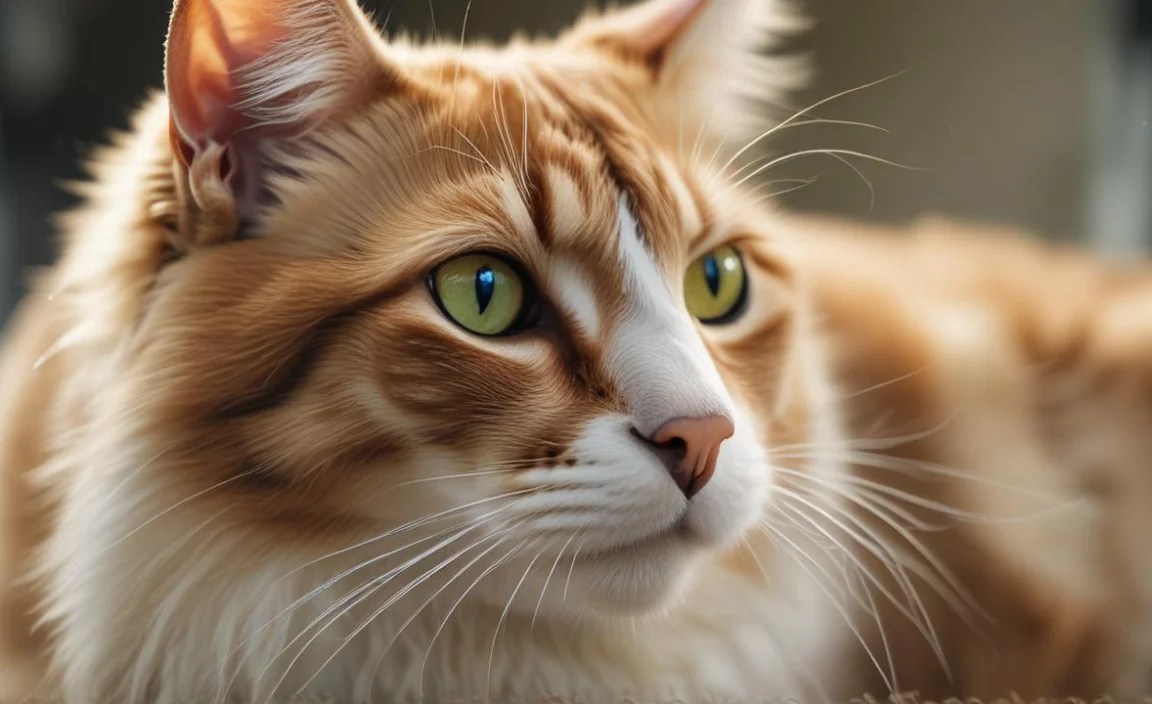
Hunting is a mix of instinct and learning. Kittens are born with some hunting instincts. They will chase and pounce on anything that moves. But they also learn from their mothers. Mom cats teach their kittens how to hunt properly. They show them how to stalk, chase, and catch prey. Some cats are better hunters than others. This can depend on their breed and their early experiences. Have you ever wondered how much of a cat’s hunting skill is natural, and how much is taught?
The Role of Play in Hunting Skills

Play is very important for young cats. It helps them practice their hunting skills. When kittens play, they chase each other. They pounce and wrestle. These games help them develop their muscles and reflexes. Toys can also help cats practice hunting. A toy mouse or feather wand can be a good substitute for real prey. Playing with your cat is not just fun. It helps them stay healthy and sharp. Do you think playing with your cat can make them a better hunter?
Specific Hunting Behaviors in Cat Breeds

Different cat breeds with unique hunting behaviors show different hunting styles. Some breeds are known for their patience. They will wait for hours to catch their prey. Other breeds are quick and agile. They can chase down prey in a flash. Some cats hunt alone. Others work together in groups. Each breed has its own special way of getting the job done. These behaviors are often passed down through generations. What makes each breed’s approach so special?
- Some cats stalk their prey slowly and carefully.
- Other cats pounce quickly from hidden spots.
- Some cats use their paws to scoop fish from water.
- Certain breeds will bring their owners “gifts.”
- Cats often hunt at dawn and dusk, when prey is active.
- Some cats chirp or chatter when they see birds.
Knowing about these specific hunting behaviors can help owners understand their cats better. If you have a cat that likes to stalk, create places for them to hide. If your cat likes to chase, provide toys that move quickly. It is important to give your cat opportunities to use their hunting skills. This keeps them happy and healthy. Understanding cat breeds with unique hunting behaviors enriches the bond between cats and their owners. It also provides a fun and engaging environment.
Fun Fact or Stat: Cats can rotate their ears 180 degrees to locate sounds!
The Bengal’s Water Hunting Skills

The Bengal cat is a special breed. They are known for their love of water. Unlike many cats, Bengals enjoy playing in water. They will even hunt for fish in ponds or streams. This is a unique hunting behavior. Most cats avoid water. Bengals use their agility and speed to catch fish. They are strong swimmers. This makes them excellent water hunters. Have you ever seen a cat go fishing? The Bengal is a true water-loving hunter.
Siamese Cats and Team Hunting

Siamese cats are very smart. They are also very social. They often hunt in groups. This is called team hunting. Siamese cats work together to catch prey. They might surround their prey. Or they might chase it towards each other. Team hunting is very effective. It allows Siamese cats to catch bigger or faster prey. Working together helps them survive. Can you imagine cats working together like a team? The Siamese cat shows us how smart and social cats can be.
Maine Coons: Patient Stalkers

Maine Coons are large and fluffy cats. They are known for their patience. They are excellent stalkers. Maine Coons will wait for hours to catch their prey. They move slowly and quietly. They blend in with their surroundings. When the time is right, they pounce quickly. Their patience and stealth make them great hunters. Have you ever watched a cat stalk its prey? Maine Coons are masters of this hunting style.
Comparing Hunting Traits Across Breeds

Different cat breeds with unique hunting behaviors have different hunting traits. Some are fast, some are patient, and some like water. Understanding these traits helps us appreciate each breed’s special skills. By looking at different breeds, we can learn more about the many ways cats hunt. Each breed has adapted to its environment and developed its own hunting style. What makes each breed so different and effective?
- Some cats have strong jaws for catching rodents.
- Other cats have long legs for chasing birds.
- Some breeds are better at climbing trees.
- Certain cats have thicker fur for hunting in cold weather.
- Some cats use their sense of smell to find prey.
- Other cats rely more on their sight and hearing.
Comparing hunting traits can help you choose the right cat. If you want a cat that likes to play in water, consider a Bengal. If you want a patient hunter, a Maine Coon might be a good choice. Knowing about cat breeds with unique hunting behaviors helps you match your lifestyle with a cat’s natural instincts. This makes for a happier and healthier relationship. Each breed has its own special charm and hunting style.
Fun Fact or Stat: A cat’s brain is more similar to a human’s than a dog’s!
Size and Hunting Success

A cat’s size can affect its hunting success. Larger cats can catch bigger prey. They might hunt rabbits or squirrels. Smaller cats might focus on mice or insects. Size also affects how a cat hunts. Larger cats might use their strength to overpower prey. Smaller cats might rely on their speed and agility. Does size really matter when it comes to hunting? Each size has its own advantages and disadvantages.
Coat Type and Camouflage

A cat’s coat can help it blend in with its surroundings. This is called camouflage. Cats with spotted coats might hide in forests. Cats with sandy-colored coats might blend in with the desert. Camouflage helps cats stalk their prey without being seen. It gives them an advantage when hunting. Can a cat’s coat color really make a difference? Nature has given cats the perfect camouflage for their environment.
Intelligence and Problem-Solving
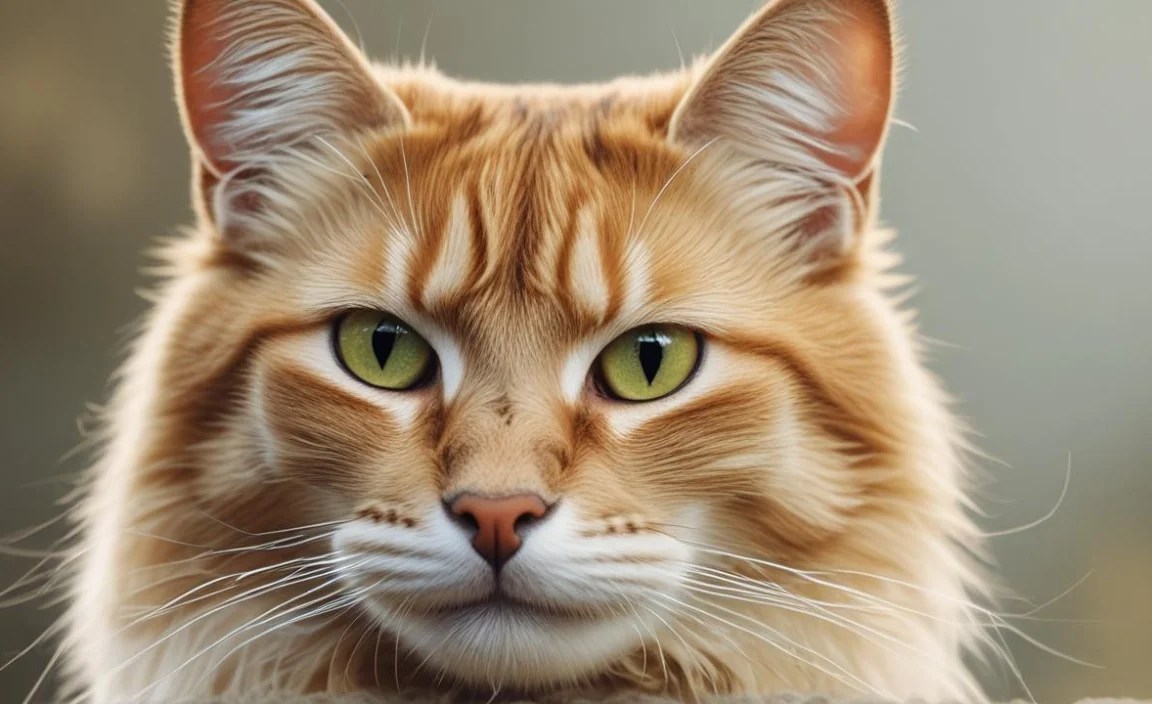
Some cats are very smart. They can solve problems to get to their prey. They might open doors or figure out how to reach high places. Intelligence is a valuable hunting skill. It helps cats adapt to new situations. Smart cats can learn new hunting techniques. They can also outsmart their prey. How smart are cats when it comes to hunting? Their intelligence makes them very effective predators.
The Role of Genetics in Hunting Skills

Genetics plays a big role in a cat’s hunting skills. Certain traits are passed down from parents to kittens. These traits can include speed, agility, and patience. Cat breeds with unique hunting behaviors often have specific genes that contribute to their hunting abilities. Understanding genetics helps us see how these skills develop over time. Genes and environment work together to create a skilled hunter. How much of a cat’s hunting ability is in their genes?
- Genes influence a cat’s muscle structure.
- They also affect a cat’s senses and reflexes.
- Some genes determine a cat’s coat color and pattern.
- Genes can influence a cat’s personality and behavior.
- Certain genes are linked to specific hunting strategies.
Breeders can use genetics to improve hunting skills in cats. By selecting cats with desirable traits, they can create even better hunters. However, it is important to remember that hunting is also a natural behavior. Cats should have the opportunity to express their hunting instincts in a safe and healthy way. Understanding the role of genetics helps us appreciate the complex nature of cat breeds with unique hunting behaviors. It also helps us provide the best possible care for our feline friends.
Fun Fact or Stat: Cats have a special organ called the vomeronasal organ that helps them detect scents!
Selective Breeding for Hunting Traits

Selective breeding is when people choose which animals to breed. They choose animals with certain traits they want to pass on. For example, breeders might select cats that are good hunters. They breed these cats together to produce kittens with strong hunting skills. This process can improve hunting abilities over time. Selective breeding has played a big role in the development of cat breeds with unique hunting behaviors. But is it always a good thing to breed for specific traits?
The Impact of Domestication on Instincts

Domestication is when animals are tamed and live with humans. Over time, domestication can change an animal’s instincts. Some domesticated cats have lost their strong hunting instincts. They rely on humans for food. However, many cats still retain their hunting skills. Even indoor cats will often chase toys and pretend to hunt. How does domestication affect a cat’s natural instincts? It’s a complex process with different effects on different breeds.
Nature vs. Nurture in Hunting Behavior

Hunting behavior is a mix of nature and nurture. Nature refers to a cat’s genes and instincts. Nurture refers to its environment and experiences. Both play a role in shaping a cat’s hunting skills. A cat might be born with good hunting instincts. But it also needs opportunities to practice and learn. How much does nature matter, and how much does nurture matter? It’s a question that scientists are still studying.
Training and Encouraging Natural Hunting Skills

You can train your cat to use their natural hunting skills. This can be fun for both you and your cat. It also helps keep your cat mentally and physically active. There are many ways to encourage hunting behavior in a safe and controlled environment. Toys that mimic prey are a great option. You can also create a stimulating environment that allows your cat to stalk and pounce. How can you help your cat be a happy and healthy hunter?
- Use toys that move like real prey.
- Create hiding places for your cat to stalk from.
- Play with your cat at dawn and dusk.
- Reward your cat for successful “hunts.”
- Rotate toys to keep things interesting.
It is important to remember that hunting is a natural behavior for cats. It is not something to be discouraged. Instead, it should be channeled in a positive way. By providing opportunities for your cat to use their hunting skills, you can help them live a more fulfilling life. Understanding cat breeds with unique hunting behaviors helps you tailor training and enrichment to your cat’s specific needs. This strengthens the bond between you and your feline friend.
Fun Fact or Stat: Cats can make over 100 different sounds!
Safe Indoor Hunting Games

Indoor hunting games are a great way to keep your cat entertained. You can use toys to mimic the movements of prey. Try using a feather wand or a laser pointer. Let your cat stalk and chase the toy. Then, let them “catch” it at the end. This gives them a sense of accomplishment. Make sure the games are safe. Avoid using toys with small parts that could be swallowed. What are some fun and safe ways to play hunting games with your cat?
Using Puzzle Feeders to Simulate Hunting

Puzzle feeders are toys that dispense food when your cat solves a puzzle. These toys can simulate the challenge of hunting. Your cat has to work to get their food. This keeps them mentally stimulated. It also slows down their eating. Puzzle feeders are a great way to encourage natural hunting behaviors. They make mealtime more engaging and fun. Have you ever used a puzzle feeder for your cat?
Creating an Enriching Environment
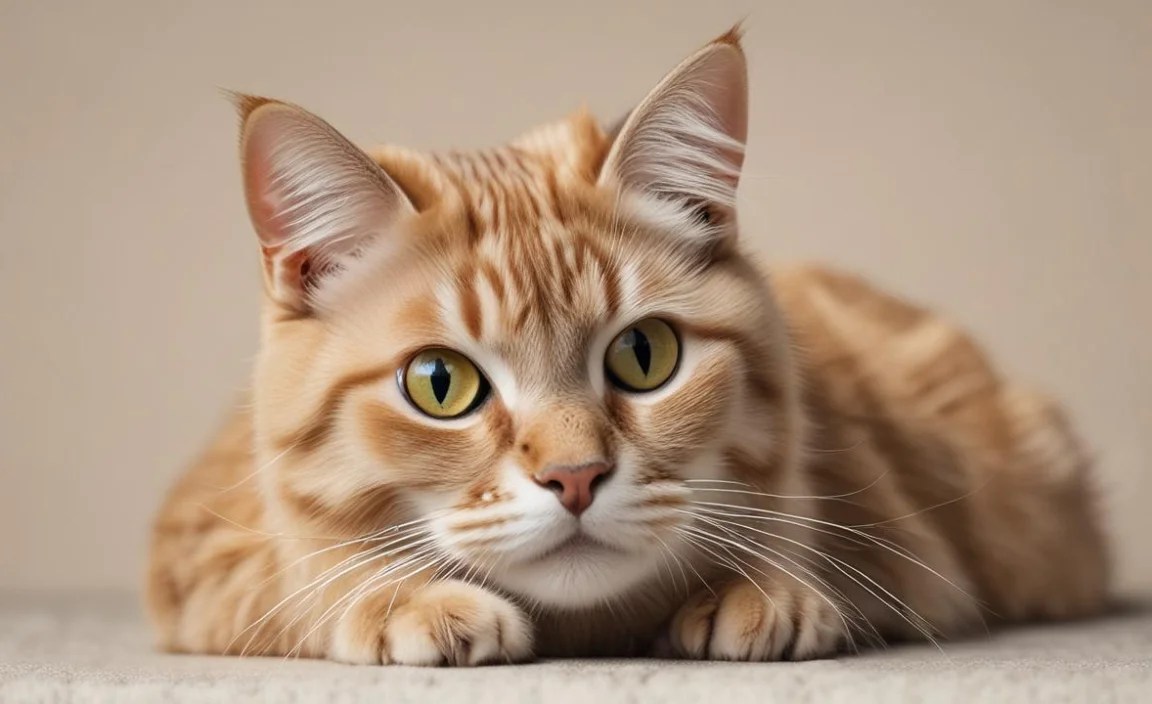
An enriching environment provides opportunities for your cat to use their natural instincts. This can include climbing structures, scratching posts, and hiding places. A window perch can also be a great addition. It allows your cat to watch the world outside. A stimulating environment can reduce boredom and stress. It can also help prevent behavioral problems. What can you do to make your cat’s environment more enriching? A happy cat is often one that has plenty of opportunities to explore and play.
Ethical Considerations in Encouraging Hunting

It is important to consider the ethical implications of encouraging hunting behavior. While hunting is natural for cats, it can also have negative impacts on wildlife. Outdoor cats can kill birds, rodents, and other small animals. This can disrupt the ecosystem. Responsible cat owners should take steps to minimize their cat’s impact on the environment. Understanding cat breeds with unique hunting behaviors can help you make informed decisions about your cat’s care. How can we balance a cat’s natural instincts with the need to protect wildlife?
| Consideration | Pros | Cons |
|---|---|---|
| Indoor Cats | Protects wildlife, reduces risk of injury. | Can lead to boredom, may not fulfill instincts. |
| Outdoor Cats | Allows natural hunting, provides enrichment. | Poses threat to wildlife, increases risk of injury. |
| Supervised Outdoor Time | Balances safety with natural behavior. | Requires owner’s time and attention. |
| Enrichment Activities | Stimulates hunting instincts indoors. | May not fully satisfy hunting urges. |
One way to reduce the impact on wildlife is to keep your cat indoors. If you do let your cat outside, supervise them closely. Use a leash or harness to prevent them from hunting. You can also bell your cat. This warns wildlife of their presence. Being a responsible cat owner means considering the needs of both your cat and the environment. Understanding cat breeds with unique hunting behaviors helps you make ethical choices about their care.
Fun Fact or Stat: Cats purr at a frequency that can promote healing!
The Impact on Local Wildlife

Cats can have a significant impact on local wildlife populations. They are skilled predators. They can kill large numbers of birds, rodents, and other small animals. This can disrupt the balance of the ecosystem. In some areas, cats have even contributed to the extinction of native species. It is important to be aware of the potential impact your cat can have. What can we do to protect wildlife from our feline friends?
Responsible Pet Ownership Practices

Responsible pet ownership means taking steps to minimize your cat’s impact on the environment. This can include keeping your cat indoors, supervising them outdoors, and using a bell or harness. It also means providing your cat with plenty of enrichment opportunities indoors. This helps them satisfy their natural instincts without harming wildlife. What are some other ways to be a responsible cat owner?
Balancing Cat Welfare and Conservation

Balancing cat welfare and conservation can be challenging. It requires finding ways to meet a cat’s needs while also protecting wildlife. This might mean making compromises. For example, you might let your cat outside for a limited time each day, but only under supervision. Or you might focus on providing them with lots of indoor enrichment. How can we find the right balance? It’s a question that requires careful consideration and a commitment to both cat welfare and conservation.
Future Research on Cat Hunting Behaviors

Scientists are still learning about cat breeds with unique hunting behaviors. More research is needed to fully understand the genetic and environmental factors that influence hunting skills. Future studies could explore the effectiveness of different training methods. They could also investigate the impact of cats on wildlife populations. By continuing to study cat hunting behaviors, we can better understand these amazing animals. What are some of the questions that future research might explore?
- How do genes influence specific hunting strategies?
- What is the best way to train cats to hunt safely indoors?
- How can we reduce the impact of cats on wildlife?
- What is the role of play in developing hunting skills?
- How do different environments affect hunting behavior?
This research can help us improve the lives of both cats and wildlife. By understanding the needs of cats, we can provide them with better care and enrichment. By understanding the impact of cats on wildlife, we can take steps to protect vulnerable species. Future research on cat breeds with unique hunting behaviors is essential for promoting both cat welfare and conservation. It will help us create a world where cats and wildlife can coexist peacefully.
Fun Fact or Stat: Cats can sleep up to 16 hours a day!
The Genetics of Hunting Prowess

The genetics of hunting prowess is a complex area of study. Scientists are working to identify the specific genes that contribute to hunting skills. This research could help us understand why some cats are better hunters than others. It could also lead to new ways to improve hunting abilities in cats. What are the key genes that influence hunting behavior? The answer to this question could unlock new insights into the world of cats.
Technological Advances in Studying Cats

Technological advances are making it easier to study cats. Researchers can now use GPS trackers to monitor cats’ movements. They can use video cameras to record their hunting behavior. They can even use genetic testing to identify the genes that influence hunting skills. These technologies are providing new insights into the lives of cats. How are these technologies changing the way we study cats? They are opening up new possibilities for understanding these fascinating animals.
Conservation Strategies Based on Research

Conservation strategies can be based on research about cats. By understanding the impact of cats on wildlife, we can develop strategies to protect vulnerable species. These strategies might include keeping cats indoors, supervising them outdoors, and using a bell or harness. They might also include educating cat owners about responsible pet ownership. How can we use research to improve conservation efforts? The answer lies in a better understanding of the relationship between cats and wildlife.
Summary
Cat breeds with unique hunting behaviors show us how diverse and skilled these animals are. From the Bengal’s love of water to the Siamese cat’s teamwork, each breed has its own special way of hunting. Genetics, environment, and training all play a role in shaping these behaviors. By understanding these factors, we can provide better care for our cats and protect wildlife. It is important to balance a cat’s natural instincts with the need to be responsible pet owners. This includes ethical considerations for local wildlife.
Future research will continue to shed light on the complex world of cat hunting. By studying the genetics, behavior, and ecology of cats, we can better understand these amazing animals. We can also develop more effective conservation strategies. This will help ensure that cats and wildlife can coexist peacefully. Understanding cat breeds with unique hunting behaviors is essential for promoting both cat welfare and environmental conservation.
Conclusion
Exploring cat breeds with unique hunting behaviors is fascinating. We see how different breeds have adapted to their environments. Each has developed special hunting skills. These skills are a mix of instinct and learning. As responsible pet owners, we must understand these behaviors. We must provide safe and enriching environments for our cats. We must also be mindful of the impact on wildlife. By doing so, we can ensure our feline friends live happy, healthy lives. We can also protect the natural world around us.
Frequently Asked Questions
Question No 1: What makes some cat breeds with unique hunting behaviors better hunters than others?
Answer: Some cats are better hunters due to a combination of factors. Genetics play a significant role. Certain breeds are selectively bred for specific traits like speed, agility, and intelligence. Environmental factors also matter. Cats that grow up in environments where they need to hunt for food develop better skills. Training and experience also contribute. Cats that are given opportunities to practice their hunting skills become more proficient. Ultimately, it’s a mix of nature and nurture that determines a cat’s hunting prowess. This helps them adapt and survive in their surroundings.
Question No 2: How can I safely encourage my indoor cat’s hunting instincts?
Answer: You can safely encourage your indoor cat’s hunting instincts in several ways. Provide toys that mimic prey. Feather wands, laser pointers, and toy mice are all good options. Rotate the toys regularly to keep things interesting. Create hiding places for your cat to stalk from. Cardboard boxes and tunnels work well. Play with your cat at dawn and dusk. This is when cats are naturally most active. Use puzzle feeders to make mealtime more challenging. These feeders require your cat to work to get their food. This satisfies their hunting instincts in a safe and controlled environment.
Question No 3: Are there any cat breeds with unique hunting behaviors that are not suitable for families with small children?
Answer: While most cats can be good family pets, some breeds might be better suited for families with older children. This is because some cat breeds with unique hunting behaviors have higher energy levels and stronger hunting instincts. These cats might be more likely to play rough or accidentally scratch young children. Breeds like Bengals and Siamese cats are very active and intelligent. They need a lot of stimulation. It’s always best to research a breed’s temperament and needs before bringing a cat into a home with small children. Also, teach children how to interact with cats gently and respectfully.
Question No 4: How do I know if my cat is hunting successfully outdoors, and what are the risks?
Answer: If your cat is hunting successfully outdoors, you might find “gifts” of dead animals. These can include birds, mice, or insects. You might also notice your cat spending a lot of time stalking and chasing prey in the yard. However, there are risks associated with outdoor hunting. Cats can be injured by prey or other animals. They can also contract diseases or parasites. Additionally, outdoor cats can have a negative impact on local wildlife populations. It is important to weigh the benefits of outdoor hunting against these risks. Consider keeping your cat indoors or supervising them closely when they are outside.
Question No 5: What is the best way to protect birds and other wildlife from my cat’s hunting instincts?
Answer: The best way to protect birds and other wildlife is to keep your cat indoors. If you do let your cat outside, supervise them closely. Use a leash or harness to prevent them from hunting. You can also bell your cat. This warns wildlife of their presence. Provide your cat with plenty of enrichment opportunities indoors. This helps them satisfy their hunting instincts without harming wildlife. Consider supporting local organizations that work to protect birds and other animals. Being a responsible pet owner means considering the needs of both your cat and the environment. Understanding cat breeds with unique hunting behaviors also helps you make informed choices.
Question No 6: Can training change the natural hunting behaviors of cat breeds with unique hunting behaviors?
Answer: Training can modify, but not completely eliminate, the natural hunting behaviors of cats. You cannot change a cat’s innate instincts. However, you can redirect their energy and teach them alternative behaviors. For example, you can train your cat to chase a toy instead of hunting live prey. You can also teach them to come when called. This can help you keep them safe when they are outdoors. Training requires patience and consistency. It is important to use positive reinforcement methods. Reward your cat for good behavior. Avoid punishment, which can be counterproductive. Remember, cat breeds with unique hunting behaviors still need to express their natural instincts.


