
Cat Breeds With Distinctive Grooming Needs: The Ultimate Guide

Do you love cats? Cats make great pets. Some cats need more help with grooming. Different cat breeds have different needs. Which cat breeds have distinctive grooming needs? It is important to know what your cat needs. This will keep your cat happy and healthy.
Key Takeaways
- Knowing cat breeds with distinctive grooming needs helps owners provide better care.
- Regular grooming prevents painful matting, especially in long-haired cat breeds.
- Brushing distributes natural oils, keeping a cat’s coat shiny and healthy.
- Some cat breeds need special cleaning for their eyes and ears.
- Ignoring grooming can lead to health problems for certain cat breeds.
Understanding Cat Breeds’ Grooming Needs

Cat breeds are all different. Some cats have long fur. Other cats have short fur. Some cats have no fur! Each type of fur needs different care. Long-haired cats need daily brushing. This stops their fur from getting tangled. Short-haired cats need less brushing. But, they still need some grooming. Hairless cats need baths. This keeps their skin clean. It is important to know your cat’s fur type. This helps you groom them the right way. Regular grooming keeps your cat healthy. It also makes them feel good. Knowing about cat breeds with distinctive grooming needs is key.
- Long-haired cats need daily brushing.
- Short-haired cats need weekly brushing.
- Hairless cats need regular baths.
- Some cats need nail trims.
- Check ears for wax build-up.
- Look for skin problems during grooming.
Grooming is more than just brushing. It is also about checking your cat’s health. Look for bumps or sores on their skin. Check their ears for dirt. Make sure their eyes are clean. Grooming is a good time to bond with your cat. Most cats enjoy being brushed. Start grooming your cat when they are young. This helps them get used to it. Always be gentle. Use soft brushes and combs. If your cat does not like being groomed, go slow. Give them treats and praise. Soon, they will learn to enjoy it. Understanding cat breeds with distinctive grooming needs ensures a happy, healthy cat.
Fun Fact or Stat: Did you know that some cats love being vacuumed? Use a low setting and a brush attachment!
Why Grooming Matters
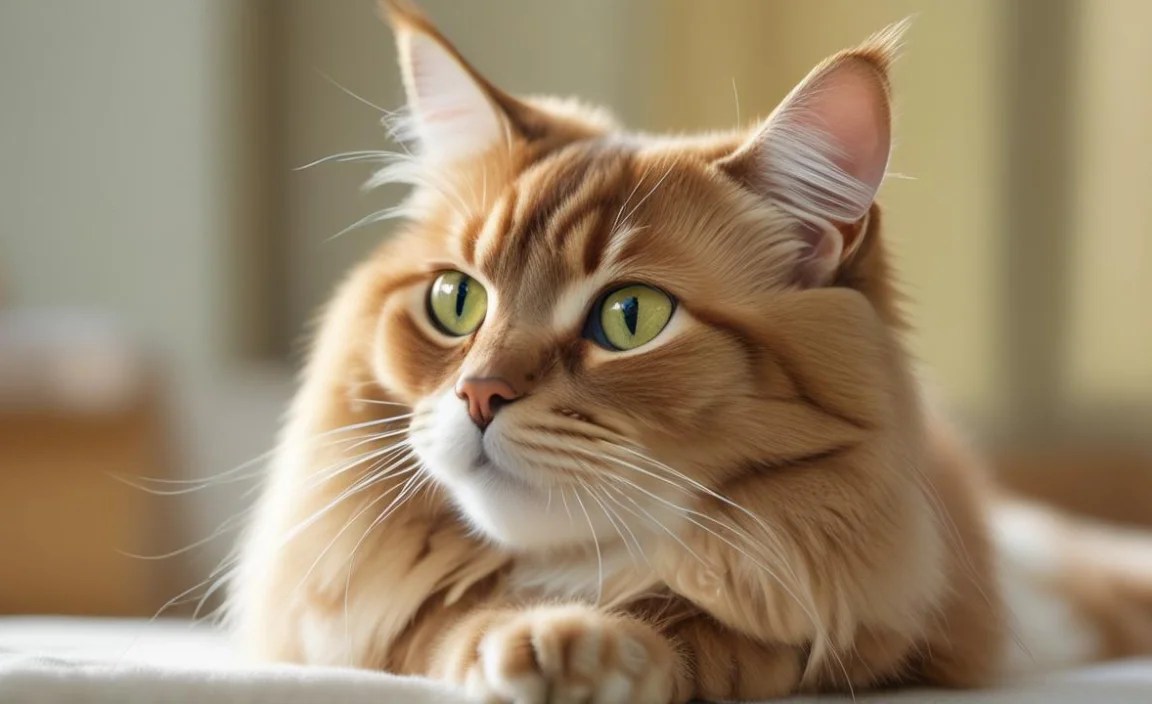
Have you ever seen a cat with matted fur? Matted fur can be very painful. It pulls on the cat’s skin. Matted fur can also hide skin problems. Regular grooming stops matting. It also lets you check your cat’s skin. Brushing helps spread natural oils. These oils keep your cat’s fur shiny. Grooming also helps with shedding. It removes loose fur before your cat swallows it. Swallowing too much fur can cause hairballs. Hairballs are not fun for cats or their owners. Grooming is a great way to keep your cat healthy and happy. Grooming is important for all cat breeds, but some need more than others.
Tools for Grooming
Choosing the right grooming tools is important. There are many different brushes and combs. Some brushes are for long hair. Others are for short hair. Some combs are for removing mats. A rubber brush is good for short-haired cats. It helps remove loose fur. A slicker brush is good for long-haired cats. It helps remove tangles. A metal comb can also help with tangles. Nail clippers are important for trimming nails. Cotton balls and ear cleaner are good for cleaning ears. Always use pet-safe products. Never use human shampoo on your cat. This can dry out their skin. Using the right tools makes grooming easier for you and your cat. Different cat breeds may need different tools.
Grooming as Bonding Time
Imagine you are a cat. Someone is gently brushing your fur. It feels good! Grooming is a great way to bond with your cat. It is a time for them to relax and enjoy your attention. Talk to your cat while you groom them. Tell them how pretty they are. Give them treats and praise. This helps them associate grooming with positive things. Some cats even purr while being groomed. This means they are happy. If your cat is nervous, start slow. Just brush them for a few minutes each day. Over time, they will learn to trust you. Grooming becomes a special time for both of you. This is especially important for cat breeds with distinctive grooming needs.
Fun Fact or Stat: Cats spend up to 50% of their waking hours grooming themselves!
Essential Grooming Practices for Cats

Grooming is a key part of keeping your cat healthy. It keeps their fur clean and free of mats. It also helps you check for any health problems. Regular grooming can stop skin infections. It can also stop fleas and ticks. Brushing helps spread natural oils. This keeps your cat’s fur shiny and healthy. Trimming nails stops them from getting too long. Long nails can be painful for cats. Cleaning ears stops wax build-up. Wax build-up can lead to ear infections. Grooming is a complete health check for your cat. Pay attention to any changes in their skin or fur. If you notice anything unusual, talk to your vet. Knowing about cat breeds with distinctive grooming needs is part of being a responsible owner.
- Brush your cat regularly.
- Trim their nails when needed.
- Clean their ears to prevent infections.
- Check their skin for problems.
- Talk to your vet if you see anything unusual.
- Bathe your cat if they need it.
Different cat breeds need different grooming. Long-haired cats need daily brushing. Short-haired cats need less. But all cats need some grooming. Start grooming your cat when they are young. This helps them get used to it. Make it a positive experience. Give them treats and praise. Be gentle and patient. If your cat does not like being groomed, go slow. Try grooming them for just a few minutes each day. Over time, they will learn to enjoy it. Grooming is a great way to bond with your cat. It is also a key part of keeping them healthy and happy. Taking care of cat breeds with distinctive grooming needs shows you care.
Fun Fact or Stat: A cat’s tongue has tiny barbs that help them groom themselves!
Brushing Techniques
Do you know how to brush a cat? It is not the same as brushing your own hair! Start with a soft brush. Gently brush your cat’s fur in the direction it grows. Be careful not to pull on their fur. If you find a tangle, don’t pull it. Use a comb to gently work it out. Start at the end of the tangle and work your way up. If you can’t get the tangle out, you may need to cut it. Be very careful when using scissors. You don’t want to cut your cat’s skin. Always be gentle and patient. Grooming should be a positive experience for your cat. Cat breeds with long hair need special attention when brushing.
Nail Trimming Tips
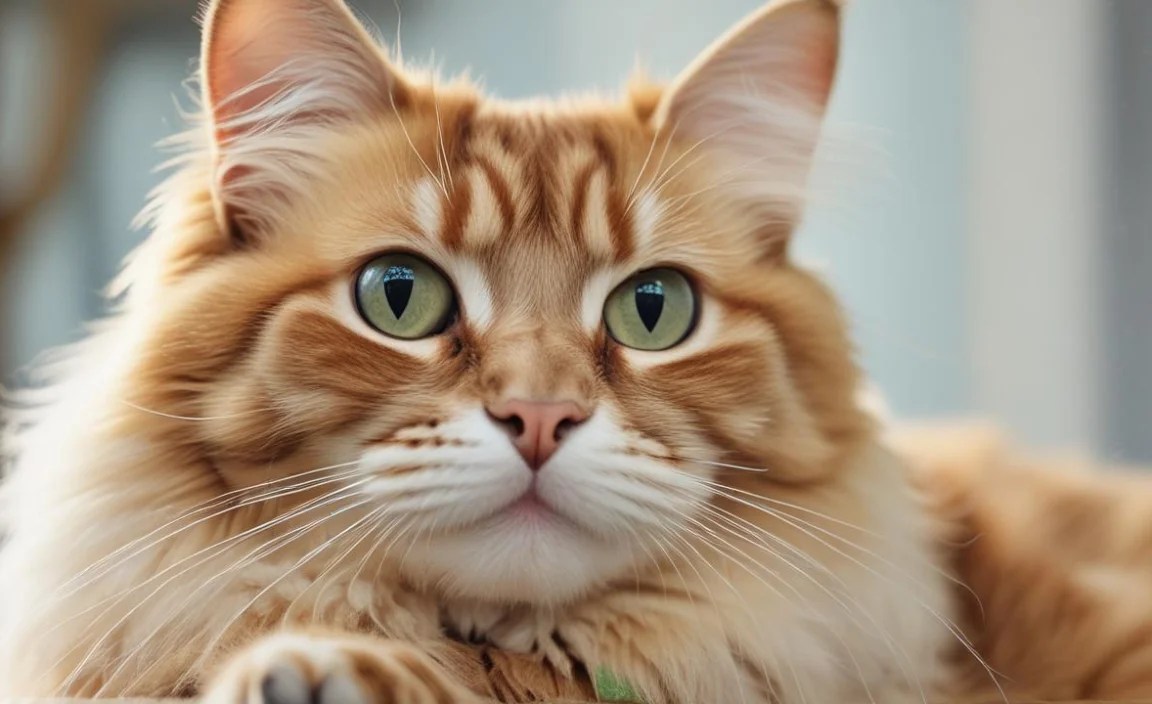
Imagine your cat’s nails are too long. They can get stuck in the carpet. This can be painful for your cat. Trimming their nails regularly stops this. Use special cat nail clippers. Only trim the tip of the nail. Be careful not to cut the quick. The quick is the pink part of the nail. It has blood vessels and nerves. If you cut the quick, it will hurt and bleed. If you are not sure how to trim your cat’s nails, ask your vet. They can show you how. Some cats don’t like having their nails trimmed. Be patient and gentle. Give them treats and praise. Trimming nails is a key part of grooming for all cat breeds.
Ear Cleaning Basics
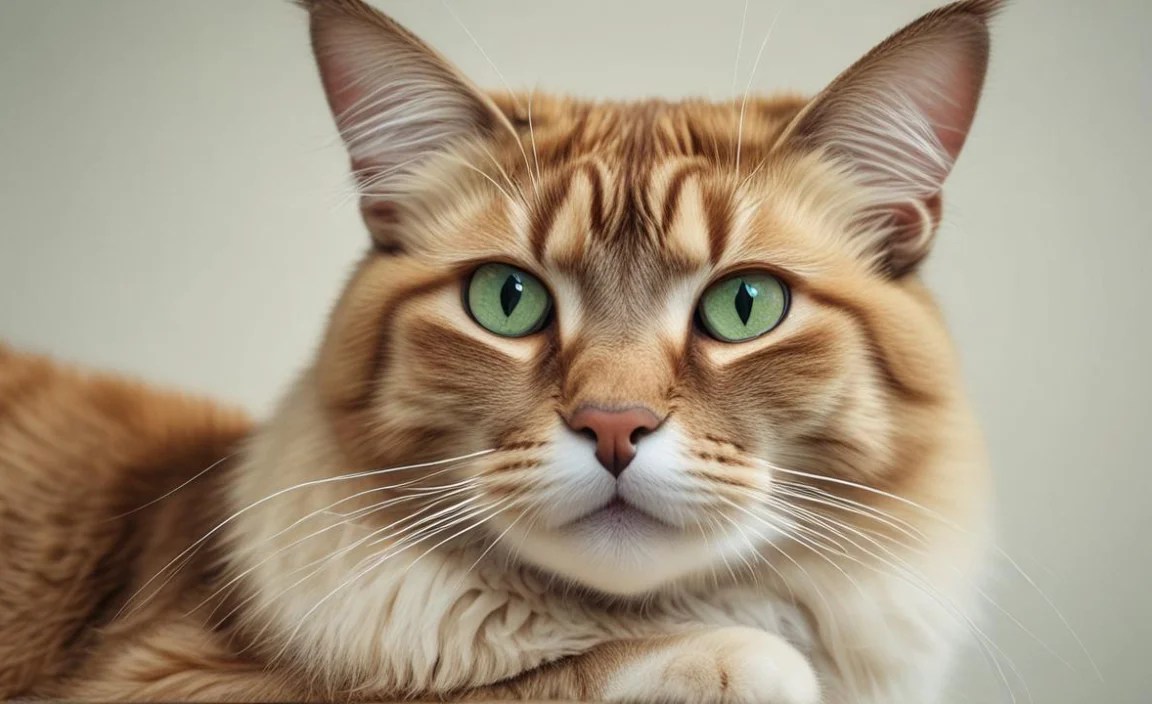
Have you ever looked inside your cat’s ears? They can get dirty! Wax and dirt can build up inside their ears. This can lead to ear infections. Clean your cat’s ears regularly. Use a special ear cleaning solution for pets. Never use cotton swabs. Cotton swabs can push dirt further into the ear. Instead, use a cotton ball. Soak the cotton ball in the ear cleaning solution. Gently wipe the inside of your cat’s ear. Only clean the parts you can see. Don’t stick the cotton ball too far into the ear. If your cat’s ears are very dirty or red, talk to your vet. They may have an ear infection. Ear cleaning is important for many cat breeds.
Fun Fact or Stat: Some cats have different colored eyes! This is called heterochromia.
Long-Haired Cat Breeds and Their Needs

Long-haired cat breeds are beautiful. But they need a lot of grooming. Their long fur can easily get tangled and matted. This can be painful for the cat. Daily brushing is a must for long-haired cats. This stops mats from forming. It also helps spread natural oils. Regular bathing can also help. But don’t bathe your cat too often. This can dry out their skin. Use a special shampoo for cats. Long-haired cats also need regular nail trims. Their nails can get long and sharp. It is important to keep their ears clean. Wax can build up in their ears. This can lead to infections. Knowing the distinctive grooming needs of long-haired cat breeds is important.
- Persian cats need daily brushing.
- Maine Coons need weekly bathing.
- Himalayan cats need special facial cleaning.
- Norwegian Forest Cats need help with shedding.
- Turkish Angoras need regular ear checks.
- Ragdolls benefit from gentle grooming.
Some popular long-haired cat breeds include Persians, Maine Coons, and Himalayans. Persians have very long, thick fur. They need daily brushing to prevent mats. Maine Coons are large cats with long, flowing fur. They need weekly bathing to keep their fur clean. Himalayans have long fur and flat faces. They need special cleaning around their eyes. These cat breeds with distinctive grooming needs need extra care. Regular grooming is not just about looks. It is about keeping your cat healthy and happy. A well-groomed cat is a happy cat. So, if you have a long-haired cat, be prepared to spend time grooming them.
Fun Fact or Stat: The Maine Coon is known as the “gentle giant” of cat breeds!
Grooming Persian Cats

Imagine a Persian cat. Its fur is long and fluffy. It looks like a cloud! But that fur needs a lot of care. Persian cats need daily brushing. This stops mats from forming. Use a slicker brush to remove tangles. A metal comb can help with knots. Persian cats also need regular baths. This keeps their fur clean and shiny. Use a tear stain remover to clean their faces. Their flat faces can cause tear stains. Persian cats need a lot of attention. But they are worth it. They are beautiful and loving pets. Owners of cat breeds with distinctive grooming needs, such as Persians, should be prepared for daily work.
Caring for Maine Coon Coats

Maine Coons are big cats. They have long, thick fur. Their fur is water-resistant. This means it does not get wet easily. But Maine Coons still need regular grooming. Brush them a few times a week. This stops mats from forming. Pay special attention to their belly and legs. These areas are prone to tangles. Maine Coons also need regular baths. Use a gentle shampoo. Rinse their fur well. Drying them can take a long time. Use a towel or a blow dryer on a low setting. Maine Coons are great cats. Their beautiful fur needs special care. Taking good care of cat breeds with distinctive grooming needs ensures a happy cat.
Himalayan Cat Facial Care

Himalayan cats are known for their beautiful blue eyes. They also have flat faces. This can cause some problems. Their tear ducts don’t drain well. This can lead to tear stains. Clean their faces daily with a damp cloth. Use a special tear stain remover. Be very gentle. Their faces are sensitive. Himalayan cats also need regular grooming. Brush their fur daily to prevent mats. Bathe them regularly to keep their fur clean. Himalayan cats are loving pets. They need special care because of their flat faces. Addressing the distinctive grooming needs of Himalayan cats keeps them healthy.
Fun Fact or Stat: Himalayan cats are a mix of Persian and Siamese breeds!
Short-Haired Cat Breeds and Grooming

Short-haired cat breeds are easier to groom. They don’t need daily brushing. But they still need some care. Weekly brushing is good for most short-haired cats. This helps remove loose fur. It also spreads natural oils. Short-haired cats don’t need baths as often. But you should bathe them if they get dirty. Use a special shampoo for cats. Regular nail trims are important. Long nails can be uncomfortable for cats. Check their ears regularly. Clean them if you see wax build-up. Short-haired cats may need less grooming. But they still need your attention. Owners of cat breeds with distinctive grooming needs should know the basics.
- British Shorthairs need gentle brushing.
- Siamese cats need occasional baths.
- American Shorthairs benefit from nail trimming.
- Russian Blues need ear checks.
- Burmese cats need coat polishing.
- Bengal cats enjoy being groomed.
Some popular short-haired cat breeds include British Shorthairs, Siamese, and American Shorthairs. British Shorthairs have thick, plush fur. They need gentle brushing to remove loose fur. Siamese cats have short, sleek fur. They don’t need much grooming. But they enjoy being petted. American Shorthairs have short, dense fur. They need regular nail trims. These cat breeds with distinctive grooming needs are often easier to care for. Grooming is still important. It helps you bond with your cat. It also helps you check for any health problems. Even short-haired cats need regular grooming to stay healthy and happy.
Fun Fact or Stat: The British Shorthair is known for its round face and chubby cheeks!
Grooming British Shorthairs

British Shorthairs have soft, plush fur. It feels like velvet! But their fur can get matted if you don’t brush them. Brush them once a week. Use a soft brush. Be gentle. Their fur is dense. It can be hard to brush. British Shorthairs don’t need baths often. But you can bathe them if they get dirty. Use a mild shampoo. Rinse their fur well. British Shorthairs are calm cats. They usually enjoy being groomed. Grooming is a great way to bond with them. Recognizing the distinctive grooming needs of British Shorthairs is important.
Siamese Cat Coat Care

Siamese cats have short, sleek fur. It lies close to their body. They don’t need much grooming. But they enjoy being petted. Petting them helps remove loose fur. You can also brush them with a rubber brush. This helps remove dead hair. Siamese cats are clean cats. They groom themselves often. They don’t need baths unless they get dirty. Siamese cats are smart and social. They love attention. Grooming is a way to show them you care. Simple grooming routines meet the distinctive grooming needs of Siamese cats.
American Shorthair Nail Care

American Shorthairs are active cats. They love to play and climb. This can wear down their nails. But they still need regular nail trims. Trim their nails every few weeks. Use cat nail clippers. Only trim the tip of the nail. Be careful not to cut the quick. American Shorthairs are easy to groom. But nail care is important. Long nails can be uncomfortable. They can also damage furniture. Keeping nails trimmed addresses the distinctive grooming needs of American Shorthairs.
Fun Fact or Stat: Siamese cats are known for their distinctive vocalizations!
Hairless Cat Breeds and Skin Care

Hairless cat breeds are unique. They don’t have fur. This means they need special skin care. Without fur, their skin is exposed. It can get dry and oily. Regular bathing is important for hairless cats. This removes oil and dirt. Use a gentle, hypoallergenic shampoo. Don’t bathe them too often. This can dry out their skin. Hairless cats also need moisturizing. Use a special lotion for cats. This keeps their skin soft and healthy. Protect them from the sun. Their skin can burn easily. Dress them in clothes or keep them indoors. Understanding cat breeds with distinctive grooming needs is essential for hairless cats.
- Sphynx cats need weekly baths.
- Donskoys need moisturizing.
- Peterbalds need gentle cleansing.
- Levkoys need sun protection.
- Ukrainian Levkoys require wrinkle care.
- Bambinos need protection from the cold.
Some popular hairless cat breeds include Sphynx, Donskoy, and Peterbald. Sphynx cats are the most well-known hairless breed. They need weekly baths to remove oil. Donskoys have less hair than Sphynx cats. They need moisturizing to keep their skin soft. Peterbalds can have a little bit of fur. They need gentle cleansing to keep their skin healthy. These cat breeds with distinctive grooming needs require special attention. Regular skin care is not just about looks. It is about keeping your cat healthy and comfortable. A well-cared-for hairless cat is a happy cat.
Fun Fact or Stat: Sphynx cats are known for their playful and energetic personalities!
Caring for Sphynx Skin

Imagine a cat with no fur. That is a Sphynx! Their skin is soft and warm. But it needs special care. Sphynx cats need weekly baths. This removes oil and dirt. Use a gentle shampoo. Pat them dry with a soft towel. Don’t rub their skin. This can irritate it. Sphynx cats also need moisturizing. Use a lotion made for cats. This keeps their skin soft. Sphynx cats are unique pets. They need special skin care to stay healthy. Recognizing the distinctive grooming needs of Sphynx cats is important.
Donskoy Cat Moisturizing
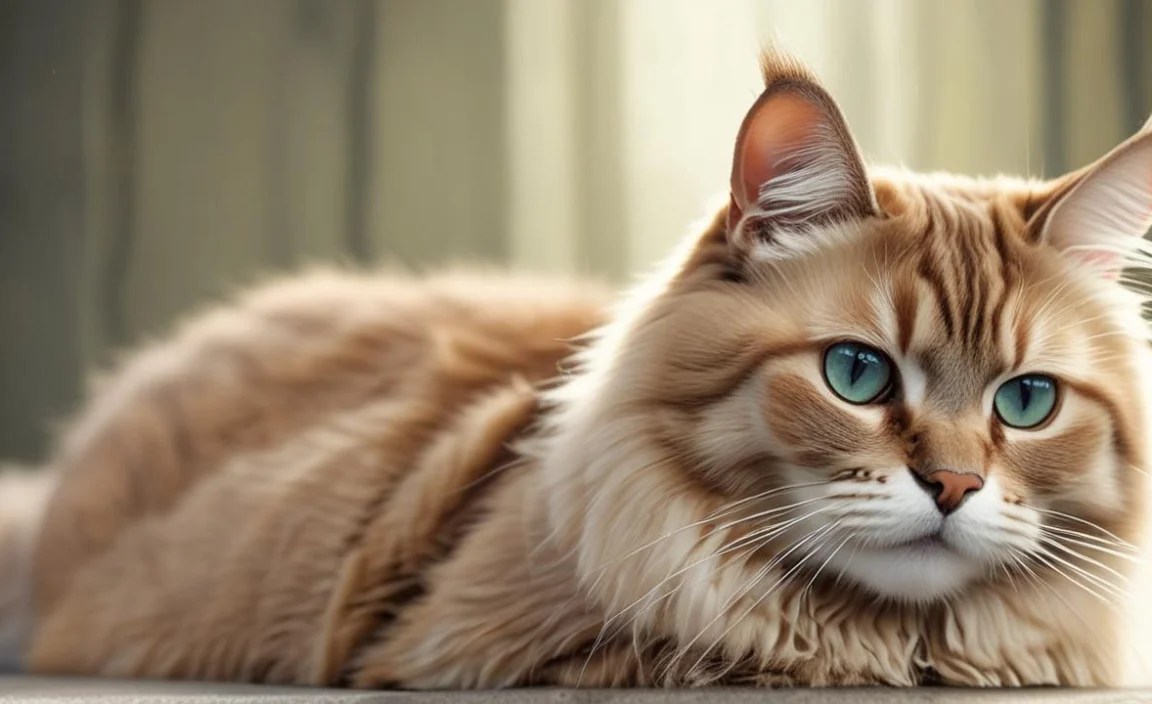
Donskoy cats are also hairless. But they have some differences from Sphynx cats. Their skin is more wrinkled. They also produce less oil. This means they need moisturizing more often. Use a lotion made for cats. Apply it after their bath. You can also apply it between baths. This keeps their skin soft and supple. Donskoy cats are loving pets. They need extra care to keep their skin healthy. Regular moisturizing addresses the distinctive grooming needs of Donskoy cats.
Peterbald Cleansing Routines

Peterbald cats can have a little bit of fur. Or they can be completely hairless. Their skin is delicate. It needs gentle cleansing. Use a soft cloth and warm water. Gently wipe their skin. Avoid harsh soaps or chemicals. Peterbald cats are elegant pets. They need special care to keep their skin clean and healthy. Gentle cleansing meets the distinctive grooming needs of Peterbald cats.
Fun Fact or Stat: Hairless cats are often warmer to the touch than furry cats!
Table: Grooming Needs by Cat Breed
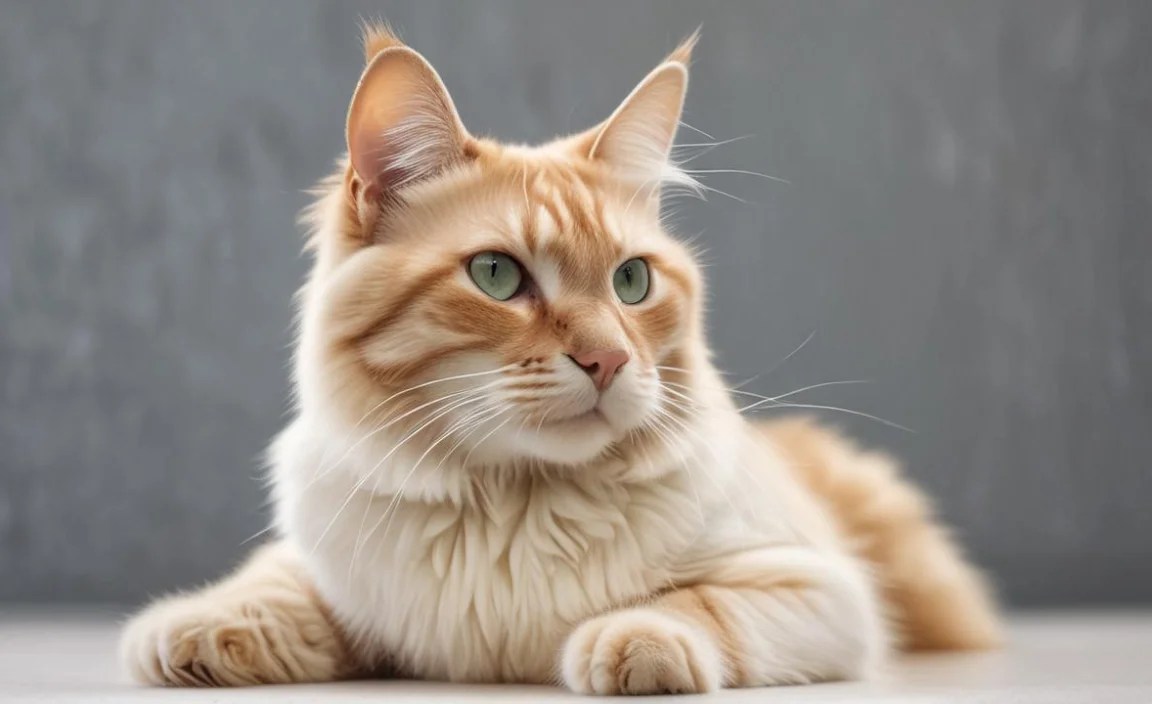
| Breed | Coat Type | Grooming Frequency | Special Needs |
|---|---|---|---|
| Persian | Long | Daily | Tear stain removal, mat prevention |
| Maine Coon | Long | Weekly | Bathing, tangle removal |
| Sphynx | Hairless | Weekly | Bathing, moisturizing, sun protection |
| British Shorthair | Short | Weekly | Gentle brushing |
Summary
Different cat breeds need different amounts of grooming. Long-haired cats need daily brushing. This stops their fur from matting. Short-haired cats need less brushing. But they still need some grooming. Hairless cats need regular baths and moisturizing. This keeps their skin healthy. It is important to know your cat’s breed. This helps you give them the right care. Regular grooming keeps your cat happy and healthy. It also lets you check for any health problems. Being aware of cat breeds with distinctive grooming needs helps you be a good pet owner.
Conclusion
Grooming is important for all cats. But some cat breeds need more care than others. Long-haired cats, short-haired cats, and hairless cats all have different needs. Knowing your cat’s breed helps you groom them the right way. Regular grooming keeps your cat healthy and happy. It also helps you bond with them. So, take the time to groom your cat. They will thank you for it. Understanding cat breeds with distinctive grooming needs ensures you give your cat the best care.
Frequently Asked Questions
Question No 1: How often should I brush my cat?
Answer: How often you should brush your cat depends on their fur type. Long-haired cats need daily brushing to prevent mats and tangles. Short-haired cats can be brushed once a week. Hairless cats don’t need brushing, but they need regular baths. Pay attention to your cat’s fur. If it looks tangled or dirty, it is time for a brushing. Different cat breeds with distinctive grooming needs require different schedules, so research your cat’s specific breed.
Question No 2: What kind of brush should I use for my cat?
Answer: The best brush for your cat depends on their fur type. A slicker brush is good for long-haired cats. It helps remove tangles and mats. A rubber brush is good for short-haired cats. It helps remove loose fur. A soft brush is good for cats with sensitive skin. Try different brushes to see what your cat likes best. You can also ask your vet for advice. Some cat breeds with distinctive grooming needs may benefit from special brush types.
Question No 3: How do I trim my cat’s nails?
Answer: Trimming your cat’s nails can be tricky. Use special cat nail clippers. Only trim the tip of the nail. Be careful not to cut the quick. The quick is the pink part of the nail. If you cut the quick, it will hurt and bleed. If you are not sure how to trim your cat’s nails, ask your vet. You can also watch videos online. Start slow and be patient. Some cat breeds with distinctive grooming needs may have different nail structures, so be cautious.
Question No 4: How do I clean my cat’s ears?
Answer: Cleaning your cat’s ears is important for preventing infections. Use a special ear cleaning solution for pets. Never use cotton swabs. Cotton swabs can push dirt further into the ear. Instead, use a cotton ball. Soak the cotton ball in the ear cleaning solution. Gently wipe the inside of your cat’s ear. Only clean the parts you can see. If your cat’s ears are very dirty or red, talk to your vet. Some cat breeds with distinctive grooming needs may be more prone to ear wax build-up.
Question No 5: How often should I bathe my cat?
Answer: Most cats don’t need frequent baths. They are good at cleaning themselves. But some cats may need baths if they get dirty. Long-haired cats may need more baths than short-haired cats. Hairless cats need weekly baths to remove oil. Use a special shampoo for cats. Don’t use human shampoo. It can dry out their skin. If you are not sure if your cat needs a bath, ask your vet. The distinctive grooming needs of certain cat breeds influence bathing frequency.
Question No 6: What are some signs that my cat needs grooming?
Answer: Signs that your cat needs grooming include matted fur, excessive shedding, and dirty ears. If your cat is scratching a lot, they may have a skin problem. If their nails are long and sharp, they need a trim. If their fur is dull and lifeless, they may need a bath. Grooming is also a good time to check for fleas and ticks. Pay attention to your cat’s appearance and behavior. This helps you know when they need grooming. Understanding cat breeds with distinctive grooming needs helps you identify these signs early.


