
Development of the Pekingese: A Smart Guide

Quick Summary:
The Pekingese breed developed in China during the Tang Dynasty (618-907 AD). Bred as lap dogs for Chinese royalty, they were highly prized and guarded. These small dogs have a lion-like appearance and flat faces, originally only owned by the imperial family. Today, Pekingese are companion dogs worldwide, known for their loyalty and distinctive look.
Ever wondered about the origins of that regal, lion-maned little dog, the Pekingese? These charming companions have a history as rich and fascinating as their luxurious coats! Many people find themselves curious about how this breed came to be, especially given their unique appearance and royal past.
Understanding the Pekingese’s development isn’t just about history; it also helps you appreciate their unique traits and care needs. This article will guide you through the captivating journey of the Pekingese, from their ancient beginnings in China to their popularity as beloved pets today. We’ll explore the breed’s evolution, their role in Chinese royalty, and how they made their way to the rest of the world. Get ready to discover the story behind this captivating breed!
Frequently Asked Questions About the Pekingese
- Where did the Pekingese breed originate?
The Pekingese originated in China, specifically bred for the imperial family.
- What was the original purpose of the Pekingese?
They were bred as lap dogs and companions for Chinese royalty.
- When did the Pekingese first appear in the West?
The first Pekingese dogs were brought to the West in the late 19th century.
- What are some distinctive features of the Pekingese?
Distinctive features include their lion-like mane, flat face, and long, flowing coat.
- How were Pekingese dogs regarded in ancient China?
They were considered sacred and were highly valued members of the imperial court.
- What is the temperament of a Pekingese?
Pekingese dogs are known for being loyal, independent, and sometimes stubborn.
- Do Pekingese dogs require special grooming?
Yes, their long coat requires regular grooming to prevent mats and tangles.
The Ancient Origins of the Pekingese

The story of the Pekingese begins in ancient China, where they were more than just pets – they were revered members of the imperial court. Their history is intertwined with Chinese royalty, and understanding this background is key to appreciating the breed’s unique characteristics.
Early History in China
The Pekingese, also known as the Lion Dog, has roots stretching back over a thousand years. It is believed that the breed first emerged during the Tang Dynasty (618-907 AD). These dogs were exclusively owned by members of the Chinese imperial palace, making them symbols of wealth and status.
- Tang Dynasty (618-907 AD): Earliest evidence of Pekingese-like dogs.
- Imperial Ownership: Only royalty could own these dogs.
- Sacred Status: The Pekingese were considered sacred and were treated with utmost respect.
Role in Chinese Royalty
In the imperial court, Pekingese dogs lived a life of luxury. They were pampered by servants and even had their own guards. Stealing or harming a Pekingese was a crime punishable by death, highlighting their immense value.
According to the American Kennel Club, the Pekingese were so revered that they were believed to possess the spirits of deceased ancestors, further solidifying their sacred status. This elevated position within the imperial court shaped the breed’s temperament and physical traits.
Royal Companions
Pekingese dogs were bred to be lap dogs, providing companionship to the emperor and empress. Their small size and affectionate nature made them ideal for this role. They were also trained to perform tricks and entertain the royal family.
Guardians of the Palace
Despite their small size, Pekingese dogs also served as guardians of the palace. Their keen senses and alert nature made them effective watchdogs. They would bark to alert the palace guards of any intruders, showcasing their protective instincts.
Selective Breeding and Development of Traits

The Pekingese didn’t just appear by chance; their distinctive traits are the result of centuries of careful and selective breeding. The Chinese royals had specific preferences for the breed’s appearance and temperament, leading to the development of the Pekingese we know today.
Breeding Practices in the Imperial Court
The imperial court maintained strict control over the breeding of Pekingese dogs. Only the finest specimens were allowed to reproduce, ensuring the preservation of desired traits. This selective breeding resulted in a dog with a unique appearance and personality.
According to the Pekingese Club of America, breeders focused on maintaining the breed’s lion-like appearance, flat face, and long, flowing coat. They also prioritized a loyal and affectionate temperament, making the Pekingese an ideal companion for royalty.
Key Traits Developed Through Breeding
Several key traits were carefully developed through selective breeding, contributing to the Pekingese’s distinctive characteristics:
- Lion-like Mane: A thick, abundant mane around the neck and shoulders.
- Flat Face: A short, broad face with a wrinkled muzzle.
- Long, Flowing Coat: A double coat with a long, silky outer coat.
- Loyal Temperament: A devoted and affectionate nature towards their owners.
These traits not only contributed to the Pekingese’s unique appearance but also enhanced their role as royal companions. Their lion-like mane symbolized power and prestige, while their affectionate nature made them beloved members of the imperial family.
Genetic Health Considerations
Selective breeding, while effective in producing desired traits, also introduced some genetic health considerations for the Pekingese. Their flat faces, for example, can lead to breathing difficulties, a condition known as brachycephalic syndrome.
According to the RSPCA, responsible breeders now focus on minimizing these health risks by selecting breeding pairs with healthier respiratory systems. This helps ensure that the Pekingese remains a healthy and happy breed.
The Pekingese Outside of China

For centuries, the Pekingese remained a closely guarded secret within China. It wasn’t until the late 19th century that these dogs began to appear in the West, marking a significant turning point in the breed’s history.
Introduction to the West
The first Pekingese dogs were brought to the West as a result of the Second Opium War in 1860. When British troops stormed the Imperial Palace in Beijing, they discovered several Pekingese dogs. These dogs were taken back to England, where they quickly gained popularity among the British elite.
According to historical accounts, Queen Victoria received one of these Pekingese dogs, named Looty, as a gift. This royal endorsement further cemented the breed’s popularity in England and beyond.
Early Western Breeding Programs
As the Pekingese gained popularity, breeding programs began to emerge in the West. These programs aimed to preserve the breed’s unique traits while also addressing some of the health concerns associated with their flat faces.
The Pekingese Club of Great Britain was established in 1904, setting the standard for the breed and promoting responsible breeding practices. This organization played a crucial role in shaping the Pekingese as we know it today.
Recognition by Kennel Clubs
The Pekingese was officially recognized by major kennel clubs around the world, including the American Kennel Club (AKC) in 1909. This recognition further solidified the breed’s status as a popular and desirable companion dog.
Recognition by kennel clubs also meant that the Pekingese could participate in dog shows and competitions, showcasing their unique appearance and temperament to a wider audience.
| Kennel Club | Year of Recognition |
|---|---|
| American Kennel Club (AKC) | 1909 |
| The Kennel Club (UK) | 1904 |
| Canadian Kennel Club (CKC) | 1900s |
Modern Pekingese: Temperament and Care

Today, the Pekingese is a beloved companion dog around the world. While their royal past still influences their temperament, modern breeding practices have aimed to create healthier and more adaptable dogs.
Typical Temperament Today
The Pekingese is known for its loyal, independent, and sometimes stubborn temperament. They form strong bonds with their owners and can be wary of strangers, making them good watchdogs.
- Loyal: Forms strong bonds with their family.
- Independent: Can be self-sufficient and doesn’t always require constant attention.
- Stubborn: May require patience and consistency in training.
- Protective: Can be wary of strangers and protective of their home.
According to pet behaviorists, early socialization and training are crucial for Pekingese puppies to ensure they develop into well-adjusted adults. Exposing them to different people, places, and situations can help prevent excessive shyness or aggression.
Grooming Needs
The Pekingese’s long, flowing coat requires regular grooming to prevent mats and tangles. Daily brushing is recommended, along with occasional baths. It’s also important to pay attention to their facial wrinkles, cleaning them regularly to prevent infections.
Professional grooming services can be beneficial for maintaining the Pekingese’s coat, especially during shedding seasons. Groomers can also provide advice on the best products and techniques for keeping their coat healthy and shiny.
Health Considerations
While modern breeding practices have improved the health of Pekingese dogs, certain health considerations remain important. Brachycephalic syndrome, as mentioned earlier, can cause breathing difficulties. Other common health issues include:
- Brachycephalic Syndrome: Breathing difficulties due to their flat face.
- Intervertebral Disc Disease (IVDD): A spinal condition that can cause pain and paralysis.
- Eye Problems: Including cataracts and progressive retinal atrophy (PRA).
Regular veterinary check-ups are essential for monitoring the health of Pekingese dogs and addressing any potential issues early on. Responsible breeders also conduct health screenings to minimize the risk of passing on genetic conditions.
The Pekingese Standard
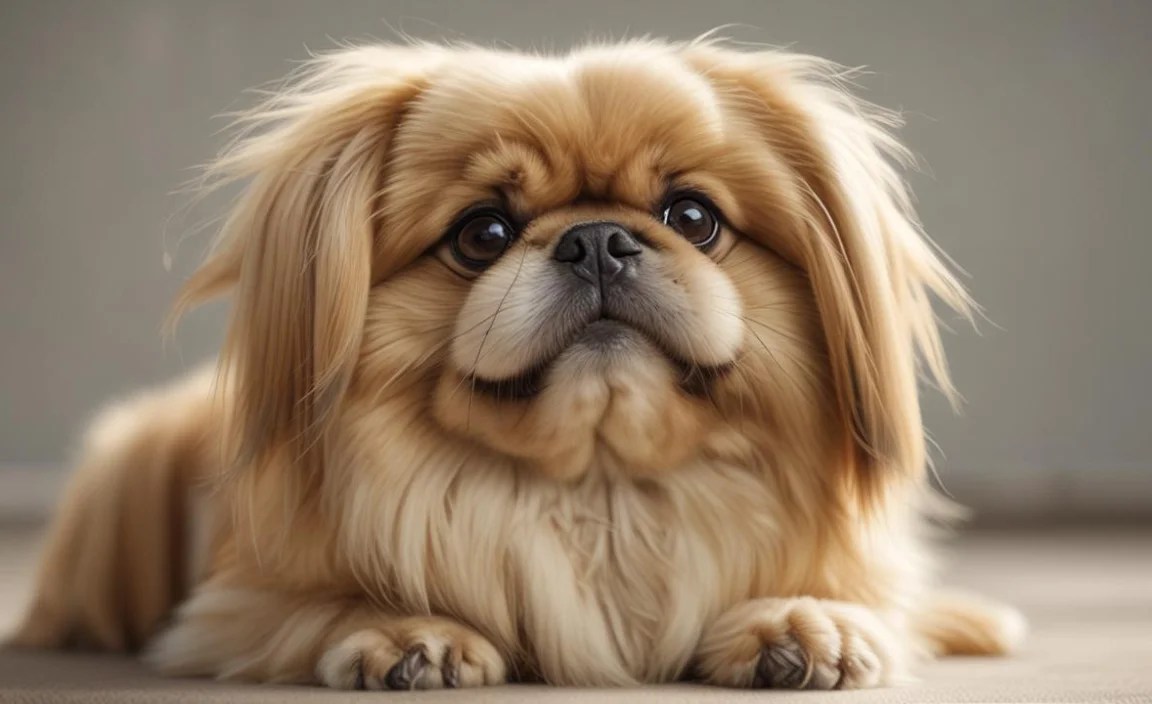
The Pekingese breed standard describes the ideal characteristics of the breed, including physical appearance, temperament, and movement. Understanding the breed standard can help you appreciate the Pekingese’s unique qualities and what breeders strive to achieve.
General Appearance
The Pekingese should have a compact, well-balanced body with a distinctive lion-like appearance. Their head should be large and broad, with a flat face and a wrinkled muzzle. Their eyes should be dark, round, and lustrous.
According to the American Kennel Club, the Pekingese should have a confident and dignified demeanor, reflecting their royal heritage. They should move with a proud and deliberate gait, showcasing their strength and agility.
Coat and Color
The Pekingese has a double coat, consisting of a long, silky outer coat and a soft, dense undercoat. The coat should be abundant around the neck and shoulders, forming a distinctive mane. All colors and markings are acceptable, except for albinism.
Breeders often prioritize a rich, vibrant coat color, as this enhances the Pekingese’s overall appearance. Regular grooming is essential for maintaining the coat’s health and shine.
Head and Facial Features
The head is a defining feature of the Pekingese, with its broad skull, flat face, and wrinkled muzzle. The nose should be black and wide, with open nostrils to facilitate breathing. The jaw should be slightly undershot.
The breed standard also specifies that the Pekingese should have a “wrinkle” on their muzzle, which adds to their distinctive expression. However, excessive wrinkling can contribute to skin problems, so it’s important to keep the wrinkles clean and dry.
Size and Weight
The Pekingese is a small breed, typically weighing between 7 and 14 pounds. Their height is usually between 6 and 9 inches at the shoulder. Despite their small size, they should be sturdy and well-muscled.
Breeders aim to produce Pekingese dogs that are within the ideal size range, as this contributes to their overall balance and proportion. Overly large or small dogs may be penalized in dog shows.
Tips for New Pekingese Owners
Bringing a Pekingese into your home can be a rewarding experience, but it’s important to be prepared for their unique needs and temperament. Here are some tips for new Pekingese owners:
Early Socialization and Training
Start socializing your Pekingese puppy early by exposing them to different people, places, and situations. Enroll them in puppy classes to learn basic obedience commands and socialize with other dogs. Positive reinforcement techniques, such as treats and praise, work best for training Pekingese dogs.
Proper Grooming Techniques
Establish a regular grooming routine to keep your Pekingese’s coat healthy and free of mats and tangles. Brush their coat daily and bathe them as needed. Pay special attention to their facial wrinkles, cleaning them regularly to prevent infections. Consider using a detangling spray to make brushing easier.
Diet and Nutrition
Feed your Pekingese a high-quality dog food that is appropriate for their age and activity level. Avoid overfeeding, as Pekingese dogs are prone to obesity. Consult with your veterinarian to determine the best diet for your dog’s individual needs. Provide fresh water at all times.
Exercise and Mental Stimulation
While Pekingese dogs are not overly energetic, they still need regular exercise to stay healthy and happy. Take them for short walks daily and provide them with toys to keep them mentally stimulated. Puzzle toys can be especially beneficial for keeping them engaged.
Regular Veterinary Check-Ups
Schedule regular veterinary check-ups to monitor your Pekingese’s health and address any potential issues early on. Vaccinations, parasite prevention, and dental care are all essential for maintaining their well-being. Discuss any concerns you have with your veterinarian.
Conclusion
The development of the Pekingese is a captivating tale of royal privilege, selective breeding, and global recognition. From their sacred status in ancient China to their popularity as beloved pets today, these little lion dogs have left an indelible mark on the canine world.
Understanding the Pekingese’s history and breed characteristics can help you appreciate their unique qualities and provide them with the care they need to thrive. With their loyalty, independence, and distinctive appearance, the Pekingese continues to captivate dog lovers around the world. So, whether you’re a seasoned Pekingese owner or simply an admirer of the breed, remember the rich history and careful development that has shaped these remarkable dogs into the companions we cherish today.


