
Timeline of the Rhodesian Ridgeback: A Proud History

Quick Summary: The Rhodesian Ridgeback’s timeline begins in Southern Africa with Khoikhoi dogs. European settlers crossbred them with various breeds, leading to the modern Ridgeback we know today. Recognized by kennel clubs in the 1920s, these dogs are known for their loyalty, intelligence, and distinctive ridge of hair along their backs.
Have you ever wondered about the history behind those beautiful, athletic dogs with the unique stripe down their back? The Rhodesian Ridgeback has a fascinating past, full of adventure and adaptation. Understanding their journey from African origins to beloved family pets can help you appreciate this breed even more. It’s a story of survival, crossbreeding, and the development of a truly remarkable dog. Let’s explore the key milestones in the Rhodesian Ridgeback’s timeline and discover what makes them so special.
Origins in Southern Africa

The story of the Rhodesian Ridgeback starts long before formal breed recognition. Their ancestors were the dogs of the Khoikhoi people, an indigenous group in Southern Africa. These dogs were semi-domesticated and possessed a unique ridge of hair growing in the opposite direction along their spine.
The Khoikhoi Dogs
The Khoikhoi dogs, also known as Africanis, were integral to the lives of the Khoikhoi people. They served as:
- Hunters: Assisting in tracking and bringing down game.
- Guards: Protecting settlements and livestock from predators.
- Companions: Providing companionship and loyalty to their families.
These dogs were hardy and well-adapted to the harsh African environment. Their distinctive ridge was a genetic trait that set them apart from other dogs.
Crossbreeding with European Breeds

In the 19th century, European settlers arrived in Southern Africa, bringing their own dogs with them. These included breeds like:
- Great Danes
- Greyhounds
- Terriers
- Bloodhounds
Interbreeding between these European breeds and the native Khoikhoi dogs was inevitable. Settlers aimed to create dogs that could withstand the African climate, hunt big game, and protect their property.
The Boer Dog
One of the early crosses resulted in what was known as the Boer Dog. These dogs were larger and stronger than the Khoikhoi dogs but retained the ridge. They became valuable assets to farmers and hunters in the region.
Cornelius van Rooyen and the Development of the Breed
Cornelius van Rooyen, a big-game hunter in Rhodesia (now Zimbabwe), played a crucial role in shaping the modern Rhodesian Ridgeback. He needed dogs that were:
- Courageous enough to hunt lions
- Agile enough to navigate the African bush
- Loyal and protective of their owners
Van Rooyen carefully selected and bred dogs with the desired traits, focusing on those with the ridge. By the early 20th century, he had established a line of dogs that were highly regarded for their hunting abilities and distinctive appearance.
Formal Recognition and Breed Standard

In the 1920s, the Rhodesian Ridgeback gained formal recognition as a distinct breed. This was a significant step in preserving and promoting these remarkable dogs.
The First Breed Standard
In 1922, a group of Ridgeback enthusiasts met in Bulawayo, Rhodesia, to create the first breed standard. This standard outlined the desired physical and temperamental characteristics of the Rhodesian Ridgeback. Key features included:
- A well-muscled, athletic build
- A short, dense coat
- A distinctive ridge on the back, formed by hair growing in the opposite direction
- A loyal and intelligent temperament
This standard was based on the Dalmatian breed standard, with modifications to reflect the Ridgeback’s unique traits and purpose.
South African Kennel Union Recognition
In 1926, the Rhodesian Ridgeback was officially recognized by the South African Kennel Union. This recognition helped to solidify the breed’s status and promote its popularity.
The Rhodesian Ridgeback in the 20th Century

Throughout the 20th century, the Rhodesian Ridgeback continued to gain popularity as both a hunting dog and a family companion. Their versatility and loyalty made them a favorite among dog enthusiasts.
World War II
During World War II, many Rhodesian Ridgebacks served in various roles, including:
- Guard dogs
- Message carriers
- Search and rescue dogs
Their courage and intelligence made them valuable assets to the war effort.
Post-War Popularity
After the war, the Rhodesian Ridgeback’s popularity continued to grow. They were imported to other countries, including the United States and the United Kingdom, where they quickly gained a following.
The Rhodesian Ridgeback Today
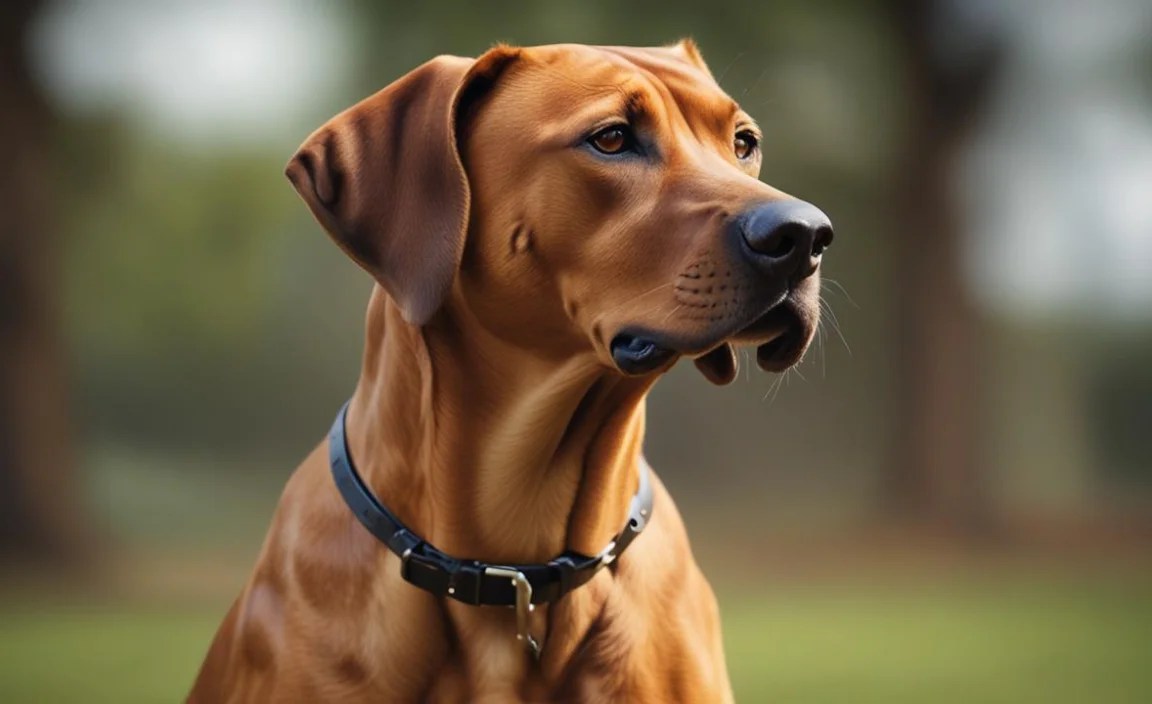
Today, the Rhodesian Ridgeback is recognized by kennel clubs around the world and is a popular breed among dog lovers. They are known for their loyalty, intelligence, and athleticism.
Breed Characteristics
The Rhodesian Ridgeback is characterized by several key traits:
- Loyalty: They form strong bonds with their families and are fiercely protective.
- Intelligence: They are highly intelligent and trainable, but can also be independent thinkers.
- Athleticism: They require plenty of exercise and mental stimulation to stay happy and healthy.
- The Ridge: The distinctive ridge of hair along their back is their most recognizable feature.
Health Considerations
Like all breeds, Rhodesian Ridgebacks are prone to certain health issues. These include:
- Hip and elbow dysplasia
- Dermoid sinus (a congenital skin defect)
- Bloat (gastric torsion)
Responsible breeders screen their dogs for these conditions to minimize the risk of passing them on to future generations.
A Detailed Timeline
Here’s a table summarizing the key events in the Rhodesian Ridgeback’s history:
| Year/Era | Event | Significance |
|---|---|---|
| Pre-19th Century | Khoikhoi dogs (Africanis) exist in Southern Africa | These dogs are the ancestors of the Rhodesian Ridgeback and possess the distinctive ridge. |
| 19th Century | European settlers arrive and crossbreed their dogs with Khoikhoi dogs | This crossbreeding leads to the development of dogs with improved hunting and guarding abilities. |
| Early 20th Century | Cornelius van Rooyen selectively breeds dogs with the ridge | Van Rooyen’s efforts establish a distinct line of dogs known for their lion-hunting abilities. |
| 1922 | The first breed standard is created in Bulawayo, Rhodesia | This standard defines the desired characteristics of the Rhodesian Ridgeback. |
| 1926 | The Rhodesian Ridgeback is recognized by the South African Kennel Union | Formal recognition solidifies the breed’s status. |
| World War II | Rhodesian Ridgebacks serve in various wartime roles | Their courage and intelligence make them valuable assets during the war. |
| Post-War | The breed gains popularity worldwide | Rhodesian Ridgebacks are imported to other countries and become popular family companions. |
| Today | The Rhodesian Ridgeback is recognized by kennel clubs globally | The breed continues to be cherished for its loyalty, intelligence, and athleticism. |
Caring for a Rhodesian Ridgeback
If you’re considering bringing a Rhodesian Ridgeback into your life, it’s essential to understand their needs. They are not the right breed for everyone, but for the right owner, they can be wonderful companions.
Exercise Requirements
Rhodesian Ridgebacks are energetic dogs that require a significant amount of exercise. Aim for at least:
- One to two hours of daily exercise
- Activities such as running, hiking, or playing fetch
- Mental stimulation through training and puzzle toys
Without enough exercise, they can become bored and destructive.
Training and Socialization
Early socialization and training are crucial for Rhodesian Ridgebacks. They can be independent and strong-willed, so consistent training is essential. Focus on:
- Positive reinforcement methods
- Early socialization with people and other dogs
- Obedience training to establish clear boundaries
A well-trained and socialized Ridgeback will be a joy to own.
Grooming
Rhodesian Ridgebacks have a short, dense coat that is relatively easy to groom. Regular brushing will help to remove loose hair and keep their coat healthy. They only need to be bathed occasionally, as needed. Here’s a quick grooming guide:
- Brush your Ridgeback weekly with a rubber brush or grooming mitt.
- Check their ears regularly for signs of infection and clean as needed.
- Trim their nails regularly to prevent overgrowth.
- Bathe them only when necessary, using a dog-specific shampoo.
Common Misconceptions
There are a few common misconceptions about Rhodesian Ridgebacks that are worth addressing.
They Are Always Aggressive
While they can be protective, Rhodesian Ridgebacks are not inherently aggressive. With proper socialization and training, they can be friendly and well-behaved.
They Are Only Hunting Dogs
While they were originally bred for hunting, Rhodesian Ridgebacks make excellent family companions. They are loyal and affectionate with their families.
They Are High-Maintenance
While they require a significant amount of exercise, their grooming needs are relatively low. With proper training and care, they can be relatively easy to manage.
Finding a Reputable Breeder
If you’re interested in acquiring a Rhodesian Ridgeback, it’s crucial to find a reputable breeder. A good breeder will prioritize the health and temperament of their dogs.
What to Look For
Here are some things to look for in a reputable breeder:
- Health testing of breeding dogs (hip and elbow dysplasia, dermoid sinus)
- Knowledge of the breed and its history
- Willingness to answer your questions and provide support
- A clean and well-maintained environment for the dogs
Questions to Ask
Here are some questions to ask a potential breeder:
- What health testing do you perform on your breeding dogs?
- What is the temperament of the parents?
- How do you socialize your puppies?
- Can I see the parents and the facilities?
FAQ About Rhodesian Ridgebacks
Here are some frequently asked questions about Rhodesian Ridgebacks:
Are Rhodesian Ridgebacks good family dogs?
Yes, Rhodesian Ridgebacks can be excellent family dogs with proper socialization and training. They are loyal and protective of their families.
How much exercise do Rhodesian Ridgebacks need?
Rhodesian Ridgebacks need a lot of exercise, at least one to two hours per day. Activities like running, hiking, and playing fetch are great for them.
Are Rhodesian Ridgebacks easy to train?
Rhodesian Ridgebacks are intelligent but can be independent. Consistent, positive reinforcement training is essential.
Do Rhodesian Ridgebacks shed a lot?
Rhodesian Ridgebacks have a short coat and are moderate shedders. Regular brushing can help to minimize shedding.
What is the average lifespan of a Rhodesian Ridgeback?
The average lifespan of a Rhodesian Ridgeback is 10 to 12 years.
What is dermoid sinus?
Dermoid sinus is a congenital skin defect that can occur in Rhodesian Ridgebacks. Responsible breeders screen their dogs to minimize the risk.
Are Rhodesian Ridgebacks good with other dogs?
With early socialization, Rhodesian Ridgebacks can get along well with other dogs. However, they may be dominant, so proper introductions are important.
Conclusion
The Rhodesian Ridgeback’s timeline is a testament to their adaptability and resilience. From their origins as the dogs of the Khoikhoi people to their development as skilled hunting dogs and beloved family companions, they have proven themselves to be a truly remarkable breed. Understanding their history and unique characteristics can help you appreciate and care for these magnificent dogs. Whether you’re a seasoned dog owner or considering bringing a Rhodesian Ridgeback into your life, remember that responsible ownership, proper training, and plenty of love are key to a happy and fulfilling life together. Embrace the journey with your Ridgeback, and you’ll discover a loyal and intelligent companion like no other. If you are looking to adopt a Rhodesian Ridgeback, make sure to check out the resources from the American Kennel Club American Kennel Club – Rhodesian Ridgeback.


