
Development of the Great Dane: A Powerful Guide

Quick Summary: Development of the Great Dane
The Great Dane’s development is a fascinating journey from ancient boarhounds to the gentle giants we know today. Bred for hunting and guarding, they evolved in Germany over centuries, combining traits from English Mastiffs and Irish Wolfhounds. Selective breeding refined their size, temperament, and appearance, resulting in a powerful yet friendly breed admired worldwide for their loyalty and elegance.
Have you ever wondered about the majestic Great Dane, a breed known for its impressive size and gentle nature? Many people are curious about how this giant dog came to be. Understanding the Great Dane’s history helps us appreciate their unique qualities and care for them better. It’s a story of selective breeding, evolving roles, and a touch of German ingenuity.
In this article, we’ll explore the fascinating journey of the Great Dane, from its early ancestors to the modern breed we love. We’ll cover their development, key historical influences, and how they transformed into the friendly companions they are today. Get ready to discover the rich heritage of the Great Dane!
The Early Ancestors of the Great Dane

The Great Dane’s story begins with ancient breeds used for hunting and guarding. These early dogs laid the foundation for the breed’s impressive size and strength.
Ancient Hunting Dogs
The Molosser dogs, originating from ancient Greece, are considered the ancestors of many large breeds, including the Great Dane. These dogs were known for their massive size and powerful build, making them excellent guardians and hunters. They were often used to hunt large game such as boars and bears.
Over time, these Molosser-type dogs spread across Europe, evolving into various regional breeds. In Germany, they were crossed with other breeds to create dogs specifically suited for hunting wild boar. These early German boarhounds were the direct predecessors of the Great Dane.
The English Mastiff Influence
The English Mastiff also played a significant role in the Great Dane’s development. Mastiffs are another ancient breed, known for their large size, courage, and protective nature. They were often used as war dogs and guardians of estates.
When Mastiffs were brought to Germany, they were crossed with the local boarhounds. This crossbreeding contributed to the Great Dane’s size, bone structure, and overall strength. The Mastiff’s influence is evident in the Dane’s broad head and powerful build.
The Irish Wolfhound Contribution
The Irish Wolfhound, known for its incredible height and hunting abilities, also played a part in the Great Dane’s ancestry. These dogs were originally bred to hunt wolves in Ireland and were prized for their speed, agility, and courage.
The introduction of Irish Wolfhound blood into the German boarhounds helped to increase their height and refine their hunting skills. This combination of traits contributed to the Great Dane’s elegant appearance and athletic capabilities.
The Development of the Great Dane in Germany

The Great Dane, as we know it today, was primarily developed in Germany. Over centuries, breeders carefully selected and refined the breed to create a dog that was both powerful and elegant.
The German Boarhounds
In the 16th century, German nobles began to develop specialized boarhounds for hunting wild boars. These dogs needed to be large, strong, and fearless to take down such formidable prey. Different regions of Germany had their own variations of these boarhounds, each with slightly different characteristics.
Some of the names used for these early Great Danes included “Englische Dogge” (English Dogge) and “Ulmer Dogge” (Ulm Dogge). These names reflected the regional variations and the influence of breeds like the English Mastiff.
Standardization of the Breed
In the 19th century, efforts were made to standardize the breed and create a more uniform appearance. In 1880, a group of breeders and judges met in Berlin to establish the first official breed standard for the Great Dane. This standard defined the desired characteristics of the breed, including size, color, and temperament.
The name “Deutsche Dogge” (German Dogge) was chosen to represent the breed, emphasizing its German origins. This standardization helped to solidify the Great Dane’s identity and distinguish it from other large breeds.
The Role of the Great Dane
Originally, Great Danes were used for hunting large game, but over time, their role evolved. They became popular as guard dogs and companions, prized for their loyalty and protective nature. Their impressive size and imposing appearance made them excellent deterrents to intruders.
Great Danes also became popular as status symbols among the German aristocracy. Their elegant appearance and gentle demeanor made them fashionable pets, often seen accompanying their owners on walks and hunts.
Key Breed Characteristics of the Great Dane

The Great Dane is known for its unique combination of size, strength, and elegance. Several key characteristics define the breed and make it stand out.
Size and Build
One of the most defining features of the Great Dane is its impressive size. Males typically stand 30-32 inches tall at the shoulder and weigh 140-175 pounds, while females stand 28-30 inches tall and weigh 110-140 pounds. Their bodies are muscular and well-proportioned, giving them a powerful yet graceful appearance.
The Great Dane’s build is athletic and agile, despite their large size. They have a deep chest, a strong back, and long, muscular legs. Their overall appearance is one of strength and elegance.
Coat and Colors
The Great Dane has a short, dense coat that is easy to care for. The breed comes in a variety of colors, including:
- Fawn: A golden-tan color.
- Brindle: A fawn base with black stripes.
- Blue: A solid steel-gray color.
- Black: A solid black color.
- Harlequin: A white base with black patches irregularly distributed over the body.
- Mantle: A black blanket over the body with a white muzzle, chest, and legs.
Each color variation adds to the Great Dane’s unique appeal, and breeders often focus on maintaining the quality and clarity of the coat.
Temperament and Personality
Despite their imposing size, Great Danes are known for their gentle and friendly temperament. They are often referred to as “gentle giants” due to their affectionate and playful nature. They are good-natured, loving, and devoted to their families.
Great Danes are also known for being good with children and other animals, making them excellent family pets. However, due to their size, supervision is always necessary to prevent accidental injuries. They are intelligent and trainable, but they can also be stubborn at times, requiring patient and consistent training.
The Great Dane Today

Today, the Great Dane is a popular breed around the world, admired for its impressive appearance and gentle nature. They continue to be cherished as companions and family pets.
Popularity as a Companion Animal
Great Danes have transitioned from hunting dogs to beloved companion animals. Their loyal and affectionate nature makes them wonderful family pets, and their imposing size provides a sense of security. They enjoy spending time with their families and are always up for a cuddle or a play session.
According to the American Kennel Club (AKC), the Great Dane consistently ranks among the most popular breeds in the United States. Their popularity is a testament to their wonderful temperament and suitability as family pets.
Health Considerations
Like all breeds, Great Danes are prone to certain health issues. Some of the common health concerns in Great Danes include:
- Bloat (Gastric Dilatation-Volvulus): A life-threatening condition where the stomach twists and fills with gas.
- Hip Dysplasia: A genetic condition that affects the hip joint, leading to arthritis and pain.
- Cardiomyopathy: A heart condition that can cause heart failure.
- Osteosarcoma: A type of bone cancer that is more common in large breeds.
Responsible breeders screen their dogs for these health issues to minimize the risk of passing them on to future generations. Regular veterinary checkups and a healthy lifestyle are essential for keeping Great Danes healthy and happy.
Care and Maintenance
Caring for a Great Dane requires attention to their specific needs. Due to their large size, they require plenty of space to move around and exercise. A balanced diet is crucial to prevent rapid growth, which can lead to skeletal problems. Regular exercise helps to keep them physically and mentally stimulated.
Grooming is relatively easy, thanks to their short coat. Regular brushing helps to remove loose hair and keep their coat healthy. Additionally, regular dental care, nail trimming, and ear cleaning are important for maintaining their overall health and hygiene.
Training and Socialization
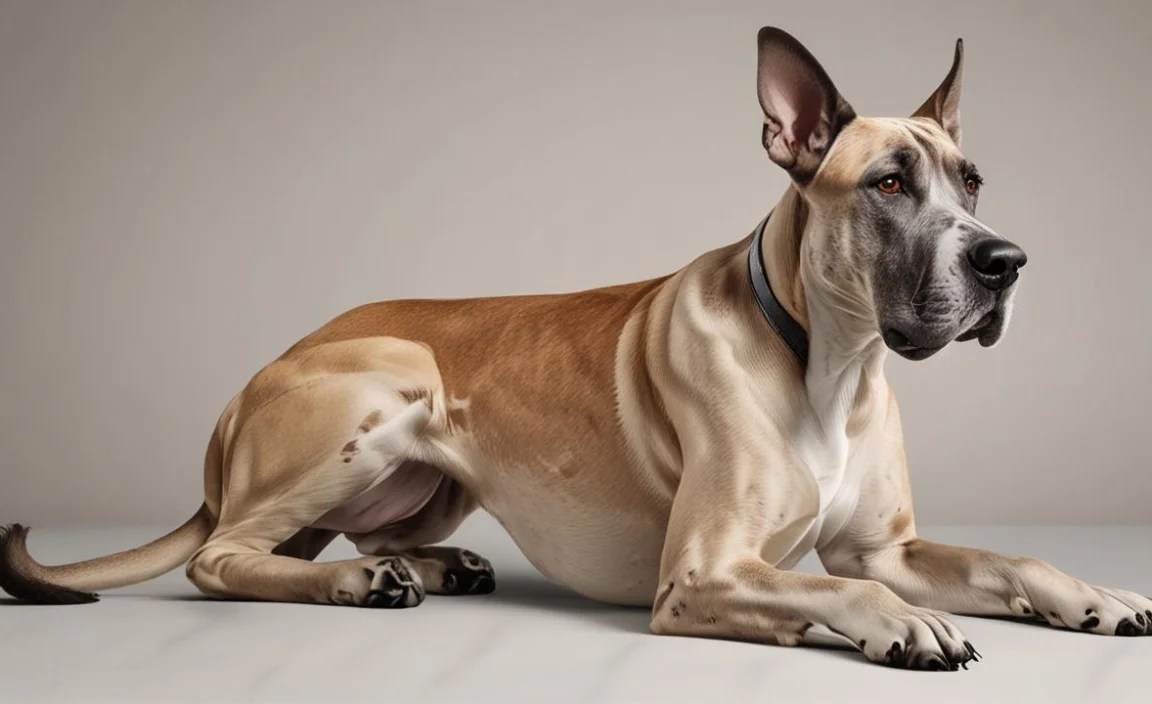
Proper training and socialization are essential for Great Danes to ensure they grow into well-behaved and well-adjusted adults.
Early Socialization
Early socialization is crucial for Great Danes to help them become comfortable and confident in different situations. Exposing them to various sights, sounds, people, and other animals from a young age can help prevent fearfulness and aggression later in life. Puppy classes and playdates are excellent ways to socialize your Great Dane puppy.
Obedience Training
Obedience training is essential for Great Danes due to their large size and strength. Basic commands such as sit, stay, come, and down are important for controlling their behavior and ensuring their safety. Positive reinforcement techniques, such as treats and praise, work best for training Great Danes.
Consistency and patience are key when training Great Danes. They can be stubborn at times, but with consistent training and positive reinforcement, they can become well-behaved and obedient companions.
Addressing Potential Behavioral Issues
Great Danes can be prone to certain behavioral issues, such as excessive barking, chewing, and separation anxiety. Addressing these issues early on is crucial to prevent them from becoming more serious problems. Providing plenty of exercise, mental stimulation, and attention can help reduce the likelihood of these issues.
If you are struggling with behavioral issues, consider seeking the help of a professional dog trainer or behaviorist. They can provide guidance and support to help you address the issues and improve your Great Dane’s behavior.
The Great Dane in Popular Culture
The Great Dane has made numerous appearances in popular culture, further cementing its status as a beloved and iconic breed.
Famous Great Danes
Several Great Danes have achieved fame through their appearances in movies, television shows, and books. Some notable examples include:
- Scooby-Doo: The most famous Great Dane of all, Scooby-Doo is a lovable and goofy cartoon character who has entertained audiences for generations.
- Astro: The family dog in the classic cartoon “The Jetsons,” Astro is a loyal and playful Great Dane.
- Marmaduke: A comic strip and movie character, Marmaduke is a mischievous and lovable Great Dane who gets into all sorts of trouble.
These fictional Great Danes have helped to popularize the breed and showcase their gentle and affectionate nature.
Symbolism and Representation
The Great Dane is often used as a symbol of strength, loyalty, and elegance. Their imposing size and graceful appearance make them a popular choice for representing these qualities in art, literature, and advertising. They are also seen as symbols of protection and guardianship.
In many cultures, the Great Dane is admired for its noble and dignified demeanor. They are often associated with the aristocracy and are seen as symbols of wealth and status.
Conclusion: The Legacy of the Great Dane
The Great Dane’s development is a testament to the power of selective breeding and the enduring bond between humans and dogs. From their ancient ancestors to the modern breed, Great Danes have evolved into gentle giants, admired for their loyalty, elegance, and affectionate nature.
Whether you are a long-time Great Dane owner or simply an admirer of the breed, understanding their history and development can deepen your appreciation for these magnificent dogs. With proper care, training, and socialization, Great Danes can make wonderful companions and bring joy to families around the world.
So, the next time you see a Great Dane, remember the rich history and careful development that has shaped this remarkable breed. They are truly a testament to the enduring legacy of dogs in our lives.
Frequently Asked Questions (FAQs)
What were Great Danes originally bred for?
Great Danes were originally bred in Germany to hunt wild boars. They needed to be large, strong, and fearless to take down such formidable prey.
Are Great Danes good family pets?
Yes, Great Danes are known for their gentle and friendly temperament, making them excellent family pets. They are good-natured, loving, and devoted to their families.
What are some common health issues in Great Danes?
Common health issues in Great Danes include bloat (Gastric Dilatation-Volvulus), hip dysplasia, cardiomyopathy, and osteosarcoma.
How much exercise do Great Danes need?
Great Danes need moderate exercise to stay healthy and happy. Daily walks and playtime are essential to keep them physically and mentally stimulated.
Are Great Danes easy to train?
Great Danes are intelligent but can be stubborn at times. Consistent training and positive reinforcement techniques work best for training Great Danes.
What is the average lifespan of a Great Dane?
The average lifespan of a Great Dane is 7-10 years.
What kind of grooming do Great Danes require?
Great Danes have a short, dense coat that is easy to care for. Regular brushing helps to remove loose hair and keep their coat healthy.


