
Ultimate Dog Breeds for Multi-Dog Households

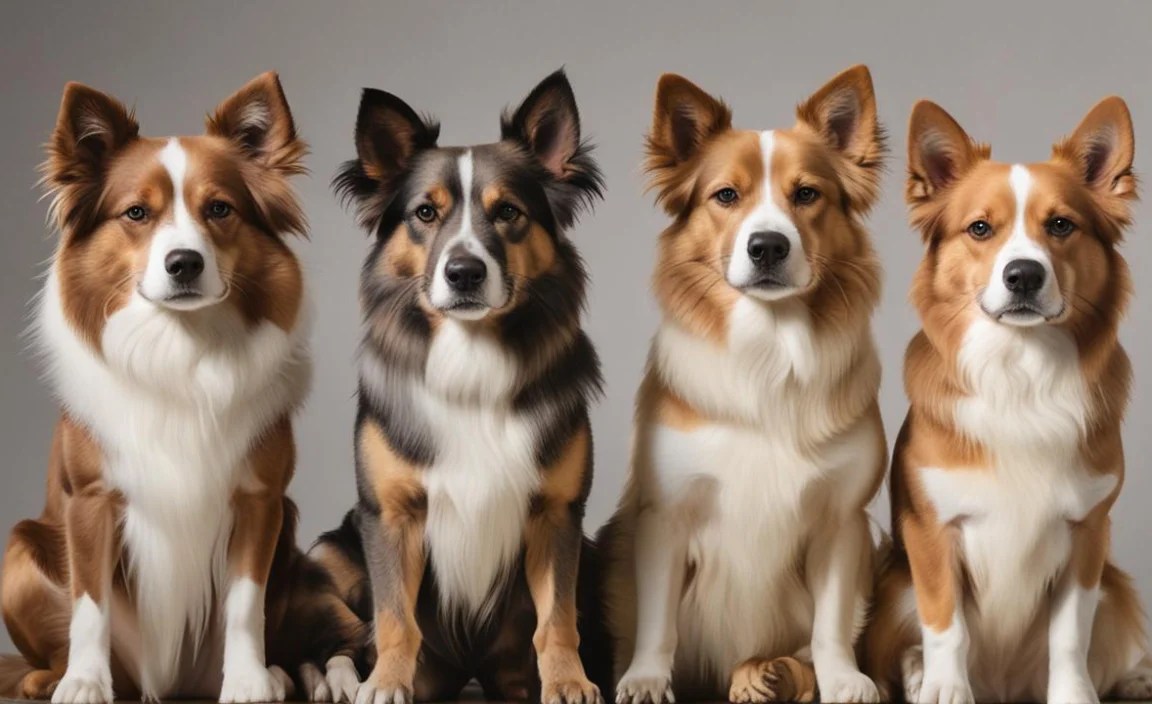
Thinking of adding another dog to your family? Choosing the right breed is key! Some breeds thrive in multi-dog homes, while others prefer being the only furry friend. Consider breeds like Golden Retrievers, Beagles, or Bernese Mountain Dogs, known for their friendly and adaptable nature. Careful planning ensures a happy, harmonious pack!
Bringing a new dog into your home is an exciting time, but it’s essential to consider how your current dog will react. Not all dogs are created equal when it comes to sharing their space. Choosing the right breed can make all the difference between a peaceful household and a chaotic one. Many dog owners dream of a harmonious pack, but the reality can be challenging if you don’t choose wisely. This guide will walk you through the best dog breeds for multi-dog households, helping you make an informed decision and set the stage for a happy, balanced home.
Choosing Dog Breeds for Multi-Dog Households: A Comprehensive Guide

Selecting the right dog breed for a multi-dog household involves careful consideration of temperament, energy levels, and compatibility. Introducing a new dog can be seamless with the right preparation and understanding. Here’s a detailed guide to help you navigate this process.
Understanding Dog Temperaments
Before diving into specific breeds, it’s important to understand the basic temperaments that tend to work well in multi-dog households.
- Social and Friendly: Dogs that naturally enjoy the company of other dogs.
- Adaptable: Breeds that can adjust to new environments and routines easily.
- Non-Competitive: Dogs that don’t display excessive dominance or resource guarding.
- Calm and Patient: Dogs that can tolerate the energy and antics of other dogs without becoming overly stressed or reactive.
Top Dog Breeds for Multi-Dog Households

Here are some of the best dog breeds that generally do well in homes with multiple dogs:
1. Golden Retriever

Golden Retrievers are known for their friendly and tolerant nature. They are highly social and typically enjoy the company of other dogs, making them an excellent choice for a multi-dog household. According to the American Kennel Club (AKC), Golden Retrievers are eager to please and adapt well to different living situations.
- Pros: Friendly, adaptable, intelligent, and eager to please.
- Cons: Requires regular exercise and grooming.
2. Labrador Retriever
Similar to Golden Retrievers, Labrador Retrievers are sociable, outgoing, and generally get along well with other dogs. They are energetic and playful, which can be a great asset in a multi-dog home where they can engage in play together. The Labrador Retriever Club highlights their versatility and friendly demeanor.
- Pros: Friendly, energetic, trainable, and good with children.
- Cons: Can be prone to obesity if not properly exercised.
3. Beagle
Beagles are pack animals by nature, making them well-suited for multi-dog households. They enjoy companionship and tend to thrive when they have canine friends. Beagles are also relatively low-maintenance in terms of grooming. The National Beagle Club emphasizes their need for companionship and exercise.
- Pros: Pack-oriented, low-maintenance grooming, and energetic.
- Cons: Can be prone to wandering if not properly contained.
4. Bernese Mountain Dog

Bernese Mountain Dogs are gentle giants known for their calm and patient demeanor. They are typically good with other dogs and can bring a sense of stability to a multi-dog household. The Bernese Mountain Dog Club of America notes their gentle nature and ability to get along with other animals.
- Pros: Gentle, calm, good with other animals, and loyal.
- Cons: Requires space and can be prone to certain health issues.
5. Newfoundland

Newfoundlands are known for their sweet and gentle temperament. They are typically good with other dogs and are often referred to as “nanny dogs” due to their patient and protective nature. The Newfoundland Club of America highlights their gentle disposition and love for companionship.
- Pros: Gentle, patient, good with children, and protective.
- Cons: Requires space and can drool excessively.
6. Irish Setter

Irish Setters are energetic and friendly dogs that generally get along well with other dogs. They enjoy having companions to play with and can thrive in a multi-dog household where they have an outlet for their energy. The Irish Setter Club of America describes them as sociable and enthusiastic.
- Pros: Energetic, friendly, sociable, and playful.
- Cons: Requires a lot of exercise and can be prone to separation anxiety.
7. American Foxhound
Bred to hunt in packs, American Foxhounds are naturally inclined to get along with other dogs. They are social and enjoy the company of their canine counterparts. The American Kennel Club notes their pack-oriented nature and need for exercise.
- Pros: Pack-oriented, energetic, and low-maintenance grooming.
- Cons: Requires a lot of exercise and can be difficult to train.
8. Cavalier King Charles Spaniel

Cavalier King Charles Spaniels are affectionate and adaptable dogs that generally do well in multi-dog households. They are friendly and enjoy companionship, making them a great addition to a home with other dogs. The Cavalier King Charles Spaniel Club highlights their gentle and affectionate nature.
- Pros: Affectionate, adaptable, good with children, and easy to train.
- Cons: Can be prone to certain health issues.
Breeds to Approach with Caution

While the breeds listed above are generally good choices for multi-dog households, some breeds may require more careful consideration and management.
- Terriers: Many terrier breeds have a strong prey drive and can be assertive, which may lead to conflicts with other dogs.
- Bully Breeds: While some bully breeds can do well in multi-dog homes, they can also be prone to dog aggression, especially same-sex aggression.
- Chow Chows: Chow Chows are known for being independent and can be territorial, making them less suitable for multi-dog households.
Factors to Consider When Choosing a Breed

Beyond breed-specific traits, several other factors should be considered when choosing a dog for a multi-dog household.
1. Age and Energy Levels

Consider the age and energy levels of your current dog(s) and the potential new addition. A young, energetic puppy may overwhelm an older, more sedate dog. Similarly, two high-energy dogs may clash if their play styles are incompatible. It’s important to match energy levels to ensure a harmonious environment.
2. Sex Combinations
In general, opposite-sex pairings tend to work better than same-sex pairings, especially when it comes to preventing dominance-related conflicts. Two males may compete for dominance, and two females may also clash, particularly if they have similar personalities.
3. Individual Personality

Every dog is an individual, and breed stereotypes don’t always apply. It’s essential to assess the individual personality of the dog you’re considering adding to your household. If possible, arrange a meeting between your current dog(s) and the potential new addition in a neutral environment to observe their interactions.
4. Resource Guarding

Resource guarding is a common issue in multi-dog households. It occurs when a dog becomes possessive of certain resources, such as food, toys, or even their owner’s attention. Addressing resource guarding early is crucial to prevent conflicts. Management strategies include feeding dogs separately, providing individual toys, and teaching dogs to share.
5. Training and Socialization

Proper training and socialization are essential for all dogs, but they are particularly important in multi-dog households. Training can help establish clear boundaries and expectations, while socialization can help dogs learn to interact appropriately with other dogs. Consider enrolling your dogs in obedience classes or hiring a professional trainer to help with specific issues.
Introducing a New Dog to Your Household: A Step-by-Step Guide

Introducing a new dog to your existing pack requires patience and careful planning. Here’s a step-by-step guide to help you navigate the process.
- Initial Separation: Keep the new dog separate from your existing dog(s) for the first few days. This allows them to get used to each other’s scent without direct contact.
- Scent Swapping: Swap bedding or toys between the dogs to help them become familiar with each other’s scent.
- Supervised Introductions: Begin with short, supervised introductions in a neutral environment, such as a park or a friend’s yard. Keep the dogs on leashes and observe their body language closely.
- Gradual Integration: Gradually increase the amount of time the dogs spend together, always under supervision. Allow them to interact off-leash in a safe, enclosed area.
- Separate Feeding: Feed the dogs separately to prevent resource guarding. Provide each dog with their own food bowl and water bowl.
- Individual Attention: Make sure to give each dog individual attention and playtime to prevent jealousy and maintain a balanced dynamic.
Managing Conflicts in a Multi-Dog Household

Even with careful planning, conflicts may arise in a multi-dog household. Here are some tips for managing conflicts effectively.
- Identify the Trigger: Determine what triggers the conflicts. Is it food, toys, attention, or something else?
- Separate the Dogs: If a conflict occurs, separate the dogs immediately. Use a verbal command or a physical barrier to interrupt the behavior.
- Consult a Professional: If conflicts are frequent or severe, consult a professional dog trainer or behaviorist. They can help you identify the underlying causes and develop a management plan.
- Provide Enrichment: Ensure that each dog has adequate mental and physical stimulation. Boredom can lead to behavioral issues, including aggression.
- Establish Clear Rules: Establish clear rules and boundaries for all dogs in the household. Consistency is key to maintaining a balanced dynamic.
Creating a Harmonious Environment

Creating a harmonious environment for your multi-dog household requires ongoing effort and commitment. Here are some additional tips to help you succeed.
- Provide Adequate Space: Ensure that each dog has their own comfortable space to retreat to when they need a break.
- Rotate Toys: Rotate toys regularly to keep them interesting and prevent resource guarding.
- Supervise Playtime: Supervise playtime to ensure that it remains positive and enjoyable for all dogs.
- Maintain Consistency: Maintain consistency in your training and management practices. Dogs thrive on routine and predictability.
Benefits of a Multi-Dog Household

While managing a multi-dog household can be challenging, it can also be incredibly rewarding. Here are some of the benefits of having multiple dogs:
- Companionship: Dogs provide companionship for each other, which can help reduce boredom and separation anxiety.
- Exercise: Dogs encourage each other to exercise, which can help keep them physically fit and mentally stimulated.
- Socialization: Dogs learn social skills from each other, which can help them become more well-adjusted and confident.
- Love and Affection: More dogs mean more love and affection. Dogs can bring joy and laughter to your life.
Dog Breed Compatibility Chart

To provide a quick reference, here’s a compatibility chart that summarizes which breeds tend to get along well with others.
| Breed | Compatibility with Other Dogs | Energy Level | Temperament |
|---|---|---|---|
| Golden Retriever | Excellent | Moderate to High | Friendly, Adaptable |
| Labrador Retriever | Excellent | High | Sociable, Outgoing |
| Beagle | Good | Moderate to High | Pack-Oriented, Energetic |
| Bernese Mountain Dog | Good | Low to Moderate | Gentle, Calm |
| Newfoundland | Excellent | Low to Moderate | Gentle, Patient |
| Irish Setter | Good | High | Energetic, Friendly |
| American Foxhound | Excellent | High | Pack-Oriented, Energetic |
| Cavalier King Charles Spaniel | Excellent | Low to Moderate | Affectionate, Adaptable |
Essential Supplies for a Multi-Dog Household

To ensure a smooth transition and a harmonious living environment, it’s important to have the right supplies on hand.
| Supply | Description | Why It’s Important |
|---|---|---|
| Separate Food and Water Bowls | Individual bowls for each dog | Prevents resource guarding and ensures each dog gets adequate nutrition. |
| Multiple Beds/Resting Areas | Comfortable spots for each dog to relax | Provides each dog with their own space to retreat to and feel secure. |
| Variety of Toys | A selection of toys to keep dogs entertained | Reduces boredom and prevents competition over toys. |
| Leashes and Collars | Individual leashes and collars for safe walks | Ensures each dog can be safely and comfortably walked. |
| Grooming Supplies | Brushes, shampoos, and nail clippers | Helps maintain each dog’s hygiene and health. |
| First Aid Kit | Essential medical supplies for minor injuries | Allows you to address minor injuries quickly and effectively. |
Frequently Asked Questions (FAQ)
1. What is the most important factor when choosing a dog for a multi-dog household?

The most important factor is the dog’s temperament. Look for breeds that are known to be friendly, adaptable, and non-competitive. Individual personality also matters, so try to assess the dog’s behavior before bringing them home.
2. Is it better to have male and female dogs in a multi-dog household?

Generally, opposite-sex pairings tend to work better than same-sex pairings. This can help reduce the likelihood of dominance-related conflicts.
3. How can I prevent resource guarding in a multi-dog household?

Prevent resource guarding by feeding dogs separately, providing individual toys, and teaching dogs to share. If resource guarding becomes a problem, consult a professional trainer or behaviorist.
4. How long does it take for a new dog to adjust to a multi-dog household?

The adjustment period varies depending on the dogs involved. It can take anywhere from a few weeks to several months for a new dog to fully integrate into a multi-dog household. Patience and consistent management are key.
5. What are some signs that my dogs are not getting along?

Signs that your dogs are not getting along include frequent growling, snapping, fighting, and changes in body language, such as stiffening or lip curling. If you notice these signs, separate the dogs and consult a professional.
6. Can I introduce a puppy to a multi-dog household?

Yes, you can introduce a puppy to a multi-dog household, but it requires careful supervision and management. Ensure that the adult dogs are tolerant of puppies and provide the puppy with plenty of socialization and positive experiences.
7. What should I do if my dogs start fighting?

If your dogs start fighting, separate them immediately using a verbal command or a physical barrier. Avoid putting yourself in harm’s way. Once the dogs are separated, assess any injuries and consult a veterinarian if necessary. Seek professional help from a trainer or behaviorist to address the underlying issues.
Conclusion
Creating a harmonious multi-dog household is an achievable goal with the right planning and understanding. By carefully considering breed characteristics, individual personalities, and management strategies, you can create a happy and balanced environment for your furry friends. Remember, patience, consistency, and a commitment to providing each dog with individual attention are essential for success. With the right approach, a multi-dog household can bring even more joy and companionship into your life.


