
History of the Mastiff Breed: Powerful Origins

Quick Summary:
The Mastiff’s history stretches back to ancient times, with roots in breeds used for war and guarding. Over centuries, these dogs evolved into the gentle giants we know today. Their lineage includes ties to Roman war dogs and Asian breeds, contributing to their size, strength, and loyal nature. Today’s Mastiffs are primarily family companions, known for their calm demeanor and protective instincts.
Have you ever looked at a Mastiff and wondered about the long journey this majestic breed has taken through history? It’s fascinating to think about how these gentle giants, often seen as family pets today, have ancestors that were fierce warriors and guardians. Understanding their history helps us appreciate their unique traits and needs.
Many people are curious about the origins of the Mastiff. Where did they come from? How did they become the dogs we know and love today? This article will explore the rich history of the Mastiff breed, from its ancient roots to its modern role as a beloved companion. We’ll uncover the key moments and influences that shaped the breed, giving you a deeper understanding of these wonderful dogs.
Here’s what we’ll cover:
- The ancient origins of the Mastiff.
- How they were used in war and guarding.
- The breed’s evolution through different cultures.
- The Mastiff’s role in modern society.
Ancient Origins of the Mastiff

The story of the Mastiff begins thousands of years ago, with evidence suggesting their ancestors date back to ancient civilizations. These early dogs were large and powerful, primarily used for guarding and warfare. Their size and strength made them formidable protectors, and they quickly became valued members of ancient societies.
Early Ancestors
The exact origins of the Mastiff are somewhat shrouded in mystery, but historians believe they descended from ancient breeds like the Molossus. The Molossus was a large, powerful dog used by the ancient Greeks, known for its strength and courage in battle. These dogs were prized for their ability to protect livestock and property, and their reputation spread throughout the ancient world.
- Molossus: Ancient Greek dog breed known for size and strength.
- Ancient Civilizations: Evidence of Mastiff-like dogs in ancient Mesopotamia and Egypt.
- Guardian Dogs: Early Mastiffs primarily used for guarding and protection.
Role in Ancient Societies
Mastiff-like dogs played a significant role in ancient societies, serving as guardians, war dogs, and even participants in arena events. Their imposing size and fierce loyalty made them invaluable assets in various roles. They were often depicted in ancient art and literature, further cementing their place in history.
In ancient Rome, Mastiffs were used in gladiatorial contests, where they fought against animals and even humans. Their strength and tenacity made them popular choices for these brutal spectacles. They also served as guardians of Roman camps and settlements, protecting them from invaders and wild animals.
Here’s a look at their roles:
- War Dogs: Used in battles by various ancient armies.
- Gladiatorial Contests: Participated in arena events in ancient Rome.
- Guardians: Protected livestock, property, and settlements.
The Mastiff in War and Guarding

Throughout history, Mastiffs have been used extensively in warfare and guarding. Their courage, strength, and loyalty made them ideal for these demanding roles. From ancient battles to medieval fortresses, Mastiffs have stood as steadfast protectors.
Use in Warfare
Mastiffs were formidable war dogs, often clad in armor and trained to attack enemy soldiers. Their size and strength could overwhelm opponents, and their presence on the battlefield was often enough to intimidate the enemy. They were used by various armies throughout history, including the Romans and the English.
During the Roman conquest of Britain, Mastiffs were among the dogs brought by the Roman legions. These dogs were used to guard camps and supply lines, and they also participated in battles against the native Celts. The Celts themselves admired the Mastiffs and eventually began breeding their own versions of these powerful dogs.
Here’s how they were used:
- Armor-clad Attack Dogs: Trained to attack and subdue enemy soldiers.
- Guard Dogs: Protected camps, settlements, and supply lines.
- Intimidation: Their presence on the battlefield instilled fear in the enemy.
Guarding and Protection
Beyond warfare, Mastiffs were highly valued for their guarding abilities. They were often used to protect estates, livestock, and other valuable assets. Their imposing size and protective instincts made them excellent deterrents against thieves and intruders.
In medieval England, Mastiffs were commonly used to guard castles and manor houses. They would patrol the grounds at night, alerting their owners to any signs of danger. Their loud barks and fierce demeanor were enough to scare away most intruders, and they were always ready to defend their territory if necessary.
Here’s a breakdown of their guarding roles:
- Estate Guardians: Protected estates and manor houses from intruders.
- Livestock Protection: Guarded livestock from predators and thieves.
- Deterrent: Their size and bark served as a warning to potential threats.
Evolution Through Different Cultures
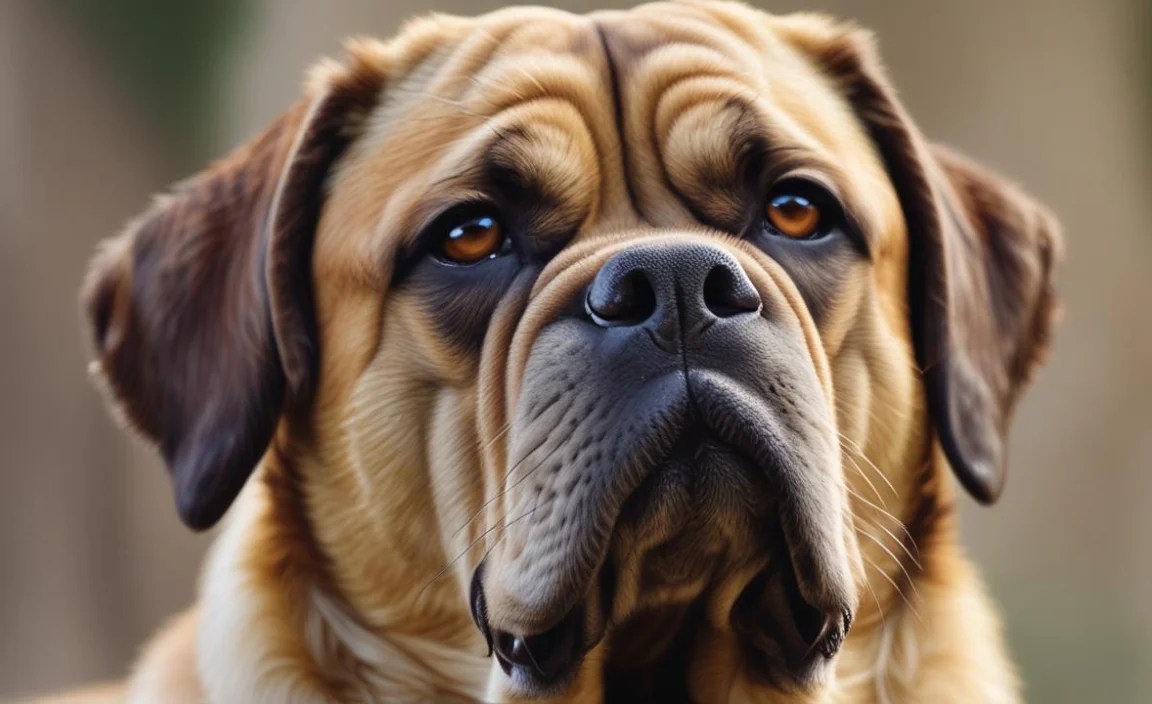
As Mastiffs spread throughout different cultures, they adapted to various environments and roles. This led to the development of different types and breeds of Mastiff, each with its unique characteristics. Their journey through different societies has shaped the breed into what it is today.
The English Mastiff
The English Mastiff is perhaps the most well-known type of Mastiff. They are characterized by their massive size, wrinkled face, and gentle disposition. English Mastiffs have a long history in England, dating back to ancient times, and they have played various roles throughout the centuries.
English Mastiffs were originally used for blood sports such as bull-baiting and bear-baiting. These cruel sports were popular in England for centuries, and Mastiffs were bred specifically for their strength and aggression in these contests. However, these sports were eventually outlawed in the 19th century, leading to a decline in the Mastiff population.
Here’s what defines the English Mastiff:
- Massive Size: One of the largest dog breeds in the world.
- Wrinkled Face: Distinctive wrinkled forehead and cheeks.
- Gentle Disposition: Known for their calm and gentle nature.
Other Mastiff Types
Besides the English Mastiff, there are several other types of Mastiff, each with its own unique characteristics. These include the Neapolitan Mastiff, the Tibetan Mastiff, and the Bullmastiff. Each of these breeds has a distinct history and purpose, reflecting the diverse roles that Mastiffs have played throughout the world.
The Neapolitan Mastiff, for example, is an Italian breed known for its loose, wrinkled skin and imposing appearance. They were originally used as guard dogs and protectors of estates. The Tibetan Mastiff, on the other hand, is a mountain dog from Tibet, known for its thick coat and protective instincts. They were used to guard livestock and monasteries in the Himalayas.
Here’s a comparison of different Mastiff types:
| Breed | Origin | Characteristics | Primary Role |
|---|---|---|---|
| English Mastiff | England | Massive size, wrinkled face, gentle disposition | Companion, guard dog |
| Neapolitan Mastiff | Italy | Loose, wrinkled skin, imposing appearance | Guard dog, protector |
| Tibetan Mastiff | Tibet | Thick coat, protective instincts | Livestock guardian, protector |
| Bullmastiff | England | Powerful build, shorter muzzle, agile | Gamekeeper’s dog, guard dog |
The Mastiff in Modern Society

Today, Mastiffs are primarily kept as family companions, known for their loyalty and gentle nature. While they still retain their protective instincts, they are generally more relaxed and affectionate than their ancestors. Their role in modern society is a testament to their adaptability and enduring appeal.
As Family Companions
Mastiffs make excellent family pets, especially for those who have the space and resources to care for them properly. They are known for their patience and tolerance, making them good with children. However, due to their size, it’s important to supervise interactions between Mastiffs and young children to prevent accidental injuries.
Mastiffs are also relatively low-energy dogs, content to spend much of their time lounging around the house. However, they still need regular exercise to stay healthy and prevent obesity. Daily walks and playtime are essential for keeping them physically and mentally stimulated.
Here’s why they make great companions:
- Loyalty: Extremely loyal and devoted to their families.
- Gentle Nature: Known for their calm and gentle demeanor.
- Patience: Tolerant and patient, especially with children.
Responsible Ownership
Owning a Mastiff comes with certain responsibilities. Due to their size and potential health issues, they require a significant investment of time and resources. Proper training, socialization, and veterinary care are essential for ensuring their well-being.
Mastiffs are prone to certain health problems, such as hip dysplasia, elbow dysplasia, and bloat. It’s important to choose a reputable breeder who screens their dogs for these conditions. Regular veterinary checkups and a healthy diet can also help prevent or manage these issues.
Here’s what responsible ownership entails:
- Training and Socialization: Essential for managing their size and protective instincts.
- Veterinary Care: Regular checkups and preventative care to address potential health issues.
- Proper Diet: A balanced diet to maintain their weight and overall health.
Caring for a Mastiff
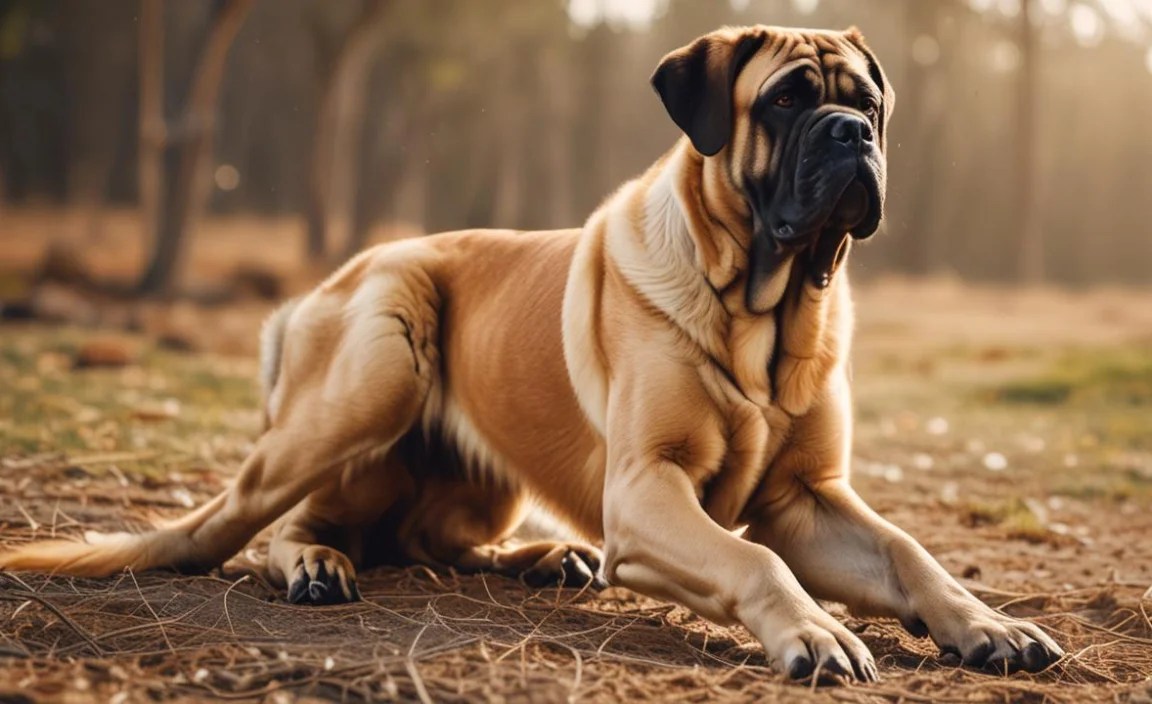
Caring for a Mastiff involves several key areas: nutrition, exercise, grooming, and health. Each of these aspects contributes to the overall well-being of your gentle giant. Understanding these needs will help you provide the best possible life for your Mastiff.
Nutrition
A balanced diet is crucial for maintaining the health and weight of a Mastiff. They require high-quality dog food that is appropriate for their age, size, and activity level. It’s important to avoid overfeeding, as obesity can exacerbate their joint problems and other health issues.
Puppies have different nutritional needs than adult dogs. They require food that is specifically formulated for large-breed puppies to support their rapid growth and development. Consult with your veterinarian to determine the best diet for your Mastiff at each stage of their life.
Key nutritional considerations:
- High-Quality Dog Food: Choose a reputable brand with quality ingredients.
- Age-Appropriate Diet: Puppies, adults, and seniors have different nutritional needs.
- Portion Control: Avoid overfeeding to prevent obesity.
Exercise
While Mastiffs are relatively low-energy dogs, they still need regular exercise to stay healthy and prevent boredom. Daily walks are essential, but avoid strenuous activities that could strain their joints. Swimming is a great low-impact exercise option for Mastiffs.
Mental stimulation is also important for Mastiffs. Puzzle toys, training sessions, and interactive games can help keep them mentally engaged and prevent behavioral problems. A bored Mastiff can become destructive, so it’s important to provide them with plenty of mental and physical enrichment.
Here’s how to exercise your Mastiff:
- Daily Walks: Essential for physical health and mental stimulation.
- Low-Impact Activities: Swimming is a great option for joint health.
- Mental Stimulation: Puzzle toys and training sessions to keep them engaged.
Grooming
Mastiffs have a short, dense coat that requires minimal grooming. Regular brushing can help remove loose hair and prevent shedding. They also need regular nail trims and ear cleaning to prevent infections.
Bathing should be done as needed, but avoid over-bathing, as it can dry out their skin. Use a gentle dog shampoo and be sure to rinse thoroughly. Pay special attention to the wrinkles on their face, as these can trap dirt and moisture, leading to skin irritation.
Grooming tips for Mastiffs:
- Regular Brushing: Helps remove loose hair and prevent shedding.
- Nail Trims: Keep nails trimmed to prevent discomfort and injury.
- Ear Cleaning: Clean ears regularly to prevent infections.
Health
Mastiffs are prone to certain health issues, including hip dysplasia, elbow dysplasia, bloat, and heart problems. Regular veterinary checkups are essential for detecting and managing these conditions. Choose a veterinarian who is experienced with large-breed dogs.
Bloat, also known as gastric torsion, is a life-threatening condition that can affect Mastiffs. It occurs when the stomach fills with gas and twists, cutting off blood supply. Symptoms include restlessness, drooling, and a distended abdomen. If you suspect your Mastiff has bloat, seek immediate veterinary care.
Key health considerations:
- Regular Veterinary Checkups: Essential for detecting and managing health issues.
- Hip and Elbow Dysplasia: Common joint problems in large breeds.
- Bloat: A life-threatening condition requiring immediate veterinary care.
FAQ About the History of the Mastiff Breed
Here are some frequently asked questions about the history of the Mastiff breed:
What are the ancient origins of the Mastiff?
The Mastiff’s ancestors date back to ancient civilizations, with roots in breeds like the Molossus. These early dogs were large and powerful, used for guarding and warfare.
How were Mastiffs used in war?
Mastiffs were used as war dogs by various armies throughout history. They were often clad in armor and trained to attack enemy soldiers, serving as formidable protectors.
What role did Mastiffs play in guarding and protection?
Mastiffs were highly valued for their guarding abilities, protecting estates, livestock, and other valuable assets. Their imposing size and protective instincts made them excellent deterrents against threats.
What are the different types of Mastiff breeds?
Besides the English Mastiff, there are other types like the Neapolitan Mastiff, Tibetan Mastiff, and Bullmastiff. Each has unique characteristics and a distinct history reflecting diverse roles.
How has the Mastiff evolved into a family companion?
Today’s Mastiffs are primarily family companions, known for their loyalty and gentle nature. They have adapted from their war and guarding roles to become relaxed and affectionate pets.
What responsibilities come with owning a Mastiff?
Owning a Mastiff requires a significant investment of time and resources. Proper training, socialization, and veterinary care are essential for ensuring their well-being due to their size and potential health issues.
What are some common health issues in Mastiffs?
Mastiffs are prone to health issues like hip dysplasia, elbow dysplasia, and bloat. Regular veterinary checkups and a healthy diet can help prevent or manage these conditions.
Conclusion
The history of the Mastiff is a rich tapestry woven through ancient battles, royal courts, and modern homes. From their ancient origins as war dogs and guardians to their present-day role as beloved family companions, Mastiffs have proven their adaptability and enduring appeal. Understanding their history helps us appreciate the unique traits and needs of this magnificent breed.
As responsible owners, it’s our duty to provide Mastiffs with the care, training, and love they deserve. By understanding their historical background and current needs, we can ensure they live happy, healthy, and fulfilling lives. Whether you’re a seasoned Mastiff owner or considering bringing one into your family, remember that you’re part of a long and storied tradition.
So, the next time you look into the soulful eyes of a Mastiff, remember the long journey they’ve taken through history. From the battlefields of ancient times to the comfort of our homes, they have remained loyal, courageous, and gentle. This is the legacy of the Mastiff, a breed that has truly stood the test of time.


