
FLUTD Prevention in British Shorthairs: Easy Guide

Have you ever seen a cat struggle to pee? It’s sad! Cats can get sick with something called FLUTD. This stands for Feline Lower Urinary Tract Disease. British Shorthair cats are extra fluffy and cute. But, they can also get FLUTD. What can we do to help them? Let’s learn about FLUTD prevention in British Shorthair cats. We want our furry friends to be happy and healthy.
Keeping your British Shorthair healthy is very important. FLUTD can be painful and dangerous. This article will give you tips. You will learn how to keep your cat healthy. Let’s make sure every British Shorthair stays happy!
Key Takeaways
- Early action is key for FLUTD prevention in British Shorthair cats.
- A clean litter box is important for your cat’s health.
- Fresh water helps prevent urinary problems in British Shorthairs.
- A healthy diet keeps your cat’s urinary system working well.
- Regular vet visits can catch problems before they get serious.
Understanding FLUTD in British Shorthairs

FLUTD is a tricky problem in cats. It affects their bladder and urethra. The urethra is the tube that carries pee out of the body. FLUTD can cause pain and make it hard to pee. Sometimes, cats even get blockages. This is very dangerous and needs a vet right away. British Shorthairs are prone to FLUTD. This might be because of their genes or lifestyle. Knowing the risks helps us protect them.
- FLUTD affects the bladder and urethra.
- It can cause pain when a cat pees.
- Blockages can be life-threatening.
- British Shorthairs are more at risk.
- Genetics and lifestyle play a role.
It is important to know the signs of FLUTD. Watch for straining to pee. Look for blood in the urine. See if your cat is peeing outside the litter box. These can all be signs of a problem. If you see these signs, call your vet right away. Early treatment can make a big difference. FLUTD can be managed with diet, medicine, and care. The goal is to keep your cat comfortable and healthy. Always watch for changes in your cat’s behavior. This will help you catch problems early.
Why Are British Shorthairs at Risk?
British Shorthairs are special cats. They have a round face and a thick coat. But, they also have some health risks. One risk is FLUTD. Why are they more at risk? It could be because of their genes. Some breeds are just more likely to get it. Their lifestyle can also play a role. If they don’t drink enough water, they can get FLUTD. Being overweight can also increase the risk. So, it’s important to keep your British Shorthair healthy. Make sure they drink enough and stay active.
Recognizing Early Signs of FLUTD
Spotting FLUTD early is key. The sooner you see the signs, the better. What should you look for? Watch your cat when they use the litter box. Are they straining to pee? Do they cry or seem uncomfortable? Check the urine for blood. Is your cat peeing more often than usual? Are they going outside the litter box? These are all red flags. If you see any of these signs, don’t wait. Call your vet right away. Early treatment can prevent serious problems.
The Role of Genetics and Lifestyle
Genetics and lifestyle both matter. Some cats are just born with a higher risk. But, we can still make a difference. A good diet can help. Make sure your cat gets enough water. Keep them at a healthy weight. Reduce stress in their environment. These things can all lower the risk of FLUTD. Talk to your vet about the best ways to care for your cat. They can give you advice tailored to your cat’s needs. Remember, every cat is different. What works for one cat might not work for another.
Fun Fact or Stat: Did you know that male cats are more likely to get urinary blockages than female cats?
The Importance of Hydration

Water is super important for cats. It helps their bodies work right. It also helps prevent FLUTD. When cats don’t drink enough, their pee gets too concentrated. This can lead to crystals and stones. These can irritate the bladder and cause problems. Making sure your British Shorthair stays hydrated is key. How can you do this? Always have fresh water available. Try different types of bowls. Some cats like fountains. Wet food can also help. It adds extra moisture to their diet.
- Water helps prevent concentrated urine.
- Crystals and stones can cause FLUTD.
- Always provide fresh, clean water.
- Try different bowls or fountains.
- Wet food adds moisture to their diet.
- Monitor water intake daily.
Cats often don’t drink enough water. They don’t have a strong thirst drive. So, we need to make it easy for them. Put water bowls in different places. Keep them away from food. Cats like to drink in quiet spots. Clean the bowls every day. Dirty water can turn them off. If your cat still doesn’t drink much, try adding flavor. A little bit of tuna juice can help. Talk to your vet about other ways to boost water intake.
Choosing the Right Water Bowl
The right water bowl matters. Some cats don’t like deep bowls. Their whiskers might touch the sides. This can make them uncomfortable. Try a wide, shallow bowl. Some cats prefer ceramic or glass. Others like stainless steel. Avoid plastic bowls. They can harbor bacteria. Water fountains are another option. They provide fresh, moving water. This can encourage cats to drink more. Experiment to see what your cat likes best.
Encouraging Water Intake Through Diet
Diet plays a big role in hydration. Dry food has very little moisture. Wet food has a lot more. Adding wet food to your cat’s diet can help. You can also add water to dry food. This makes it easier to eat and adds moisture. Talk to your vet about the best diet for your cat. They can help you choose foods that support urinary health. Remember, a balanced diet is important for overall health.
Monitoring Your Cat’s Hydration Levels
How can you tell if your cat is hydrated? Check their skin. Gently pinch the skin on their back. If it snaps back quickly, they are likely hydrated. If it stays up for a few seconds, they might be dehydrated. Look at their gums. They should be moist and pink. Dry or sticky gums can be a sign of dehydration. Watch their urine. It should be light yellow. Dark urine means they need more water. If you are worried, talk to your vet.
Fun Fact or Stat: Cats who eat only dry food are more likely to develop FLUTD than cats who eat wet food!
Dietary Strategies for FLUTD Prevention

What your cat eats matters a lot. A good diet can help prevent FLUTD. It should be balanced and complete. Look for foods that are low in magnesium and phosphorus. These minerals can contribute to crystal formation. The food should also help maintain a healthy urine pH. This means it should be slightly acidic. Talk to your vet about the best food for your British Shorthair. They can recommend a diet that supports urinary health.
- Choose a balanced and complete diet.
- Look for low magnesium and phosphorus.
- Maintain a healthy urine pH level.
- Consider prescription urinary diets.
- Avoid overfeeding and obesity.
- Feed small, frequent meals.
Some cats need special diets. If your cat has had FLUTD before, they might need a prescription diet. These diets are designed to prevent crystals and stones. They often have ingredients that help dissolve existing crystals. Always follow your vet’s instructions. Don’t switch diets without talking to them first. It’s also important to control your cat’s weight. Overweight cats are more likely to get FLUTD. Feed them the right amount and encourage exercise.
Understanding Urine pH and Mineral Content
Urine pH is important for urinary health. It measures how acidic or alkaline the urine is. A slightly acidic pH is best for cats. This helps prevent crystals from forming. Some minerals can also cause problems. Magnesium and phosphorus are two examples. High levels of these minerals can lead to crystals and stones. Choose foods that are low in these minerals. This can help keep your cat’s urinary system healthy. Talk to your vet about the right pH level for your cat.
The Role of Prescription Urinary Diets
Prescription urinary diets are special foods. They are designed for cats with urinary problems. These diets can help dissolve crystals and prevent new ones from forming. They often contain ingredients that increase water intake. This helps flush out the urinary system. Prescription diets are not for every cat. Talk to your vet to see if one is right for your cat. Always follow their instructions carefully.
Maintaining a Healthy Weight for Urinary Health
Being overweight can increase the risk of FLUTD. Extra weight puts stress on the body. It can also affect the urinary system. Keep your cat at a healthy weight. Feed them the right amount of food. Don’t give them too many treats. Encourage them to exercise. Play with them every day. A healthy weight is good for their overall health. It can also help prevent urinary problems.
Fun Fact or Stat: Studies show that obese cats have a higher risk of developing urinary tract issues!
Stress Reduction Techniques
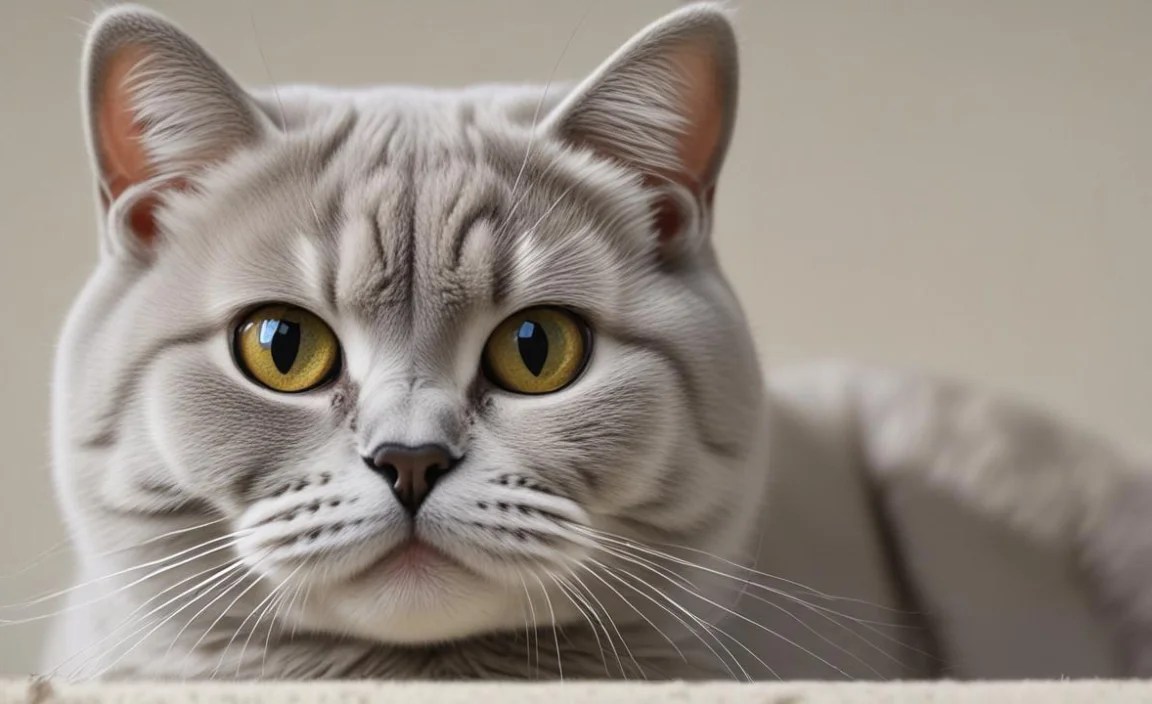
Stress can make FLUTD worse. Cats are sensitive creatures. Changes in their environment can stress them out. This can affect their urinary system. Reducing stress is important for FLUTD prevention in British Shorthair cats. Provide a safe and comfortable environment. Make sure they have places to hide. Keep their routine consistent. Use calming products like pheromone diffusers.
- Provide a safe and comfortable space.
- Keep their routine consistent.
- Use pheromone diffusers or sprays.
- Provide scratching posts and toys.
- Avoid sudden changes in environment.
- Spend quality time with your cat.
Cats like routines. They feel safe when things are predictable. Feed them at the same time every day. Clean the litter box regularly. Play with them at the same time each day. Avoid sudden changes in their environment. If you have to make a change, do it slowly. Give them time to adjust. Pheromone diffusers can also help. They release calming chemicals into the air. These can help reduce anxiety.
Creating a Calm Environment
A calm environment is key for a happy cat. Make sure they have a quiet place to retreat. This could be a cat tree or a cozy bed. Keep their space clean and tidy. Avoid loud noises and sudden movements. Provide scratching posts. Cats need to scratch. It helps them relieve stress. Play soft music. Some cats find it soothing. A calm environment can make a big difference.
The Impact of Routine and Consistency
Routine and consistency are important for cats. They like to know what to expect. Feed them at the same time every day. Clean the litter box regularly. Play with them on a schedule. This helps them feel safe and secure. Avoid changing their routine unless you have to. If you do, introduce changes slowly. Give them time to adjust. A consistent routine can reduce stress and anxiety.
Using Pheromone Therapy for Stress Relief
Pheromone therapy can help reduce stress. Pheromones are natural chemicals. Cats release them to communicate. Synthetic pheromones can mimic these chemicals. They can help cats feel more relaxed and secure. Pheromone diffusers release these chemicals into the air. Pheromone sprays can be used on bedding or furniture. Talk to your vet about whether pheromone therapy is right for your cat.
Fun Fact or Stat: Stress can increase the risk of FLUTD by 50% in susceptible cats!
Litter Box Management
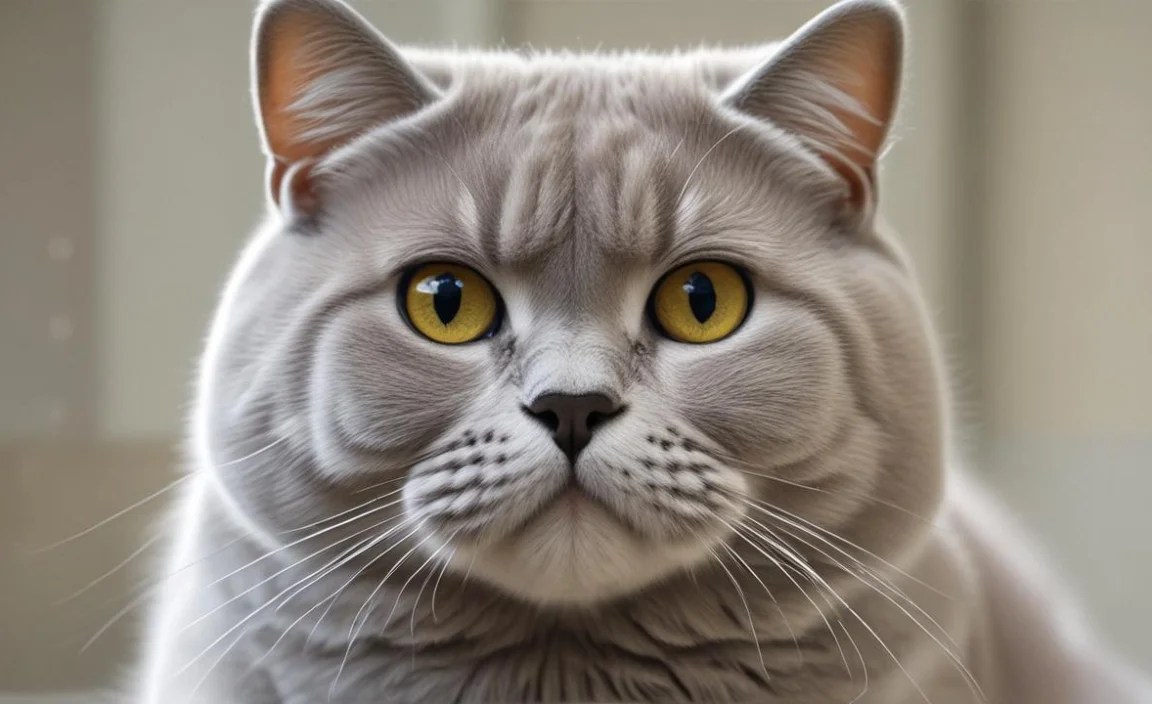
A clean litter box is vital. Cats are very clean animals. They don’t like using a dirty litter box. If the box is dirty, they might hold their pee. This can increase the risk of FLUTD. Clean the litter box at least once a day. Change the litter completely once a week. Use a litter that your cat likes. Avoid scented litters. Some cats are sensitive to the chemicals.
- Clean the litter box daily.
- Change the litter weekly.
- Use unscented litter.
- Provide enough litter boxes.
- Choose the right size and type of box.
- Place boxes in quiet, accessible areas.
The number of litter boxes matters. You should have one more litter box than you have cats. So, if you have two cats, you should have three litter boxes. Place the boxes in different locations. Make sure they are easy to access. Don’t put them in noisy or busy areas. Choose the right size and type of box. Some cats prefer open boxes. Others like covered boxes. Experiment to see what your cat likes best.
Choosing the Right Litter Type
There are many different types of litter. Clay litter is the most common. It’s affordable and easy to find. But, it can be dusty. Clumping litter forms clumps when wet. This makes it easy to scoop. Crystal litter absorbs urine and odors. It lasts longer than other types of litter. Pine litter is made from wood. It’s eco-friendly and absorbent. Experiment to see what your cat likes best.
The Importance of Litter Box Placement
Where you put the litter box matters. Cats like privacy. Place the box in a quiet, out-of-the-way location. Make sure it’s easy to access. Don’t put it near their food or water. Cats don’t like to eat and pee in the same place. Avoid placing it in a high-traffic area. Cats don’t want to be disturbed when they are using the litter box. A good location can encourage them to use it regularly.
Maintaining Hygiene and Cleanliness
Hygiene is key for a clean litter box. Scoop the box daily. This removes urine and feces. Change the litter completely once a week. Wash the box with soap and water. Avoid using harsh chemicals. They can irritate your cat. Dry the box completely before adding new litter. A clean litter box is important for your cat’s health and happiness.
Fun Fact or Stat: Cats are 30% less likely to use a dirty litter box, increasing their risk of FLUTD!
Regular Veterinary Check-Ups
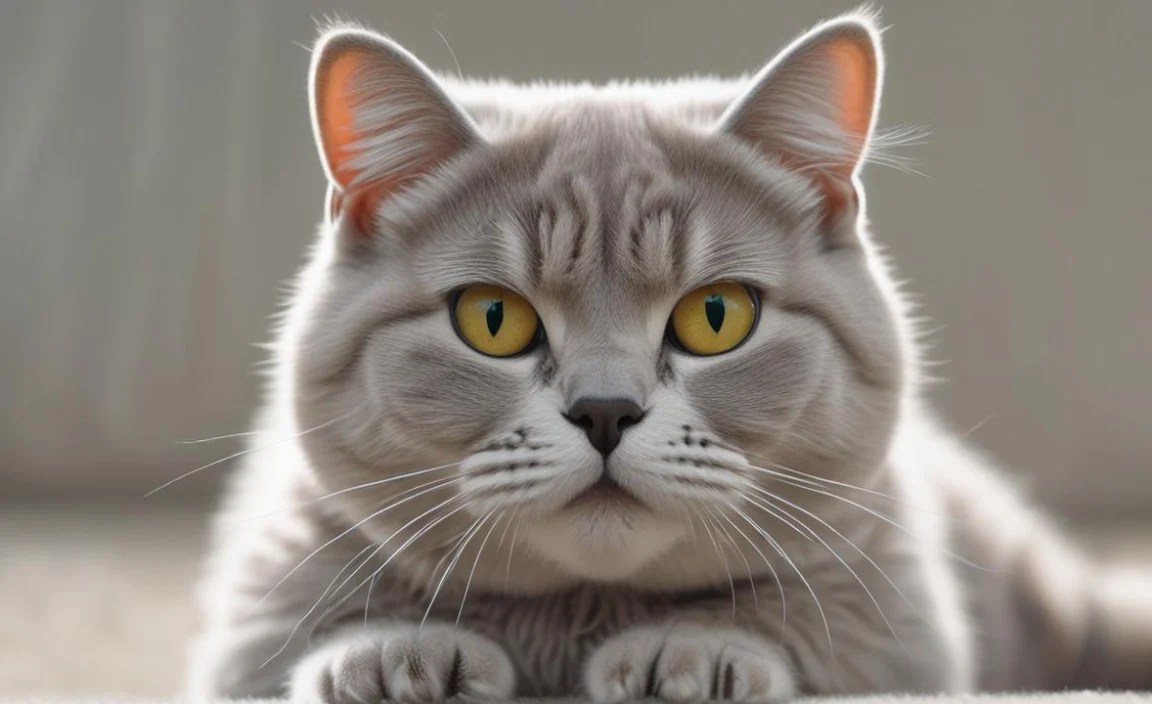
Regular vet visits are very important. Vets can catch problems early. This includes FLUTD. They can also give you advice on how to prevent it. Take your British Shorthair to the vet at least once a year. Senior cats might need to go more often. The vet will do a physical exam. They might also run tests. These tests can help detect urinary problems.
- Schedule annual vet check-ups.
- Discuss urinary health with your vet.
- Ask about urine tests and screenings.
- Follow your vet’s recommendations.
- Report any changes in behavior.
- Keep vaccinations up to date.
Talk to your vet about FLUTD. Ask them about the risk factors for your cat. Tell them about any changes in your cat’s behavior. This includes changes in urination. Your vet can recommend a diet that supports urinary health. They can also give you tips on how to reduce stress. Regular vet visits are an important part of FLUTD prevention in British Shorthair cats.
The Role of Urine Analysis in Detection
Urine analysis is a common test. It can help detect urinary problems. The vet will collect a sample of your cat’s urine. They will look at it under a microscope. They will check for crystals, bacteria, and blood. Urine analysis can help diagnose FLUTD. It can also help identify other health problems. Talk to your vet about whether your cat needs a urine analysis.
Discussing Risk Factors with Your Veterinarian
Your vet knows your cat best. They can assess their risk for FLUTD. Talk to them about your cat’s breed, age, and lifestyle. Tell them about their diet and water intake. Ask them about any family history of urinary problems. Your vet can give you personalized advice. This can help you prevent FLUTD. Regular communication with your vet is key.
Early Intervention and Treatment Options
Early intervention is important. The sooner you catch FLUTD, the better. Treatment options vary. They depend on the severity of the problem. Your vet might recommend a special diet. They might also prescribe medication. In severe cases, surgery might be needed. Follow your vet’s instructions carefully. This will help your cat recover quickly.
Fun Fact or Stat: Regular vet check-ups can increase your cat’s lifespan by up to two years!
Creating a Multi-Cat Friendly Home
If you have more than one cat, things can get tricky. Cats can get stressed if they don’t have enough resources. This includes food, water, and litter boxes. Stress can increase the risk of FLUTD. Make sure each cat has their own space. Provide enough resources for everyone. This can help reduce stress and prevent urinary problems.
- Provide enough resources for each cat.
- Ensure each cat has their own space.
- Avoid competition for resources.
- Monitor interactions between cats.
- Use vertical space to create more territory.
- Consider separate feeding and watering stations.
Cats need their own space. This includes a place to sleep, eat, and use the litter box. Make sure each cat has their own set of resources. Don’t force them to share. This can lead to competition and stress. Monitor their interactions. Watch for signs of bullying or aggression. If you see problems, separate the cats. Give them time to cool down. A multi-cat home can be happy and peaceful. But, it takes planning and effort.
Ensuring Adequate Resources for Each Cat
Each cat needs their own resources. This includes food, water, litter boxes, and beds. Don’t make them share. This can lead to stress and competition. Provide enough resources for everyone. A good rule of thumb is one resource per cat plus one extra. So, if you have two cats, you should have three of everything. This can help prevent conflict.
Minimizing Competition and Stress
Competition and stress can cause problems. Cats can get stressed if they have to compete for resources. This can lead to aggression and FLUTD. Minimize competition by providing enough resources. Make sure each cat has their own space. Avoid forcing them to interact. Let them get to know each other at their own pace. A calm and peaceful home is good for everyone.
Using Vertical Space to Expand Territory
Vertical space can help. Cats like to climb and explore. Cat trees and shelves can give them more territory. This can help reduce stress. Each cat can have their own space to retreat to. Vertical space can also provide enrichment. Cats can watch the world from a high vantage point. This can help keep them entertained.
Fun Fact or Stat: Multi-cat households that provide adequate resources see a 40% decrease in stress-related illnesses like FLUTD!
| Factor | Single-Cat Home | Multi-Cat Home |
|---|---|---|
| Resources | Easier to manage | Needs careful planning |
| Stress | Lower risk | Higher risk if not managed |
| Litter Boxes | One is usually enough | Need more, spread out |
| Veterinary Care | Simpler, individual focus | Monitor all cats, quick response needed |
Summary
FLUTD is a common problem in British Shorthair cats. It can cause pain and make it hard to pee. But, there are things you can do to prevent it. Make sure your cat drinks enough water. Feed them a healthy diet. Reduce stress in their environment. Keep the litter box clean. Take them to the vet for regular check-ups. These steps can help keep your British Shorthair healthy and happy. Early action is key for FLUTD prevention in British Shorthair cats.
Remember, every cat is different. What works for one cat might not work for another. Talk to your vet about the best ways to care for your cat. They can give you advice tailored to your cat’s needs. With the right care, you can help your British Shorthair live a long and healthy life. Proper FLUTD prevention in British Shorthair cats includes regular vet checkups to ensure that your cat is in top condition.
Conclusion
FLUTD can be scary for cat owners. But, you can take steps to protect your British Shorthair. A good diet, fresh water, and a clean litter box are important. Reducing stress is also key. Regular vet visits can help catch problems early. By taking these steps, you can help prevent FLUTD. Your British Shorthair will thank you with purrs and cuddles. By learning about FLUTD prevention in British Shorthair cats, you can help give your feline friend the best life possible.
Frequently Asked Questions
Question No 1: What is FLUTD?
Answer: FLUTD stands for Feline Lower Urinary Tract Disease. It’s a group of conditions that affect a cat’s bladder and urethra. These conditions can cause pain, difficulty urinating, and even blockages. FLUTD can be caused by crystals, stones, infections, or inflammation. Symptoms include straining to pee, blood in the urine, and peeing outside the litter box. It’s important to see a vet if you think your cat has FLUTD. Early treatment can prevent serious problems. British Shorthairs can be prone to this condition.
Question No 2: How can I tell if my British Shorthair has FLUTD?
Answer: There are several signs that may indicate your British Shorthair has FLUTD. Watch for changes in their urination habits. This includes straining to pee, peeing more often, or peeing outside the litter box. Check their urine for blood. They may also show signs of pain, such as crying or licking their genitals. If you notice any of these signs, it’s important to see a vet right away. Early diagnosis and treatment can help prevent serious complications. Ignoring these symptoms can lead to more severe health problems for your cat, so always be vigilant.
Question No 3: What is the best diet for preventing FLUTD in British Shorthairs?
Answer: The best diet for preventing FLUTD is one that supports urinary health. Look for foods that are low in magnesium and phosphorus. These minerals can contribute to crystal formation. The food should also help maintain a healthy urine pH. This means it should be slightly acidic. Wet food is often better than dry food. It helps increase water intake. Talk to your vet about the best food for your cat. They can recommend a diet that meets their specific needs. Remember, proper diet is key to FLUTD prevention in British Shorthair cats.
Question No 4: How important is water intake for FLUTD prevention?
Answer: Water intake is extremely important. Water helps dilute the urine. This reduces the risk of crystal and stone formation. Make sure your cat always has access to fresh water. Try different types of bowls. Some cats prefer fountains. Wet food can also help increase water intake. If your cat doesn’t drink much, try adding flavor to the water. A little bit of tuna juice can help. Always monitor your cat’s water intake. If you are concerned, talk to your vet. Proper hydration is a major part of FLUTD prevention in British Shorthair cats.
Question No 5: Can stress cause FLUTD in British Shorthairs?
Answer: Yes, stress can contribute to FLUTD. Cats are sensitive to changes in their environment. Stress can weaken their immune system. This can make them more susceptible to urinary problems. Provide a safe and comfortable environment. Keep their routine consistent. Use calming products like pheromone diffusers. Avoid sudden changes in their environment. Minimize stress as part of your FLUTD prevention in British Shorthair cats strategy.
Question No 6: How often should I take my British Shorthair to the vet for check-ups?
Answer: Regular vet visits are key. Take your British Shorthair to the vet at least once a year. Senior cats might need to go more often. The vet will do a physical exam. They might also run tests. These tests can help detect urinary problems early. Talk to your vet about the risk factors for your cat. Follow their recommendations for check-up frequency. Regular veterinary care is a vital part of FLUTD prevention in British Shorthair cats, so be sure to schedule those appointments.


