
British Shorthair Temperament with Dogs: A Sweet Surprise?

Do you love cats and dogs? Have you ever wondered if they can be friends? Some cats and dogs get along great! The British Shorthair temperament with dogs is interesting. Let’s find out if these furry friends can live together happily.
Key Takeaways
- Early introductions and socialization are key to a good relationship.
- British Shorthairs are calm and adaptable, which helps with dogs.
- Supervise their first meetings to ensure safety and comfort.
- Provide separate spaces for the cat to retreat when needed.
- Understanding British Shorthair temperament with dogs leads to harmony.
Understanding British Shorthair Temperament with Dogs

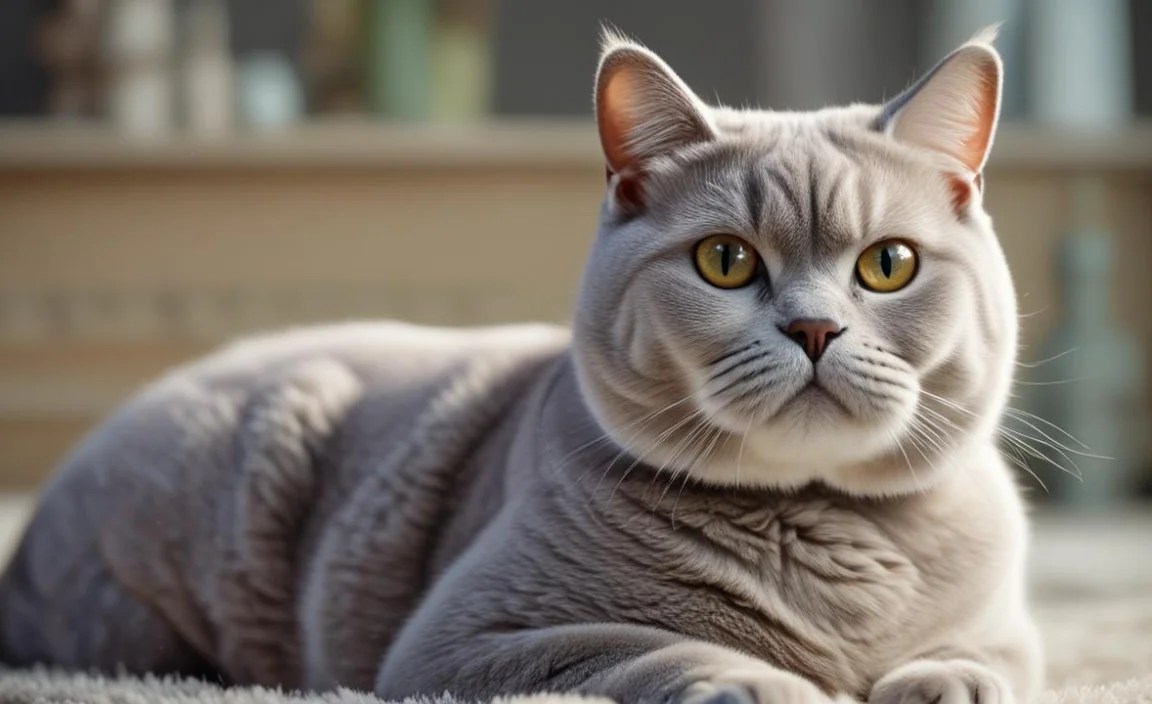
The British Shorthair is a popular cat breed. They are known for their round faces and plush coats. But what about their personality? These cats are usually very calm. They are also quite independent. This means they don’t always need attention. They are not usually scared or nervous. This can help them get along with dogs. A cat that is not easily scared will be more comfortable around a dog. Understanding the British Shorthair temperament with dogs helps owners create a peaceful home. A calm cat is more likely to accept a dog. This is especially true if they grow up together. Some British Shorthairs even become best friends with their canine housemates. Proper introduction is still important. You should never assume they will automatically get along.
- British Shorthairs are known to be calm cats.
- They are also quite independent.
- These cats are not usually nervous or scared.
- Early socialization is key to a good relationship.
- They adapt well to new situations.
It is also important to know that every cat is different. Some British Shorthairs might love dogs. Others may just tolerate them. It all depends on their personality and experiences. If a cat has had bad experiences with dogs, they may be scared. This can make it harder for them to get along. You can help by making sure their first meetings are safe and positive. Keep the dog on a leash. Let the cat approach the dog if they want to. Never force them to interact. Give the cat plenty of places to hide. This way, they can feel safe and secure. With patience and understanding, most British Shorthairs can learn to live happily with dogs. Knowing more about the British Shorthair temperament with dogs will help. This makes the process easier for everyone.
Fun Fact or Stat: British Shorthairs are one of the oldest cat breeds in England, dating back to the first century AD!
How Socialization Impacts Cat-Dog Relations
Do you know what socialization means? It’s like teaching kids to play nicely. Socialization is teaching your pets how to behave around others. When British Shorthairs are kittens, it’s important to introduce them to dogs. This helps them learn that dogs are not scary. The earlier they meet dogs, the better. Kittens are more open to new experiences. If a kitten grows up with a dog, they will likely become friends. It’s all about making good memories early on. Socialization can also help adult cats. It might take longer, but it’s still possible. The key is to be patient and positive. Use treats and praise to reward good behavior. This helps the cat associate dogs with good things.
Creating Positive First Impressions
Imagine meeting someone new for the first time. You want to make a good impression, right? It’s the same for cats and dogs! The first meeting is very important. Make sure it’s calm and controlled. Keep the dog on a leash. Let the British Shorthair watch from a safe distance. Don’t force them to get close. Let the cat explore and sniff the dog if they want to. If the cat seems scared, give them space. Try again later. Use treats and praise to reward calm behavior. This helps them associate each other with positive things. A good first impression can set the stage for a friendly relationship. Remember to be patient and understanding.
The Role of Environment in Their Interactions
Think about your own home. Do you feel safe and comfortable? Your pets need that too. The environment plays a big role in how cats and dogs get along. British Shorthairs need their own space. This could be a cat tree or a quiet room. It’s a place where they can escape from the dog. Make sure the cat has access to food, water, and a litter box away from the dog. This prevents the cat from feeling stressed or threatened. A calm and comfortable environment helps them feel secure. When they feel safe, they are more likely to be friendly. A good environment can make a big difference in their relationship.
Preparing Your Dog for a British Shorthair

Bringing a new cat into a dog’s home can be tricky. Dogs are often excited and curious. This can scare a British Shorthair. It is important to prepare your dog before the cat arrives. Start by teaching your dog basic commands. “Sit,” “stay,” and “leave it” are very helpful. These commands can help you control your dog’s behavior. Practice these commands often. Reward your dog for listening. This will make it easier to manage them around the cat. You should also get your dog used to the scent of a cat. You can do this by bringing home a blanket or toy that smells like the cat. Let your dog sniff it. This helps them get used to the new smell. This will make the introduction smoother. Preparing your dog is an important part of ensuring a happy home for everyone.
- Teach your dog basic commands like “sit” and “stay.”
- Get your dog used to the scent of a cat beforehand.
- Control your dog’s excitement during the first meeting.
- Reward your dog for calm behavior around the cat.
- Provide separate spaces for each pet.
- Supervise their interactions closely.
When the cat arrives, keep the dog on a leash. Let the cat explore the room at their own pace. Don’t let the dog chase or harass the cat. This can scare the cat and damage their relationship. If the dog is calm, reward them with treats and praise. If the dog gets too excited, gently correct them. Use the commands you have been practicing. Remember, patience is key. It may take time for your dog to adjust to the new cat. With consistent training and supervision, they can learn to live together peacefully. A well-prepared dog is more likely to accept a British Shorthair. This makes for a happier home for everyone involved.
Fun Fact or Stat: Dogs have lived with humans for over 15,000 years, making them one of the oldest domesticated animals!
Basic Training for Coexistence
Imagine a classroom where everyone is talking at once. It would be chaotic, right? Basic training helps your dog understand the rules. It creates a more peaceful environment. Teach your dog commands like “leave it.” This is very useful when the cat is around. If your dog tries to chase the cat, you can say “leave it.” Reward them when they listen. This reinforces good behavior. Consistency is important. Practice these commands every day. This will help your dog understand what you expect. A well-trained dog is easier to manage. This makes it easier for them to live with a British Shorthair. Training creates a calmer and safer home for everyone.
Scent Introduction Techniques
Have you ever smelled something that reminded you of a happy memory? Scents can be powerful. They can also help your dog get used to the idea of a new cat. Before the British Shorthair arrives, introduce your dog to the cat’s scent. You can use a blanket or toy that smells like the cat. Let your dog sniff it for a few minutes each day. This helps them become familiar with the new smell. When the cat arrives, the scent won’t be as surprising. This can help reduce their excitement and curiosity. Scent introduction is a simple but effective way to prepare your dog. It makes the transition smoother for everyone.
Managing Initial Interactions
Think of the first time you meet someone. You want to make a good impression, right? It’s the same for your dog and the new cat. Managing the initial interactions is very important. Keep your dog on a leash. Let the British Shorthair explore at their own pace. Don’t force them to interact. If the dog is calm, reward them with treats and praise. If the dog gets too excited, gently correct them. Watch their body language. If either animal seems stressed, separate them. Try again later. Short, supervised interactions are best. This helps them get used to each other gradually. With patience and careful management, you can help them build a positive relationship.
Creating Safe Spaces for Your British Shorthair

Every British Shorthair needs a safe place. This is a spot where they can relax and feel secure. Dogs can be overwhelming for cats. A safe space gives the cat an escape route. It helps reduce stress and anxiety. This can be a quiet room, a cat tree, or even a high shelf. Make sure the dog cannot access this area. The cat should always have access to it. This allows them to retreat whenever they feel the need. Inside the safe space, provide everything the cat needs. This includes food, water, a litter box, and a comfy bed. This ensures they have everything they need in their private area. Creating a safe space is essential for a happy and harmonious home. It gives the cat a sense of control and security.
- Provide a quiet room or cat tree for the cat.
- Ensure the dog cannot access the cat’s safe space.
- Include food, water, and a litter box in the safe space.
- Make sure the cat can always access the safe space.
- Elevated spaces give the cat a sense of security.
- Regularly clean and maintain the safe space.
Another important aspect is vertical space. Cats love to climb and perch. This gives them a sense of security. Install cat trees or shelves. This allows the cat to observe the room from above. This can help them feel more confident around the dog. Make sure the cat can easily access these elevated spaces. Place them in areas where the cat spends a lot of time. This will encourage them to use these spaces. Creating a safe and enriching environment is crucial. It helps the British Shorthair feel comfortable and secure. This reduces stress and promotes a positive relationship with the dog. This makes for a happier and more peaceful home for everyone.
Fun Fact or Stat: Cats can jump up to six times their height!
The Importance of Vertical Territory
Have you ever climbed a tree to get a better view? Cats love to do that too! Vertical territory is very important for cats. It gives them a sense of security and control. British Shorthairs love to climb and perch. This allows them to observe their surroundings from a safe distance. Install cat trees or shelves in your home. This gives the cat a place to escape from the dog. Make sure the cat can easily access these spaces. Place them in areas where the cat spends a lot of time. This will encourage them to use these spaces. Vertical territory helps cats feel more confident and secure. It reduces stress and promotes a harmonious relationship with dogs.
Designing a Dog-Free Zone
Imagine having a secret hideout where no one can bother you. That’s what a dog-free zone is for a cat. It’s a place where the British Shorthair can relax and feel safe. This could be a spare room or a quiet corner. The important thing is that the dog cannot access it. Use baby gates or other barriers to keep the dog out. Inside the dog-free zone, provide everything the cat needs. This includes food, water, a litter box, and a comfy bed. This ensures they have everything they need in their private area. A dog-free zone gives the cat a sense of control and security. It reduces stress and promotes a positive relationship with the dog.
Essential Resources in the Safe Zone
Think about what you need to feel comfortable at home. Food, water, and a comfy bed, right? It’s the same for your British Shorthair. The safe zone should have everything the cat needs. This includes fresh food and water. A clean litter box is also essential. Provide a soft and comfortable bed. The cat should feel safe and secure in their zone. Place toys and scratching posts in the safe zone. This gives the cat something to do. Make sure the safe zone is always accessible. The cat should be able to retreat there whenever they feel the need. Providing essential resources in the safe zone ensures the cat feels comfortable and secure. This reduces stress and promotes a harmonious relationship with the dog.
Supervising Interactions Between British Shorthairs and Dogs

Supervision is very important. Never leave a British Shorthair and a dog alone together. Especially when they are first getting to know each other. Even if they seem to be getting along, things can change quickly. A dog might accidentally step on the cat. Or the cat might scratch the dog. These accidents can damage their relationship. Always be present when they are together. This allows you to intervene if necessary. Watch their body language closely. If either animal seems stressed or uncomfortable, separate them immediately. Short, supervised interactions are best. This helps them get used to each other gradually. With careful supervision, you can help them build a positive and safe relationship.
- Never leave them unsupervised, especially at first.
- Watch their body language closely for signs of stress.
- Intervene if either animal becomes uncomfortable.
- Keep interactions short and positive.
- Use a leash to control the dog’s behavior.
- Reward calm behavior with treats and praise.
It is also important to understand cat and dog body language. A cat that is scared might flatten their ears or puff up their fur. A dog that is stressed might pant or lick their lips. Learning to recognize these signs can help you prevent problems. If you see signs of stress, separate the animals immediately. Try again later when they are both calmer. Patience is key. It may take time for them to adjust to each other. With consistent supervision and understanding, most British Shorthairs and dogs can learn to live together peacefully. Careful supervision helps ensure the safety and well-being of both pets.
Fun Fact or Stat: A cat’s tail can communicate a lot of information, from happiness to fear!
Understanding Cat and Dog Body Language
Imagine trying to talk to someone who speaks a different language. It would be hard to understand them, right? It’s the same with cats and dogs. They communicate in different ways. Understanding their body language is very important. A British Shorthair that is scared might flatten their ears. They might also hiss or swat. A dog that is stressed might pant or yawn. They might also tuck their tail between their legs. Learning to recognize these signs can help you prevent problems. If you see signs of stress, separate them immediately. Try again later when they are both calmer. Understanding their body language helps you create a safer and more harmonious environment.
Intervention Techniques for Stressed Animals
Have you ever seen a fight break out between friends? It’s important to step in and stop it. It’s the same with your pets. If you see signs of stress, it’s important to intervene. Separate the animals immediately. You can use a toy or a loud noise to distract them. Never yell or punish them. This will only make them more stressed. Once they are separated, give them time to calm down. Try again later when they are both calmer. Prevention is always better than cure. By understanding their body language and intervening early, you can prevent problems. This helps create a safer and more harmonious environment. Intervention techniques are essential for managing interactions between British Shorthairs and dogs.
Positive Reinforcement Strategies
Think about how you learn best. Do you like being praised for doing well? Positive reinforcement works for pets too. When your dog is calm around the British Shorthair, reward them. Give them a treat or praise. This helps them associate the cat with positive things. When the cat is relaxed around the dog, reward them too. This could be a treat or a gentle pet. Avoid punishing them for bad behavior. This can create fear and anxiety. Focus on rewarding good behavior. This is more effective in the long run. Positive reinforcement helps create a positive and harmonious relationship between your pets. It encourages them to be calm and friendly around each other.
Addressing Potential Conflicts
Even with careful planning, conflicts can happen. A dog might chase the British Shorthair. Or the cat might scratch the dog. It is important to address these conflicts quickly and calmly. Never punish either animal. This will only make the problem worse. Instead, try to understand why the conflict happened. Was the dog too excited? Was the cat feeling threatened? Once you understand the cause, you can take steps to prevent it from happening again. You might need to adjust their environment. Or you might need to work on training. Addressing conflicts calmly and effectively can help maintain a peaceful home.
| Conflict Type | Possible Cause | Solution |
|---|---|---|
| Chasing | Dog’s prey drive | Train “leave it” command, supervise closely |
| Scratching | Cat feeling threatened | Provide safe spaces, ensure cat feels secure |
| Resource guarding | Competition for food or toys | Provide separate resources, feed in different areas |
| Territorial disputes | Feeling of insecurity | Ensure each pet has their own space and resources |
- Identify the cause of the conflict.
- Separate the animals immediately to prevent escalation.
- Provide separate resources to reduce competition.
- Adjust the environment to minimize triggers.
- Consult with a veterinarian or behaviorist if needed.
- Never punish either animal.
One common cause of conflict is resource guarding. This happens when one animal tries to protect their food, toys, or space. To prevent this, provide separate resources for each pet. Give them their own food bowls, water bowls, and toys. Feed them in different areas of the house. This will reduce competition and help prevent conflicts. If conflicts continue, consider seeking professional help. A veterinarian or animal behaviorist can provide guidance and support. They can help you identify the underlying causes of the conflict. They can also help you develop a plan to address the problem. Addressing potential conflicts is essential for a harmonious home. This ensures the well-being of both your British Shorthair and your dog.
Fun Fact or Stat: Cats can make over 100 different sounds, while dogs can only make about 10!
Understanding Resource Guarding
Imagine someone trying to take your favorite toy. You would probably get upset, right? Resource guarding is when an animal tries to protect their possessions. This could be food, toys, or even their bed. A dog might growl or snap if someone gets too close to their food. A British Shorthair might hiss or swat if someone tries to take their toy. Resource guarding can lead to conflicts. It’s important to address it early. Provide separate resources for each pet. Give them their own food bowls, water bowls, and toys. Feed them in different areas of the house. This will reduce competition and help prevent conflicts. Understanding resource guarding is essential for a peaceful home.
Modifying Aggressive Behaviors
Have you ever seen someone get angry and lash out? It’s not a pleasant sight. Aggressive behaviors in pets can be scary. It’s important to address them quickly and calmly. Never punish the animal. This will only make the problem worse. Instead, try to understand why they are acting aggressively. Are they scared? Are they feeling threatened? Once you understand the cause, you can take steps to modify their behavior. This might involve training, medication, or changes to their environment. If you are struggling to manage aggressive behaviors, seek professional help. A veterinarian or animal behaviorist can provide guidance and support. Modifying aggressive behaviors is essential for a safe and harmonious home. This ensures the well-being of both your British Shorthair and your dog.
When to Seek Professional Help
Think of a time when you needed help with a difficult problem. Sometimes, it’s best to ask an expert. It’s the same with your pets. If you are struggling to manage conflicts between your British Shorthair and your dog, seek professional help. A veterinarian or animal behaviorist can provide guidance and support. They can help you identify the underlying causes of the conflict. They can also help you develop a plan to address the problem. Don’t be afraid to ask for help. It’s a sign of strength, not weakness. Seeking professional help can make a big difference in the well-being of your pets. It can also help create a more peaceful and harmonious home.
Long-Term Harmony Between Cats and Dogs
Creating a peaceful home takes time and effort. It’s not a one-time fix. You need to be consistent with your training and supervision. Continue to provide separate resources and safe spaces. Monitor their interactions closely. Be patient and understanding. It may take months or even years for them to fully adjust to each other. Celebrate their successes. When they get along well, reward them with praise and treats. This reinforces positive behavior. Remember that every animal is different. Some British Shorthairs and dogs will become best friends. Others will simply tolerate each other. The goal is to create a safe and comfortable environment. This allows them to coexist peacefully. Long-term harmony is possible with dedication and care.
- Maintain consistent training and supervision.
- Provide separate resources and safe spaces.
- Monitor their interactions closely for signs of stress.
- Celebrate their successes and reward positive behavior.
- Be patient and understanding throughout the process.
- Adjust your approach as needed based on their individual needs.
As they get older, their needs may change. A senior dog might become less tolerant of a playful cat. A senior cat might need more quiet time away from the dog. Be prepared to adapt your approach as they age. Continue to provide them with the care and support they need. A harmonious home is a happy home. It’s worth the effort to create a peaceful environment. This allows your British Shorthair and your dog to thrive. Long-term harmony is achievable with ongoing commitment and love.
Fun Fact or Stat: Cats and dogs can both dream!
Adapting to Changing Needs Over Time
Think about how your needs have changed as you’ve grown older. It’s the same for your pets. Their needs will change over time. A playful puppy will eventually become a senior dog. A kitten will eventually become an adult cat. Be prepared to adapt your approach as they age. A senior dog might need more rest. A senior cat might need help reaching their food or litter box. Continue to provide them with the care and support they need. Adjusting to their changing needs is essential for long-term harmony. This ensures they continue to thrive in your home. Adapting to changing needs ensures a happy life for your British Shorthair and dog.
Celebrating Successes and Milestones
Have you ever achieved a goal and felt proud of yourself? It’s important to celebrate successes. It’s the same with your pets. When they get along well, celebrate their successes. Give them praise and treats. This reinforces positive behavior. Take photos or videos of them playing together. Share them with your friends and family. This will make you feel even more proud. Celebrating successes is a great way to build a positive relationship with your pets. It also helps reinforce their good behavior. Celebrating milestones between your British Shorthair and dog is rewarding.
The Importance of Routine and Consistency
Imagine trying to follow a recipe with no instructions. It would be very difficult, right? Routine and consistency are important for pets. They help them feel safe and secure. Feed them at the same time each day. Take them for walks at the same time each day. Provide them with regular playtime and attention. This helps them know what to expect. A consistent routine reduces stress and anxiety. It also helps them get along better. Routine and consistency are essential for long-term harmony. This helps create a peaceful and predictable environment. Keeping a routine helps the British Shorthair and dog feel secure.
Summary
The British Shorthair temperament with dogs can be a good match. These cats are generally calm and adaptable. This helps them get along with dogs. Early socialization is key. Introduce them to dogs when they are kittens. Prepare your dog for the arrival of a cat. Teach them basic commands. Create safe spaces for the cat. Supervise their interactions. Address conflicts quickly and calmly. Be patient and understanding. It may take time for them to adjust to each other. With consistent effort, most British Shorthairs and dogs can live together peacefully. Focus on positive reinforcement and a safe environment.
Conclusion
Living with both a British Shorthair and a dog can be wonderful. It takes patience and understanding. Early socialization and proper introductions are very important. Creating safe spaces for your cat is also crucial. Always supervise their interactions. Address any conflicts quickly and calmly. Remember that every animal is different. Some will become best friends. Others will simply tolerate each other. The goal is to create a harmonious home for everyone. Knowing the British Shorthair temperament with dogs helps you succeed.
Frequently Asked Questions
Question No 1: Are British Shorthairs good with dogs?
Answer: Yes, British Shorthairs can be good with dogs. They have a calm and adaptable temperament. This makes them more likely to get along with dogs. Early socialization is important. Introduce them to dogs when they are kittens. This helps them learn that dogs are not scary. It is also important to prepare your dog. Teach them basic commands. Supervise their interactions closely. With patience and understanding, most British Shorthairs can learn to live happily with dogs. The British Shorthair temperament with dogs leads to better compatibility, so make sure to properly introduce them to each other early on.
Question No 2: How do I introduce a British Shorthair to my dog?
Answer: Start slowly. Keep the dog on a leash. Let the British Shorthair explore at their own pace. Don’t force them to interact. Let the cat approach the dog if they want to. Give the cat plenty of places to hide. This way, they can feel safe and secure. Reward calm behavior with treats and praise. Keep the first meetings short and supervised. Gradually increase the amount of time they spend together. With patience and understanding, they can learn to get along. Remember, understanding the British Shorthair temperament with dogs is key to a smooth introduction. Early socialization helps a lot.
Question No 3: What if my dog chases my British Shorthair?
Answer: If your dog chases your British Shorthair, it’s important to stop the behavior immediately. Use a firm voice to say “no” or “leave it.” Redirect the dog’s attention to something else. You can use a toy or a command. Never punish the dog. This will only make them scared and anxious. Work on training your dog. Teach them to be calm around the cat. Supervise their interactions closely. If the chasing continues, seek professional help. A trainer can help you modify the dog’s behavior. Remember, safety is the top priority. Addressing chasing behavior ensures a peaceful home. Knowing the British Shorthair temperament with dogs can help you understand why this is happening.
Question No 4: How can I create a safe space for my British Shorthair?
Answer: Create a space where the dog cannot go. This could be a spare room or a cat tree. Provide food, water, and a litter box in the safe space. Make sure the cat can always access this area. Elevated spaces can also make the cat feel more secure. Install cat shelves or a cat tree. This allows the cat to observe the room from above. A safe space is essential for a happy and harmonious home. It gives the cat a sense of control and security. This reduces stress and promotes a positive relationship with the dog. Remember, consider the British Shorthair temperament with dogs when designing this space.
Question No 5: What are the signs that my British Shorthair is stressed around my dog?
Answer: Signs of stress in a British Shorthair include flattened ears. They might also hiss or swat. They might hide or try to escape. They might also stop eating or using the litter box. If you see these signs, separate the animals immediately. Give the cat time to calm down. Try again later when they are both calmer. If the stress continues, seek professional help. A veterinarian can help you determine if there is a medical cause. An animal behaviorist can help you modify their behavior. Recognizing stress signals is key to preventing conflicts. Keep in mind the British Shorthair temperament with dogs, and act accordingly.
Question No 6: Is it possible for a British Shorthair and a dog to become friends?
Answer: Yes, it is possible for a British Shorthair and a dog to become friends. It depends on their personalities and experiences. Early socialization is important. Positive interactions can help them bond. Some cats and dogs will become best friends. They will play together and groom each other. Others will simply tolerate each other. The goal is to create a safe and comfortable environment. This allows them to coexist peacefully. Remember, every animal is different. Be patient and understanding. With consistent effort, they can develop a positive relationship. Understanding the British Shorthair temperament with dogs can help you foster a friendship between them.


