
British Shorthair Personality in Multi-Cat Households: Easy Guide

Quick Summary: British Shorthairs generally have calm and adaptable personalities, making them good candidates for multi-cat households. Early socialization is key. Introduce new cats slowly with scent swapping and separate spaces. Provide plenty of resources, like food bowls, litter boxes, and scratching posts, to minimize competition. Monitor interactions and ensure each cat has its own safe space to retreat to.
Bringing a new cat into your home is exciting, but if you already have a feline friend, it’s natural to wonder how they’ll get along. You might be asking yourself, “Will they become best buddies, or will there be constant hissing and swatting?” The good news is that British Shorthairs, known for their easygoing nature, often adapt well to sharing their space with other cats. With the right approach, you can help ensure a harmonious multi-cat household.
This guide will walk you through understanding the British Shorthair personality and provide practical steps for successfully introducing a British Shorthair to other cats. We’ll cover everything from initial introductions to long-term management, helping you create a peaceful and happy home for all your feline companions. Let’s get started!
Understanding the British Shorthair Personality

Before introducing a British Shorthair to other cats, it’s helpful to understand their typical personality traits. While every cat is an individual, certain characteristics are common in this breed.
Key Traits of the British Shorthair
- Calm and Relaxed: British Shorthairs are known for their laid-back attitude. They aren’t usually hyperactive or demanding, preferring to observe their surroundings with a quiet curiosity.
- Independent: They enjoy their own company and are not overly clingy. This independence can be a plus in a multi-cat household, as they are less likely to become stressed by other cats’ presence.
- Affectionate but Not Needy: While they enjoy affection, they’re not constantly seeking attention. They’ll happily cuddle when they feel like it but are also content to do their own thing.
- Adaptable: British Shorthairs are generally adaptable to new environments and situations, making them more likely to accept a new feline housemate.
- Playful: They enjoy playtime but are not as intensely energetic as some other breeds. Short bursts of play are usually enough to keep them happy.
How Their Personality Impacts Multi-Cat Dynamics
The British Shorthair’s calm and adaptable nature can contribute positively to a multi-cat household. Their independence means they’re less likely to compete for attention, and their relaxed demeanor can help diffuse tension. However, it’s essential to remember that every cat is unique, and individual personalities will always play a role.
Preparing for a New Cat Introduction
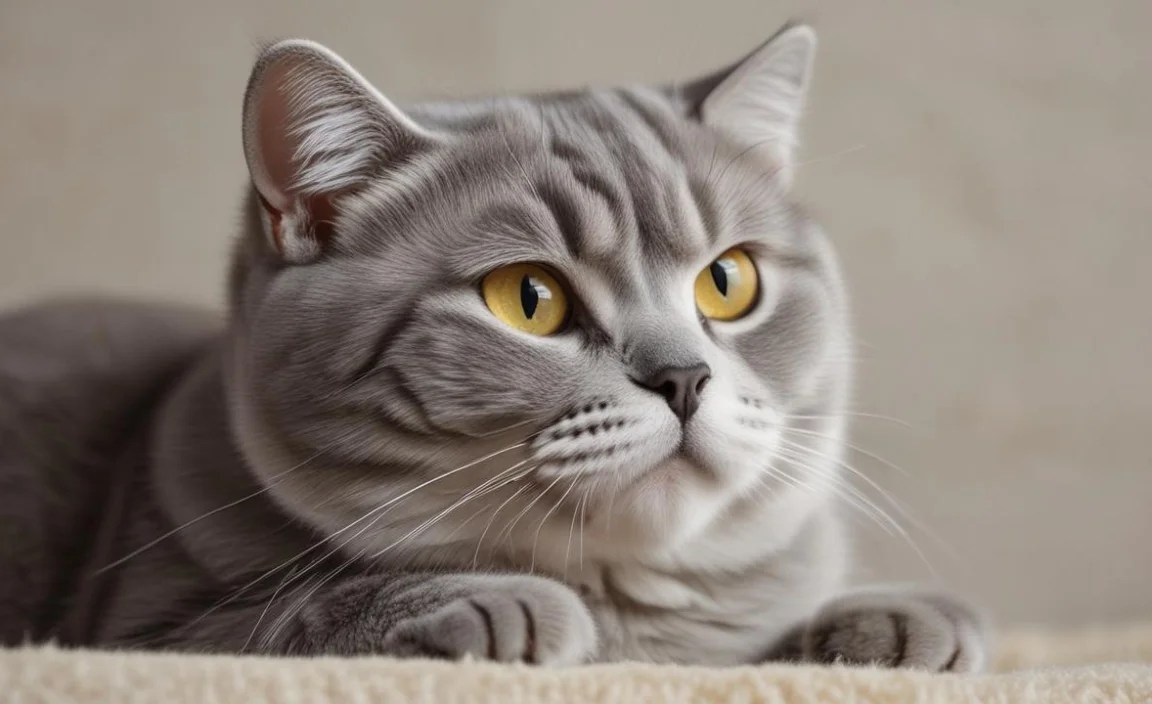
Proper preparation is crucial for a successful cat introduction. Creating a safe and comfortable environment will help minimize stress and promote positive interactions.
Setting Up Separate Spaces
Before your new British Shorthair arrives, prepare a separate space for them. This could be a spare bedroom, a bathroom, or any quiet area where they can have their own resources. This space should include:
- Food and water bowls: Place them away from the litter box to encourage good hygiene.
- Litter box: Provide a clean and easily accessible litter box.
- Scratching post: This allows your new cat to exhibit natural scratching behavior without damaging furniture.
- Bed or cozy resting spot: A comfortable place where they can feel safe and secure.
- Toys: Provide a variety of toys to keep them entertained.
Scent Swapping
Scent is a primary form of communication for cats. Before they even see each other, you can start introducing their scents. Here’s how:
- Use a clean cloth: Gently rub a cloth on your resident cat’s cheeks and body, then place it in the new cat’s space.
- Repeat with a new cloth: Do the same for the new cat and place the cloth in the resident cat’s area.
- Swap bedding: After a few days, swap their bedding so they can get used to each other’s scent.
Why Separate Spaces and Scent Swapping Are Important
Separate spaces allow the new cat to adjust to their new environment without feeling overwhelmed or threatened. Scent swapping helps familiarize the cats with each other’s presence before a face-to-face meeting, reducing anxiety and aggression.
Step-by-Step Guide to Introducing Cats
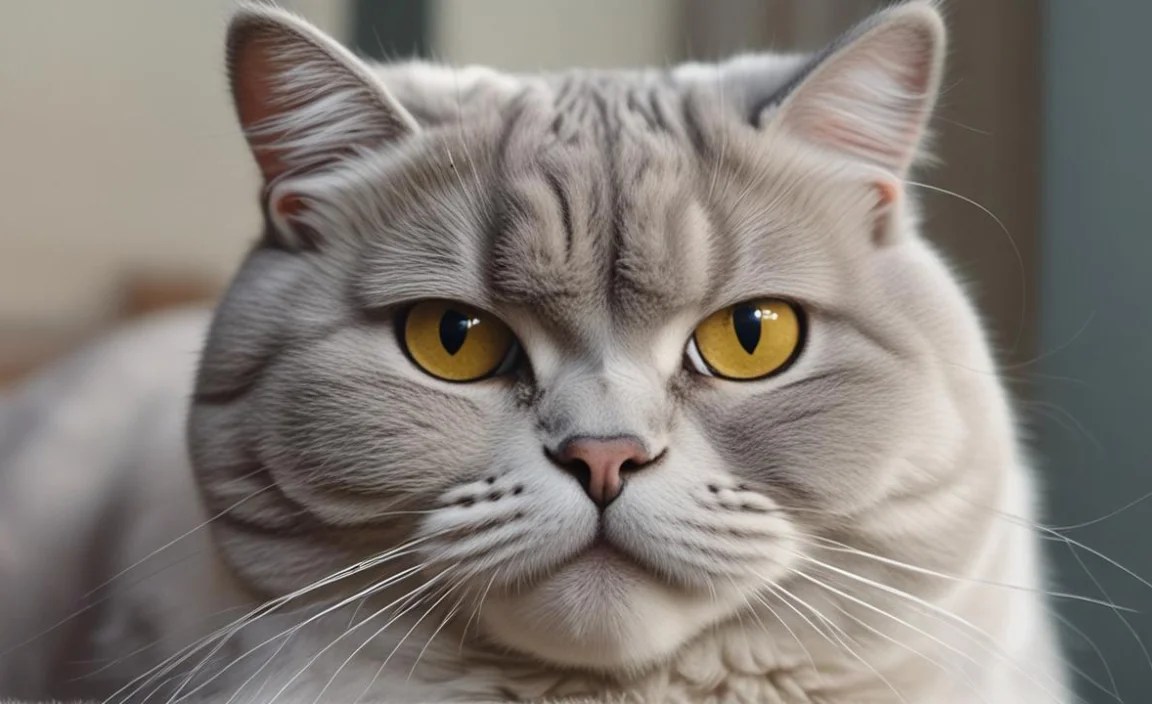
Once you’ve prepared the environment, it’s time to start the introduction process. This should be done gradually and patiently, allowing the cats to adjust at their own pace.
Phase 1: Visual Introduction
After a few days of scent swapping, you can start with visual introductions. This allows the cats to see each other without direct contact.
- Controlled Viewing: Allow the cats to see each other through a slightly open door or a pet gate. Keep these initial viewings short, just a few minutes at a time.
- Positive Reinforcement: Offer treats or praise to both cats while they are in sight of each other. This helps them associate the other cat’s presence with positive experiences.
- Observe Body Language: Watch for signs of stress or aggression, such as hissing, growling, flattened ears, or puffed-up fur. If you see these signs, separate the cats and slow down the introduction process.
Phase 2: Supervised Visits
If the visual introductions go well, you can move on to supervised visits in a larger space.
- Short, Supervised Sessions: Allow the cats to be in the same room together for short periods, always under your supervision.
- Distraction Techniques: Use toys or treats to distract them and keep their attention focused on something positive.
- Monitor Interactions: Closely observe their body language and intervene if necessary. Separate them immediately if you see any signs of aggression.
- Gradual Increase: Gradually increase the duration of these supervised visits as they become more comfortable with each other.
Phase 3: Unsupervised Time
Once the cats are consistently interacting positively during supervised visits, you can start allowing them unsupervised time together.
- Start Slowly: Begin with short periods of unsupervised time, such as when you’re running errands.
- Provide Multiple Resources: Ensure there are plenty of food bowls, water stations, litter boxes, and scratching posts available to minimize competition.
- Observe After Unsupervised Time: Check for any signs of conflict or stress when you return home. If everything seems calm, you can gradually increase the amount of unsupervised time.
Managing a Multi-Cat Household

Even after a successful introduction, it’s essential to manage the environment to maintain harmony in your multi-cat household.
Providing Adequate Resources
Competition for resources is a common cause of conflict between cats. Make sure you have enough of everything to go around.
- Litter Boxes: The general rule is one litter box per cat, plus one extra. Place them in different locations to avoid territorial issues.
- Food and Water Bowls: Provide multiple feeding stations to prevent competition. Consider using elevated feeders or puzzle feeders to make mealtime more engaging.
- Scratching Posts: Offer a variety of scratching posts in different materials and locations.
- Resting Spots: Ensure each cat has its own safe and comfortable place to rest, such as a cat bed, a window perch, or a high shelf.
Creating Vertical Space
Cats enjoy climbing and observing their surroundings from a high vantage point. Providing vertical space can help reduce stress and create a more enriching environment.
- Cat Trees: Invest in cat trees of varying heights and designs.
- Shelves: Install shelves on the walls to create climbing opportunities.
- Window Perches: Place perches near windows so cats can enjoy watching the outside world.
Playtime and Enrichment
Regular playtime and enrichment activities can help keep your cats mentally and physically stimulated, reducing boredom and potential behavioral issues.
- Interactive Play: Engage your cats in interactive play sessions using toys like wand toys, laser pointers, or puzzle toys.
- Rotating Toys: Rotate toys regularly to keep them interesting.
- Environmental Enrichment: Provide opportunities for exploration and discovery, such as cardboard boxes, paper bags, or catnip-filled toys.
Troubleshooting Common Issues
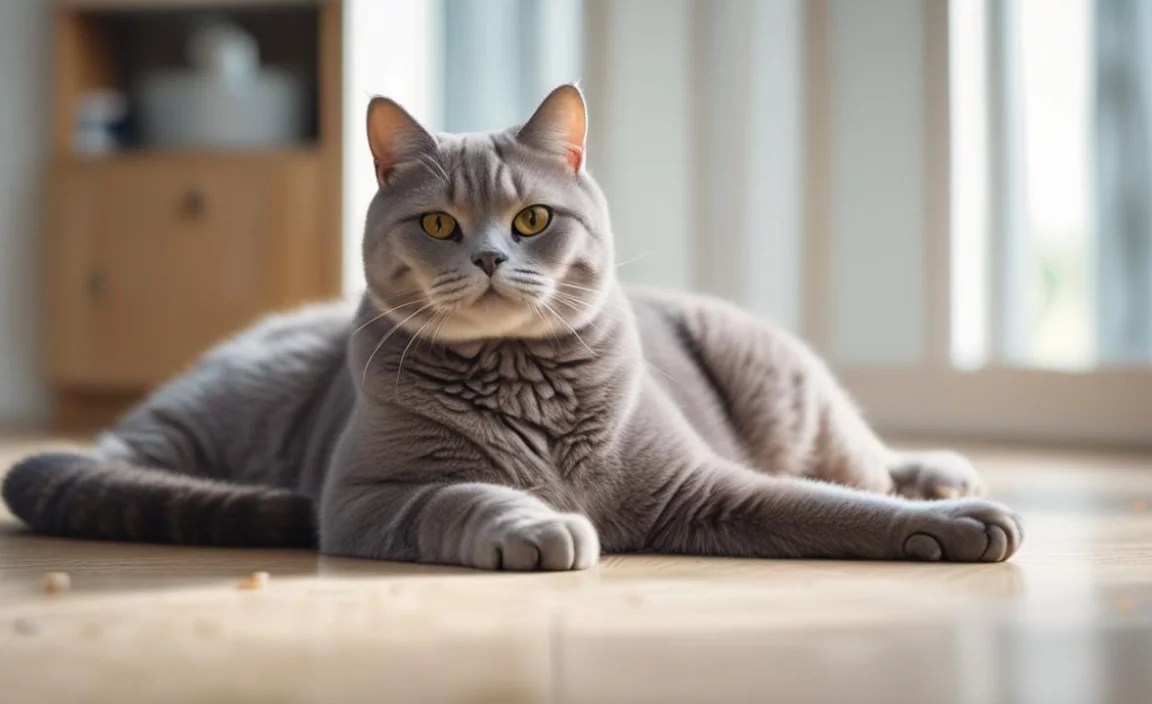
Even with careful planning and management, conflicts can sometimes arise in a multi-cat household. Here are some common issues and how to address them.
Aggression
If you notice signs of aggression, such as hissing, growling, swatting, or chasing, it’s essential to intervene. First, separate the cats to prevent further escalation. Then, try to identify the cause of the aggression. Is it related to food, territory, or attention? Once you know the trigger, you can take steps to address it.
- Reintroduction: If the aggression is severe, you may need to start the introduction process over from the beginning, using separate spaces and scent swapping.
- Professional Help: If you’re struggling to manage the aggression on your own, consult with a veterinarian or a certified cat behaviorist.
Resource Guarding
Resource guarding occurs when a cat becomes overly protective of their food, water, litter box, or other resources. To address this, provide multiple resources in different locations, so each cat has access to what they need without feeling threatened.
- Separate Feeding Areas: Feed cats in separate areas to prevent food guarding.
- Multiple Litter Boxes: Ensure there are enough litter boxes and that they are cleaned regularly.
- Calming Aids: Consider using calming aids like pheromone diffusers to reduce anxiety and promote a sense of security.
Stress and Anxiety
Stress and anxiety can manifest in various ways, such as hiding, excessive grooming, changes in appetite, or litter box issues. To help alleviate stress, create a calm and predictable environment.
- Safe Spaces: Ensure each cat has access to a safe and quiet place where they can retreat when feeling overwhelmed.
- Pheromone Diffusers: Use pheromone diffusers to create a calming atmosphere.
- Routine: Maintain a consistent daily routine for feeding, playtime, and other activities.
When to Seek Professional Help
While many issues can be resolved with patience and management, there are times when professional help is necessary. Consult with a veterinarian or a certified cat behaviorist if you notice any of the following:
- Severe Aggression: If the cats are engaging in frequent or intense fights.
- Persistent Stress: If a cat is showing signs of chronic stress or anxiety.
- Medical Issues: If you suspect a medical condition is contributing to the behavioral problems.
British Shorthair Personality in Multi-Cat Households: A Summary Table
| Factor | British Shorthair | Impact on Multi-Cat Household |
|---|---|---|
| Temperament | Calm, adaptable, independent | Generally positive; less likely to initiate conflict. |
| Energy Level | Moderate | Good match for cats with similar energy levels. |
| Social Needs | Enjoys company but not overly needy | Can coexist peacefully without constant interaction. |
| Adaptability | Adapts well to new environments | Easier to introduce to new feline housemates. |
| Playfulness | Enjoys play but not excessively | Engages in occasional play without dominating. |
Essential Supplies for a Multi-Cat Household
Having the right supplies on hand can make a big difference in managing a multi-cat household. Here’s a checklist of essential items:
- Multiple litter boxes (one per cat plus one extra)
- Food and water bowls (at least one per cat, plus extras)
- Scratching posts (various types and locations)
- Cat beds or cozy resting spots (one per cat)
- Cat trees or shelves (for vertical space)
- Interactive toys (wand toys, puzzle toys, etc.)
- Pheromone diffusers
- Cleaning supplies (for accidents and messes)
Adopting a Second Cat: Considerations for British Shorthair Owners
If you’re considering adding a second cat to your household, here are some factors to keep in mind:
- Personality Match: Consider the personality of your existing cat and choose a new cat with a compatible temperament. A calm, laid-back cat is often a good match for a British Shorthair.
- Age: Kittens may be more easily accepted by adult cats, but they also have higher energy levels. A cat closer in age to your British Shorthair may be a better fit.
- Gender: While not always a determining factor, some cats get along better with the opposite gender.
- Health: Ensure the new cat is healthy and has been vaccinated and tested for common feline diseases.
FAQ: British Shorthairs and Multi-Cat Homes
1. Are British Shorthairs good with other cats?
Yes, generally British Shorthairs are known for their calm and adaptable nature, which makes them good candidates for multi-cat households. Their easygoing personality often allows them to coexist peacefully with other feline companions.
2. How do I introduce a British Shorthair to my existing cat?
Introduce them slowly. Start with separate spaces, then scent swapping. Next, allow supervised visual introductions before gradually increasing the time they spend together. Always monitor their interactions and provide plenty of resources to minimize competition.
3. What if my British Shorthair is showing signs of aggression towards the new cat?
Separate them immediately and reassess the introduction process. Ensure both cats have their own safe spaces and resources. If the aggression persists, consult with a veterinarian or a certified cat behaviorist for guidance.
4. How many litter boxes should I have for two cats?
The general rule is to have one litter box per cat, plus one extra. So, for two cats, you should have three litter boxes. Place them in different locations to avoid territorial issues.
5. What are some signs that my cats are getting along well?
Signs of positive interactions include mutual grooming, playing together, sleeping near each other, and relaxed body language. If your cats are coexisting peacefully and showing these behaviors, it’s a good indication they are getting along well.
6. Can I leave my British Shorthair alone with other cats?
Yes, once they have been properly introduced and are consistently interacting positively, you can leave them alone together. Start with short periods of unsupervised time and gradually increase it as they become more comfortable.
7. What if my British Shorthair is hiding all the time after introducing a new cat?
This indicates stress. Ensure your British Shorthair has a safe, quiet space to retreat to. Use pheromone diffusers to create a calming environment. If the hiding persists, consult your vet to rule out medical issues and for further behavioral advice.
Conclusion
Introducing a British Shorthair to a multi-cat household can be a rewarding experience with the right approach. Understanding their personality, preparing the environment, and following a gradual introduction process are key to success. By providing adequate resources, creating vertical space, and engaging in regular playtime, you can foster a harmonious and happy home for all your feline friends. Remember to be patient, observe their interactions, and seek professional help if needed. With a little effort and understanding, you can create a peaceful and loving environment where your British Shorthair and other cats can thrive.


