
British Shorthair Curiosity & Play Habits: Revealed!

British Shorthairs are naturally curious and playful cats, but their energy levels are generally moderate. To satisfy their curiosity, provide interactive toys, scratching posts, and climbing structures. Engage them in short, regular play sessions with toys like feather wands or laser pointers. Rotate toys to keep them interested and prevent boredom.
Ever wonder what makes your British Shorthair tick? These charming cats are known for their calm and gentle nature, but they also have a curious and playful side. Understanding their unique play habits is key to keeping them happy and healthy. Many owners find it surprising that these seemingly laid-back cats need regular stimulation to thrive. Don’t worry, it’s easier than you think!
In this guide, we’ll explore the curious and playful world of the British Shorthair. We’ll cover everything from their favorite toys to how to create an enriching environment that keeps them entertained and engaged. Get ready to unlock the secrets to a purr-fectly happy British Shorthair!
Understanding British Shorthair Curiosity

British Shorthairs are known for their independent and relaxed personalities. However, don’t let their calm demeanor fool you—they’re naturally curious creatures! Understanding this curiosity is the first step in providing them with the right kind of stimulation.
What Sparks Their Interest?
British Shorthairs are often drawn to:
- Novelty: New toys, objects, or environments.
- Movement: Anything that moves, twitches, or flutters.
- Sounds: Crinkling, chirping, or rattling noises.
- Exploration: Investigating new spaces and heights.
Their curiosity is driven by their natural hunting instincts. Even though they’re domesticated, they still have a strong desire to explore and investigate their surroundings. This is why they often enjoy observing the world from a high perch or batting at small objects on the floor.
Recognizing Curiosity Behaviors
Here are some common behaviors that indicate your British Shorthair is feeling curious:
- Following you around: They want to see what you’re doing.
- Staring intently: They’re focused on something that has caught their attention.
- Sniffing and investigating: They’re using their sense of smell to learn about something new.
- Reaching out with their paws: They’re testing the texture or movement of an object.
By recognizing these behaviors, you can better understand what interests your cat and provide them with appropriate outlets for their curiosity.
British Shorthair Play Habits: What to Expect

While British Shorthairs aren’t as high-energy as some other breeds, they still need regular playtime to stay happy and healthy. Their play style tends to be more moderate and less frantic, but it’s essential to provide them with opportunities to exercise their natural instincts.
Typical Play Style
British Shorthairs generally exhibit the following play characteristics:
- Moderate Energy: They enjoy playing, but they also appreciate their rest.
- Independent Play: They’re often content to play on their own with toys.
- Gentle Play: They tend to be less rough than some other breeds.
- Short Bursts of Activity: They may have short periods of intense play followed by longer periods of rest.
It’s important to tailor your play sessions to their individual preferences and energy levels. Some British Shorthairs may enjoy chasing toys, while others prefer batting at them from a comfortable spot.
Common Play Behaviors
Here are some play behaviors you might observe in your British Shorthair:
- Chasing: Following toys or objects that move.
- Pouncing: Crouching low and then leaping at a toy.
- Batting: Using their paws to hit or swat at toys.
- Kicking: Holding onto a toy with their front paws and kicking it with their back legs.
These behaviors are all natural expressions of their hunting instincts and help them stay physically and mentally stimulated.
Top Toys and Activities for British Shorthairs

Choosing the right toys and activities is crucial for keeping your British Shorthair entertained and engaged. Here are some top options to consider:
Interactive Toys
Interactive toys are designed to stimulate your cat’s mind and encourage them to play. Some popular options include:
- Puzzle feeders: These toys require your cat to solve a puzzle to access their food, providing mental stimulation and slowing down their eating.
- Laser pointers: These toys create a moving target that your cat can chase, providing exercise and entertainment. (Be sure to end the session by letting them “catch” a physical toy to avoid frustration.)
- Wand toys: These toys feature a feather or other enticing object attached to a wand, allowing you to engage your cat in interactive play.
Solo Play Toys
Solo play toys are perfect for when you’re not available to play with your cat. Some great choices include:
- Crinkle balls: These lightweight balls make a crinkling sound when batted, which cats find irresistible.
- Mice toys: These small, plush toys are perfect for cats to carry around and bat at.
- Catnip toys: These toys are filled with catnip, a natural herb that many cats find stimulating and enjoyable.
Enrichment Activities
In addition to toys, you can also provide enrichment activities to stimulate your cat’s mind and body. Some ideas include:
- Climbing structures: Cat trees or shelves allow your cat to climb and explore, satisfying their natural desire to be up high.
- Scratching posts: These provide a designated place for your cat to scratch, which helps them maintain their claws and stretch their muscles.
- Window perches: These allow your cat to observe the outside world, providing mental stimulation and entertainment.
By offering a variety of toys and activities, you can keep your British Shorthair entertained and prevent boredom.
Creating an Engaging Environment
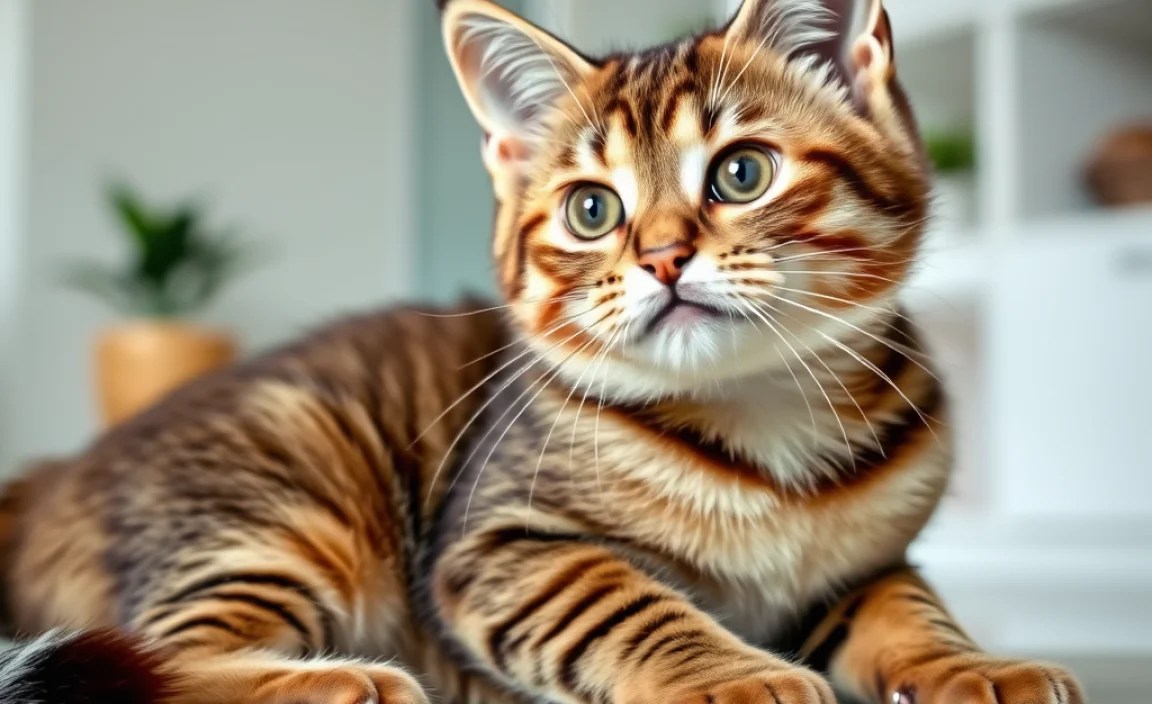
Creating an engaging environment is essential for keeping your British Shorthair happy and healthy. Here are some tips for transforming your home into a stimulating space for your feline friend:
Vertical Space
Cats love to climb and explore, so providing vertical space is a great way to enrich their environment. Consider adding:
- Cat trees: These multi-level structures provide climbing, scratching, and perching opportunities.
- Shelves: Install shelves at varying heights to create a climbing wall for your cat.
- Window perches: These allow your cat to observe the outside world from a comfortable spot.
Make sure the structures are sturdy and secure to prevent accidents. You can also add soft bedding or toys to make them more inviting.
Scratching Opportunities
Scratching is a natural behavior for cats, so it’s important to provide them with appropriate scratching surfaces. Consider offering:
- Scratching posts: These come in a variety of materials, such as sisal, cardboard, and carpet.
- Scratching mats: These can be placed on the floor or hung on the wall.
- Scratching boards: These are often made of cardboard and can be placed on the floor or leaned against a wall.
Place the scratching surfaces in areas where your cat likes to scratch, such as near their sleeping area or favorite hangout spot. The RSPCA recommends placing scratching posts in prominent areas to encourage use.
Safe Exploration Zones
Cats enjoy exploring, so create safe and interesting spaces for them to investigate. Consider:
- Opening up closets or cabinets: Make sure there are no hazards inside, such as cleaning supplies or sharp objects.
- Providing cardboard boxes: Cats love to hide and play in boxes.
- Creating a “catio”: This is an enclosed outdoor space where your cat can enjoy fresh air and sunshine safely.
Always supervise your cat when they’re exploring new areas to ensure their safety.
Playtime Tips for British Shorthairs

Making playtime fun and engaging for your British Shorthair is all about understanding their preferences and adapting your approach accordingly. Here are some tips to help you make the most of your play sessions:
Keep it Short and Sweet
British Shorthairs typically have shorter attention spans, so keep your play sessions brief and focused. Aim for 10-15 minutes of playtime at a time, several times a day.
Vary the Toys and Activities
Cats can get bored easily, so it’s important to rotate their toys and activities regularly. This will keep them engaged and prevent them from losing interest. The International Cat Association (TICA) suggests having a variety of toys available and rotating them to keep your cat interested.
Mimic Natural Prey
When playing with your cat, try to mimic the movements of natural prey. For example, move a wand toy like a bird flitting through the air or a mouse scurrying across the floor. This will engage their hunting instincts and make the play session more exciting.
End on a High Note
Always end the play session with a successful “hunt.” Let your cat catch the toy at the end of the session to satisfy their hunting instincts and prevent frustration. This will also help them associate playtime with positive experiences.
Addressing Common Playtime Challenges
Even with the best intentions, you may encounter some challenges when it comes to playing with your British Shorthair. Here are some common issues and how to address them:
Lack of Interest
If your cat seems uninterested in playing, try the following:
- Experiment with different toys: Your cat may simply not be interested in the toys you’re offering. Try different types of toys to see what sparks their interest.
- Change your approach: Try moving the toy in different ways or using a different tone of voice.
- Make sure they’re in the mood: Cats are more likely to play when they’re feeling energetic and alert. Avoid trying to play with them when they’re sleepy or relaxed.
Aggressive Play
If your cat becomes aggressive during playtime, such as biting or scratching, try the following:
- Stop the play session immediately: This will teach your cat that aggressive behavior results in the end of playtime.
- Redirect their attention: Offer them a toy that they can bite or kick, such as a stuffed animal or a kicker toy.
- Consult with a veterinarian or behaviorist: If the aggressive behavior is persistent or severe, it’s important to seek professional help.
Overstimulation
If your cat becomes overstimulated during playtime, such as becoming agitated or frantic, try the following:
- Slow down the pace of the play session: Give your cat time to rest and recover between bursts of activity.
- Reduce the intensity of the play: Use gentler movements and avoid overly exciting toys.
- End the play session: If your cat is becoming too overstimulated, it’s best to end the play session altogether.
The Importance of Mental Stimulation
While physical activity is important, mental stimulation is equally crucial for your British Shorthair’s well-being. A bored cat can become destructive, anxious, or depressed. Providing mental enrichment can help prevent these issues and keep your cat happy and engaged.
Benefits of Mental Stimulation
Here are some of the benefits of providing mental stimulation for your British Shorthair:
- Reduces boredom: Mental stimulation can help prevent boredom and keep your cat entertained.
- Prevents behavioral problems: A mentally stimulated cat is less likely to develop behavioral problems, such as scratching furniture or excessive meowing.
- Improves cognitive function: Mental stimulation can help improve your cat’s cognitive function and keep their mind sharp.
- Strengthens the bond between you and your cat: Engaging in interactive play and providing enrichment activities can strengthen the bond between you and your cat.
Ways to Provide Mental Stimulation
Here are some ways to provide mental stimulation for your British Shorthair:
- Puzzle feeders: These toys require your cat to solve a puzzle to access their food, providing mental stimulation and slowing down their eating.
- Training: You can train your cat to perform simple tricks, such as sitting, staying, or coming when called.
- Environmental enrichment: Provide climbing structures, scratching posts, and window perches to encourage exploration and observation.
- Interactive play: Engage your cat in interactive play sessions with toys like feather wands or laser pointers.
| Activity | Description | Benefits |
|---|---|---|
| Puzzle Feeders | Toys that dispense food when solved. | Reduces boredom, slows eating. |
| Training | Teaching simple tricks. | Improves cognitive function, strengthens bond. |
| Environmental Enrichment | Climbing structures, scratching posts. | Encourages exploration, reduces stress. |
| Interactive Play | Play sessions with toys. | Provides exercise, stimulates hunting instincts. |
Adapting Play as Your Cat Ages
As your British Shorthair ages, their energy levels and physical abilities will change. It’s important to adapt your play sessions to accommodate their needs.
Kittens
British Shorthair kittens are naturally curious and playful. Provide them with a variety of toys and activities to encourage exploration and development. Focus on short, frequent play sessions to match their short attention spans. Be gentle and avoid rough play that could injure their delicate bodies.
Adults
Adult British Shorthairs typically have moderate energy levels. Continue to provide them with regular playtime, but adjust the intensity and duration to match their preferences. Offer a mix of interactive and solo play toys to keep them entertained. Encourage climbing and scratching to maintain their physical fitness.
Seniors
Senior British Shorthairs may have decreased energy levels and mobility. Adapt your play sessions to be less strenuous and more gentle. Focus on activities that stimulate their mind, such as puzzle feeders or gentle petting. Provide comfortable resting spots and easy access to resources like food, water, and litter boxes.
Nutrition and Play: The Connection
Proper nutrition plays a vital role in your British Shorthair’s energy levels and overall health, which in turn affects their ability to play and explore. Feeding them a balanced diet is essential for maintaining their vitality.
Choosing the Right Food
Select a high-quality cat food that is specifically formulated for their life stage (kitten, adult, or senior) and activity level. Look for foods that contain:
- High-quality protein: This is essential for building and maintaining muscle mass.
- Healthy fats: These provide energy and support healthy skin and coat.
- Essential vitamins and minerals: These are necessary for overall health and well-being.
Avoid foods that contain fillers, artificial colors, or preservatives. The Cornell Feline Health Center recommends consulting with your veterinarian to determine the best diet for your cat.
Feeding Schedule
Establish a regular feeding schedule to help regulate your cat’s metabolism and energy levels. Feed them at the same time each day and avoid leaving food out all day, which can lead to overeating. Consider using a puzzle feeder to make mealtimes more engaging and stimulating.
Hydration
Make sure your cat always has access to fresh, clean water. Dehydration can lead to fatigue and decreased energy levels. Consider providing multiple water sources, such as a water fountain or a bowl, to encourage them to drink more.
FAQ About British Shorthair Curiosity and Play Habits
Here are some frequently asked questions about British Shorthair curiosity and play habits:
- Are British Shorthairs playful?
- Yes, British Shorthairs are playful but generally have moderate energy levels. They enjoy interactive and solo play, but also appreciate their rest.
- What kind of toys do British Shorthairs like?
- British Shorthairs enjoy a variety of toys, including interactive toys like puzzle feeders and wand toys, as well as solo play toys like crinkle balls and mice toys.
- How much playtime do British Shorthairs need?
- Aim for 10-15 minutes of playtime several times a day. Adjust the duration and intensity based on your cat’s individual preferences and energy levels.
- How can I tell if my British Shorthair is bored?
- Signs of boredom include excessive sleeping, overeating, destructive behavior, and excessive meowing. Provide more mental and physical stimulation to prevent boredom.
- Are British Shorthairs good with children?
- Yes, British Shorthairs are generally good with children, but it’s important to teach children how to interact with them gently and respectfully. Supervise interactions between children and cats to ensure their safety.
- Do British Shorthairs like to climb?
- Yes, British Shorthairs enjoy climbing. Providing cat trees, shelves, or window perches can satisfy their natural desire to be up high and explore their environment.
- Why is my British Shorthair not playing?
- If your British Shorthair isn’t playing, try different toys, vary your approach, and ensure they’re in the mood. If the lack of play persists, consult with a veterinarian to rule out any underlying health issues.
Conclusion
Understanding your British Shorthair’s curiosity and play habits is key to providing them with a happy and fulfilling life. By offering a stimulating environment, engaging in regular playtime, and adapting your approach as they age, you can ensure that your feline friend stays entertained, healthy, and well-adjusted. Remember to observe their individual preferences and adjust your approach accordingly. With a little patience and creativity, you can unlock the playful side of your British Shorthair and strengthen the bond between you.


