
Are British Shorthairs Quiet Cats For Apartments? Find Out!

Are British Shorthairs quiet cats for apartments? Generally, yes! British Shorthairs are known for their calm and gentle nature, making them excellent apartment companions. They aren’t overly vocal and tend to be more relaxed than many other breeds. However, every cat is an individual, so their personality and environment play a role in their quietness.
Thinking about welcoming a British Shorthair into your apartment? It’s natural to wonder if their mellow reputation lives up to reality. After all, a noisy cat can be stressful for both you and your neighbors! Fortunately, most British Shorthairs adapt beautifully to apartment living, bringing a sense of peace and companionship without excessive meowing or disruptive behavior.
In this guide, we’ll explore why British Shorthairs are often quiet cats, what factors can influence their vocalness, and how to create an apartment environment where they can thrive. Let’s dive in to ensure your future feline friend is a purr-fect fit for your apartment lifestyle!
Understanding the British Shorthair Temperament

The British Shorthair’s temperament is one of the biggest reasons they’re often considered ideal apartment cats. Let’s explore the traits that contribute to their quiet nature:
Calm and Docile Nature
British Shorthairs are renowned for their calm and easy-going personality. They’re not usually hyperactive or demanding, preferring quiet observation and gentle interaction. This laid-back attitude means they’re less likely to engage in attention-seeking behaviors like constant meowing or scratching, which can be common in more high-strung breeds.
Independent Streak
While affectionate, British Shorthairs also appreciate their independence. They’re content to spend time alone, napping or quietly observing their surroundings. This independence makes them well-suited for owners who work during the day, as they won’t become overly anxious or vocal when left alone. As the RSPCA notes, providing a stimulating environment is key, even for independent cats, to prevent boredom.
Low Vocalization
Compared to breeds like Siamese or Bengals, British Shorthairs are relatively quiet cats. They do communicate, of course, but their vocalizations are typically soft and infrequent. You might hear a gentle meow when they’re hungry or want attention, but they’re not known for loud, persistent demands.
Factors Influencing a Cat’s Vocalness

While British Shorthairs are generally quiet, several factors can influence how vocal a cat is. Understanding these can help you manage your cat’s behavior and ensure a peaceful apartment environment:
Health Issues
Sometimes, increased vocalization can indicate a health problem. If your British Shorthair suddenly becomes much more vocal, it’s essential to rule out any underlying medical conditions. Conditions like hyperthyroidism, cognitive dysfunction (especially in older cats), or pain can all lead to increased meowing. A visit to the veterinarian is crucial to diagnose and treat any health issues.
Age
A cat’s age can also affect its vocalness. Kittens may meow more frequently as they learn to communicate and seek attention from their owners. Senior cats, on the other hand, might develop cognitive dysfunction, leading to confusion and increased vocalization, especially at night. Providing appropriate care and attention at each life stage can help manage these age-related changes.
Environmental Factors
A cat’s environment plays a significant role in its behavior. Stressful environments, such as those with loud noises, frequent changes, or conflicts with other pets, can cause a cat to become more vocal. Creating a calm, predictable, and enriching environment can help reduce stress and minimize unnecessary meowing.
Attention-Seeking
Sometimes, cats meow simply to get attention. If you consistently respond to your cat’s meows with food, play, or affection, they’ll quickly learn that meowing is an effective way to get what they want. To avoid reinforcing this behavior, try to ignore attention-seeking meows and instead reward quiet, calm behavior. The Cornell Feline Health Center offers valuable insights into understanding and managing feline behavior.
Creating a Quiet-Friendly Apartment for Your British Shorthair

Even with a naturally quiet breed like the British Shorthair, you can take steps to create an apartment environment that encourages calmness and reduces the likelihood of excessive vocalization:
Provide Plenty of Enrichment
A bored cat is more likely to become noisy and destructive. Provide plenty of toys, scratching posts, and climbing opportunities to keep your British Shorthair mentally and physically stimulated. Rotate toys regularly to keep them interesting, and consider puzzle feeders to make mealtimes more engaging.
- Scratching Posts: Essential for scratching, which is a natural behavior.
- Climbing Structures: Satisfies their urge to climb and explore.
- Interactive Toys: Keeps them entertained and mentally stimulated.
Establish a Routine
Cats thrive on routine. Feeding, playtime, and cuddle sessions at consistent times each day can help your British Shorthair feel secure and reduce anxiety. A predictable environment can minimize stress-related vocalization and promote overall well-being.
Create a Safe Space
Ensure your cat has a quiet, comfortable place where they can retreat when they feel overwhelmed or stressed. This could be a cozy bed, a cat tree, or even just a quiet corner of a room. A safe space provides a sense of security and can help reduce anxiety-related behaviors.
Manage Noise Levels
Loud noises can be stressful for cats and may trigger increased vocalization. Try to minimize loud music, television, or other disturbances in your apartment. Consider using white noise or calming music to mask external sounds and create a more peaceful environment.
Consider a Companion
If you spend long hours away from home, consider getting another cat (or a compatible pet) to provide companionship for your British Shorthair. A friend can help alleviate boredom and reduce loneliness, which can minimize attention-seeking behaviors. However, it’s essential to introduce new pets gradually and ensure they have compatible personalities.
Training and Interaction Tips
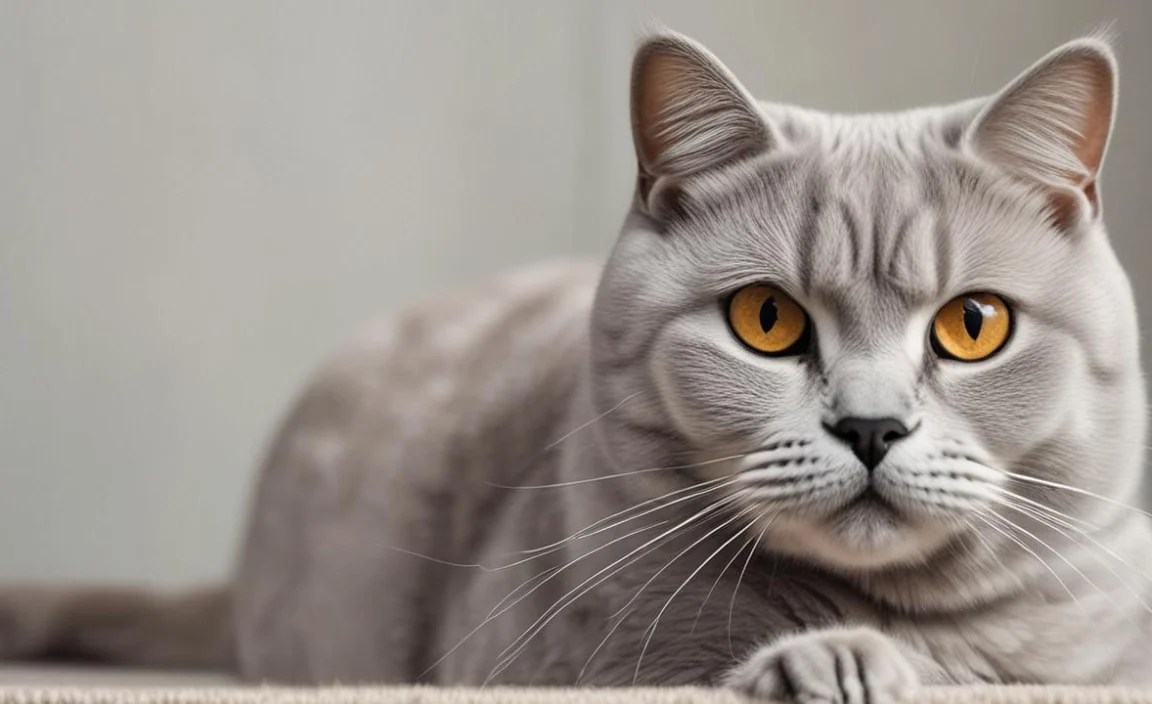
Positive reinforcement and consistent interaction can help shape your British Shorthair’s behavior and further minimize unwanted vocalization:
Positive Reinforcement
Reward quiet behavior with praise, treats, or affection. This reinforces the idea that being calm and quiet leads to positive outcomes. Avoid rewarding meowing or other attention-seeking behaviors, as this can inadvertently encourage them.
Interactive Play
Engage in regular interactive play sessions with your cat. This not only provides exercise and mental stimulation but also strengthens your bond and helps your cat feel more secure. Play sessions can also tire out your cat, making them more likely to rest quietly afterward.
Consistent Rules
Establish clear rules and boundaries for your cat. For example, if you don’t want your cat to jump on counters, consistently redirect them to an appropriate alternative, such as a cat tree. Consistency helps your cat understand what’s expected of them and reduces confusion and anxiety.
Ignore Attention-Seeking Meows
As difficult as it may be, try to ignore meows that are clearly intended to get your attention. Only respond when your cat is quiet and calm. This teaches them that quiet behavior is more effective at getting your attention than meowing.
British Shorthair Care Essentials

Proper care is crucial for maintaining your British Shorthair’s health and well-being, which in turn can affect their behavior. Here’s a quick guide to some essential aspects of British Shorthair care:
Nutrition
Feed your British Shorthair a high-quality diet appropriate for their age and activity level. Obesity is a common problem in this breed, so it’s important to monitor their food intake and ensure they get enough exercise. Consult with your veterinarian to determine the best diet for your cat.
Grooming
British Shorthairs have a dense coat that requires regular grooming to prevent matting and hairballs. Brush your cat several times a week, and consider professional grooming services if needed. Regular grooming also provides an opportunity to check for any skin problems or parasites.
Veterinary Care
Regular check-ups with your veterinarian are essential for maintaining your British Shorthair’s health. Vaccinations, parasite prevention, and dental care are all important aspects of preventative care. Early detection and treatment of health problems can help ensure your cat lives a long and happy life. The International Cat Association (TICA) emphasizes the importance of regular vet visits for all cats.
Litter Box Maintenance
Keep your cat’s litter box clean and accessible. Cats are fastidious creatures, and a dirty litter box can lead to stress and behavioral problems. Scoop the litter box daily and change the litter completely at least once a week. Provide multiple litter boxes if you have more than one cat.
Pros and Cons of British Shorthairs in Apartments
Here’s a quick overview of the advantages and disadvantages of having a British Shorthair in an apartment setting:
| Pros | Cons |
|---|---|
| Quiet and docile temperament | Prone to obesity if not properly exercised |
| Independent and content to be alone | Can be prone to certain health issues, like hypertrophic cardiomyopathy |
| Adaptable to indoor environments | Require regular grooming to prevent matting |
| Generally low-maintenance | May become bored without sufficient enrichment |
Tips for Introducing a British Shorthair to Your Apartment
Bringing a new cat into your apartment requires a thoughtful approach to ensure a smooth transition:
- Create a welcoming space: Before bringing your cat home, set up a comfortable and safe space with food, water, a litter box, and a cozy bed.
- Introduce gradually: Allow your cat to explore the apartment at their own pace. Start with one room and gradually expand their territory as they become more comfortable.
- Provide familiar scents: Use a cloth or blanket that smells like their previous home to help them feel more secure.
- Supervise interactions: If you have other pets, supervise their initial interactions to ensure they are positive and safe.
- Be patient: It may take time for your cat to fully adjust to their new environment. Be patient and provide plenty of love and reassurance.
Troubleshooting Vocalization Issues
If your British Shorthair is more vocal than expected, here are some steps you can take to identify and address the underlying cause:
- Consult with your veterinarian: Rule out any underlying medical conditions that may be causing increased vocalization.
- Assess the environment: Identify any potential stressors in your cat’s environment, such as loud noises, changes in routine, or conflicts with other pets.
- Evaluate your interactions: Determine whether you are inadvertently reinforcing attention-seeking meows by responding to them with food, play, or affection.
- Provide more enrichment: Ensure your cat has plenty of toys, scratching posts, and climbing opportunities to keep them mentally and physically stimulated.
- Consider a behavior consultation: If the problem persists, consult with a feline behaviorist who can provide personalized advice and guidance.
FAQ About British Shorthairs and Apartment Living
Are British Shorthairs good for apartments?
Yes, British Shorthairs are generally well-suited for apartment living due to their calm and adaptable nature. They are not overly active and tend to be content in smaller spaces.
How much attention do British Shorthairs need?
British Shorthairs are relatively independent but still enjoy attention and affection. Daily playtime and cuddle sessions are important, but they are also happy to spend time alone.
Do British Shorthairs meow a lot?
No, British Shorthairs are not known for excessive meowing. They are generally quiet cats and only vocalize when they need something or want attention.
Are British Shorthairs destructive?
British Shorthairs are not typically destructive if provided with appropriate enrichment and outlets for their energy. Scratching posts, toys, and climbing opportunities can help prevent destructive behaviors.
How do I keep my British Shorthair entertained in an apartment?
Provide plenty of toys, scratching posts, and climbing structures to keep your British Shorthair mentally and physically stimulated. Rotate toys regularly and consider puzzle feeders to make mealtimes more engaging.
Can British Shorthairs be left alone for long periods?
British Shorthairs are relatively independent and can tolerate being left alone for reasonable periods. However, it’s important to provide them with plenty of food, water, and enrichment while you’re away.
What are common health issues in British Shorthairs?
British Shorthairs can be prone to certain health issues, such as hypertrophic cardiomyopathy, polycystic kidney disease, and obesity. Regular veterinary check-ups are important for early detection and treatment.
Conclusion
So, are British Shorthairs quiet cats for apartments? The answer is a resounding “usually!” Their calm, independent, and relatively quiet nature makes them excellent companions for apartment dwellers. By understanding their temperament, addressing their needs, and creating a suitable environment, you can enjoy a peaceful and harmonious life with your British Shorthair in your apartment.
Remember, every cat is an individual, and some may be more vocal than others. However, with patience, understanding, and the right approach, you can help your British Shorthair thrive in your apartment and become a cherished member of your family. Enjoy the journey of getting to know your feline friend and creating a loving home together!


