
Weight Management Tips for British Shorthairs: Easy Guide

Quick Summary: Keeping your British Shorthair cat at a healthy weight involves managing their diet, encouraging exercise, and regular check-ups with your vet. Measure food portions carefully, choose high-quality cat food, and engage them in active play. Regular weigh-ins will help you track their progress and make necessary adjustments to their routine.
Is your British Shorthair a little too round? You’re not alone! These lovely cats are prone to weight gain, which can lead to health problems. But don’t worry, with a few simple changes, you can help your furry friend get back to a healthy weight and live a happier, longer life. I’m Frances O’Brien, and I’ll guide you through some easy steps to manage your British Shorthair’s weight, from diet tweaks to fun exercises. Let’s get started!
Understanding Weight Management for British Shorthairs

British Shorthairs are known for their sturdy build and plush coats, but this breed is also predisposed to weight gain. Understanding the reasons behind this tendency is the first step in effective weight management. Overfeeding, lack of exercise, and genetics all play a role. Just like us, cats can pack on pounds if they eat more calories than they burn. And, unfortunately, once they gain weight, it can be hard to shed. Let’s explore the factors involved and how to address them.
Why British Shorthairs Gain Weight Easily
Several factors contribute to weight gain in British Shorthairs:
- Genetics: Some British Shorthairs may have a genetic predisposition to gain weight more easily than other breeds.
- Diet: Overfeeding or feeding a diet high in carbohydrates and low in protein can lead to weight gain. Many commercial cat foods are packed with fillers.
- Lack of Exercise: British Shorthairs can be quite lazy and prefer lounging around. This sedentary lifestyle contributes to fewer calories burned.
- Age: As cats age, their metabolism slows down, making it easier for them to gain weight.
- Neutering/Spaying: Neutering or spaying can decrease a cat’s activity level and increase appetite, which can lead to weight gain.
Health Risks Associated with Obesity in Cats
Obesity in cats isn’t just about aesthetics; it can lead to serious health problems:
- Diabetes: Overweight cats are more likely to develop diabetes, which requires lifelong management.
- Arthritis: Excess weight puts extra stress on joints, leading to arthritis and pain.
- Heart Disease: Obesity can contribute to heart problems, reducing your cat’s lifespan.
- Liver Disease: Overweight cats are at risk of developing hepatic lipidosis, a dangerous liver condition.
- Reduced Lifespan: Obese cats tend to have shorter lifespans compared to cats at a healthy weight.
Step-by-Step Guide to Weight Management

Here’s a step-by-step guide to help your British Shorthair achieve and maintain a healthy weight. These tips cover diet, exercise, and regular monitoring.
Step 1: Consult Your Veterinarian
Before making any significant changes to your cat’s diet or exercise routine, it’s important to consult your veterinarian. They can assess your cat’s overall health, determine their ideal weight, and rule out any underlying medical conditions that may be contributing to weight gain. Your vet can also recommend a suitable weight loss plan tailored to your cat’s specific needs. They can advise on the appropriate calorie intake and type of food.
Step 2: Choose the Right Cat Food
Selecting the right cat food is crucial for weight management. Look for high-quality cat food that is rich in protein and low in carbohydrates and fillers. Here’s what to consider:
- High Protein Content: Protein helps cats feel full and supports muscle mass. Look for foods where meat is the primary ingredient.
- Low Carbohydrate Content: Carbohydrates can contribute to weight gain. Avoid foods with excessive amounts of grains or fillers.
- Fiber: Fiber can help your cat feel full and aid in digestion.
- Wet vs. Dry Food: Wet food generally has fewer calories and a higher moisture content, which can help with hydration and weight management. Dry food can be more convenient but often contains more carbohydrates. A combination of both can be a good option.
Step 3: Measure Food Portions Carefully
One of the most common causes of weight gain in cats is overfeeding. It’s essential to measure food portions carefully and follow the feeding guidelines on the cat food packaging. Use a measuring cup to ensure you’re giving the correct amount. Avoid free-feeding, where food is available at all times, as this can lead to overeating.
Here’s a sample feeding schedule to get you started:
| Meal | Amount (based on a 10 lb cat needing 200 calories/day) | Notes |
|---|---|---|
| Breakfast | 1/4 cup dry food (approx. 50 calories) or 2 oz wet food (approx. 50 calories) | Choose a high-protein option |
| Lunch | 1/4 cup dry food (approx. 50 calories) or 2 oz wet food (approx. 50 calories) | Consider a puzzle feeder to slow down eating |
| Dinner | 1/4 cup dry food (approx. 50 calories) or 2 oz wet food (approx. 50 calories) | Adjust based on activity level and weight changes |
| Snacks | Limited to 20-30 calories total | Healthy options like small pieces of cooked chicken or fish |
Remember to adjust these amounts based on your vet’s recommendations and your cat’s individual needs.
Step 4: Implement a Feeding Schedule
Establish a consistent feeding schedule with specific meal times. This helps regulate your cat’s appetite and prevents overeating. Feed your cat at the same times each day, and remove any uneaten food after 20-30 minutes. This prevents them from grazing throughout the day and helps you monitor their food intake. A consistent schedule also aids in digestion and can reduce begging for food between meals.
Step 5: Encourage Exercise and Play
Exercise is just as important for cats as it is for humans. Encourage your British Shorthair to be more active by providing plenty of opportunities for play. Here are some ideas:
- Interactive Toys: Use toys like feather wands, laser pointers, and toy mice to engage your cat in active play.
- Climbing Trees: Provide a climbing tree or cat shelves to encourage vertical movement and exploration.
- Puzzle Feeders: Use puzzle feeders to make mealtime more challenging and stimulating. These feeders require your cat to work for their food, which can help slow down eating and provide mental stimulation.
- Regular Play Sessions: Schedule regular play sessions each day, even if it’s just for 10-15 minutes at a time.
Step 6: Monitor Weight Regularly
Keep track of your cat’s weight by weighing them regularly. You can use a baby scale or weigh yourself while holding your cat and then subtract your weight. Record the weight each week to monitor progress. If your cat is not losing weight or is continuing to gain weight, re-evaluate their diet and exercise routine and consult with your veterinarian.
Here’s a sample weight tracking chart:
| Date | Weight (lbs) | Notes |
|---|---|---|
| 2024-01-01 | 15.0 | Starting weight |
| 2024-01-08 | 14.8 | Increased play time |
| 2024-01-15 | 14.5 | |
| 2024-01-22 | 14.2 | |
| 2024-01-29 | 14.0 |
Step 7: Limit Treats and Snacks
While it’s tempting to spoil your cat with treats, they can quickly add up in calories. Limit the number of treats you give your cat and choose healthy options, such as small pieces of cooked chicken or fish. Avoid giving your cat table scraps or human food, as these can be high in calories and unhealthy for cats. If you do give treats, factor them into your cat’s daily calorie allowance.
Step 8: Gradual Changes are Key
When making changes to your cat’s diet or exercise routine, it’s important to do so gradually. Sudden changes can upset your cat’s digestive system and lead to other health problems. Introduce new foods slowly, mixing them with your cat’s current food over a period of several days. Similarly, gradually increase the intensity and duration of exercise sessions.
Step 9: Consider Environmental Enrichment
A stimulating environment can encourage your cat to be more active and prevent boredom, which can lead to overeating. Provide plenty of toys, scratching posts, and climbing opportunities. Rotate toys regularly to keep your cat interested. Consider adding a window perch so your cat can watch birds and other outdoor activities. According to the RSPCA, providing a stimulating environment is crucial for a cat’s mental and physical well-being.
Step 10: Monitor for Other Health Issues
Sometimes, weight gain can be a symptom of an underlying health issue, such as hypothyroidism. If your cat is gaining weight despite a healthy diet and exercise routine, consult with your veterinarian to rule out any medical conditions. Regular veterinary check-ups are essential for maintaining your cat’s overall health and detecting any potential problems early on.
Tips for Keeping Your British Shorthair Active

Encouraging your British Shorthair to be more active can be challenging, but with the right approach, you can help them stay fit and healthy. Here are some tips to make exercise fun and engaging.
- Use Interactive Toys: Cats love to chase and pounce, so interactive toys like feather wands and laser pointers are a great way to get them moving.
- Create a Playful Environment: Set up a play area with climbing trees, tunnels, and toys to encourage exploration and activity.
- Rotate Toys: Keep your cat interested by rotating their toys regularly. This prevents boredom and keeps them engaged.
- Play at the Right Time: Cats are often most active in the morning and evening, so schedule play sessions during these times.
- Make it a Game: Turn exercise into a game by hiding treats or toys around the house for your cat to find.
Addressing Common Challenges
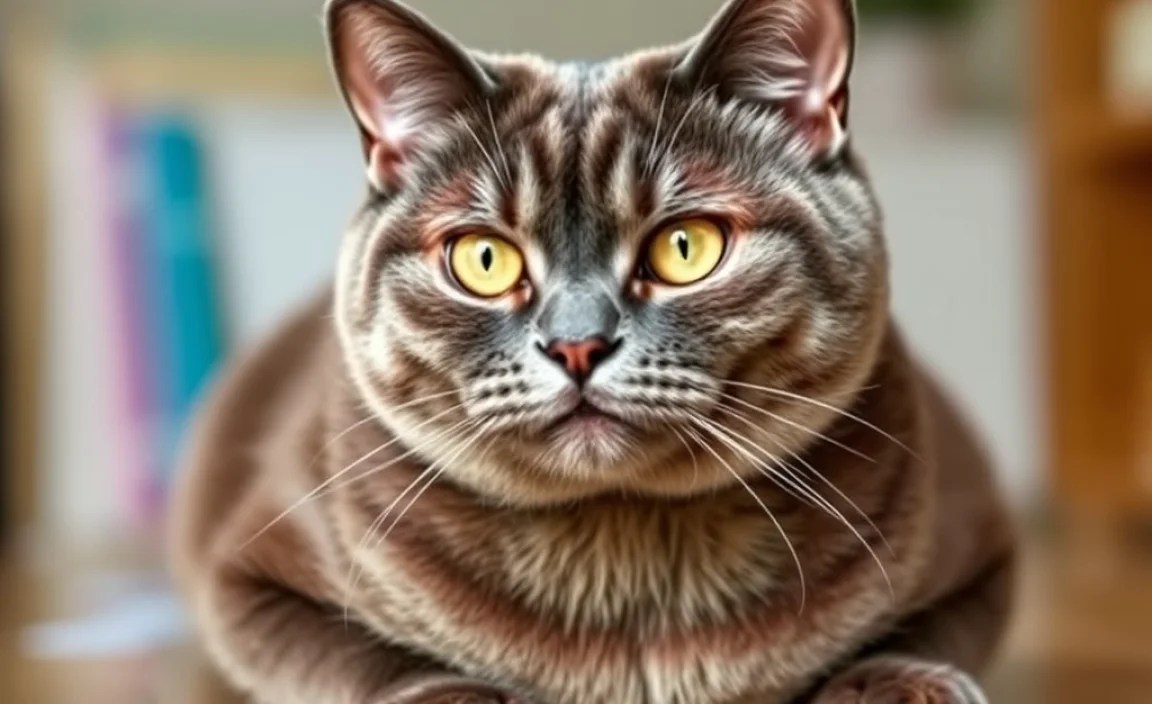
Weight management can be challenging, and you may encounter some obstacles along the way. Here are some common issues and how to address them.
Picky Eaters
If your British Shorthair is a picky eater, it can be difficult to switch to a weight management diet. Try these tips:
- Gradual Transition: Slowly introduce the new food by mixing it with your cat’s current food.
- Warm the Food: Warming the food slightly can enhance its aroma and make it more appealing.
- Try Different Flavors: Experiment with different flavors and textures to find one your cat enjoys.
- Add Broth: Adding a small amount of low-sodium chicken or fish broth can make the food more palatable.
Begging for Food
Cats can be persistent when it comes to begging for food. Here’s how to handle it:
- Ignore the Behavior: Don’t give in to your cat’s demands for food. This reinforces the behavior.
- Stick to the Schedule: Feed your cat at the same times each day to regulate their appetite.
- Provide Distractions: Offer toys or playtime to distract your cat when they start begging.
- Automatic Feeders: Consider using an automatic feeder to dispense small portions of food throughout the day.
Multiple Cat Households
Managing weight in a multi-cat household can be tricky. Here are some strategies:
- Separate Feeding Areas: Feed each cat in a separate area to prevent them from stealing each other’s food.
- Microchip Feeders: Use microchip-activated feeders to ensure each cat only eats their designated food.
- Monitor Food Intake: Keep a close eye on each cat’s food intake to ensure they’re not overeating.
FAQ: Weight Management for British Shorthair Cats
Here are some frequently asked questions about weight management for British Shorthair cats.
- Q: How do I know if my British Shorthair is overweight?
- A: You can tell if your British Shorthair is overweight by feeling for their ribs. If you can’t easily feel their ribs, or if they have a noticeable belly sag, they are likely overweight. A vet can provide a more accurate assessment.
- Q: How much should I feed my British Shorthair to help them lose weight?
- A: The amount you should feed your British Shorthair depends on their current weight, activity level, and the type of food you’re feeding. Consult with your veterinarian to determine the appropriate calorie intake for your cat.
- Q: What are some healthy treats for British Shorthairs?
- A: Healthy treats for British Shorthairs include small pieces of cooked chicken or fish, commercially available low-calorie cat treats, or even a few pieces of their regular dry food. Just remember to factor these treats into their daily calorie allowance.
- Q: How often should I weigh my British Shorthair?
- A: You should weigh your British Shorthair at least once a week to monitor their progress. Regular weigh-ins will help you track their weight loss or gain and make necessary adjustments to their diet and exercise routine.
- Q: Can I put my British Shorthair on a diet without consulting a vet?
- A: While you can make some dietary changes on your own, it’s always best to consult with your veterinarian before putting your British Shorthair on a diet. They can assess your cat’s overall health and recommend a weight loss plan that is safe and effective.
- Q: What kind of exercise is best for British Shorthairs?
- A: The best exercise for British Shorthairs involves interactive play that encourages them to chase, pounce, and climb. Use toys like feather wands, laser pointers, and toy mice to engage them in active play. Also, ensure they have access to climbing trees or cat shelves.
- Q: Is wet food better than dry food for weight loss in cats?
- A: Wet food generally has fewer calories and a higher moisture content than dry food, which can help with hydration and weight management. However, both wet and dry food can be part of a healthy weight loss plan, as long as you choose high-quality options and measure portions carefully.
Conclusion
Managing your British Shorthair’s weight is a crucial part of ensuring their long-term health and happiness. By following these weight management tips, you can help your furry friend achieve and maintain a healthy weight. Remember to consult with your veterinarian, choose the right cat food, measure portions carefully, encourage exercise, and monitor their weight regularly. With patience and consistency, you can help your British Shorthair live a longer, healthier, and happier life. These beautiful cats deserve all the care and attention we can give them, and maintaining their weight is a significant part of that!


