
Weight Control Exercises for British Shorthairs: Easy Guide

Quick Summary:
Weight control exercises for British Shorthairs involve a mix of interactive play, puzzle feeders, and environmental enrichment. Aim for 15-20 minutes of active play daily using toys like wands or laser pointers. Puzzle feeders slow down eating and provide mental stimulation. Creating climbing opportunities and rotating toys keep your cat engaged and help manage their weight effectively.
Is your British Shorthair a bit rounder than usual? Don’t worry; you’re not alone! These lovely cats are prone to weight gain, but with a few simple changes, you can help your furry friend stay fit and healthy. It’s all about making exercise fun and engaging, so they don’t even realize they’re working out. We’ll walk you through easy steps to get your British Shorthair moving, from playtime ideas to smart feeding strategies. Let’s get started!
Understanding Weight Management for British Shorthairs

British Shorthairs are known for their calm and cuddly nature, but this can sometimes lead to a less active lifestyle. Because they can gain weight quite easily, it’s important to keep a close eye on their diet and activity levels. Let’s look at why weight management is so important for this breed.
Why British Shorthairs Tend to Gain Weight
Several factors contribute to weight gain in British Shorthairs:
- Genetics: They are naturally predisposed to a stockier build.
- Lifestyle: Indoor living and a relaxed attitude can reduce their activity.
- Diet: Overfeeding or inappropriate food can lead to weight gain.
- Age: As they get older, their metabolism slows down, making it easier to gain weight.
Health Risks Associated with Overweight Cats
Being overweight can cause many health problems for your British Shorthair. According to the Cornell Feline Health Center, obesity can significantly impact your cat’s quality of life and lifespan. Here are some of the risks:
- Diabetes: Overweight cats are more likely to develop diabetes.
- Arthritis: Extra weight puts stress on their joints, leading to arthritis.
- Heart Problems: Obesity can strain their heart and lead to heart disease.
- Liver Problems: Fatty liver disease is common in overweight cats.
- Reduced Lifespan: Overweight cats tend to live shorter lives.
Assessing Your Cat’s Weight

Before starting any weight control program, it’s important to know if your cat is overweight. Here’s how to assess your British Shorthair’s weight:
Body Condition Score (BCS)
The Body Condition Score is a tool veterinarians use to assess a cat’s weight. It’s a scale from 1 to 9, where:
- 1-3: Underweight
- 4-5: Ideal weight
- 6-9: Overweight to Obese
Here’s what to look for:
- Ideal Weight (BCS 4-5): You should be able to feel their ribs easily with a thin layer of fat. They should have a visible waist when viewed from above.
- Overweight (BCS 6-9): It’s hard to feel their ribs, and they have a rounded appearance with no visible waist.
Practical Checks at Home
You can also do some simple checks at home:
- Rib Check: Gently feel your cat’s ribs. If you can’t feel them easily, they may be overweight.
- Waist Check: Look at your cat from above. They should have a slight hourglass shape. If they look like a sausage, they need to lose weight.
- Abdominal Fat Pad: Feel their belly. A large, hanging fat pad indicates they are overweight.
Creating an Exercise Plan
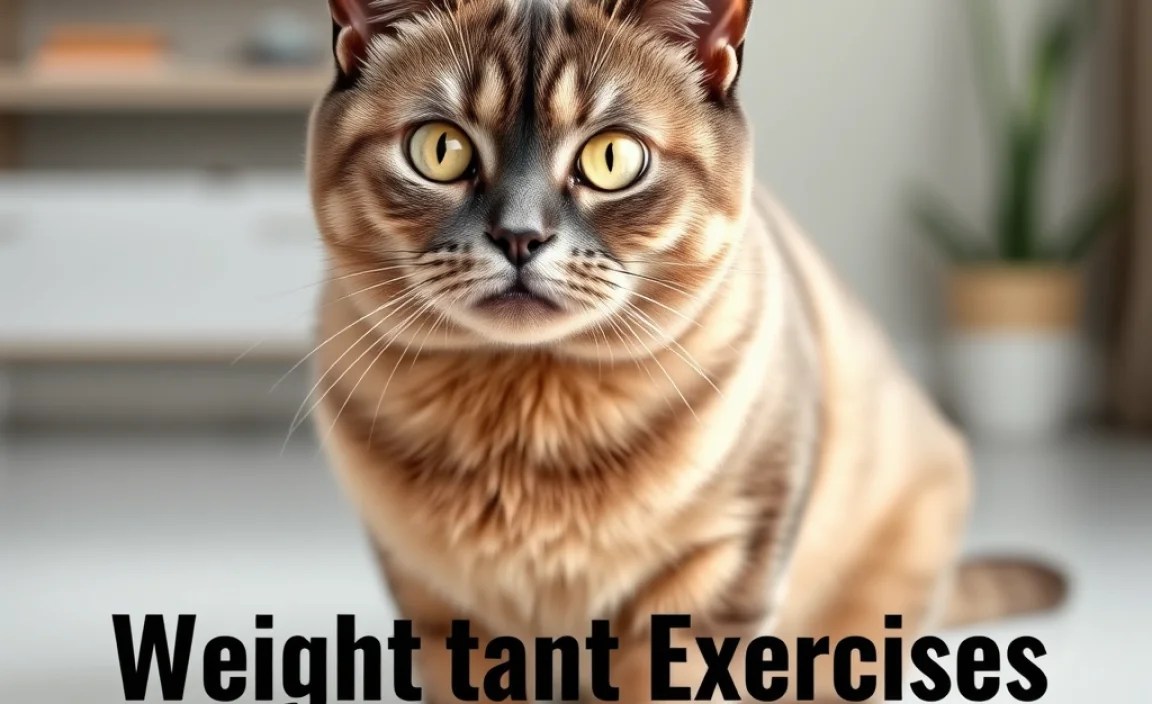
Now that you know the importance of weight management and how to assess your cat’s weight, let’s create an exercise plan to get your British Shorthair moving.
Interactive Play
Interactive play is the best way to get your cat active. It mimics their natural hunting behavior and keeps them mentally stimulated. Aim for at least 15-20 minutes of play each day. Here are some ideas:
- Wand Toys: These are great for simulating prey. Move the wand like a bird or mouse to encourage your cat to chase, pounce, and jump.
- Laser Pointers: Cats love chasing the elusive red dot. Be sure to end the session by letting them “catch” a real toy, so they don’t get frustrated.
- Toy Mice: Toss toy mice for your cat to chase and bat around.
- Play Tunnels: Cats enjoy hiding and running through tunnels. This encourages them to move and explore.
Environmental Enrichment
Creating an enriching environment encourages your cat to be more active throughout the day.
- Climbing Trees: Cats love to climb, and a cat tree provides a safe and fun way to do so. Place it near a window, so they can watch birds and other outdoor activities.
- Window Perches: Install window perches where your cat can lounge and watch the world outside. This provides mental stimulation and encourages them to jump and climb.
- Scratching Posts: Cats need to scratch, and providing scratching posts can encourage them to stretch and exercise their muscles.
- Rotate Toys: Keep your cat interested by rotating their toys regularly. This prevents boredom and encourages them to play.
Puzzle Feeders
Puzzle feeders are a great way to slow down eating and provide mental stimulation. They require your cat to work for their food, which encourages activity and prevents boredom.
- Types of Puzzle Feeders: There are many types of puzzle feeders available, from simple balls that dispense food as they roll to more complex puzzles that require your cat to solve a problem to get their food.
- Benefits: Puzzle feeders not only encourage activity but also prevent overeating and boredom, which can lead to weight gain.
Step-by-Step Exercises for Weight Control

Let’s break down some specific exercises you can do with your British Shorthair to help them lose weight.
Step 1: Start with Short Play Sessions
If your cat isn’t used to playing, start with short sessions of 5-10 minutes. Gradually increase the duration as they become more active.
Step 2: Use a Wand Toy
Hold the wand toy and move it like a bird or mouse. Encourage your cat to chase, pounce, and jump. Vary the speed and direction to keep them engaged.
Step 3: Laser Pointer Fun
Shine the laser pointer on the floor or wall and let your cat chase it. Be sure to end the session by letting them “catch” a real toy.
Step 4: Climbing and Jumping
Encourage your cat to use their climbing tree or window perch. You can place treats or toys on higher levels to entice them to climb.
Step 5: Puzzle Feeder Challenge
Fill a puzzle feeder with a portion of their daily food. Show them how it works and encourage them to use it. This will keep them active and mentally stimulated.
Dietary Adjustments
Exercise is important, but diet plays a huge role in weight management. Here’s how to adjust your British Shorthair’s diet to help them lose weight.
Choosing the Right Food
Select a high-quality cat food that is appropriate for their age and activity level. Look for foods that are high in protein and low in carbohydrates. According to the RSPCA, a balanced diet is crucial for maintaining a healthy weight.
Portion Control
Measure their food carefully and stick to the recommended portion sizes. Avoid free-feeding, as this can lead to overeating. Use a measuring cup to ensure you’re giving them the correct amount.
Feeding Schedule
Feed your cat at set times each day. This helps regulate their metabolism and prevents them from overeating. A consistent feeding schedule can also help with weight management.
Treats in Moderation
Limit treats and choose healthy options. Avoid giving them table scraps or human food. Treats should only make up a small portion of their daily calorie intake.
Calorie Calculation
Calculating your cat’s daily calorie needs is essential for weight management. The formula to calculate Resting Energy Requirement (RER) is:
RER = (Body weight in kilograms ^0.75) * 70
Once you have the RER, you can calculate the Daily Energy Requirement (DER) by multiplying the RER by an activity factor. Here’s a table to help you:
| Activity Level | Activity Factor |
|---|---|
| Inactive/Obese-prone | 1.0 |
| Normal Activity | 1.4 |
| Active | 1.6 |
For example, if your cat weighs 5 kg and is inactive, the calculation would be:
RER = (5^0.75) * 70 = 234 calories
DER = 234 * 1.0 = 234 calories
This means your cat needs approximately 234 calories per day to maintain their current weight. To help them lose weight, you can reduce this by 10-20%, but always consult with your vet first.
Monitoring Progress and Adjustments
It’s important to monitor your cat’s progress and make adjustments as needed. Here’s how to do it:
Regular Weigh-Ins
Weigh your cat regularly to track their progress. Use a pet scale or weigh yourself holding your cat and then weigh yourself alone. Subtract the difference to get your cat’s weight.
Adjusting Food Intake
If your cat isn’t losing weight, you may need to reduce their food intake further. Consult with your vet to determine the appropriate amount. If they are losing weight too quickly, increase their food slightly.
Reassessing Exercise Plan
If your cat seems bored with their exercise routine, try new toys or activities. Keep things interesting to keep them engaged.
Consulting with Your Veterinarian
Regular check-ups with your veterinarian are essential. They can monitor your cat’s health and provide guidance on weight management. Your vet can also rule out any underlying health issues that may be contributing to weight gain.
Common Challenges and Solutions
Weight control can be challenging, but here are some common issues and how to solve them:
Cat is Not Interested in Playing
- Solution: Try different toys and activities. Some cats prefer certain types of play. You can also try playing at different times of the day when they may be more active.
Cat Begs for Food
- Solution: Stick to a strict feeding schedule and avoid giving in to their demands. You can also try giving them attention or playing with them when they beg for food.
Other Pets in the Household
- Solution: Feed your cats separately to prevent them from eating each other’s food. You can also use microchip feeders, which only open for the cat wearing the corresponding microchip.
Cat is Losing Weight Too Quickly
- Solution: Increase their food intake slightly and consult with your veterinarian. Rapid weight loss can be dangerous for cats.
Maintaining a Healthy Weight Long-Term
Once your British Shorthair has reached a healthy weight, it’s important to maintain it. Here’s how:
Consistent Routine
Stick to a consistent feeding and exercise routine. This helps regulate their metabolism and prevents weight gain.
Regular Monitoring
Continue to weigh your cat regularly and monitor their body condition. Make adjustments as needed to maintain their healthy weight.
Continued Enrichment
Keep providing environmental enrichment and interactive play to keep them active and engaged. A stimulating environment is key to preventing boredom and weight gain.
Annual Vet Check-Ups
Continue to take your cat for annual vet check-ups. Your veterinarian can monitor their health and provide guidance on maintaining a healthy weight.
Additional Tips for Success
Here are some extra tips to help you succeed in your weight control journey:
- Be Patient: Weight loss takes time, so be patient and consistent with your efforts.
- Be Positive: Encourage your cat and celebrate their progress.
- Involve the Whole Family: Make sure everyone in the household is on board with the weight control plan.
- Stay Informed: Continue to learn about feline nutrition and exercise to provide the best care for your British Shorthair.
FAQ: Weight Control Exercises for British Shorthairs
1. How do I know if my British Shorthair is overweight?
Check if you can easily feel their ribs. If not, and they lack a visible waist from above, they’re likely overweight. A hanging belly is another sign.
2. How much exercise does my British Shorthair need?
Aim for 15-20 minutes of active play daily. Use wand toys, laser pointers, or puzzle feeders to keep them engaged.
3. What are some fun ways to exercise my cat?
Try wand toys, laser pointers, and cat trees. Rotate toys to keep them interested, and use puzzle feeders for mental stimulation.
4. Can I put my cat on a diet without vet approval?
It’s always best to consult your vet before making significant dietary changes. They can help you create a safe and effective weight loss plan.
5. What kind of food should I feed my overweight cat?
Choose a high-protein, low-carbohydrate cat food. Measure portions carefully and avoid free-feeding.
6. How quickly should my cat lose weight?
Aim for slow and steady weight loss. Rapid weight loss can be dangerous. Consult your vet for a safe target.
7. What if my cat isn’t interested in playing?
Try different toys and activities. Experiment with play times and be patient. Some cats take time to warm up to exercise.
Conclusion
Helping your British Shorthair maintain a healthy weight is one of the best things you can do for their well-being. By incorporating interactive play, environmental enrichment, and dietary adjustments, you can ensure they live a long, happy, and healthy life. Remember to be patient, stay consistent, and celebrate their progress along the way. With your love and care, your British Shorthair will be back to their playful, healthy selves in no time!


