
How to Prevent Obesity in British Shorthairs Without Overfeeding: Easy Tips

Quick Summary: Preventing obesity in your British Shorthair involves portion control, choosing the right food, encouraging exercise, and regular vet check-ups. Avoid free-feeding, use puzzle feeders to slow down eating, and monitor their weight. A balanced diet and active lifestyle are key to keeping your British Shorthair healthy and happy, without needing to overfeed them.
Is your British Shorthair starting to look a little *too* round? It’s a common worry! These charming cats are prone to weight gain, but the good news is, it’s manageable. As a lifelong British Shorthair lover, I know how tempting it is to spoil them with treats, but obesity can lead to serious health problems. Don’t worry, though! With a few simple adjustments to their diet and lifestyle, you can keep your furry friend fit and trim. This guide will walk you through practical steps to prevent obesity in your British Shorthair, ensuring a long and healthy life for your beloved companion. Let’s get started!
Understanding Obesity in British Shorthairs

British Shorthairs are naturally stocky cats, which can sometimes make it difficult to notice gradual weight gain. However, being overweight can significantly impact their health and well-being. Let’s explore the risks and how to identify obesity in your British Shorthair.
Why British Shorthairs Are Prone to Obesity
Several factors contribute to the breed’s predisposition to weight gain:
- Genetics: British Shorthairs have a naturally sturdy build, which can mask early signs of weight gain.
- Lower Activity Levels: While playful, they aren’t as hyperactive as some breeds, making them prone to a more sedentary lifestyle.
- Love of Food: Many British Shorthairs have a hearty appetite and enjoy their meals, which can lead to overeating if not monitored.
- Indoor Lifestyle: Many British Shorthairs live exclusively indoors, limiting their opportunities for exercise.
Health Risks Associated with Obesity
Obesity in British Shorthairs can lead to a range of health problems:
- Diabetes: Overweight cats are at a higher risk of developing diabetes, which requires lifelong management.
- Arthritis: Excess weight puts strain on joints, leading to pain and reduced mobility.
- Heart Disease: Obesity can contribute to heart problems, reducing their lifespan.
- Liver Problems: Hepatic lipidosis, or fatty liver disease, is a serious risk for overweight cats.
- Reduced Lifespan: On average, overweight cats live shorter lives than those at a healthy weight.
How to Identify Obesity in Your British Shorthair
Regularly assessing your cat’s body condition is crucial. Here’s what to look for:
- Difficulty Feeling Ribs: You should be able to easily feel your cat’s ribs with a light touch. If you can’t, they may be overweight.
- Lack of a Visible Waistline: When viewed from above, your cat should have a slight hourglass shape. If their sides are straight or bulging, they are likely overweight.
- Fat Pad on Abdomen: A noticeable bulge on their abdomen is a clear sign of excess weight.
- Reduced Mobility: Difficulty jumping, playing, or grooming can indicate obesity-related joint pain.
- Weight Gain: Regularly weigh your cat and track any increases. A sudden or gradual increase can be a sign of overeating or a health issue.
Step-by-Step Guide to Preventing Obesity

Now that you understand the risks and how to identify obesity, let’s dive into the steps you can take to keep your British Shorthair healthy and trim.
1. Portion Control: Measuring Food Intake
One of the most effective ways to prevent obesity is by controlling your cat’s portion sizes. Overfeeding is a common mistake, so precise measurement is key.
- Read the Food Label: Start by reading the feeding guidelines on your cat food packaging. These guidelines provide a starting point based on your cat’s weight and age.
- Use a Measuring Cup: Invest in a good quality measuring cup specifically for pet food. This ensures you’re consistently feeding the correct amount.
- Adjust Based on Activity Level: If your cat is very active, you might slightly increase their portion size. If they are more sedentary, reduce it accordingly.
- Divide Daily Intake: Split their daily food allowance into two or three smaller meals to help regulate their metabolism and prevent overeating.
2. Choosing the Right Food
The type of food you feed your British Shorthair plays a significant role in their weight management. Look for high-quality options that meet their nutritional needs without excess calories.
- High-Quality Protein: Choose cat foods that list a specific meat source (e.g., chicken, salmon) as the first ingredient. Protein helps maintain muscle mass and keeps them feeling full.
- Limited Fillers: Avoid foods with excessive amounts of grains, corn, or soy, as these are often used as fillers and provide little nutritional value.
- Appropriate Calorie Count: Check the calorie content per serving. Some foods are more calorie-dense than others, so choose one that aligns with your cat’s daily needs.
- Consider Wet Food: Incorporating wet food into their diet can be beneficial. Wet food has a higher water content, which helps them feel fuller and stay hydrated, with fewer calories per serving than dry kibble.
3. Avoiding Free-Feeding
Free-feeding (leaving food out all day) can easily lead to overeating, especially for British Shorthairs who enjoy their food. Scheduled meals are a much better approach.
- Set Meal Times: Establish a consistent feeding schedule, such as morning and evening.
- Pick Up Leftovers: After 20-30 minutes, remove any uneaten food. This reinforces the idea that food is only available at specific times.
- Monitor Food Intake: By controlling meal times, you can better monitor how much your cat is eating and adjust portions as needed.
4. Incorporating Exercise and Play
Encouraging physical activity is crucial for burning calories and maintaining a healthy weight. British Shorthairs may not be as naturally active as some breeds, but they still need regular exercise.
- Interactive Play: Use toys like feather wands, laser pointers, and toy mice to engage their hunting instincts and get them moving.
- Climbing Structures: Cat trees and climbing shelves provide opportunities for vertical exercise and exploration.
- Puzzle Toys: These toys dispense treats or kibble when your cat interacts with them, encouraging them to be active and mentally stimulated.
- Short, Frequent Sessions: Aim for several short play sessions throughout the day, rather than one long session. Even 5-10 minutes of play can make a difference.
5. Using Puzzle Feeders
Puzzle feeders are a fantastic way to slow down eating and provide mental stimulation. They require your cat to work for their food, which can prevent boredom and overeating.
- Choose the Right Puzzle: Start with simple puzzles and gradually increase the difficulty as your cat gets the hang of it.
- Variety is Key: Rotate different types of puzzle feeders to keep them engaged and prevent boredom.
- Monitor Eating Habits: Observe how your cat interacts with the puzzle feeder to ensure they are getting enough food and not becoming frustrated.
6. Limiting Treats
Treats should be given sparingly, as they can quickly add extra calories to your cat’s diet. Choose healthy treat options and factor them into their daily calorie allowance.
- Healthy Options: Opt for treats that are low in calories and made with natural ingredients.
- Small Portions: Break treats into smaller pieces to make them last longer and reduce calorie intake.
- Use as Rewards: Use treats as rewards for good behavior, such as during training sessions or after grooming.
- Account for Calories: When giving treats, reduce their regular food portion accordingly to avoid overfeeding.
7. Regular Vet Check-ups
Regular veterinary check-ups are essential for monitoring your cat’s weight and overall health. Your vet can provide personalized advice and identify any underlying health issues that may be contributing to weight gain.
- Annual Exams: Schedule annual check-ups to monitor their weight, body condition, and overall health.
- Discuss Diet: Talk to your vet about the best diet for your British Shorthair, taking into account their age, activity level, and any health concerns.
- Monitor Health Issues: Your vet can identify and treat any underlying health issues that may be contributing to weight gain, such as hormonal imbalances or metabolic disorders.
8. Monitoring Weight and Body Condition
Regularly monitoring your cat’s weight and body condition is crucial for catching any weight gain early. Keep a record of their weight and body condition score to track their progress.
- Weigh Regularly: Weigh your cat every few weeks and record the results. A sudden or gradual increase in weight can be a sign of overeating or a health issue.
- Body Condition Score: Learn how to assess your cat’s body condition score (BCS). This is a numerical scale that helps you evaluate whether your cat is underweight, overweight, or at a healthy weight. The World Small Animal Veterinary Association (WSAVA) provides helpful charts.
- Adjust as Needed: If you notice your cat is gaining weight, adjust their diet and exercise routine accordingly. Don’t hesitate to consult your vet for guidance.
Practical Tips and Tools
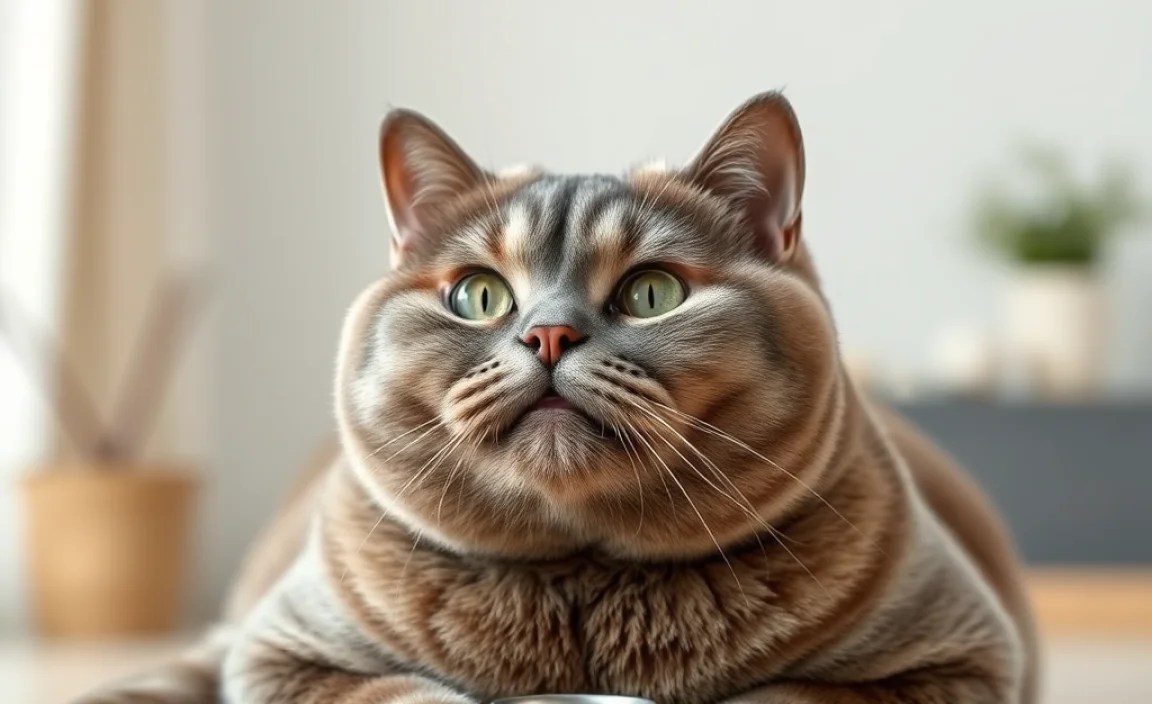
Here are some practical tools and tips to help you manage your British Shorthair’s weight effectively:
Tools for Weight Management
| Tool | Description | Benefits |
|---|---|---|
| Measuring Cup | A dedicated measuring cup for pet food. | Ensures accurate portion sizes and prevents overfeeding. |
| Kitchen Scale | A digital kitchen scale for weighing food. | Provides precise measurements, especially for wet food or homemade diets. |
| Puzzle Feeders | Interactive feeders that dispense food when your cat solves a puzzle. | Slows down eating, provides mental stimulation, and prevents boredom. |
| Cat Scale | A scale specifically designed for weighing cats. | Accurately tracks weight changes over time. |
Tips for Success
- Be Consistent: Consistency is key to successful weight management. Stick to a regular feeding schedule and exercise routine.
- Involve the Whole Family: Make sure everyone in the household is on board with the weight management plan. Avoid giving treats without permission and ensure everyone knows the feeding guidelines.
- Be Patient: It takes time to see results, so be patient and don’t get discouraged. Celebrate small victories and focus on making sustainable changes.
- Adjust as Needed: Weight management is not a one-size-fits-all approach. Be prepared to adjust your cat’s diet and exercise routine as needed based on their individual needs and progress.
Sample Meal Plans

Here are a couple of sample meal plans to give you an idea of how to structure your British Shorthair’s diet.
Meal Plan 1: Dry Food with Wet Food Supplement
| Meal | Food Type | Amount | Notes |
|---|---|---|---|
| Breakfast | High-quality dry kibble | 1/4 cup | Choose a formula with high protein and limited fillers. |
| Lunch | Wet food | 1/2 can (3 oz) | Opt for a pate or morsels in gravy. |
| Dinner | High-quality dry kibble | 1/4 cup | Adjust based on activity level and weight. |
| Treats | Healthy cat treats | A few small treats | Use sparingly and account for calories. |
Meal Plan 2: Balanced Dry and Wet Food
| Meal | Food Type | Amount | Notes |
|---|---|---|---|
| Breakfast | Wet food | 1/2 can (3 oz) | Choose a formula with high moisture content. |
| Dinner | High-quality dry kibble | 1/2 cup | Select a formula appropriate for their age and activity level. |
| Treats | Healthy cat treats | A few small treats | Consider using a portion of their daily kibble as treats. |
Addressing Common Concerns
Here are some common concerns that owners have when trying to manage their British Shorthair’s weight.
My Cat Always Seems Hungry
It’s common for cats to act hungry, even when they’re getting enough food. Try these strategies:
- Increase Fiber: Choose foods with higher fiber content to help them feel fuller.
- Smaller, More Frequent Meals: Dividing their daily food allowance into smaller, more frequent meals can help regulate their appetite.
- Puzzle Feeders: Using puzzle feeders can make mealtime more engaging and slow down eating.
- Ignore Begging: Avoid giving in to their demands for food, as this can reinforce the behavior.
My Cat Is a Picky Eater
If your cat is a picky eater, it can be challenging to switch to a healthier diet. Here are some tips:
- Gradual Transition: Slowly introduce the new food by mixing it with their old food, gradually increasing the proportion of the new food over several days.
- Warm the Food: Warming wet food slightly can enhance its aroma and make it more appealing.
- Try Different Flavors and Textures: Experiment with different flavors and textures to find something they enjoy.
- Consult Your Vet: If your cat is consistently refusing to eat, consult your vet to rule out any underlying health issues.
I Have Multiple Cats; How Do I Manage Their Weights Individually?
Managing the weight of multiple cats can be tricky, especially if they share food bowls. Here are some strategies:
- Separate Feeding Areas: Feed each cat in a separate area or room to prevent them from eating each other’s food.
- Microchip Feeders: Consider using microchip-activated feeders, which only open for the cat with the corresponding microchip.
- Monitor Food Intake: Keep a close eye on each cat’s food intake to ensure they are getting the right amount.
FAQ: Preventing Obesity in British Shorthairs
Here are some frequently asked questions about preventing obesity in British Shorthairs:
- How much should I feed my British Shorthair?
- The amount you feed your British Shorthair depends on their age, weight, activity level, and the specific food you’re using. Always refer to the feeding guidelines on the food packaging and consult with your vet for personalized advice. A good starting point is usually around 1/2 to 3/4 cup of dry food per day, split into two meals.
- What are the best types of food for British Shorthairs prone to weight gain?
- Look for high-quality cat foods with a named meat source as the first ingredient, limited fillers, and an appropriate calorie count. Foods with higher protein and moderate fat content are generally good choices. Wet food can also be beneficial due to its higher water content and lower calorie density.
- How often should I play with my British Shorthair to keep them active?
- Aim for at least 15-20 minutes of interactive play per day, split into several short sessions. Use toys like feather wands, laser pointers, or puzzle toys to engage their hunting instincts and get them moving.
- Are treats bad for my British Shorthair?
- Treats can be a part of a balanced diet, but they should be given sparingly and factored into their daily calorie allowance. Choose healthy treat options that are low in calories and made with natural ingredients. Use them as rewards for good behavior rather than giving them freely.
- How can I tell if my British Shorthair is overweight?
- You should be able to easily feel their ribs with a light touch. When viewed from above, they should have a slight hourglass shape. A noticeable bulge on their abdomen is also a sign of excess weight. Regular vet check-ups can help monitor their weight and body condition.
- What if my British Shorthair is already overweight?
- If your British Shorthair is already overweight, consult with your vet to develop a weight loss plan. This may involve gradually reducing their food intake, switching to a weight management food, and increasing their exercise levels. Regular monitoring and patience are key.
- Can puzzle feeders really help with weight management?
- Yes, puzzle feeders can be a valuable tool for weight management. They slow down eating, provide mental stimulation, and prevent boredom, which can help reduce overeating. Choose the right puzzle for your cat’s skill level and rotate different types to keep them engaged.
Conclusion
Preventing obesity in your British Shorthair doesn’t have to be a daunting task. By implementing these simple strategies – portion control, choosing the right food, encouraging exercise, and regular vet check-ups – you can ensure your feline friend stays healthy and happy for years to come. Remember, consistency is key, and every small step you take contributes to their overall well-being. So, grab that measuring cup, dust off those toys, and embark on this journey together. Your British Shorthair will thank you with purrs, cuddles, and a long, healthy life!


