
British Shorthair Training for Judges: Secret Tips

Have you ever seen a fluffy, round cat at a show? It might have been a British Shorthair! These cats are super popular. But do you know how judges learn to pick the best ones? It involves special British Shorthair training for judges. It helps them know what to look for. They learn all about the cat’s body, fur, and even its personality.
Imagine being a judge. You must know exactly what makes a British Shorthair special. It is a big responsibility! This training makes sure the judges are fair. They want to find the purr-fect cat.
It is not just about picking the cutest cat. Judges must know the breed standard. This means they understand what a perfect British Shorthair should look like. The British Shorthair training for judges is very important. It helps keep the breed healthy and beautiful.
Key Takeaways
- British Shorthair training for judges ensures fair and accurate evaluations at cat shows.
- Judges learn to assess the breed standard, including coat, body, and temperament.
- Training covers recognizing common faults and health issues in British Shorthairs.
- Expert handlers and breeders often lead the training sessions for new judges.
- Proper training helps maintain the breed’s quality and consistency over time.
Understanding British Shorthair Breed Standards

What makes a British Shorthair a British Shorthair? It’s more than just a cute, round face! Judges need to know the breed standards inside and out. This means understanding the ideal body shape, coat texture, and even eye color. British Shorthair training for judges covers all these details. They learn to spot the subtle differences that separate a good cat from a truly exceptional one. The training includes studying diagrams and pictures. They also get hands-on experience with real cats. Imagine trying to remember all the different shades of blue-gray fur! It takes a lot of practice and a keen eye. Judges must learn to evaluate the cat’s overall balance and proportion. They need to know what a well-built British Shorthair looks like in motion and at rest. This ensures that only the best cats are recognized and bred, preserving the breed’s unique characteristics.
- Head shape and size are important.
- Eye color should be bright and clear.
- Coat texture should be dense and plush.
- Body should be sturdy and well-proportioned.
- Tail length should be in proportion to the body.
- Temperament should be calm and friendly.
The breed standard is like a blueprint for the perfect British Shorthair. It helps breeders know what to aim for when choosing which cats to breed. Judges use this standard to compare each cat against the ideal. They look for cats that closely match the description. But it’s not just about looks! Temperament is also important. British Shorthairs are known for being friendly and laid-back. Judges look for cats that are comfortable being handled and don’t seem stressed at the show. The British Shorthair training for judges includes learning how to assess a cat’s personality. This helps ensure that the breed remains healthy and happy for many years to come. Good temperament is a crucial part of the breed’s charm and appeal.
Fun Fact or Stat: The British Shorthair is one of the oldest recognized cat breeds, with its origins tracing back to the Roman Empire!
Why Breed Standards Matter
Have you ever wondered why some breeds of dogs or cats look so different? Breed standards are the reason! These standards guide breeders. They ensure that each breed keeps its special traits. For British Shorthairs, the standard says what the perfect cat should look and act like. Without these standards, the cats might start to look and act differently over time. Imagine if British Shorthairs lost their round faces or calm personalities! That’s why judges and breeders work hard to follow the breed standard. They want to keep the British Shorthair breed special and unique. The standard helps to prevent health problems too. By choosing cats that fit the standard, breeders can avoid passing on bad genes.
Studying the Ideal British Shorthair
Imagine you are learning to draw. You would probably start by looking at pictures of what you want to draw. It is the same with British Shorthair training for judges. Judges study pictures and descriptions of the perfect British Shorthair. They learn about the shape of the head, the color of the eyes, and the texture of the fur. They also learn about the cat’s body and tail. Judges must remember all these details. It takes a lot of time and effort. But it is important. They need to know what to look for when they are judging a cat show. This helps them to choose the best British Shorthairs. It also helps breeders to know what to aim for when they are breeding cats.
The Temperament Factor
Why do people love British Shorthairs? It’s not just their looks. It is also their personality. These cats are known for being calm and friendly. They like to be around people. They are not usually shy or scared. Judges need to check the cat’s temperament. Is the cat relaxed? Does it like being petted? Does it seem happy? British Shorthair training for judges includes learning how to assess a cat’s personality. A good British Shorthair should be friendly and easy to handle. This is just as important as the cat’s looks. Breeders want to produce cats that are both beautiful and well-behaved. This makes them great pets for families.
Evaluating Coat Quality and Color

The British Shorthair’s coat is one of its most distinctive features. It’s dense, plush, and stands away from the body. Judges need to know what a perfect coat feels and looks like. British Shorthair training for judges includes hands-on experience. They learn to feel the difference between a good coat and a bad one. A poor coat might be too flat or too thin. It might also be too soft or too silky. The color of the coat is also important. British Shorthairs come in many colors. Blue is one of the most popular. Judges need to know the correct shade of each color. They also need to know if the color is even and consistent. Patches or spots are not usually desirable, except in certain patterns. Good coat quality and color are signs of a healthy and well-cared-for cat.
| Coat Characteristic | Ideal | Faults | Serious Faults |
|---|---|---|---|
| Density | Dense and plush | Slightly thin | Thin or sparse |
| Texture | Crisp and resilient | Soft or silky | Woolly or cottony |
| Length | Medium | Too long or too short | Noticeably long or short |
| Color | Even and consistent | Slight shading | Uneven or patchy |
- Coat should be dense and plush.
- Texture should be crisp, not silky.
- Color should be even and consistent.
- Length should be medium, not too long.
- Coat should stand away from the body.
- Proper grooming enhances coat quality.
The coat of a British Shorthair is like a warm, fluffy blanket. It keeps them cozy in the winter. It also protects them from the sun in the summer. Judges learn to appreciate the beauty and function of the coat. They know that a healthy coat is a sign of a healthy cat. The British Shorthair training for judges teaches them how to assess the coat’s condition. They look for signs of dryness, damage, or parasites. A well-groomed coat is also important. Judges expect the cats to be clean and well-presented. Regular brushing helps to keep the coat in good condition. It also helps to remove loose hair and prevent mats. A beautiful coat is a key part of what makes a British Shorthair so special. It makes them look even more cuddly and lovable.
Fun Fact or Stat: The “blue” British Shorthair is actually a beautiful shade of gray, and it’s one of the most popular coat colors!
The Importance of Touch
Imagine you are buying a new sweater. You would probably want to feel the fabric. Is it soft? Is it itchy? It is the same with judging a British Shorthair. Judges need to touch the cat’s coat. This helps them to feel the texture. Is it dense and plush? Or is it thin and silky? The British Shorthair training for judges emphasizes the importance of touch. They learn to feel the difference between a good coat and a bad one. Touch can also help them to find problems. They might feel a lump or a bump. This could be a sign of a health issue. So, touch is an important part of the judging process. It helps judges to make fair and accurate decisions.
Recognizing Correct Color Shades
Have you ever tried to match paint colors? It can be tricky! There are so many different shades. It is the same with judging British Shorthairs. These cats come in many colors. Each color has a specific shade. Judges need to know these shades. They need to know the difference between a “blue” British Shorthair and a “lilac” one. British Shorthair training for judges includes learning about color genetics. This helps them to understand how the colors are inherited. It also helps them to recognize the correct shades. Color is an important part of the breed standard. Judges must be able to assess it accurately.
Grooming’s Role in Coat Assessment
Imagine you are getting ready for a party. You would want to make sure you look your best. You would brush your hair and put on clean clothes. It is the same with cats at a cat show. They need to be well-groomed. This helps them to show off their best features. British Shorthair training for judges includes learning about grooming. Judges need to know what a well-groomed cat looks like. The coat should be clean and free of mats. The nails should be trimmed. The ears should be clean. Proper grooming can make a big difference. It can help a cat to stand out from the crowd. It also shows that the owner cares about the cat’s health and well-being.
Assessing Body Structure and Conformation

A British Shorthair should have a sturdy, well-balanced body. Judges need to know what to look for. British Shorthair training for judges covers all aspects of body structure. They learn about the ideal bone structure, muscle tone, and overall proportions. The cat should be neither too long nor too short. Its legs should be strong and straight. Its chest should be broad and deep. The head should be round and well-proportioned to the body. Judges also check the tail. It should be of medium length and slightly rounded at the tip. Any deviations from the ideal body structure can affect the cat’s movement and overall health. That’s why it’s so important for judges to be well-trained in this area.
- Body should be sturdy and well-muscled.
- Legs should be strong and straight.
- Chest should be broad and deep.
- Head should be round and well-proportioned.
- Tail should be medium length and rounded.
- Overall balance is crucial.
The body structure of a British Shorthair is like the foundation of a house. It needs to be strong and solid. This allows the cat to move gracefully and stay healthy. Judges look for cats that have a well-built body. They know that this is a sign of good breeding. The British Shorthair training for judges teaches them how to assess the cat’s conformation. This means looking at the way the different parts of the body fit together. A well-conformed cat will have a balanced and harmonious appearance. It will also be less likely to develop health problems. Good body structure is essential for the cat’s overall well-being. It allows them to live a long and happy life.
Fun Fact or Stat: British Shorthairs are known for their “cheeky” appearance, which is due to their round face and full cheeks!
The Importance of Bone Structure
Have you ever built a tower out of blocks? If the base is weak, the tower will fall over. It is the same with a cat’s body. The bones are like the base of the tower. They need to be strong and well-built. British Shorthair training for judges includes learning about bone structure. Judges need to know what the bones should look like. They need to check the legs, the spine, and the ribs. Strong bones are important for the cat’s health. They help the cat to move easily. They also protect the cat’s organs. Judges look for cats with good bone structure. This is a sign of good breeding.
Musculature and Overall Fitness
Imagine a superhero. They are strong and muscular. They can run fast and jump high. A healthy cat is also strong and muscular. It can run, jump, and play. Judges need to check the cat’s muscles. Are they strong and well-developed? Is the cat in good shape? British Shorthair training for judges includes learning about musculature. Judges need to know what a healthy cat looks like. They look for cats that are active and energetic. They also check the cat’s weight. A cat that is too fat or too thin is not healthy. Good musculature is a sign of good health and fitness.
Proportion and Balance
Have you ever seen a picture that looks wrong? Maybe the head is too big, or the legs are too short. It is the same with a cat’s body. The parts need to be in proportion. The head should be the right size for the body. The legs should be the right length. The tail should be the right size. British Shorthair training for judges includes learning about proportion. Judges need to know what a balanced cat looks like. They look for cats that are harmonious and pleasing to the eye. Good proportion is a sign of good breeding. It also makes the cat look more attractive.
Recognizing Common Faults and Disqualifications
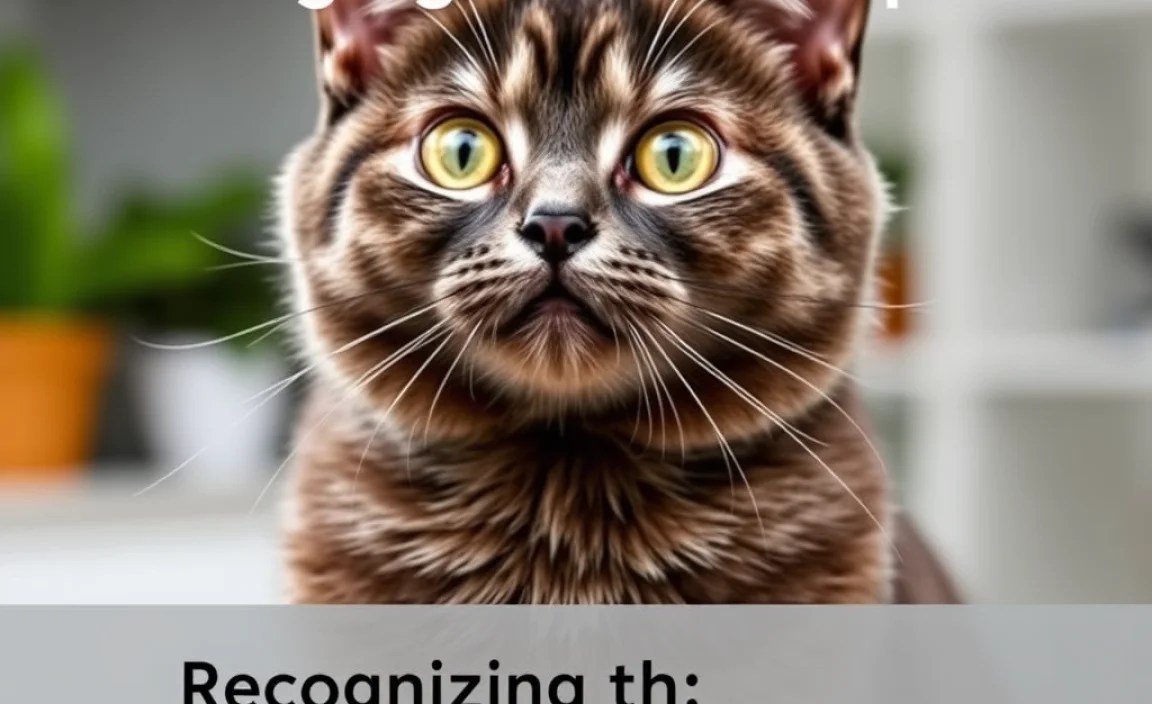
No cat is perfect. Even the best British Shorthairs can have flaws. Judges need to know how to spot these faults. British Shorthair training for judges includes learning about common faults and disqualifications. A fault is a minor imperfection. It might be a slight deviation from the breed standard. A disqualification is a more serious flaw. It means that the cat cannot win an award. Examples of faults include a slightly long coat or a slightly pointed tail. Examples of disqualifications include crossed eyes or a kinked tail. Judges must be fair and consistent. They need to apply the rules equally to all cats. Recognizing faults and disqualifications is an important part of the judging process.
- Long or silky coat is a fault.
- Pointed or kinked tail is a fault.
- Incorrect eye color is a fault.
- Crossed eyes are a disqualification.
- Visible signs of illness are a disqualification.
- Aggressive behavior is a disqualification.
Faults and disqualifications are like spelling mistakes in a story. They don’t necessarily ruin the story, but they do detract from it. Judges need to be able to identify these imperfections. They need to understand how they affect the cat’s overall quality. The British Shorthair training for judges helps them to develop this skill. They learn to look closely at each cat. They pay attention to the details. They also learn to be objective. They don’t let their personal preferences influence their decisions. Recognizing faults and disqualifications is essential for maintaining the breed standard. It helps to ensure that only the best cats are bred and shown.
Fun Fact or Stat: A cat can be disqualified from a show if it has been surgically altered to hide a fault!
Distinguishing Faults from Disqualifications
Have you ever played a game with rules? Some rules are more important than others. If you break a small rule, you might just lose a point. But if you break a big rule, you might be out of the game! It is the same with judging cats. Some flaws are minor. These are called faults. Other flaws are serious. These are called disqualifications. British Shorthair training for judges teaches them the difference. They learn which flaws are just minor imperfections. They also learn which flaws are serious enough to disqualify a cat. This helps them to make fair decisions.
The Impact of Genetics
Why do some people have blue eyes and others have brown eyes? It is because of genetics. Genetics are the instructions that tell our bodies how to grow. Cats also have genetics. These genetics determine their coat color, their eye color, and their body shape. British Shorthair training for judges includes learning about genetics. Judges need to understand how genetics work. This helps them to understand why some cats have certain flaws. It also helps them to predict which flaws might be passed on to future generations. Genetics play a big role in cat breeding.
Ethical Considerations in Judging
Imagine you are a referee at a sports game. You need to be fair to both teams. You can’t let your personal feelings influence your decisions. It is the same with judging cats. Judges need to be ethical. They need to be fair to all the cats. They can’t let their personal preferences influence their decisions. British Shorthair training for judges includes learning about ethics. Judges need to understand the importance of being objective. They need to follow the rules. They also need to respect the breeders and the owners. Ethical judging is essential for maintaining the integrity of the cat fancy.
Health and Well-being Assessment

A beautiful cat is not necessarily a healthy cat. Judges need to be able to assess the cat’s overall health. British Shorthair training for judges includes learning about common health problems in the breed. They learn to look for signs of illness, such as runny eyes, sneezing, or coughing. They also check the cat’s weight and body condition. A healthy cat should be neither too fat nor too thin. Judges also look for signs of skin problems, such as fleas or ringworm. They may also check the cat’s teeth and gums. Good health is essential for the cat’s well-being. It also affects its appearance and temperament. That’s why it’s so important for judges to be able to assess the cat’s health.
- Eyes should be clear and bright.
- Nose should be clean and dry.
- Ears should be clean and free of mites.
- Coat should be clean and healthy.
- Weight should be appropriate for size.
- Temperament should be alert and responsive.
The health and well-being of the cat are the most important things. Judges need to remember this when they are judging. They are not just looking for a pretty face. They are looking for a healthy, happy cat. The British Shorthair training for judges emphasizes the importance of health. Judges learn to recognize the signs of illness. They also learn to appreciate the importance of good care. A healthy cat is a joy to be around. It is active, playful, and affectionate. Judges want to choose cats that are good examples of the breed. This means choosing cats that are both beautiful and healthy. This helps to ensure that the breed remains strong and healthy for many years to come.
Fun Fact or Stat: British Shorthairs are prone to certain genetic health issues, such as hypertrophic cardiomyopathy (HCM), so health screening is important!
Recognizing Signs of Illness
Have you ever been sick? You probably had a runny nose or a fever. Cats can also get sick. They might have a runny nose, watery eyes, or a cough. Judges need to know how to spot these signs. British Shorthair training for judges includes learning about common cat illnesses. Judges need to look closely at each cat. They need to check for any signs of trouble. Early detection is important. It can help the cat to get the treatment it needs. This can help the cat to recover quickly.
Assessing Body Condition
Imagine you are looking at a plant. Is it healthy and green? Or is it wilted and brown? It is the same with a cat’s body. Judges need to assess the cat’s body condition. Is it healthy and well-nourished? Or is it too thin or too fat? British Shorthair training for judges includes learning about body condition scoring. Judges need to know what a healthy cat looks like. They need to check the ribs, the spine, and the belly. A healthy cat should have a good balance of muscle and fat.
The Role of Responsible Breeders
Why do some people grow their own vegetables? They want to make sure they are healthy and safe. Responsible breeders are like gardeners. They want to make sure their cats are healthy and happy. British Shorthair training for judges includes learning about responsible breeding. Judges need to know what to look for. They need to check if the breeder is doing health testing. They need to check if the breeder is providing good care. Responsible breeders are essential for the health of the breed.
Ethics and Fair Judging Practices
Being a judge is a big responsibility. Judges must be fair and impartial. They need to follow the rules. They can’t let their personal feelings influence their decisions. British Shorthair training for judges includes learning about ethics. They learn about the importance of honesty, integrity, and respect. They also learn about conflicts of interest. A judge should not judge a cat that belongs to a friend or family member. This could create the appearance of bias. Judges need to be professional at all times. They need to treat everyone with respect. Ethical judging is essential for maintaining the integrity of the cat fancy.
- Be honest and impartial.
- Follow the breed standard.
- Avoid conflicts of interest.
- Treat everyone with respect.
- Maintain confidentiality.
- Continue to learn and improve.
The role of a judge is like being an umpire in a baseball game. They need to call the balls and strikes fairly. They can’t favor one team over the other. It is the same with judging cats. Judges need to be objective. They need to assess each cat based on its merits. The British Shorthair training for judges helps them to develop this skill. They learn to focus on the cat’s qualities. They don’t let their personal biases get in the way. Ethical judging is about doing the right thing. It’s about upholding the integrity of the cat fancy. It’s about ensuring that the best cats are recognized and rewarded.
Fun Fact or Stat: Judges must recuse themselves from judging cats they’ve bred or owned within a certain timeframe to avoid bias!
Maintaining Impartiality
Imagine you are choosing a winner for a school contest. You can’t pick your best friend just because they are your friend. You need to pick the person who did the best job. It is the same with judging cats. Judges need to be impartial. They can’t favor a cat just because they like its owner. British Shorthair training for judges emphasizes the importance of impartiality. Judges need to focus on the cat’s qualities. They need to ignore their personal feelings. This helps them to make fair decisions.
Avoiding Conflicts of Interest
Why do some politicians step aside from voting on certain issues? It is because they have a conflict of interest. They might benefit personally from the outcome of the vote. Judges also need to avoid conflicts of interest. They can’t judge a cat if they have a personal connection to the owner. British Shorthair training for judges teaches them about conflicts of interest. Judges need to be aware of these situations. They need to recuse themselves from judging if there is a conflict.
Respecting Breeders and Exhibitors
Imagine you are showing your artwork at a gallery. You would want the people who look at your art to be respectful. You would want them to appreciate the hard work you put into it. Breeders and exhibitors also want to be respected. They have spent a lot of time and effort caring for their cats. British Shorthair training for judges includes learning about respect. Judges need to treat breeders and exhibitors with courtesy. They need to appreciate their dedication to the breed. This helps to create a positive atmosphere at cat shows.
Continuing Education and Breed Updates
The world of cat breeding is always changing. New genetic research is constantly being done. Breed standards can be updated. Judges need to stay up-to-date on the latest information. British Shorthair training for judges is not a one-time event. It’s an ongoing process. Judges need to attend seminars, workshops, and conferences. They need to read books and articles. They need to talk to breeders and other judges. This helps them to stay informed about the breed. It also helps them to improve their judging skills. Continuing education is essential for maintaining the quality of the breed.
- Attend seminars and workshops.
- Read breed-specific publications.
- Network with other judges and breeders.
- Stay informed about genetic research.
- Review updated breed standards.
- Participate in mentorship programs.
Learning is like climbing a mountain. The higher you climb, the more you can see. Judges who continue to learn and improve will have a better understanding of the breed. They will be able to make more informed decisions. The British Shorthair training for judges provides a foundation. But it’s up to each judge to build on that foundation. They need to be curious, open-minded, and willing to learn. The more they know, the better they will be able to serve the breed. Continuing education is an investment in the future of the British Shorthair.
Fun Fact or Stat: Some cat fancy organizations require judges to complete a certain number of continuing education hours each year to maintain their certification!
The Value of Mentorship
Have you ever learned something from someone who is more experienced than you? Maybe you learned how to ride a bike from your dad. Or maybe you learned how to cook from your grandma. Mentorship is a great way to learn. British Shorthair training for judges often includes mentorship programs. New judges are paired with experienced judges. The experienced judges share their knowledge and skills. They provide guidance and support. This helps the new judges to develop their abilities.
Staying Current with Breed Standards
Why do sports teams change their rules from time to time? It is because they want to make the game better. Breed standards can also change. The cat fancy organizations might update the standards to reflect new knowledge. British Shorthair training for judges includes staying current with breed standards. Judges need to know about any changes. They need to understand how the changes affect the judging process. This helps them to make accurate decisions.
The Impact of Genetic Research
Imagine scientists discover a new gene that causes a certain disease. This could change the way doctors treat the disease. Genetic research is also important for cat breeding. Scientists are constantly learning more about cat genetics. They are discovering new genes that affect coat color, body shape, and health. British Shorthair training for judges includes learning about genetic research. Judges need to understand how genetics can impact the breed. This helps them to make informed decisions.
Summary
British Shorthair training for judges is essential for ensuring fair and accurate evaluations at cat shows. The training covers a wide range of topics. These topics include breed standards, coat quality, body structure, health assessment, and ethical practices. Judges learn to identify the ideal characteristics of the breed. They also learn to recognize common faults and disqualifications. Continuing education is crucial for staying up-to-date on the latest breed information. This helps judges to make informed decisions. The goal of the training is to maintain the quality and consistency of the British Shorthair breed.
The training also emphasizes the importance of ethics and impartiality. Judges must be fair to all cats. They should avoid conflicts of interest. They should treat breeders and exhibitors with respect. By following these guidelines, judges can help to promote the health and well-being of the breed. They also ensure that the best cats are recognized and rewarded. British Shorthair training for judges is an investment in the future of the breed.
Conclusion
British Shorthair training for judges is vital for maintaining breed standards. The training helps judges assess cats accurately. They learn about coat, body, and temperament. Ethical judging ensures fairness. Continued learning keeps judges updated. This supports the breed’s future.
Frequently Asked Questions
Question No 1: What is the main goal of British Shorthair training for judges?
Answer: The main goal is to make sure judges know exactly what makes a British Shorthair special. This includes learning about the breed standard, which describes the perfect British Shorthair. Judges learn about the ideal body shape, coat texture, eye color, and even personality. The training also teaches them to spot common faults or health problems. By understanding all these details, judges can make fair and accurate decisions at cat shows, helping to maintain the quality of the breed.
Question No 2: What topics are covered in British Shorthair training for judges?
Answer: British Shorthair training for judges covers many important topics. Judges learn about the breed standard, which includes the ideal physical traits and temperament. They also learn how to assess the coat’s quality and color, and how to evaluate the cat’s body structure and conformation. Additionally, the training covers recognizing common faults and disqualifications, as well as assessing the cat’s overall health and well-being. Ethical judging practices and continuing education are also key components of the training program. All these topics help judges to make well-informed decisions.
Question No 3: Why is it important for judges to understand the British Shorthair breed standard?
Answer: Understanding the breed standard is super important for judges. The breed standard is like a blueprint for the perfect British Shorthair. It tells judges what the ideal cat should look and act like. Without this knowledge, judges might make decisions based on personal preference rather than on the true qualities of the breed. The breed standards helps to ensure that the best cats are recognized and rewarded. It also helps breeders to know what to aim for when breeding cats. British Shorthair training for judges makes sure they know this well.
Question No 4: How does British Shorthair training for judges help to maintain the health of the breed?
Answer: British Shorthair training for judges includes learning about common health problems in the breed. Judges learn to look for signs of illness, such as runny eyes, sneezing, or coughing. They also learn to assess the cat’s weight and body condition. By recognizing these signs, judges can help to identify cats that may need medical attention. This can help to prevent the spread of disease and improve the overall health of the breed. Judges can reward breeders who prioritize health and well-being.
Question No 5: What are some examples of common faults or disqualifications in British Shorthairs?
Answer: Common faults in British Shorthairs include a long or silky coat, a pointed or kinked tail, and incorrect eye color. These are minor imperfections that can affect the cat’s score. Disqualifications are more serious flaws that prevent a cat from winning an award. Examples of disqualifications include crossed eyes, visible signs of illness, and aggressive behavior. British Shorthair training for judges teaches them to identify these faults. Judges need to be aware of these issues when judging a cat show.
Question No 6: How can someone become a British Shorthair judge?
Answer: Becoming a British Shorthair judge usually involves several steps. First, you need to have a strong background in cats, often as a breeder or exhibitor. Then, you must apply to a cat fancy organization and complete their judge training program. This program includes classroom instruction, hands-on experience, and mentorship. You will need to pass exams and demonstrate your knowledge of the breed standard. Continuing education is also required to maintain your certification. The British Shorthair training for judges is a challenging but rewarding process.


