
How British Shorthairs Communicate Feelings: Secret?

Quick Summary: British Shorthairs communicate their feelings through a combination of vocalizations (meows, purrs, hisses), body language (tail movements, ear positions, posture), and facial expressions. Understanding these cues, like a slow blink for affection or flattened ears for fear, will help you bond with your British Shorthair and respond to their needs.
Ever wonder what your British Shorthair is *really* trying to tell you? These adorable, teddy bear-like cats aren’t always the most outwardly expressive, but they communicate in subtle and fascinating ways. Many owners find it challenging to decipher their cat’s quiet cues and understand what their furry friend is feeling. But don’t worry!
This guide will help you understand how British Shorthairs communicate their feelings, step by step. By learning to recognize their unique signals, you’ll be able to build a stronger bond with your feline companion and ensure their happiness and well-being. We’ll cover everything from vocalizations to body language, so you’ll become a true British Shorthair whisperer. Let’s get started!
Understanding British Shorthair Communication

British Shorthairs, known for their calm and dignified demeanor, have their own unique ways of expressing themselves. While they might not be as vocal as some other breeds, they use a combination of vocal cues, body language, and subtle facial expressions to communicate their needs and feelings. Understanding these cues is key to a happy relationship with your British Shorthair. Let’s explore each of these communication methods in detail.
Vocal Communication
While British Shorthairs aren’t known for being overly talkative, they do use a range of vocalizations to communicate with their owners. Here’s a breakdown of common sounds and their meanings:
- Meowing: This is often a request for attention, food, or to be let in or out. The tone and frequency can vary depending on what your cat wants. A short, high-pitched meow is usually a friendly greeting, while a persistent, lower-pitched meow might indicate hunger or discomfort.
- Purring: Typically a sign of contentment and happiness. However, cats also purr when they’re stressed or in pain as a self-soothing mechanism. Pay attention to the context to understand the meaning behind the purr.
- Hissing: A clear sign of fear, anger, or defensiveness. If your British Shorthair hisses, give them space and try to identify the source of their distress.
- Growling: Similar to hissing, growling indicates aggression or fear. It’s a warning sign to back off.
- Chirping/Trilling: These bird-like sounds are often made when your cat is watching birds or other prey. It’s an expression of excitement and hunting instinct.
- Yowling: This is a long, drawn-out meow that can indicate various issues, such as loneliness, boredom, or a medical problem. If your cat is yowling frequently, it’s best to consult with your veterinarian.
Remember to consider the context in which the vocalization occurs. A meow at the food bowl likely means your cat is hungry, while a purr while being petted indicates pleasure.
Body Language
A British Shorthair’s body language speaks volumes. Paying attention to their posture, tail movements, ear position, and eye contact can provide valuable insights into their emotional state.
Posture
- Relaxed: A relaxed cat will often be lying down with their muscles loose, or sitting upright with a gentle curve in their back. Their tail will be still or swaying gently.
- Alert: An alert cat will be standing or sitting with their body tense and their head up. Their ears will be forward, and their eyes will be wide open.
- Scared/Anxious: A scared or anxious cat might crouch low to the ground, tuck their tail between their legs, and flatten their ears. They might also tremble or try to hide.
- Aggressive: An aggressive cat will try to make themselves look larger by standing tall, arching their back, and puffing up their fur. Their tail might be twitching or lashing back and forth.
Tail Movements
- Upright: A tail held high usually indicates happiness and confidence.
- Curled at the tip: This is a friendly greeting.
- Tucked between legs: Indicates fear, anxiety, or submission.
- Twitching or lashing: Shows irritation or anger.
- Puffed up: Indicates fear or aggression.
Ear Position
- Forward: Indicates interest, alertness, or happiness.
- Back or flattened: Indicates fear, anger, or defensiveness.
- Swiveling: Shows that the cat is listening and paying attention to their surroundings.
Eye Contact
- Slow Blink: This is often referred to as a “cat kiss” and indicates trust and affection. Try slow blinking back at your cat to show them you love them!
- Direct Stare: Can be a sign of aggression or a challenge. Avoid prolonged direct eye contact with a cat you don’t know.
- Dilated pupils: Can indicate excitement, fear, or pain.
- Constricted pupils: Can indicate relaxation or aggression.
Facial Expressions
While cats’ facial expressions are more subtle than those of humans, they still play a role in communication. Pay attention to your British Shorthair’s eyes, whiskers, and mouth to get a better sense of what they’re feeling.
- Whiskers forward: Indicates curiosity or interest.
- Whiskers pulled back: Indicates fear or anxiety.
- Relaxed mouth: A relaxed mouth and jaw indicate contentment.
- Licking lips: Can indicate nervousness or stress, or anticipation of food.
- Wrinkled nose and raised lips: This is called the Flehmen response and is used to enhance the sense of smell. It’s often seen when a cat is investigating a new or interesting scent. According to research, the Flehmen response allows cats to draw scent molecules to the vomeronasal organ (VNO), located on the roof of their mouth, which helps them better understand the scent. [Source: National Center for Biotechnology Information]
Decoding Common British Shorthair Behaviors

Now that we’ve covered the basics of British Shorthair communication, let’s delve into some specific behaviors and what they might mean.
Kneading
Kneading, also known as “making biscuits,” is when a cat rhythmically pushes their paws into a soft surface. This behavior is thought to originate from kittenhood, when kittens knead their mother’s belly to stimulate milk flow. As adults, cats may knead when they’re feeling content and secure. Some cats also knead when they’re stressed or anxious as a self-soothing behavior. Understanding the context of when your cat starts kneading can help decipher the reason behind it.
Rubbing Against You
When your British Shorthair rubs against your legs or face, they’re not just being affectionate – they’re also marking you with their scent. Cats have scent glands on their cheeks, chin, and forehead, and rubbing transfers these scents to you, claiming you as part of their territory. This behavior is a sign of trust and bonding.
Bringing You Gifts
While it might not be the most pleasant experience to find a dead mouse on your doorstep, when your British Shorthair brings you “gifts,” they’re actually showing you affection. This behavior is thought to be a remnant of their hunting instincts. In the wild, mother cats will bring prey back to their kittens to teach them how to hunt. By bringing you a gift, your cat is showing you that they care for you and want to provide for you.
Hiding
Hiding is a common behavior in cats, especially when they’re feeling scared, anxious, or unwell. If your British Shorthair is suddenly hiding more than usual, it’s important to investigate the cause. Have there been any changes in their environment, such as a new pet or a loud noise? Are they showing any other signs of illness, such as loss of appetite or lethargy? If you’re concerned about your cat’s hiding behavior, consult with your veterinarian.
Scratching
Scratching is a natural behavior for cats. It helps them to maintain their claws, stretch their muscles, and mark their territory. Cats have scent glands in their paws, and scratching leaves behind both a visual mark and a scent marker. To prevent your British Shorthair from scratching your furniture, provide them with a scratching post or pad. Place the scratching post in a prominent location, such as near their favorite sleeping spot or in a high-traffic area.
Creating a Communication-Friendly Environment
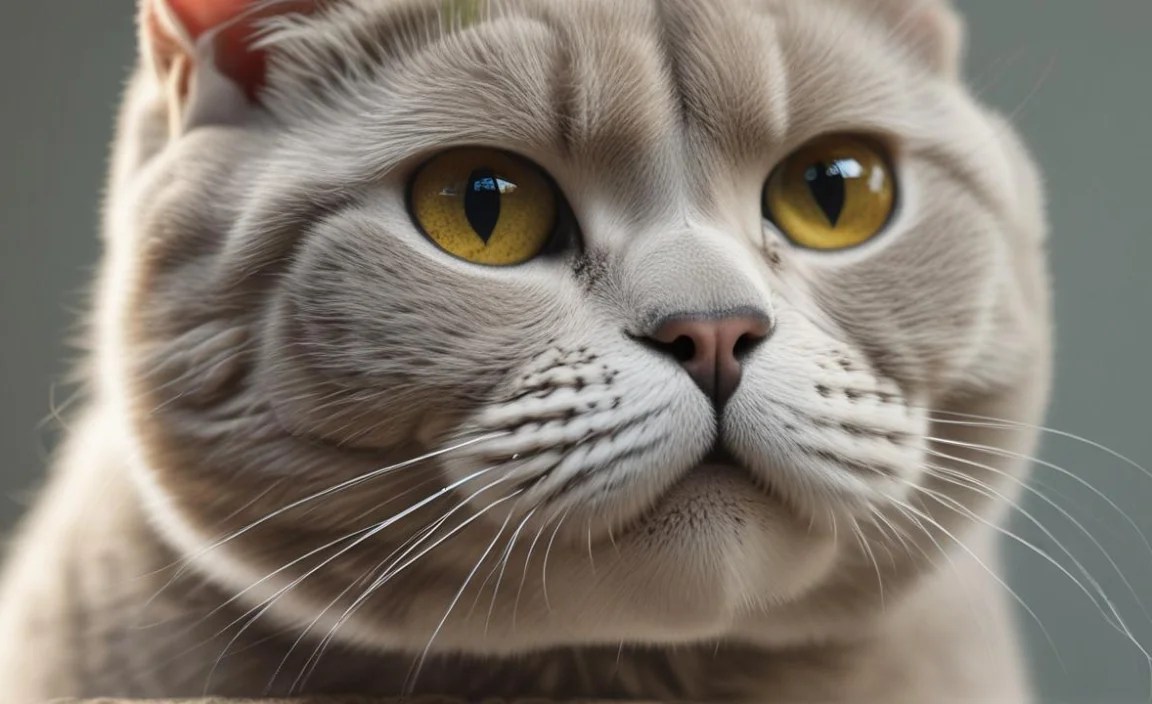
To foster a strong bond with your British Shorthair, it’s important to create a communication-friendly environment. This means providing them with the resources they need to feel safe, secure, and comfortable, as well as being attentive to their needs and signals.
Provide Plenty of Resources
Cats need access to fresh food and water, a clean litter box, a comfortable bed, and plenty of toys. Make sure these resources are easily accessible and located in a safe and quiet area. If you have multiple cats, provide them with separate resources to avoid competition and stress. According to the RSPCA, cats are solitary hunters and can become stressed if they have to compete for resources. [Source: RSPCA]
Create a Safe and Secure Environment
Cats are easily stressed by changes in their environment. Try to maintain a consistent routine and avoid making sudden changes to their surroundings. Provide them with plenty of hiding places, such as boxes or cat trees, where they can retreat when they’re feeling overwhelmed. It is important to ensure the environment is safe to allow the cat to communicate freely.
Pay Attention to Their Signals
The most important thing you can do to improve communication with your British Shorthair is to pay attention to their signals. Observe their body language, listen to their vocalizations, and learn to recognize their individual quirks and preferences. The more you understand your cat, the better you’ll be able to respond to their needs and build a strong, loving relationship. By learning the subtle cues, you can pick up if they are feeling stressed, anxious or happy and relaxed.
Common Misunderstandings in Cat Communication

Even with the best intentions, misunderstandings can occur in cat communication. Here are a few common mistakes to avoid:
- Assuming Purring Always Means Happiness: As mentioned earlier, cats also purr when they’re stressed or in pain. Pay attention to the context to understand the meaning behind the purr.
- Ignoring Hissing or Growling: These are clear warning signs that your cat is feeling threatened or uncomfortable. Ignoring these signals can lead to aggression.
- Punishing Your Cat for Scratching: Scratching is a natural behavior. Punishing your cat for scratching will only make them fearful and anxious. Instead, provide them with a scratching post and redirect their scratching behavior.
- Forcing Affection: Cats appreciate affection on their own terms. Forcing them to be petted or held when they’re not in the mood can damage your relationship.
- Misinterpreting Biting: Sometimes cats will give a gentle nip during play, but if it’s too hard it might be a sign that they are overstimulated and need a break.
British Shorthair Communication Throughout Life Stages

A British Shorthair’s communication style may change as they progress through different life stages. Here’s what to expect:
| Life Stage | Communication Characteristics | How to Respond |
|---|---|---|
| Kitten | More vocal, playful, and exploratory. May meow frequently for attention and food. | Provide plenty of playtime, socialization, and positive reinforcement. Respond to their needs promptly. |
| Adult | More subtle communication. Relies heavily on body language and scent marking. | Pay close attention to their body language and routines. Provide a stable and enriching environment. |
| Senior | May become more vocal due to cognitive decline or medical issues. May also experience changes in their senses. | Provide extra care and attention. Consult with your veterinarian about any changes in behavior or health. Adjust their environment to accommodate their needs. |
Advanced Tips for Understanding Your British Shorthair
Want to take your understanding of your British Shorthair to the next level? Here are some advanced tips:
- Learn Their Individual Quirks: Every cat is different, and your British Shorthair will have their own unique personality and communication style. Pay attention to their individual quirks and preferences to gain a deeper understanding of their needs.
- Use Positive Reinforcement: Positive reinforcement, such as treats, praise, or petting, can be a powerful tool for shaping your cat’s behavior and improving communication. Reward them when they exhibit desired behaviors, such as using the scratching post or coming when called.
- Consider Using a Cat Behaviorist: If you’re struggling to understand your cat’s behavior, consider consulting with a certified cat behaviorist. A behaviorist can help you identify the underlying causes of problem behaviors and develop a plan to address them.
FAQ About British Shorthair Communication
Here are some frequently asked questions about how British Shorthairs communicate:
- Why is my British Shorthair so quiet?
- British Shorthairs are generally a quiet breed. They communicate more through body language than vocalizations. It’s part of their charming, laid-back nature!
- How do I know if my British Shorthair is happy?
- A happy British Shorthair will often purr, knead, rub against you, and have relaxed body language. They might also slow blink at you, which is a sign of trust and affection.
- What does it mean when my British Shorthair wags its tail?
- Unlike dogs, a wagging tail in cats usually indicates irritation or agitation, not happiness. Pay attention to other body language cues to understand the context.
- Why does my British Shorthair bite me gently?
- Gentle biting can be a sign of affection or playfulness, but it can also indicate overstimulation. If your cat’s bite is too hard, it’s important to redirect their behavior and give them a break.
- How can I communicate better with my British Shorthair?
- Pay attention to their body language, vocalizations, and facial expressions. Provide them with a safe and enriching environment, and use positive reinforcement to encourage desired behaviors. Slow blinking at your cat can also be a great way to communicate affection!
- Is it normal for my British Shorthair to hide a lot?
- While hiding is a normal behavior for cats, excessive hiding can indicate stress or illness. If your cat is suddenly hiding more than usual, it’s important to investigate the cause and consult with your veterinarian if necessary.
- Why does my British Shorthair stare at me?
- A soft, gentle stare can be a sign of affection. However, a hard, unwavering stare can be a challenge or a sign of aggression. Pay attention to the context and your cat’s other body language cues to understand the meaning behind the stare.
Conclusion
Understanding how British Shorthairs communicate their feelings is essential for building a strong and loving relationship with your feline companion. By learning to recognize their subtle vocal cues, body language, and facial expressions, you’ll be able to better respond to their needs and ensure their happiness and well-being. Remember to create a communication-friendly environment, avoid common misunderstandings, and pay attention to your cat’s individual quirks and preferences. With patience, observation, and a little bit of knowledge, you’ll become a true British Shorthair whisperer!


