
Cat Breeds That Bond Closely With One Person: Ultimate Guide

Have you ever wished for a furry friend who is super loyal? Some cats like to pick a favorite person. These cats form very strong bonds. They become like little shadows. They follow you everywhere. Which cat breeds bond closely with one person? Let’s explore some of these extra-loving cats.
These cats aren’t just pets. They are real companions. They want to be with you all the time. Some will even sleep in your bed. Others might sit on your lap. Get ready to meet some very special cats.
Key Takeaways
- Some cat breeds bond closely with one person, becoming devoted companions.
- Siamese cats are known for being very vocal and attached to their owners.
- Ragdoll cats are gentle giants who love to be cuddled and carried around.
- Burmese cats are playful and often follow their favorite person from room to room.
- Maine Coons are friendly and get along with everyone, but often choose a special human.
Which Cat Breeds Form Strongest Bonds?

Some cats are just naturally more attached. They like to be near their favorite human. They might follow you around the house. They could even try to “help” with chores. These cats often show their affection openly. They might purr loudly when you pet them. They might rub against your legs. They simply love being close to you. But, which cat breeds are most likely to form such strong bonds? It’s a mix of genetics and personality. A cat’s early experiences also play a role. Cats raised with lots of love are more likely to be affectionate. Let’s look at some of these loving breeds. These cats are known for their loyalty. They will bring lots of joy to the right owner.
- Siamese cats are very vocal and love attention.
- Burmese cats are playful and enjoy being with their people.
- Ragdolls are gentle and love to be held like a baby.
- Maine Coons are big and friendly, often picking a favorite.
- Sphynx cats are very social and love cuddling.
- Tonkinese cats are affectionate and love to play.
Remember, every cat is different. Even within these breeds, personalities vary. Some cats might be more independent. Others will be super clingy. It’s important to choose a cat that matches your lifestyle. If you are gone a lot, an independent cat might be better. If you want a constant companion, a clingy cat might be perfect. No matter what, all cats need love and care. When you give them that, they will give it back. You will have a friend for many years. The best cat is one that fits into your family.
Fun Fact or Stat: Studies show that cats can recognize their owner’s voice and respond differently to it than to the voices of strangers.
Do Siamese Cats Always Bond Strongly?
Siamese cats are famous for their striking looks. They also have very big personalities. They are known to be very vocal. Siamese cats love to “talk” to their owners. They will tell you all about their day. They form very strong bonds with their families. Siamese cats often pick a favorite person. They will follow that person everywhere. They want to be involved in everything you do. Some people find this endearing. Others might find it a bit much. But if you want a cat who will always be by your side, a Siamese might be perfect. They need lots of attention and playtime. If you can give them that, they will be very happy.
How Do Burmese Cats Show Affection?
Burmese cats are known for their playful nature. They are often described as “dog-like.” They love to play fetch and learn tricks. Burmese cats are also very affectionate. They enjoy cuddling with their owners. They will often follow you from room to room. They want to be part of your life. Burmese cats are very social. They don’t like being alone for long periods. If you work long hours, consider getting a companion for your Burmese. They get along well with other cats and even dogs. Burmese cats are great family pets. They are good with children. They are also very intelligent and easy to train.
Are Ragdoll Cats Truly Like Puppies?
Ragdoll cats are famous for their laid-back personalities. They got their name because they go limp when you pick them up. They are very gentle and tolerant. Ragdolls love to be held and cuddled. They are great with children. They are also good with other pets. Ragdoll cats are very quiet. They don’t meow much. They communicate with soft chirps and purrs. Ragdolls are not very active. They prefer to lounge around. They are happy to spend the day napping on the couch. If you want a calm and loving cat, a Ragdoll might be the perfect choice. They bring a sense of peace to any home.
How to Identify Loyal Cat Breeds?

Identifying loyal cat breeds involves more than just looking at breed characteristics. While certain breeds are known for forming strong bonds, individual personality matters. Observe how a kitten interacts with people. Does it seek attention? Is it playful and curious? Look for kittens that are comfortable being handled. A kitten that enjoys being petted is more likely to become a loyal companion. Consider the cat’s history. A cat that was raised in a loving home is more likely to be affectionate. Visit the breeder or shelter. Spend time with the cats. See which ones gravitate toward you. Trust your instincts. The most loyal cat is the one you connect with.
- Look for cats that seek attention and affection.
- Observe how they react to being held and petted.
- Consider their history and upbringing.
- Visit the breeder or shelter to meet the cats.
- Trust your instincts and choose a cat you connect with.
It’s also important to understand a cat’s body language. A happy and relaxed cat will have relaxed posture. It will hold its tail up. It will purr when you pet it. A scared or stressed cat will crouch down. It will tuck its tail. It might hiss or growl. Pay attention to these cues. They can tell you a lot about a cat’s personality. Remember, building a bond takes time. Be patient with your new cat. Give it lots of love and attention. Over time, it will learn to trust you. You will develop a strong and lasting friendship.
Fun Fact or Stat: Cats have about 200 million scent receptors, compared to humans who have only about 5 million.
What Role Does Genetics Play in Loyalty?
Genetics play a big role in a cat’s personality. Some breeds are naturally more affectionate. These breeds have been bred for certain traits. Breeders select cats that are friendly and outgoing. Over time, these traits become more common in the breed. However, genetics are not the only factor. Environment also plays a role. A kitten raised in a loving home is more likely to be affectionate. A kitten that is neglected might be more shy or fearful. It’s important to consider both genetics and environment. When choosing a cat, research the breed. But also meet the individual cat. See how it interacts with people. This will give you a better idea of its personality.
How Does Early Socialization Affect Bonding?
Early socialization is very important for kittens. Kittens need to be exposed to people and other animals. This helps them learn to be social and friendly. Kittens that are not socialized properly can become fearful or aggressive. Breeders and shelters should start socializing kittens early. They should handle them often. They should expose them to different sights and sounds. They should also introduce them to other animals. If you are getting a kitten, ask about its socialization history. Make sure it has been well-socialized. This will help it become a happy and well-adjusted cat. It will also make it easier to bond with you.
Can Any Cat Breed Become a One-Person Cat?
While some breeds are known for bonding strongly, any cat can become a one-person cat. It depends on the individual cat’s personality. It also depends on the relationship between the cat and its owner. Cats form bonds based on trust and affection. If you spend a lot of time with your cat, it will likely bond with you. If you provide it with love and care, it will learn to trust you. Over time, it might become your constant companion. Even independent cats can form strong bonds. They might not be as clingy as some breeds. But they will still show their affection in their own way. The key is to be patient and understanding. Let your cat develop at its own pace.
Grooming Needs of Clingy Cat Breeds

Clingy cat breeds often require regular grooming. This is because they are often long-haired. Long-haired cats need to be brushed regularly to prevent mats. Mats can be painful and uncomfortable for cats. Grooming also helps to reduce shedding. This is important if you have allergies. Some clingy cat breeds also have specific grooming needs. For example, Sphynx cats need to be bathed regularly. This is because they don’t have fur to absorb oils. It’s important to research the grooming needs of your chosen breed. Be prepared to spend time grooming your cat. This will help it stay healthy and happy. It will also strengthen your bond.
- Long-haired breeds need regular brushing to prevent mats.
- Grooming reduces shedding and helps with allergies.
- Sphynx cats need regular baths to remove oils.
- Research the specific grooming needs of your breed.
- Grooming strengthens the bond between you and your cat.
Grooming can be a fun and relaxing experience for both you and your cat. Start grooming your cat when it is young. This will help it get used to being handled. Use a soft brush. Be gentle and patient. Give your cat treats and praise. Over time, it will learn to enjoy being groomed. If you are not comfortable grooming your cat yourself, you can take it to a professional groomer. A groomer can provide a variety of services. These services include brushing, bathing, and nail trimming. They can also help with specific grooming problems. These problems include mats and skin conditions.
Fun Fact or Stat: Cats spend about 50% of their waking hours grooming themselves.
How Often Should Long-Haired Cats Be Brushed?
Long-haired cats should be brushed every day. This will help to prevent mats and tangles. It will also help to reduce shedding. Use a brush that is designed for long-haired cats. These brushes have long, widely spaced bristles. Be gentle when brushing your cat. Avoid pulling on its fur. If you find a mat, try to gently work it out with your fingers. If you can’t remove the mat, take your cat to a groomer. The groomer can safely remove the mat without hurting your cat. Regular brushing will keep your cat’s coat healthy and shiny.
Do Short-Haired Cats Need Grooming Too?
Yes, short-haired cats also need grooming. They don’t need to be brushed as often as long-haired cats. But they still benefit from regular brushing. Brushing helps to remove loose fur. This reduces shedding. It also helps to prevent hairballs. Short-haired cats can be brushed once or twice a week. Use a brush that is designed for short-haired cats. These brushes have short, closely spaced bristles. Be gentle when brushing your cat. Most cats enjoy being brushed. They will purr and rub against you. Grooming is a great way to bond with your cat.
What Are the Best Tools for Grooming Cats?
There are many different tools available for grooming cats. The best tools will depend on your cat’s coat type. For long-haired cats, you will need a brush with long, widely spaced bristles. You might also need a comb to remove mats and tangles. For short-haired cats, you will need a brush with short, closely spaced bristles. You might also want to use a rubber grooming mitt. This will help to remove loose fur. In addition to brushes and combs, you will also need nail clippers. It’s important to trim your cat’s nails regularly. This will prevent them from becoming too long and sharp.
Training Tips for Affectionate Cat Breeds
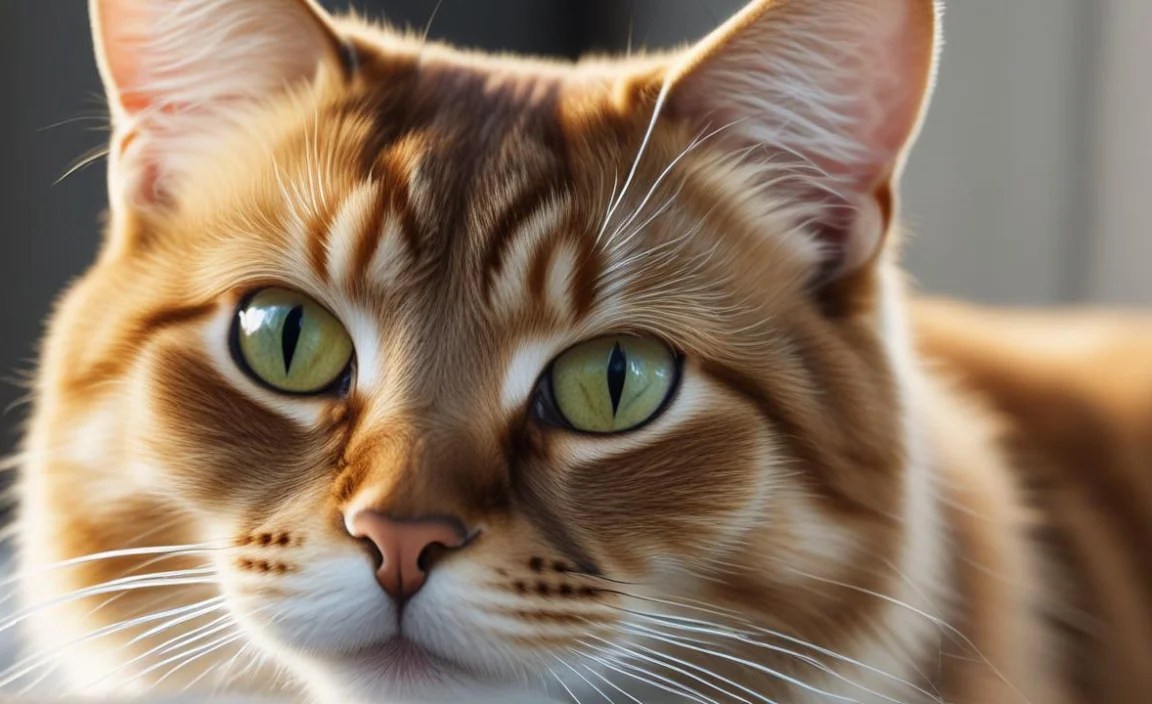
Training affectionate cat breeds can be a rewarding experience. These cats are often eager to please. They are also very intelligent. This makes them easy to train. Use positive reinforcement techniques. Reward your cat for good behavior. Give it treats, praise, or petting. Avoid punishment. Punishment can scare your cat. It can also damage your bond. Keep training sessions short and fun. Cats have short attention spans. End the session before your cat gets bored. Be consistent with your training. Use the same commands every time. This will help your cat learn quickly. With patience and consistency, you can train your affectionate cat to do all sorts of tricks.
- Use positive reinforcement techniques.
- Reward your cat for good behavior.
- Keep training sessions short and fun.
- Be consistent with your training.
- Start training when your cat is young.
Start training your cat when it is young. Kittens learn more quickly than adult cats. Teach your cat basic commands. These commands include “sit,” “stay,” and “come.” You can also teach your cat tricks. These tricks include fetching, rolling over, and playing dead. Use a clicker to mark good behavior. A clicker is a small device that makes a clicking sound. When your cat performs the desired behavior, click the clicker. Then, give your cat a treat. This will help your cat associate the clicking sound with a reward. Over time, your cat will learn to perform the behavior when it hears the click.
Fun Fact or Stat: Cats can be trained to use the toilet, just like humans!
Can You Train a Cat to Walk on a Leash?
Yes, you can train a cat to walk on a leash. Start by getting your cat used to wearing a harness. Put the harness on your cat for short periods. Gradually increase the amount of time it wears the harness. Once your cat is comfortable wearing the harness, attach a leash. Let your cat drag the leash around the house. This will help it get used to the feeling of the leash. Then, start taking your cat outside on the leash. Start in a quiet area. Gradually introduce it to more stimulating environments. Be patient and consistent. It might take some time for your cat to get used to walking on a leash. But with patience and perseverance, you can train your cat to enjoy outdoor adventures.
How Do You Stop a Cat From Biting or Scratching?
Biting and scratching are normal cat behaviors. But they can be problematic if they are directed at people. There are several things you can do to stop a cat from biting or scratching. First, identify the trigger. What is causing your cat to bite or scratch? Is it scared, stressed, or playful? Once you know the trigger, you can take steps to avoid it. Provide your cat with plenty of toys. This will give it an outlet for its energy. Never use your hands or feet as toys. This will teach your cat that it is okay to bite and scratch you. If your cat bites or scratches you, say “Ouch!” in a firm voice. Then, ignore your cat for a few minutes. This will teach it that biting and scratching results in a loss of attention.
Is Clicker Training Effective for Cats?
Yes, clicker training is very effective for cats. Clicker training is a positive reinforcement technique. It involves using a clicker to mark good behavior. When your cat performs the desired behavior, click the clicker. Then, give your cat a treat. This helps your cat associate the clicking sound with a reward. Clicker training is a great way to teach your cat tricks. It can also be used to correct unwanted behaviors. Cats are very intelligent. They learn quickly with clicker training. It’s also a fun and rewarding experience for both you and your cat.
Health Considerations for Loyal Cat Breeds

Loyal cat breeds are just as susceptible to health issues as any other cat. However, some breeds are prone to certain conditions. For example, Siamese cats are prone to respiratory problems. Maine Coons are prone to hip dysplasia. Ragdolls are prone to heart problems. It’s important to be aware of these potential health issues. Take your cat to the vet for regular checkups. This will help to catch any problems early. Feed your cat a healthy diet. Provide it with plenty of exercise. This will help it stay healthy and strong. With proper care, your loyal cat can live a long and happy life.
- Siamese cats are prone to respiratory problems.
- Maine Coons are prone to hip dysplasia.
- Ragdolls are prone to heart problems.
- Regular vet checkups are important.
- A healthy diet and exercise are essential.
It’s also important to keep your cat up-to-date on its vaccinations. Vaccinations protect your cat from serious diseases. These diseases include rabies, feline leukemia, and distemper. Talk to your vet about which vaccinations are right for your cat. In addition to vaccinations, you should also protect your cat from parasites. Parasites include fleas, ticks, and worms. There are many different products available to protect your cat from parasites. Talk to your vet about which products are best for your cat. With proper preventative care, you can help keep your loyal cat healthy and happy for many years to come.
Fun Fact or Stat: A cat’s heart beats twice as fast as a human’s heart.
What Are Common Health Problems in Siamese Cats?
Siamese cats are prone to several health problems. These problems include respiratory issues. They also include eye problems and kidney disease. Respiratory problems can include asthma and bronchitis. Eye problems can include glaucoma and progressive retinal atrophy. Kidney disease can lead to kidney failure. It’s important to be aware of these potential health issues. Take your Siamese cat to the vet for regular checkups. This will help to catch any problems early. With proper care, you can help your Siamese cat live a long and healthy life.
Are Maine Coons Prone to Hip Dysplasia?
Yes, Maine Coons are prone to hip dysplasia. Hip dysplasia is a condition in which the hip joint does not develop properly. This can lead to pain and lameness. Hip dysplasia is more common in large breeds of cats. There is no cure for hip dysplasia. But there are treatments available to help manage the pain. These treatments include medication, physical therapy, and surgery. If you are considering getting a Maine Coon, ask the breeder about hip dysplasia. Make sure the parents have been screened for the condition.
What Heart Problems Affect Ragdoll Cats?
Ragdoll cats are prone to a heart condition called hypertrophic cardiomyopathy (HCM). HCM is a disease in which the heart muscle thickens. This can make it difficult for the heart to pump blood. HCM can lead to heart failure and sudden death. There is no cure for HCM. But there are treatments available to help manage the condition. These treatments include medication and lifestyle changes. If you are considering getting a Ragdoll, ask the breeder about HCM. Make sure the parents have been screened for the condition.
Creating a Bond with Your Cat
Creating a strong bond with your cat takes time and effort. But it is well worth it. A strong bond will make your cat feel safe and secure. It will also make your relationship more rewarding. Spend time with your cat every day. Play with it, pet it, and talk to it. Learn your cat’s body language. This will help you understand its needs and feelings. Provide your cat with a comfortable and stimulating environment. This will help it feel happy and content. Be patient and understanding. It takes time for a cat to trust you. But with patience and love, you can create a strong and lasting bond.
- Spend time with your cat every day.
- Play with it, pet it, and talk to it.
- Learn your cat’s body language.
- Provide a comfortable and stimulating environment.
- Be patient and understanding.
It’s also important to respect your cat’s boundaries. Don’t force your cat to do anything it doesn’t want to do. If your cat is hiding, leave it alone. If your cat is hissing, give it space. Respecting your cat’s boundaries will help it feel safe and secure. It will also strengthen your bond. Remember, every cat is different. Some cats are more affectionate than others. Some cats are more independent than others. It’s important to accept your cat for who it is. Don’t try to change its personality. Just love it for being itself.
Fun Fact or Stat: Cats can jump up to six times their height.
How Does Playtime Strengthen the Bond?
Playtime is a great way to strengthen the bond with your cat. Playtime allows you to interact with your cat. It also provides it with exercise and mental stimulation. Cats are natural hunters. They enjoy chasing and pouncing. Provide your cat with toys that allow it to engage in these behaviors. These toys include feather wands, laser pointers, and toy mice. Play with your cat every day. This will help it stay healthy and happy. It will also strengthen your bond.
What Are Signs of a Strong Cat-Human Bond?
There are many signs of a strong cat-human bond. A cat that is bonded to its owner will often follow them around the house. It will also greet them at the door. It will rub against their legs and purr when they pet it. It will sleep near them and seek their attention. A bonded cat will also be more relaxed and confident around its owner. It will trust its owner to protect it. If your cat exhibits these behaviors, it is a sign that you have a strong and loving bond.
How Important is Trust in a Cat Relationship?
Trust is essential in a cat relationship. Cats are very independent animals. They need to feel safe and secure in their environment. They also need to trust their owners. If a cat does not trust its owner, it will be fearful and anxious. It might also be aggressive. It’s important to build trust with your cat. Provide it with a comfortable and stimulating environment. Be patient and understanding. Respect its boundaries. With time and patience, you can earn your cat’s trust. This will lead to a strong and loving relationship.
Table of Affectionate Cat Breeds
| Breed | Affection Level | Grooming Needs | Energy Level |
|---|---|---|---|
| Siamese | High | Low | High |
| Ragdoll | High | Medium | Low |
| Burmese | High | Low | Medium |
| Maine Coon | Medium | Medium | Medium |
Summary
Some cat breeds bond closely with one person. These cats can make wonderful companions. They are loyal, affectionate, and playful. However, it’s important to remember that every cat is an individual. Their personality and experiences matter. It’s important to choose a cat that matches your lifestyle. Give it the love and care it needs. With patience and understanding, you can create a strong bond. You will have a loving friendship with your cat for many years.
Conclusion
Choosing a cat is a big decision. Think about what you want in a pet. Some cat breeds that bond closely with one person might be right for you. Make sure you can provide the love and care they need. With the right cat, you will have a friend for life. Enjoy all the cuddles and purrs!
Frequently Asked Questions
Question No 1: Which cat breed is known to be most affectionate?
Answer: Ragdoll cats are known for their affectionate nature. They love to be held and cuddled. They often go limp when you pick them up. This is how they got their name. Ragdolls are gentle and tolerant. They are great with children and other pets. They are also very quiet and don’t meow much. If you want a cat that will always be by your side, a Ragdoll might be perfect. They make wonderful companions. They are also known as one of the cat breeds that bond closely with one person.
Question No 2: How do I know if a cat will bond with me?
Answer: Look for cats that seek attention and affection. Observe how they react to being held and petted. Consider their history and upbringing. Visit the breeder or shelter to meet the cats. See which ones gravitate toward you. Trust your instincts and choose a cat you connect with. A cat that is comfortable around you is more likely to bond with you. Spend time with the cat. Play with it, pet it, and talk to it. This will help it get to know you and trust you. Over time, you will develop a strong and lasting bond. Remember that some cat breeds bond closely with one person.
Question No 3: Can older cats still form strong bonds?
Answer: Yes, older cats can still form strong bonds. It might take a little longer. But with patience and love, you can earn their trust. Older cats often have established personalities. You might already know what you are getting. Provide them with a comfortable and safe environment. Spend time with them every day. Play with them, pet them, and talk to them. Let them come to you. Don’t force them to interact. Over time, they will learn to trust you. You will develop a strong and loving bond. Be patient and understanding. You will have a wonderful companion for many years. Some older cats may have been ones of the cat breeds that bond closely with one person previously.
Question No 4: What is the best way to train a cat?
Answer: Use positive reinforcement techniques. Reward your cat for good behavior. Give it treats, praise, or petting. Avoid punishment. Punishment can scare your cat. It can also damage your bond. Keep training sessions short and fun. Cats have short attention spans. End the session before your cat gets bored. Be consistent with your training. Use the same commands every time. This will help your cat learn quickly. With patience and consistency, you can train your cat to do all sorts of tricks. Some cats from cat breeds that bond closely with one person are easier to train because they are more eager to please.
Question No 5: How can I tell if my cat is happy?
Answer: A happy cat will have relaxed posture. It will hold its tail up. It will purr when you pet it. It will rub against your legs. It will knead its paws. It will play and explore. It will eat and sleep well. It will groom itself regularly. A happy cat will also be more social and affectionate. It will seek your attention and enjoy spending time with you. If your cat exhibits these behaviors, it is a sign that it is happy and content. If you have one of the cat breeds that bond closely with one person, they will show their happiness by being near you.
Question No 6: Are there hypoallergenic cat breeds that bond strongly?
Answer: No cat breed is truly 100% hypoallergenic. But some breeds produce less of the Fel d 1 protein. This protein causes allergies in humans. These breeds include the Siberian, Balinese, and Russian Blue. While these breeds are less likely to cause allergies, they can still trigger symptoms in some people. It’s important to spend time with the cat before bringing it home. See if you have an allergic reaction. If you are looking for a hypoallergenic cat that also bonds strongly, the Siberian is a good choice. They are known for being affectionate and loyal.


