
British Shorthair Lifespan: Memorialization Secrets

Do you love cats? Have you seen a fluffy British Shorthair? These cats are known for their round faces. They also have dense, soft fur. Many people wonder about their lives. What affects a British Shorthair lifespan? Does owner knowledge of memorialization matter?
Taking care of a cat is a big job. Owners need to know how to keep them healthy. This can change how long a cat lives. Let’s learn about these amazing cats. We can explore how to help them live long, happy lives.
Good care includes vet visits. It also means good food and lots of love. Understanding a cat’s needs is key. So, how does this all connect to their lifespan? Keep reading to find out more.
Key Takeaways
- Good healthcare, diet, and love can help British Shorthairs live longer.
- Early vet visits can catch problems that shorten a cat’s life.
- Understanding the breed’s needs helps owners provide better care.
- Owner knowledge of memorialization helps cope with loss, not lifespan.
- A safe home and active lifestyle improve a British Shorthair lifespan.
How Breed Affects British Shorthair Lifespan

British Shorthairs are a special breed. They are known for being calm and friendly. But, like all breeds, they have unique health issues. These can affect how long they live. Knowing about these issues is important. It helps owners give the best care. Some common problems include heart disease. They can also have kidney problems. These issues can shorten their lifespan. Regular vet check-ups are very important. Vets can find problems early. Early treatment can make a big difference. Good breeders also screen for these problems. This helps to reduce the chance of these diseases. A healthy start is key to a long life. So, choose your breeder wisely. The breed is a factor in your British Shorthair lifespan.
- Genetics play a big role in their health.
- Heart disease is a common concern.
- Kidney problems can also affect them.
- Good breeders screen for health issues.
- Regular vet visits are very important.
- Early treatment can improve their lifespan.
Genetics are not the only factor. Environment and care also matter. A loving home makes a big difference. So does a healthy diet and exercise. British Shorthairs need to stay active. This helps them stay at a healthy weight. Overweight cats have more health problems. These problems can shorten their lives. Mental health is also important. Cats need attention and playtime. This keeps them happy and reduces stress. A happy cat is more likely to be a healthy cat. Remember, a healthy breed still needs great care. Owners need to be proactive. They must learn about the breed’s specific needs. This will help them give the best possible care for a longer, healthier life.
What is the Average Lifespan?
Do you ever wonder how long cats live? The average British Shorthair lifespan is 12 to 15 years. However, some live even longer! Factors like genetics, diet, and lifestyle play a role. Cats with good genes and healthy habits can live longer. Regular vet check-ups are also important. These visits help catch problems early. Early treatment can extend their lives. Some owners choose to get pet insurance. This helps cover the cost of vet care. A healthy environment also makes a difference. Keep your cat safe from dangers. This includes cars and other animals. Indoor cats tend to live longer. They avoid many outdoor risks. Giving your cat the best care will help them live a long and happy life. Proper care can truly affect a British Shorthair lifespan.
How Do Genetics Influence Lifespan?
Imagine your cat has a family history of good health. This is like winning the genetic lottery! Genetics play a big role in how long cats live. Some breeds are prone to certain diseases. British Shorthairs can have heart or kidney problems. Good breeders screen for these issues. They try to avoid passing them on. But even with good genes, care matters. A healthy diet helps keep them strong. Regular exercise keeps their weight in check. Vet visits catch problems early. Think of genetics as the starting point. Good care helps them reach their full potential. If your cat has a family history of health issues, don’t worry! You can still help them live a long life. Focus on providing the best possible care. Love and attention are also key ingredients. Genetics affect British Shorthair lifespan, but you can make a difference.
Can Neutering or Spaying Affect Lifespan?
Have you heard about neutering and spaying? These are common surgeries for cats. Neutering is for male cats. Spaying is for female cats. These procedures can actually help cats live longer! Spaying removes the risk of uterine infections. It also prevents uterine cancer. Neutering reduces the risk of testicular cancer. It can also prevent some behavior problems. Cats that are spayed or neutered are often calmer. They are less likely to roam. This reduces the risk of getting hit by a car. They are also less likely to fight with other animals. This lowers the chance of injuries and diseases. Spaying or neutering can also help with overpopulation. There are many benefits to these procedures. Talk to your vet to learn more. Spaying and neutering can positively affect a British Shorthair lifespan.
Fun Fact or Stat: The oldest British Shorthair on record lived to be 27 years old! This is like a human living to be over 120!
Diet and Nutrition for a Longer Life

What do cats need to eat to live a long life? Diet and nutrition are very important. A good diet keeps them healthy and strong. It also helps prevent diseases. Cats need a balanced diet. This includes protein, fats, and carbohydrates. Protein is especially important. It helps build and repair tissues. Look for cat food with real meat as the first ingredient. Avoid foods with a lot of fillers. These don’t provide much nutrition. Water is also very important. Make sure your cat always has fresh water. Some cats prefer wet food. This can help them stay hydrated. Talk to your vet about the best diet for your cat. They can help you choose a food that meets their needs. A proper diet can greatly influence a British Shorthair lifespan.
- Choose high-quality cat food.
- Look for real meat as the first ingredient.
- Avoid foods with lots of fillers.
- Make sure your cat has fresh water.
- Consider wet food for hydration.
- Talk to your vet about the best diet.
It’s also important to feed your cat the right amount. Overfeeding can lead to obesity. Obese cats are more likely to develop health problems. These problems can shorten their lives. Follow the feeding guidelines on the cat food label. You can also ask your vet for advice. They can help you determine the right amount of food. Treats should only be given in moderation. Too many treats can lead to weight gain. Choose healthy treats, like small pieces of cooked chicken. Avoid giving your cat human food. Some human foods are toxic to cats. These include chocolate, onions, and garlic. Always check with your vet before giving your cat any new food. A healthy diet is a key factor in a long and happy life. Proper nutrition will affect a British Shorthair lifespan.
What Are the Best Foods for British Shorthairs?
Imagine you are picking out food for a super athlete. You would want the best, right? British Shorthairs need high-quality food. Look for food with real meat. Chicken, turkey, or fish are great options. These provide the protein they need. Avoid foods with a lot of grains or fillers. These ingredients don’t offer much nutrition. Choose a food that is specifically made for cats. These foods are balanced to meet their needs. Some British Shorthairs have sensitive stomachs. If your cat has digestive issues, try a sensitive stomach formula. These foods are easier to digest. Always read the ingredient list carefully. A good diet will help your British Shorthair thrive. The right food impacts the British Shorthair lifespan.
How Does Weight Management Affect Lifespan?
Have you ever seen a cat that’s a little too round? Overweight cats are at risk for many health problems. These include diabetes, heart disease, and arthritis. These conditions can shorten their lifespan. Weight management is key to a long and healthy life. Feed your cat the right amount of food. Follow the guidelines on the food label. Avoid giving them too many treats. Encourage them to exercise. Play with them using toys. A scratching post can also provide exercise. Regular vet check-ups are important. Your vet can help you monitor their weight. They can also give you advice on weight management. Keeping your cat at a healthy weight will help them live longer. Maintaining a healthy weight will help a British Shorthair lifespan.
Are There Any Foods to Avoid?
Did you know some foods are dangerous for cats? Chocolate is toxic to cats. It can cause vomiting, diarrhea, and even death. Onions and garlic are also harmful. They can damage their red blood cells. Grapes and raisins can cause kidney failure. Raw meat and eggs can contain bacteria. These can make your cat sick. Milk can cause digestive problems. Many cats are lactose intolerant. Avoid giving your cat these foods. Stick to cat food and healthy treats. If you are unsure about a food, ask your vet. It’s always better to be safe than sorry. Knowing what to avoid affects a British Shorthair lifespan.
Fun Fact or Stat: Cats can’t taste sweetness! This is why they aren’t interested in sugary foods.
Creating a Safe and Stimulating Environment
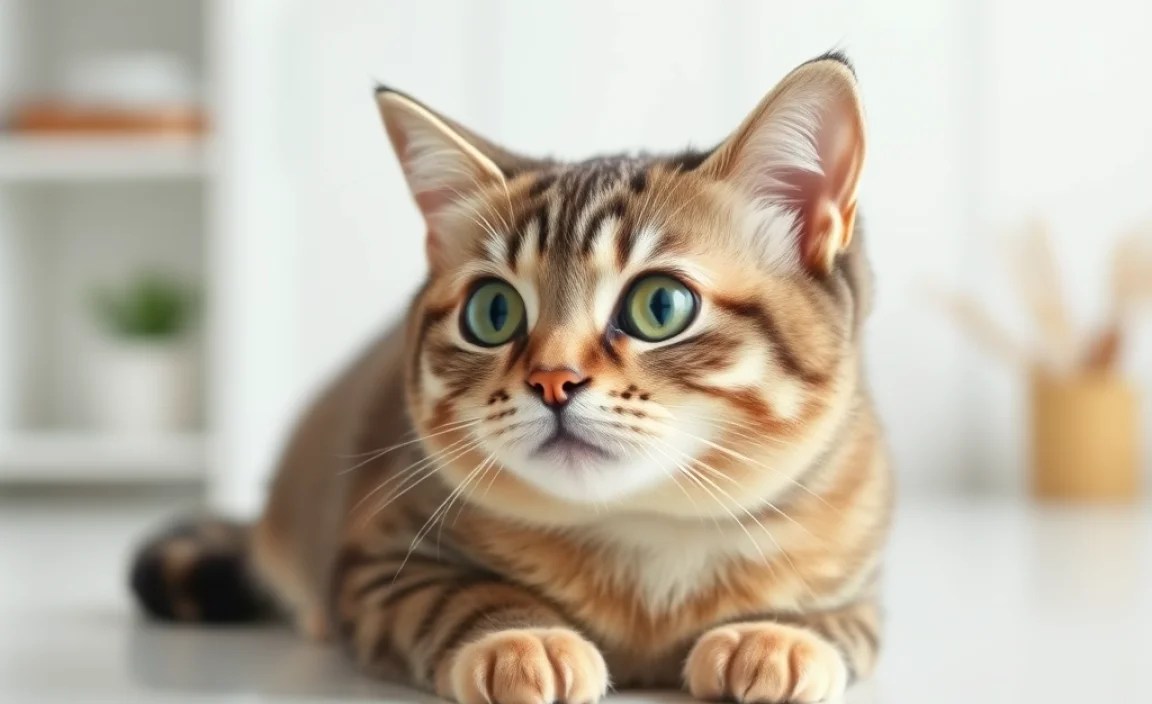
A safe and fun home is very important for your cat. It helps them stay healthy and happy. Indoor cats tend to live longer. They are safe from cars, predators, and diseases. Make sure your home is free of hazards. Keep cleaning products and medications out of reach. Cover electrical cords to prevent chewing. Provide plenty of toys and scratching posts. Cats need to scratch to keep their claws healthy. Toys help them stay active and prevent boredom. A cat tree is a great addition. It gives them a place to climb and explore. A stimulating environment keeps them mentally sharp. Spend time playing with your cat every day. This strengthens your bond and keeps them happy. Consider how the environment affects British Shorthair lifespan.
- Keep your cat indoors for safety.
- Remove hazards from your home.
- Provide toys and scratching posts.
- Consider a cat tree for climbing.
- Play with your cat every day.
- Create a stimulating environment.
Cats also need a safe place to retreat. This could be a cozy bed or a quiet room. When they feel stressed, they can go there. Make sure they have access to fresh water and food. Litter boxes should be clean and accessible. Place them in a quiet area. Avoid placing them near food or water. A clean litter box encourages good hygiene. A happy cat is a healthy cat. By providing a safe and stimulating environment, you are helping them live a long and fulfilling life. This directly impacts a British Shorthair lifespan. Remember, small changes can make a big difference. Even something as simple as a new toy can brighten their day.
How Does Indoor vs. Outdoor Living Affect Lifespan?
Imagine two cats: one lives inside, one roams outside. The indoor cat is safe from many dangers. Cars, other animals, and diseases are less of a threat. Outdoor cats face these risks every day. They are more likely to get injured or sick. Indoor cats also avoid parasites like fleas and ticks. These can cause health problems. Indoor cats can still have a fulfilling life. Provide them with plenty of toys and playtime. A cat tree can give them a sense of adventure. An indoor life can significantly extend a cat’s life. It protects them from many dangers. Choosing indoor living affects British Shorthair lifespan.
What Are the Best Toys and Activities?
Do you know what cats love to play with? Many cats enjoy chasing laser pointers. Just be careful not to shine it in their eyes. Feather wands are also a hit. These encourage them to jump and pounce. Puzzle toys are great for mental stimulation. They have to figure out how to get the treats. Scratching posts are essential for claw health. They also provide exercise. Rotate your cat’s toys regularly. This keeps them interested and prevents boredom. Spend at least 15 minutes playing with your cat each day. This helps them stay active and happy. Playtime impacts the British Shorthair lifespan.
How to Protect Your Cat From Household Hazards?
Imagine your home from a cat’s point of view. There are many hidden dangers! Cleaning products and medications should be locked away. Electrical cords should be covered or hidden. Small objects like rubber bands can be swallowed. These can cause intestinal blockages. Certain plants are toxic to cats. Lilies are especially dangerous. Make sure your windows and screens are secure. Cats can easily escape through open windows. Regularly check your home for potential hazards. A safe home is a happy home. Protecting your cat affects British Shorthair lifespan.
Fun Fact or Stat: Cats can jump up to six times their height!
The Importance of Regular Veterinary Care

Regular vet visits are very important for your cat. They help keep them healthy and happy. Vets can catch problems early. Early treatment can make a big difference. Kittens need vaccinations and deworming. Adult cats need annual check-ups. Senior cats may need more frequent visits. During a check-up, the vet will examine your cat. They will check their weight, teeth, and coat. They will also listen to their heart and lungs. The vet may recommend blood tests or urine tests. These tests can help detect hidden problems. Vaccinations protect your cat from diseases. Deworming gets rid of parasites. Regular dental care is also important. Dental disease can lead to other health problems. Good veterinary care is a key factor in a long and healthy life. This will greatly impact a British Shorthair lifespan.
- Kittens need vaccinations and deworming.
- Adult cats need annual check-ups.
- Senior cats may need more frequent visits.
- Vets can catch problems early.
- Early treatment can make a big difference.
- Dental care is important.
Don’t wait until your cat is sick to see the vet. Regular check-ups can prevent problems. If you notice any changes in your cat’s behavior, see the vet right away. These changes could be a sign of a health problem. Some common signs of illness include: loss of appetite, vomiting, diarrhea, lethargy, and coughing. It’s also a good idea to get pet insurance. This can help cover the cost of vet care. Vet bills can be expensive, especially for serious illnesses. Pet insurance can give you peace of mind. It ensures that you can afford the best possible care for your cat. Regular veterinary care is essential for a long and healthy life. This can directly affect a British Shorthair lifespan.
What Vaccinations Does My Cat Need?
Imagine your cat is going to school for the first time. They need protection from germs! Vaccinations protect cats from serious diseases. The core vaccines are rabies, feline distemper, and feline herpesvirus. Rabies is required by law in many areas. Feline distemper is a deadly disease. Feline herpesvirus causes respiratory problems. Your vet may recommend other vaccines. These include feline leukemia and feline chlamydia. The vaccines your cat needs depend on their lifestyle. Indoor cats need fewer vaccines than outdoor cats. Talk to your vet about the best vaccination schedule for your cat. These vaccines affect a British Shorthair lifespan.
How Often Should I Take My Cat to the Vet?
Do you know how often your cat needs a check-up? Kittens need to see the vet more often. They need vaccinations and boosters. Adult cats should have an annual check-up. Senior cats may need to see the vet every six months. Your vet can help you determine the best schedule. Regular check-ups can catch problems early. Early treatment can make a big difference. Don’t wait until your cat is sick to see the vet. Prevention is the best medicine. Regular check ups help increase a British Shorthair lifespan.
What Are Common Health Problems in British Shorthairs?
British Shorthairs are prone to certain health issues. Hypertrophic cardiomyopathy (HCM) is a heart disease. Polycystic kidney disease (PKD) is a kidney problem. Both of these can affect their lifespan. They can also have dental problems. Regular dental care is important. They can also be prone to obesity. Weight management is key. Good breeders screen for these health issues. This helps reduce the risk of these diseases. Knowing about these problems helps you provide better care. Awareness can affect a British Shorthair lifespan.
Fun Fact or Stat: A cat’s nose print is as unique as a human’s fingerprint!
Understanding and Managing Stress in Cats

Cats can get stressed too! Stress can affect their health and well-being. It can even shorten their lifespan. It’s important to understand what causes stress in cats. Common stressors include changes in their environment. This could be a new home or a new pet. Loud noises can also be stressful. Boredom and lack of stimulation can also cause stress. Signs of stress include hiding, loss of appetite, and excessive grooming. Some cats may also become aggressive. To reduce stress, provide a safe and predictable environment. Stick to a regular routine. Provide plenty of toys and playtime. A scratching post can also help them relieve stress. A happy cat is a less stressed cat, which affects British Shorthair lifespan.
- Provide a safe and predictable environment.
- Stick to a regular routine.
- Provide plenty of toys and playtime.
- Offer a scratching post to relieve stress.
- Identify and remove stressors.
- Consider using pheromone diffusers.
Pheromone diffusers can also help reduce stress. These release calming chemicals into the air. They can help cats feel more secure. If your cat is showing signs of stress, talk to your vet. They can help you identify the cause of the stress. They can also recommend ways to manage it. Sometimes, medication may be necessary. A calm and happy cat is more likely to live a long and healthy life. Reducing stress affects a British Shorthair lifespan. Remember, small changes can make a big difference. Even something as simple as a quiet space can help your cat feel more secure.
What Are Common Stressors for Cats?
Imagine your cat is a creature of habit. They like things to stay the same! Changes in their environment can be very stressful. Moving to a new home is a big one. A new pet or a new baby can also cause stress. Loud noises like fireworks can be frightening. Boredom can also lead to stress. Cats need mental and physical stimulation. Lack of attention can also be stressful. Make sure you spend time with your cat every day. Knowing these stressors affects British Shorthair lifespan.
How Can I Tell if My Cat Is Stressed?
Do you know how to read your cat’s body language? A stressed cat may hide more than usual. They may also lose their appetite. Excessive grooming can be a sign of stress. They may also become more vocal. Some cats may become aggressive. They may hiss or scratch. Look for changes in their behavior. These can be signs of stress. Knowing how to tell affects British Shorthair lifespan.
What Are Some Ways to Reduce Stress in Cats?
Imagine you are creating a spa day for your cat. What would you include? A safe and quiet space is essential. Provide a cozy bed or a quiet room. Stick to a regular routine. Feed them at the same time each day. Provide plenty of toys and playtime. Use pheromone diffusers to create a calming environment. Make sure their litter box is clean. Avoid making sudden changes in their environment. Reducing stress helps increase British Shorthair lifespan.
Fun Fact or Stat: Cats can purr at the same frequency as a baby’s cry, which may be why we find it so soothing!
Understanding End-of-Life Care and Memorialization
Thinking about the end of a pet’s life is hard. But it’s important to be prepared. As cats get older, they may develop health problems. These problems can affect their quality of life. It’s important to talk to your vet about end-of-life care. This includes pain management and hospice care. You may also need to consider euthanasia. This is a difficult decision, but it can be the most compassionate choice. It’s important to focus on your cat’s comfort and well-being. After your cat passes away, you may want to memorialize them. There are many ways to do this. You can create a photo album or a scrapbook. You can also plant a tree in their memory. Some people choose to cremate their pets. You can keep their ashes in an urn. Owner knowledge of memorialization helps with grief. Proper care helps a British Shorthair lifespan.
- Talk to your vet about end-of-life care.
- Consider pain management and hospice care.
- Euthanasia may be the most compassionate choice.
- Focus on your cat’s comfort and well-being.
- Memorialize your cat in a meaningful way.
- Cremation is a common option.
Grieving the loss of a pet is normal. Allow yourself time to heal. Talk to friends and family about your loss. You can also join a pet loss support group. There are many resources available to help you cope. Remember the joy and love your cat brought into your life. Their memory will live on forever. They remain in your heart forever, although owner knowledge of memorialization won’t affect British Shorthair lifespan. Consider adopting another cat when you are ready. This can help fill the void in your heart. But don’t feel pressured to do so. Take your time to heal. The best way to honor your cat is to give another cat a loving home.
What Are Signs My Cat Is Nearing the End of Life?
Imagine your cat is telling you they are tired. What would they say? They may lose their appetite. They may become less active. They may have difficulty breathing. They may stop grooming themselves. They may become withdrawn and unresponsive. These are signs that your cat is nearing the end of life. It’s important to talk to your vet about these changes. They can help you assess your cat’s quality of life. Knowing the signs affects British Shorthair lifespan indirectly through end of life support.
What Are My Options for End-of-Life Care?
Do you know what options are available for end-of-life care? Pain management is very important. Your vet can prescribe medications to help manage pain. Hospice care focuses on providing comfort. This can include special bedding and gentle care. Euthanasia is a humane way to end suffering. It’s important to discuss these options with your vet. They can help you make the best decision for your cat. Understanding your options affect British Shorthair lifespan.
How Can I Memorialize My Cat?
Imagine you are creating a tribute to your cat. What would you include? A photo album is a great way to remember them. You can also create a scrapbook with photos and memories. Planting a tree in their memory is a beautiful gesture. You can also donate to an animal shelter in their name. Some people choose to cremate their pets. You can keep their ashes in an urn. Memorializing your cat helps you cope with your loss. Owner knowledge of memorialization will help with the grief process but won’t affect British Shorthair lifespan.
| Memorial Option | Description | Cost | Emotional Benefit |
|---|---|---|---|
| Photo Album | Collect photos of your cat and create an album. | Low | High |
| Plant a Tree | Plant a tree in your cat’s memory. | Medium | Medium |
| Cremation | Cremate your cat and keep their ashes. | High | High |
| Donation | Donate to an animal shelter in their name. | Variable | Medium |
Fun Fact or Stat: Some people have diamond jewelry made from their pet’s ashes!
Summary
Taking care of a British Shorthair is a big commitment. These cats need a good diet. They also need a safe home and regular vet visits. Genetics play a role in their health. But good care can make a big difference. Spaying or neutering can also help them live longer. Understanding their needs is key to a long and happy life. Proper nutrition, a stimulating environment, and regular veterinary care contribute to a British Shorthair lifespan. When the time comes, owner knowledge of memorialization can help you cope with the loss.
Remember, every cat is different. What works for one cat may not work for another. Talk to your vet about your cat’s specific needs. They can help you create a plan to keep them healthy and happy. A happy cat is more likely to live a long life. Providing the best possible care is the best way to honor your feline friend.
Conclusion
British Shorthairs are wonderful companions. They bring joy and love into our lives. Giving them the best possible care is our responsibility. This includes a healthy diet, a safe environment, and regular vet visits. Genetics play a role in their lifespan. But good care can make a big difference. Understanding their needs is key to a long and happy life together. Although owner knowledge of memorialization doesn’t extend life, providing a loving home is key to a longer British Shorthair lifespan.
Frequently Asked Questions
Question No 1: What is the average lifespan of a British Shorthair cat?
Answer: The average lifespan of a British Shorthair cat is typically between 12 to 15 years. However, some can live longer with proper care and a bit of luck. Genetics, diet, lifestyle, and veterinary care all play significant roles in determining their lifespan. Providing a healthy environment and addressing any health concerns promptly can help them live a longer, happier life. Understanding the factors that influence their lifespan is key to ensuring their well-being. Also, while owner knowledge of memorialization is helpful for grieving, it doesn’t affect their lifespan.
Question No 2: How can I ensure my British Shorthair lives a long and healthy life?
Answer: To help your British Shorthair live a long and healthy life, focus on several key areas. First, provide a high-quality diet that meets their nutritional needs. Second, ensure they get regular exercise to maintain a healthy weight. Third, schedule annual vet check-ups for early detection of any health issues. Fourth, create a safe and stimulating environment to reduce stress and prevent accidents. Finally, give them plenty of love and attention to support their emotional well-being. Taking these steps can significantly improve their chances of a longer, healthier life. Remember, proactive care impacts a British Shorthair lifespan.
Question No 3: What are some common health problems that affect British Shorthairs?
Answer: British Shorthairs are prone to certain health problems, including hypertrophic cardiomyopathy (HCM), polycystic kidney disease (PKD), and dental issues. HCM is a heart condition, while PKD affects the kidneys. Regular dental care is essential to prevent dental disease. Obesity is also a common concern, so maintaining a healthy weight is crucial. Good breeders screen for these health issues to reduce the risk of passing them on. Early detection and treatment can help manage these conditions and improve their lifespan. Remember, awareness affects British Shorthair lifespan.
Question No 4: Does spaying or neutering affect the lifespan of a British Shorthair?
Answer: Yes, spaying or neutering can positively affect the lifespan of a British Shorthair. Spaying female cats eliminates the risk of uterine infections and uterine cancer. Neutering male cats reduces the risk of testicular cancer and certain behavior problems. Spayed or neutered cats are also less likely to roam, reducing the risk of accidents and fights with other animals. These procedures can contribute to a longer, healthier life. However, the effect of owner knowledge of memorialization is irrelevant, it simply helps with coping after loss.
Question No 5: How can I create a safe and stimulating environment for my British Shorthair?
Answer: To create a safe and stimulating environment for your British Shorthair, start by keeping them indoors. This protects them from cars, predators, and diseases. Remove household hazards like cleaning products and electrical cords. Provide plenty of toys, scratching posts, and a cat tree for climbing. Play with them daily to keep them active and engaged. A stimulating environment keeps them mentally sharp and prevents boredom. A safe and stimulating environment contributes to a longer, healthier life. Remember, environment affects British Shorthair lifespan.
Question No 6: What should I do to prepare for the end of my British Shorthair’s life?
Answer: Preparing for the end of your British Shorthair’s life involves several steps. First, talk to your vet about end-of-life care options, including pain management and hospice care. Consider euthanasia if their quality of life declines significantly. Focus on providing comfort and love during their final days. After they pass away, allow yourself time to grieve and memorialize them in a meaningful way. This could involve creating a photo album, planting a tree, or donating to an animal shelter. Knowing how to cope with the loss does not affect British Shorthair lifespan, but owner knowledge of memorialization helps with the grief process.


