
Cat Disease Prevention Tips: Keep Your Cat Healthy

Cats are great pets. Do you know how to keep them healthy? Many things can make a cat sick. Learning about cat disease prevention tips can help! Let’s explore how to keep your kitty happy and healthy. This article will give you simple steps. These steps will help protect your furry friend.
Key Takeaways
- Regular vet visits are very important for your cat’s health.
- Keep your cat indoors to protect it from many diseases.
- Good cat disease prevention tips include proper vaccinations.
- A healthy diet helps your cat fight off illnesses better.
- Always keep your cat’s living area clean to prevent germs.
Importance of Cat Vaccinations

Vaccinations are very important for cats. They protect them from serious diseases. Think of vaccines like a shield. They help your cat’s body fight off germs. These germs can cause big problems. Cat vaccinations are a key part of keeping your cat healthy. Your vet will know which shots your cat needs. Kittens need a series of shots when they are young. Adult cats need booster shots to keep their protection strong. Common vaccines protect against rabies, feline distemper, and feline leukemia. Don’t skip these important appointments. They can save your cat from a lot of suffering. Vaccinations are a simple way to show you care. They keep your cat safe and sound.
- Vaccines prevent serious cat diseases.
- Kittens need a series of shots.
- Adult cats need booster shots.
- Rabies vaccines are often required by law.
- Vaccines protect against feline distemper.
Keeping your cat up-to-date on vaccines is a great way to protect your feline friend. Imagine if you never brushed your teeth. Your teeth would get cavities. Vaccines are like brushing your cat’s teeth. They prevent bigger problems later on. Talk to your vet about the best vaccination schedule. This will help ensure your cat stays healthy. A healthy cat is a happy cat. Regular check-ups and vaccinations are the best way to achieve this. They are a small price to pay for your cat’s well-being.
Why are Cat Vaccines Important?
Have you ever wondered why cats need vaccines? Vaccines help your cat’s body learn to fight off diseases. When a cat gets a vaccine, it’s like showing its body a picture of the bad germ. Then, if the real germ ever tries to attack, the body knows how to defend itself. Vaccines protect against diseases like feline distemper, which can make cats very sick. They also protect against rabies, which is a deadly disease that can affect people too. Vaccinations are a safe and effective way to keep your cat healthy and happy. They are a key part of responsible pet ownership. Talk to your vet to learn more about the vaccines your cat needs.
What Cat Vaccines Does My Cat Need?
Different cats need different vaccines. The vaccines your cat needs depend on its age, lifestyle, and where you live. Indoor cats may need fewer vaccines than outdoor cats. Kittens need a series of vaccines to build up their immunity. Adult cats need booster shots to maintain their protection. Common vaccines include those for feline distemper, feline herpesvirus, and feline calicivirus. Your vet can help you decide which vaccines are best for your cat. They will consider your cat’s individual needs. Don’t be afraid to ask questions. Your vet is there to help you keep your cat healthy.
When Should My Cat Get Vaccinated?
The timing of your cat’s vaccinations is important. Kittens usually get their first vaccines around 6-8 weeks old. They need a series of shots every 3-4 weeks until they are about 16 weeks old. Adult cats need booster shots every 1-3 years, depending on the vaccine. Your vet will create a vaccination schedule for your cat. This schedule will help ensure your cat stays protected. Follow your vet’s recommendations closely. This is one of the most important cat disease prevention tips. It’s also a great way to keep your cat healthy and happy for many years.
Fun Fact or Stat: Studies show that vaccinated cats live longer and healthier lives than unvaccinated cats!
Keeping Your Cat Indoors

Keeping your cat indoors is one of the best ways to protect them. Outdoor cats face many dangers. They can get hit by cars or attacked by other animals. They can also catch diseases from other cats. Indoor cats are much safer. They are less likely to get sick or injured. Plus, indoor cats can still have fun. You can provide them with toys, scratching posts, and climbing structures. Make sure your indoor cat gets plenty of exercise and attention. A bored cat can become destructive. Keeping your cat indoors is a simple way to extend their life. It’s also a great way to keep them happy and healthy. This is one of the easiest cat disease prevention tips.
- Indoor cats are safer from cars.
- Indoor cats are less likely to fight.
- Indoor cats catch fewer diseases.
- Provide toys for indoor cats.
- Give your indoor cat attention.
Think of your home as a safe haven for your cat. Outside, there are many risks. Other animals, cars, and diseases can all harm your cat. Inside, you can control the environment. You can provide a safe and comfortable space for your cat to thrive. Make sure your cat has plenty of toys and scratching posts. This will help them stay active and entertained. Spend time playing with your cat each day. This will help them bond with you and stay happy. Keeping your cat indoors is a great way to show you care. It’s also a great way to protect their health.
Why Should I Keep My Cat Indoors?
Keeping your cat indoors protects them from many dangers. Outdoor cats are at risk of getting hit by cars. They can also get into fights with other animals. These fights can lead to injuries and infections. Outdoor cats are also more likely to catch diseases like feline leukemia and feline immunodeficiency virus (FIV). These diseases can be very serious and even fatal. Indoor cats are also less likely to get lost or stolen. Keeping your cat indoors is a simple way to protect them from these risks. It’s a great way to ensure their safety and well-being.
How Can I Make My Indoor Cat Happy?
Indoor cats need plenty of stimulation to stay happy. Provide your cat with lots of toys. Rotate the toys regularly to keep them interested. Scratching posts are essential for indoor cats. They allow cats to stretch their muscles and sharpen their claws. Climbing structures like cat trees are also great for indoor cats. They give cats a place to climb and explore. Spend time playing with your cat each day. This will help them burn energy and bond with you. A happy indoor cat is a healthy indoor cat. This is one of the best cat disease prevention tips.
What Are the Benefits of Indoor Cats?
There are many benefits to keeping your cat indoors. Indoor cats live longer, healthier lives. They are less likely to get sick or injured. They are also less likely to get lost or stolen. Indoor cats are also better for the environment. They don’t hunt birds or other small animals. Indoor cats are also less likely to spread diseases to other cats. Keeping your cat indoors is a responsible choice. It’s a great way to protect your cat and the environment.
Fun Fact or Stat: Indoor cats can live 12-15 years on average, while outdoor cats often live only 2-5 years!
Maintaining a Healthy Diet

A healthy diet is very important for your cat. It helps them stay strong and fight off diseases. Choose a high-quality cat food that is appropriate for your cat’s age and activity level. Kittens need different food than adult cats. Active cats need more calories than less active cats. Make sure your cat always has access to fresh water. Avoid feeding your cat table scraps or human food. These can be harmful to cats. A healthy diet is a simple way to keep your cat healthy and happy. It’s also one of the key cat disease prevention tips. It helps them live a long and fulfilling life.
- Choose high-quality cat food.
- Feed your cat the right amount of food.
- Provide fresh water at all times.
- Avoid feeding your cat table scraps.
- Consider your cat’s age and activity level.
Think of food as fuel for your cat’s body. Just like a car needs the right kind of gas to run properly, your cat needs the right kind of food to stay healthy. A balanced diet provides your cat with the nutrients they need to thrive. These nutrients include protein, carbohydrates, and fats. They also include vitamins and minerals. Talk to your vet about the best food for your cat. They can help you choose a food that meets your cat’s specific needs. A healthy diet is an investment in your cat’s future. It’s a simple way to help them live a long and healthy life.
What Should I Feed My Cat?
The best food for your cat is a high-quality cat food that is specifically formulated for cats. Look for foods that list meat as the first ingredient. Avoid foods that are high in fillers like corn and wheat. Wet food can be a good option for cats. It helps them stay hydrated. Dry food is more convenient. You can leave it out for your cat to graze on throughout the day. Talk to your vet about the best food for your cat. They can help you choose a food that meets your cat’s individual needs.
How Much Should I Feed My Cat?
The amount of food your cat needs depends on their age, weight, and activity level. Kittens need to eat more than adult cats. Active cats need to eat more than less active cats. Follow the feeding guidelines on the cat food label. You can also ask your vet for advice. It’s important to avoid overfeeding your cat. Overweight cats are at risk of developing health problems like diabetes and arthritis. A healthy weight is important for your cat’s overall health and well-being.
Why is Fresh Water Important for Cats?
Fresh water is essential for cats. Cats can easily become dehydrated. Dehydration can lead to health problems like kidney disease. Make sure your cat always has access to fresh, clean water. You can encourage your cat to drink more water by providing multiple water bowls around the house. You can also try using a water fountain. Some cats prefer to drink from running water. A water fountain can help encourage them to drink more. Staying hydrated is important for your cat’s health.
Fun Fact or Stat: Cats need about 3.5 to 4.5 ounces of water per 5 pounds of body weight each day!
Regular Veterinary Check-Ups
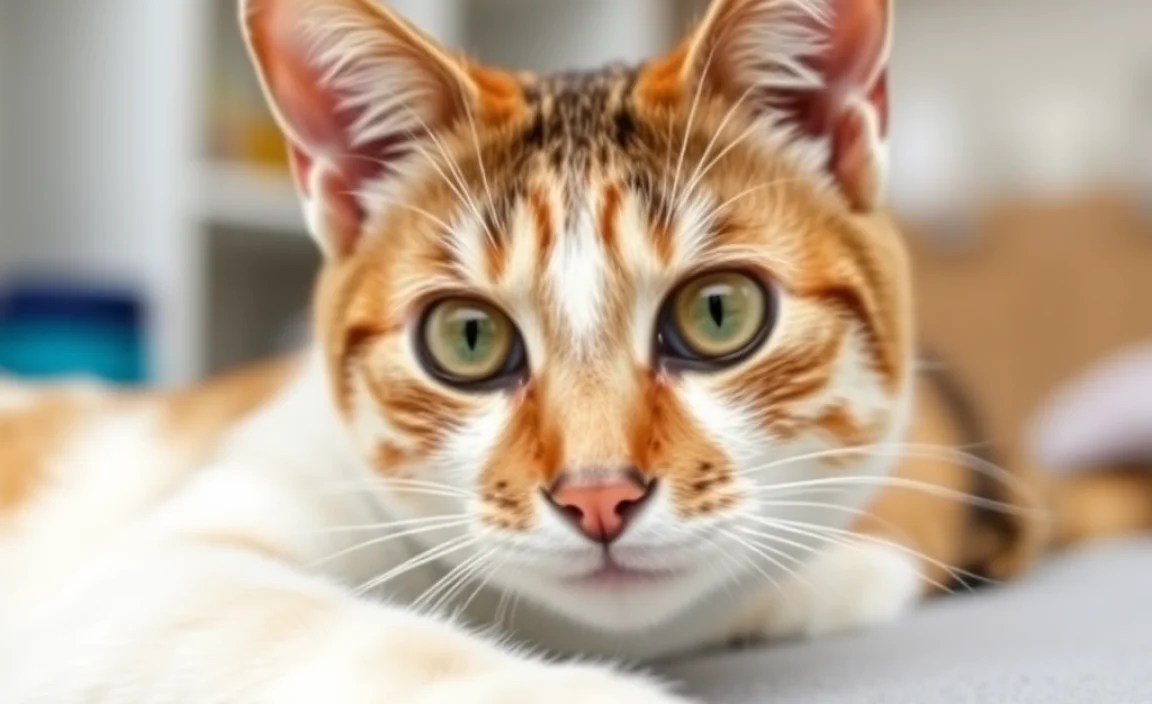
Regular vet check-ups are very important for cats. Cats are good at hiding when they are sick. A vet can spot problems early. Early detection can make treatment easier. Vets can check your cat’s teeth, weight, and overall health. They can also give your cat vaccinations and parasite prevention. How often should your cat go to the vet? Kittens need more frequent check-ups. Adult cats should go at least once a year. Senior cats may need to go more often. Regular vet visits are a key part of keeping your cat healthy. This is one of the most vital cat disease prevention tips.
- Vets can spot problems early.
- Check-ups include teeth and weight checks.
- Kittens need more frequent visits.
- Adult cats need yearly check-ups.
- Senior cats may need more visits.
Imagine your cat as a car. You need to take your car in for regular maintenance to keep it running smoothly. The same is true for your cat. Regular vet check-ups are like maintenance for your cat’s body. They help ensure that everything is working properly. Your vet can identify potential problems before they become serious. They can also provide you with advice on how to keep your cat healthy. Regular vet visits are an investment in your cat’s future. They are a simple way to help them live a long and healthy life.
Why Are Vet Visits Important for Cats?
Vet visits are important because cats are good at hiding illness. By the time you notice something is wrong, the problem may be serious. A vet can detect subtle changes in your cat’s health. They can diagnose problems early. Early diagnosis means that treatment is more likely to be successful. Vet visits also give you a chance to ask questions about your cat’s health and care. Your vet can provide you with valuable advice. They can help you keep your cat healthy and happy.
What Happens During a Vet Check-Up?
During a vet check-up, the vet will perform a physical exam. They will check your cat’s eyes, ears, nose, and mouth. They will listen to your cat’s heart and lungs. They will feel your cat’s abdomen. They will also check your cat’s weight and temperature. The vet may also recommend blood tests or other diagnostic tests. These tests can help detect underlying health problems. The vet will also discuss any concerns you have about your cat’s health or behavior. This is an important part of cat disease prevention tips.
How Often Should My Cat Visit the Vet?
Kittens need to visit the vet more often than adult cats. They need a series of vaccinations and deworming treatments. Adult cats should visit the vet at least once a year for a check-up. Senior cats may need to visit the vet more often. This is because they are more likely to develop health problems. Your vet can recommend a check-up schedule that is appropriate for your cat’s age and health. Following this schedule closely will help keep your cat healthy.
Fun Fact or Stat: Cats who visit the vet regularly live an average of two years longer than cats who don’t!
Controlling Parasites in Cats

Parasites can cause many problems for cats. Fleas, ticks, and worms are common parasites. Fleas can cause itching and skin problems. Ticks can transmit diseases. Worms can cause digestive problems. You can protect your cat from parasites. Use preventative medications. Your vet can recommend the best products. Keep your cat’s living area clean. Vacuum regularly to remove fleas and eggs. Check your cat for ticks after they go outside. Controlling parasites is important for your cat’s health. These cat disease prevention tips are easy to follow.
- Use flea and tick prevention.
- Deworm your cat regularly.
- Keep your cat’s area clean.
- Check for ticks after going outside.
- Talk to your vet about parasite control.
Imagine parasites as tiny invaders trying to harm your cat. They can cause discomfort, irritation, and even serious health problems. Protecting your cat from parasites is like building a strong defense against these invaders. Preventative medications can kill fleas and ticks before they have a chance to bite your cat. Deworming treatments can eliminate worms from your cat’s digestive system. Keeping your cat’s living area clean can help prevent parasites from thriving. Regular parasite control is an important part of responsible pet ownership. It’s a simple way to keep your cat healthy and comfortable.
What Are Common Cat Parasites?
Fleas are tiny insects that feed on blood. They can cause itching, skin irritation, and even anemia. Ticks are small arachnids that also feed on blood. They can transmit diseases like Lyme disease and ehrlichiosis. Roundworms, hookworms, and tapeworms are common intestinal parasites. They can cause vomiting, diarrhea, and weight loss. Heartworms are parasites that live in the heart and lungs. They can cause serious health problems and even death. Protecting your cat from these parasites is important for their health.
How Can I Prevent Parasites in My Cat?
The best way to prevent parasites is to use preventative medications. There are many different products available. Your vet can recommend the best product for your cat. Flea and tick preventatives come in topical, oral, and collar forms. Deworming treatments are usually given orally. It’s also important to keep your cat’s living area clean. Vacuum regularly to remove fleas and eggs. Wash your cat’s bedding frequently. This will help prevent parasites from thriving.
What Are the Signs of Parasites in Cats?
The signs of parasites in cats can vary depending on the type of parasite. Common signs include itching, scratching, hair loss, and skin irritation. Cats with intestinal parasites may vomit, have diarrhea, or lose weight. Cats with heartworms may cough, have difficulty breathing, or become lethargic. If you notice any of these signs, take your cat to the vet. Early diagnosis and treatment can help prevent serious health problems. Keeping an eye on your cat is crucial for these cat disease prevention tips.
Fun Fact or Stat: A single female flea can lay up to 50 eggs per day!
Maintaining Good Hygiene
Good hygiene is important for cats. Keep their litter box clean. Clean it daily. This prevents the build-up of bacteria. Groom your cat regularly. Brushing removes loose fur. It also prevents mats. Mats can trap dirt and moisture. This can lead to skin infections. Wash your cat’s food and water bowls regularly. This prevents the growth of bacteria. Good hygiene helps keep your cat healthy. It is also part of cat disease prevention tips. It keeps them happy.
- Clean the litter box daily.
- Groom your cat regularly.
- Wash food and water bowls often.
- Keep your cat’s bedding clean.
- Trim your cat’s nails regularly.
Think of hygiene as keeping your cat’s environment clean and healthy. Just like you need to shower and brush your teeth to stay healthy, your cat needs good hygiene to prevent disease. A clean litter box prevents the spread of bacteria and parasites. Regular grooming helps remove dirt, debris, and loose fur. Clean food and water bowls prevent the growth of harmful bacteria. Good hygiene is a simple way to show you care about your cat’s health and well-being. It’s also a way to prevent common health problems.
Why is Litter Box Hygiene Important?
A clean litter box is essential for your cat’s health. Cats are very clean animals. They don’t like to use a dirty litter box. A dirty litter box can cause your cat to avoid using it. This can lead to urinary problems. A dirty litter box can also harbor bacteria and parasites. These can cause infections. Cleaning the litter box daily helps prevent these problems. It keeps your cat healthy and happy. It also makes your home smell better. A clean litter box is a simple way to improve your cat’s quality of life.
How Often Should I Groom My Cat?
The frequency of grooming depends on your cat’s coat type. Short-haired cats need to be groomed less often than long-haired cats. Short-haired cats should be brushed at least once a week. Long-haired cats should be brushed daily. Regular grooming helps remove loose fur. It prevents mats and tangles. It also helps distribute natural oils throughout your cat’s coat. This keeps their skin healthy and moisturized. Grooming is also a great way to bond with your cat.
Why Should I Clean My Cat’s Bowls?
Food and water bowls can harbor bacteria. These bacteria can cause infections. Washing your cat’s bowls daily helps prevent the growth of bacteria. Use soap and water to clean the bowls. Rinse them thoroughly. Dry them completely before refilling them. You should also replace your cat’s bowls regularly. Plastic bowls can develop scratches. These scratches can harbor bacteria. Stainless steel or ceramic bowls are a better option. They are easier to clean and less likely to harbor bacteria.
Fun Fact or Stat: Cats spend up to 50% of their waking hours grooming themselves!
Reducing Stress in Cats
Stress can weaken a cat’s immune system. A weak immune system makes them more likely to get sick. Reduce stress in your cat’s life. Provide a safe and comfortable environment. Give them plenty of attention and playtime. Avoid sudden changes in their routine. Provide scratching posts and climbing structures. These help them feel secure. Use calming products like pheromone diffusers. Reducing stress can help keep your cat healthy. This is one of the helpful cat disease prevention tips.
- Provide a safe environment.
- Give attention and playtime.
- Avoid sudden changes.
- Offer scratching posts.
- Use calming products.
Think of stress as a cloud hanging over your cat’s head. It can make them feel anxious, fearful, and uncomfortable. Chronic stress can weaken their immune system. This makes them more susceptible to illness. Reducing stress in your cat’s life is like clearing away the clouds. It allows them to feel safe, secure, and happy. A calm and relaxed cat is a healthy cat. Creating a stress-free environment is an important part of responsible pet ownership. It’s a simple way to improve your cat’s quality of life.
What Causes Stress in Cats?
Many things can cause stress in cats. Changes in their environment can be stressful. This includes moving to a new home or introducing a new pet. Loud noises can also be stressful. This includes thunderstorms and fireworks. Lack of attention can cause stress. Cats need playtime and interaction with their owners. Medical conditions can also cause stress. Pain and discomfort can make cats feel anxious. Identifying and addressing the causes of stress is important for your cat’s well-being.
How Can I Reduce Stress in My Cat?
There are many ways to reduce stress in your cat’s life. Provide a safe and comfortable environment. Make sure your cat has a quiet place to retreat. This could be a cat bed or a cardboard box. Give your cat plenty of attention and playtime. This helps them feel loved and secure. Avoid sudden changes in their routine. Cats are creatures of habit. Disruptions can be stressful. Provide scratching posts and climbing structures. These allow your cat to express their natural behaviors. Use calming products like pheromone diffusers. These can help reduce anxiety.
What Are the Signs of Stress in Cats?
The signs of stress in cats can vary. Common signs include hiding, decreased appetite, and increased vocalization. Stressed cats may also groom themselves excessively. They may also spray urine outside the litter box. Some cats may become aggressive when stressed. If you notice any of these signs, try to identify the cause of the stress. Take steps to reduce the stress in your cat’s life. If the problem persists, consult with your vet. They can help you manage your cat’s stress.
Fun Fact or Stat: Cats have fewer stress hormones when they have access to high perches!
| Prevention Tip | Description | Benefits |
|---|---|---|
| Vaccinations | Regular shots to prevent diseases | Protects against serious illnesses |
| Indoor Living | Keeping cats inside | Reduces risk of accidents and diseases |
| Healthy Diet | High-quality food and fresh water | Strengthens immune system |
| Vet Check-ups | Yearly visits to the vet | Early detection of health issues |
| Parasite Control | Medications to prevent fleas and worms | Keeps cats comfortable and healthy |
Summary
Keeping your cat healthy involves several key steps. Cat disease prevention tips include vaccinations and keeping your cat indoors. A healthy diet and regular vet visits are also important. Controlling parasites and maintaining good hygiene are essential. Reducing stress in your cat’s life can also help boost their immune system. Remember, a healthy cat is a happy cat. By following these tips, you can help your feline friend live a long and fulfilling life. These simple steps can make a big difference in your cat’s overall well-being.
Conclusion
Taking care of a cat is a big job. But it is also very rewarding. We talked about many ways to keep your cat healthy. Remember that cat disease prevention tips can make a big difference. Vaccinations, a good diet, and regular vet visits are important. A clean home and low stress help too. By following these tips, you can help your cat live a long and happy life. Your furry friend will thank you.
Frequently Asked Questions
Question No 1: How often should I take my cat to the vet?
Answer: Kittens need to visit the vet more often. This is because they need vaccinations and deworming treatments. Adult cats should go at least once a year for a check-up. Senior cats may need to go more often. Your vet can recommend a schedule. This schedule will fit your cat’s age and health. This is one of the important cat disease prevention tips. Following this advice helps keep your cat healthy.
Question No 2: What are the signs of a sick cat?
Answer: There are many signs that a cat might be sick. These include changes in appetite, vomiting, diarrhea, and lethargy. A sick cat might also hide more than usual. They may also stop grooming themselves. If you notice any of these signs, it’s important to take your cat to the vet. Early diagnosis and treatment can improve your cat’s chances of recovery. Don’t wait to seek medical attention if you are concerned.
Question No 3: How can I prevent fleas on my cat?
Answer: There are many ways to prevent fleas on your cat. Use flea prevention medication regularly. Your vet can recommend the best product for your cat. Keep your cat’s living area clean. Vacuum often to remove fleas and eggs. Wash your cat’s bedding frequently. Treat your yard for fleas if your cat goes outside. These steps will help keep your cat flea-free. Remember, preventing fleas is easier than treating them.
Question No 4: Is it better to keep my cat indoors or outdoors?
Answer: It’s generally safer to keep your cat indoors. Outdoor cats face many dangers. They can get hit by cars or attacked by other animals. They can also catch diseases from other cats. Indoor cats are less likely to get sick or injured. You can provide them with a stimulating environment indoors. This includes toys, scratching posts, and climbing structures. Keeping your cat indoors is one of the best cat disease prevention tips.
Question No 5: What should I feed my cat?
Answer: You should feed your cat a high-quality cat food. Look for foods that list meat as the first ingredient. Avoid foods that are high in fillers like corn and wheat. Wet food can be a good option for cats. It helps them stay hydrated. Dry food is more convenient. Talk to your vet about the best food for your cat. They can help you choose a food that meets your cat’s specific needs. This is an important part of keeping your cat healthy.
Question No 6: How can I reduce stress in my cat’s life?
Answer: There are many ways to reduce stress in your cat’s life. Provide a safe and comfortable environment. Give them plenty of attention and playtime. Avoid sudden changes in their routine. Provide scratching posts and climbing structures. Use calming products like pheromone diffusers. Reducing stress can help keep your cat healthy. A relaxed cat is a happy cat. By following these cat disease prevention tips, you will protect your cat.


